


Metal Warehouse Buildings
Steel Warehouse Buildings Backed by 40 Years of Structural Engineering Excellence.
What Makes Toro Metal Warehouse Kits Different
A metal warehouse building delivers the clear-span interior space, structural durability, and layout flexibility that modern storage, distribution, and industrial operations demand. Whether you need a compact on-site storage facility, a large-scale industrial warehouse, or a fully customized steel-structure warehouse engineered around a specific workflow, Toro Steel Buildings has the engineering depth and manufacturing capacity to deliver the right solution.
Every Toro warehouse building is designed to meet the specific project requirements, including site conditions, intended use, clear-span requirements, local code compliance, and long-term operational growth. That means the building is not pulled from a standard catalog and adjusted after the fact. It is engineered from the ground up to perform correctly for its specific application and location.
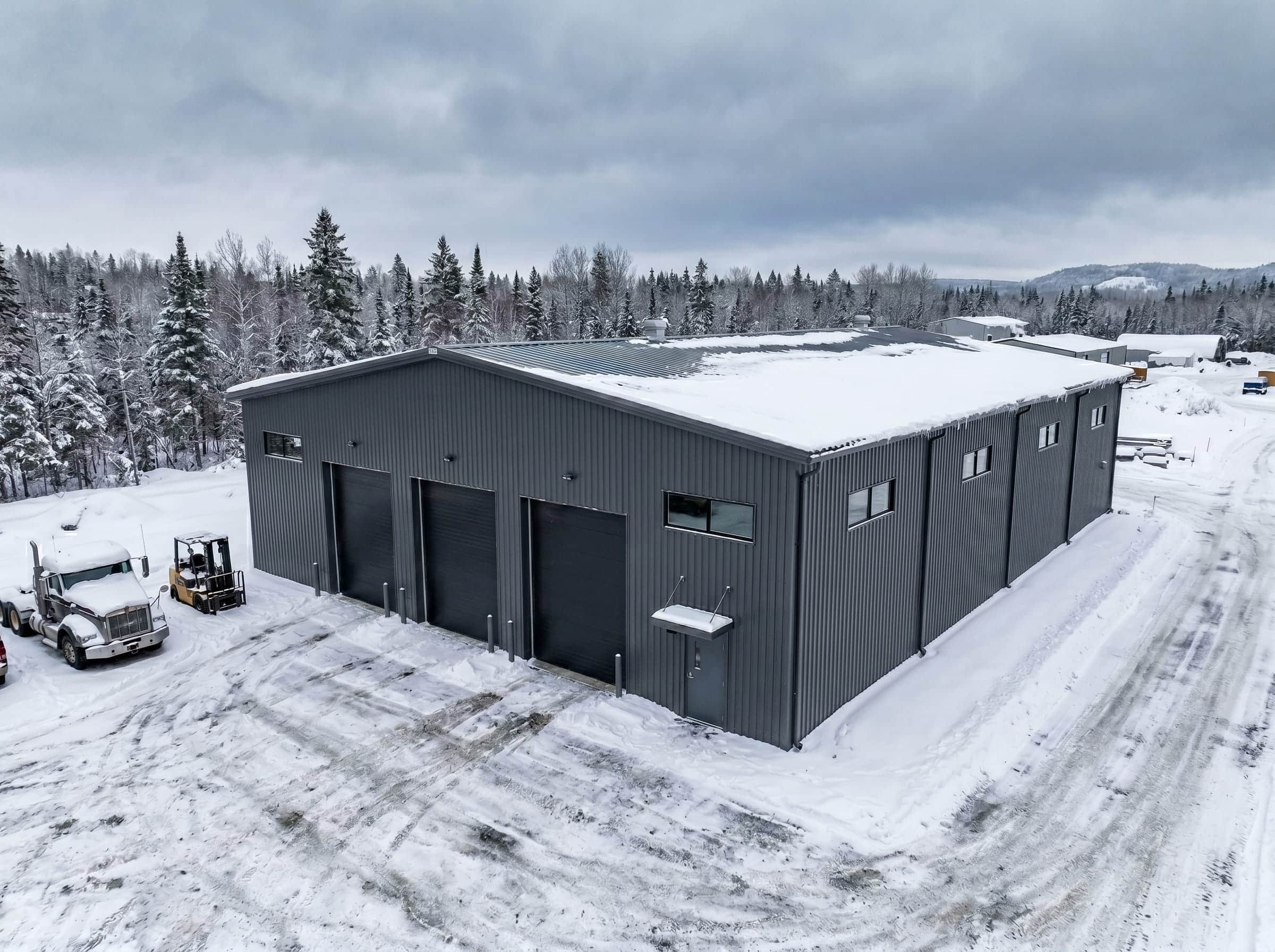
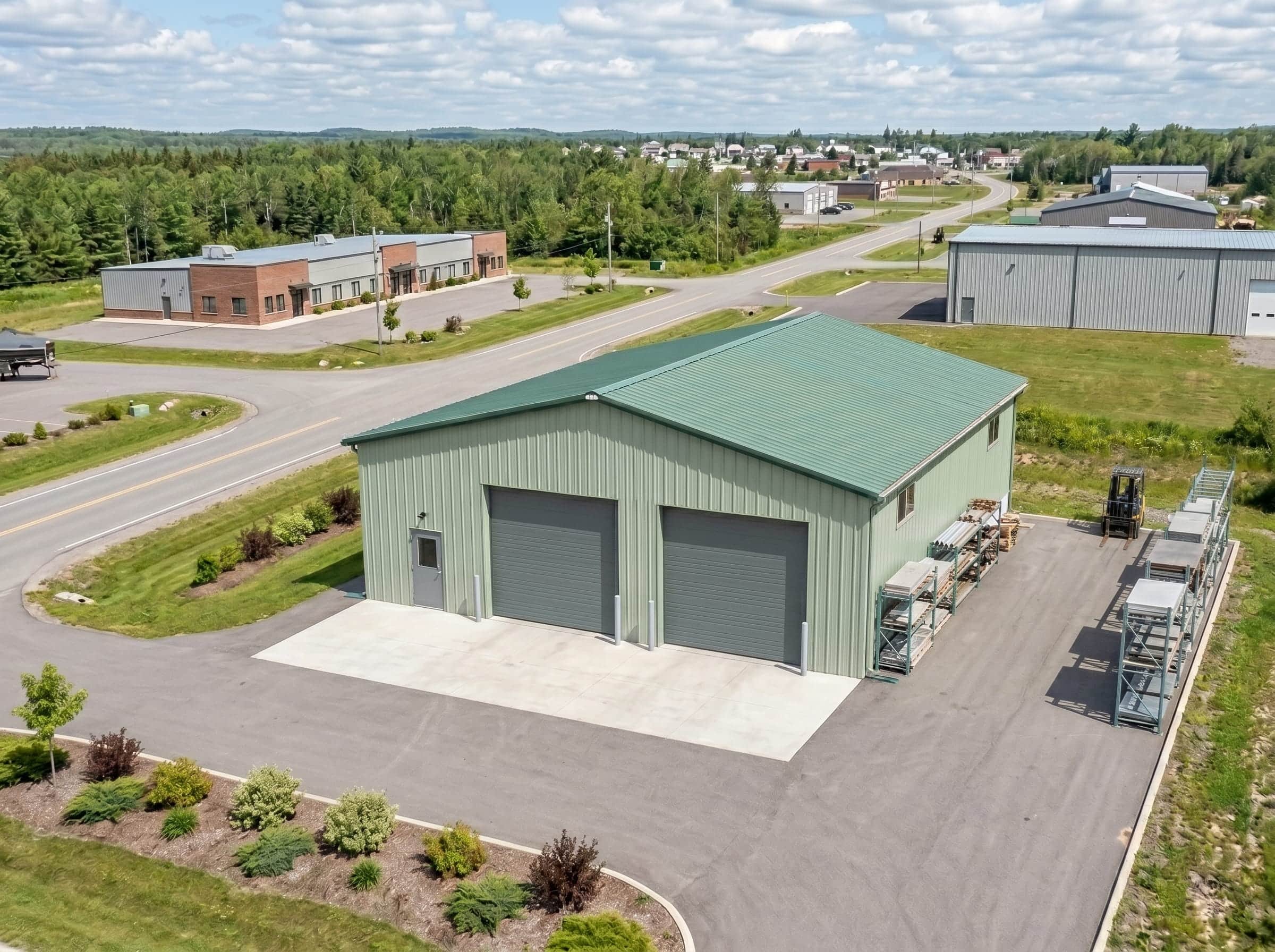
Toro designs and manufactures high-quality prefabricated steel warehouse kits for commercial, industrial, agricultural, institutional, and storage applications across the US and Canada. With over 40 years in business, 85,000+ customers served, an in-house design and engineering team, and 30+ manufacturing facilities across North America, Toro delivers factory-direct steel building solutions, backed by the engineering documentation, certified drawings, and practical support needed to take a project from initial design through final delivery with confidence.
What Our Warehouse Building Customers Say
“What stood out was how well Toro understood the practical side of the project. Our warehouse building came together smoothly, the space works exactly how we planned, and the quality has been excellent.”
“We’ve been extremely happy with how well the building came together and how durable it feels in day-to-day use. The quality is honestly better than we expected, and it has been a great addition to our operation.”
Custom Steel Warehouse Buildings for Storage, Distribution, and Operations
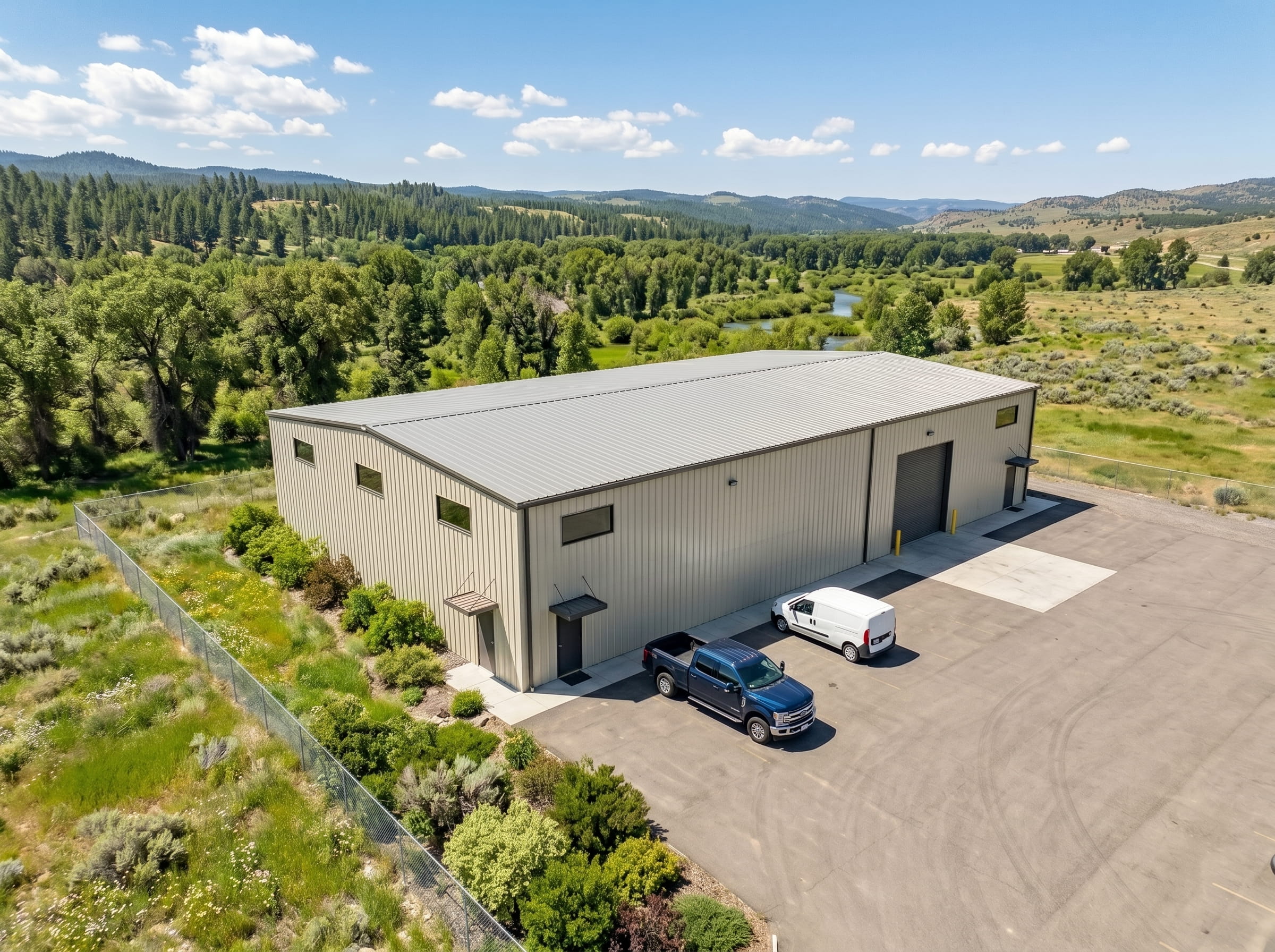
Every warehouse has a different job to do, and a building that is not designed around that job creates operational inefficiencies from day one. Some businesses need wide, clear-span storage for bulk inventory. Others need drive-through access for fleet vehicles, insulated work areas for temperature-sensitive products, equipment bays for active maintenance operations, or a flexible layout that can adapt as the business grows. A properly engineered metal warehouse building accounts for all of those requirements at the design stage rather than treating them as afterthoughts.
Toro metal warehouse buildings can be engineered and configured for a wide range of commercial, industrial, and operational applications:
A pre-engineered steel warehouse gives you the flexibility to plan the building around how your operation actually works. Storage rows, racking systems, drive-through access, overhead door configurations, personnel entry points, ventilation, insulation, and future expansion bays can all be resolved at the design stage, so the finished structure supports your workflow from the first day of occupancy through the full life of the facility.
Why Choose a Metal Warehouse Building?
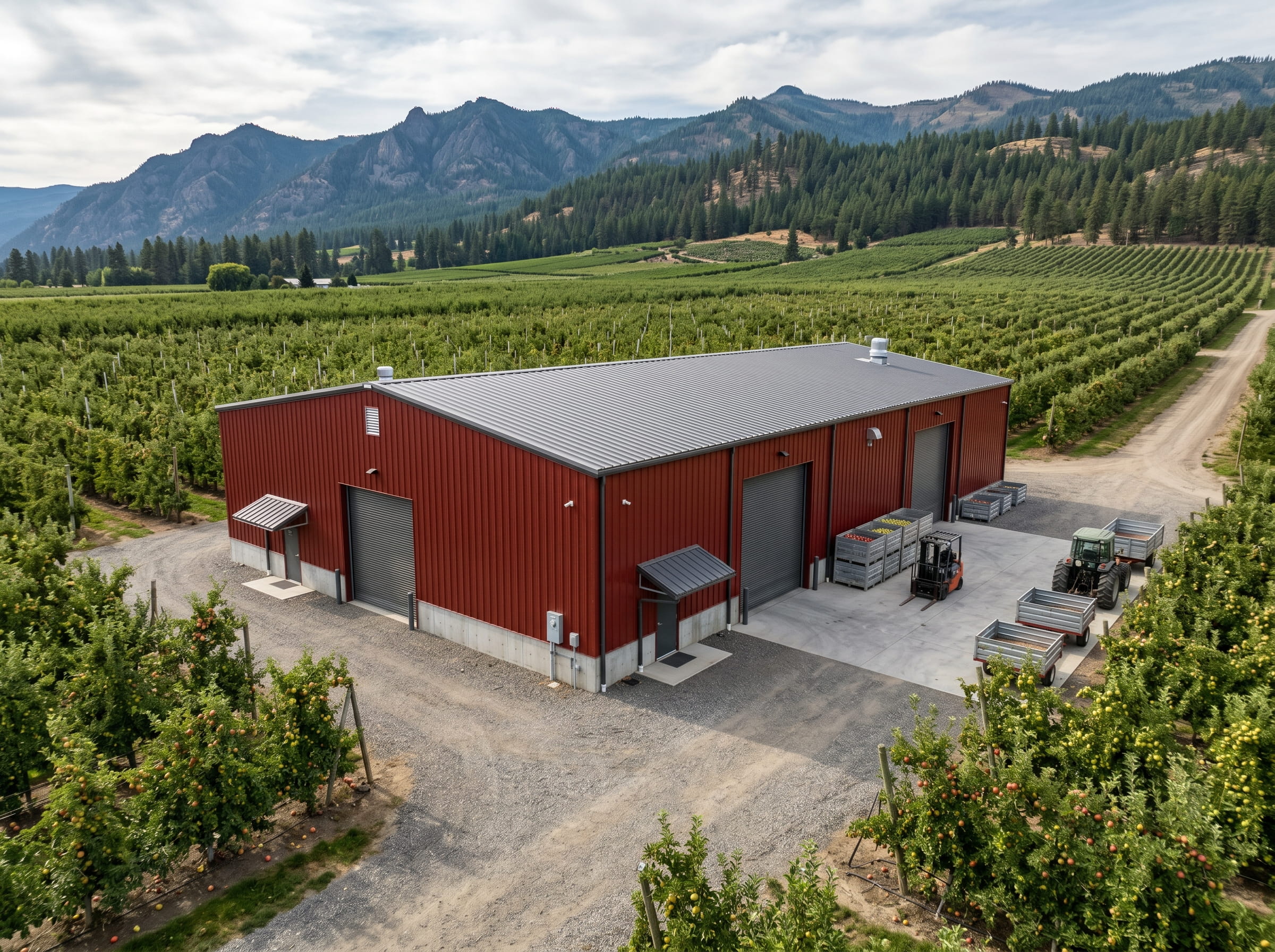
Steel is one of the most practical materials for warehouse construction because it supports large open spaces, predictable engineering, durable exterior protection, and efficient assembly. Compared with many traditional construction methods, prefab warehouse buildings can reduce on-site cutting, measuring, material waste, and construction complexity because the main components are engineered and manufactured before delivery.
Key advantages include:
Click the button below To Create your own custom steel warehouse building in 3D
Popular Metal Warehouse Building Sizes
The right size for your metal warehouse building depends on your inventory, equipment, workflow, site dimensions, access needs, and future growth plans. Below are common starting points for steel warehouse buildings.
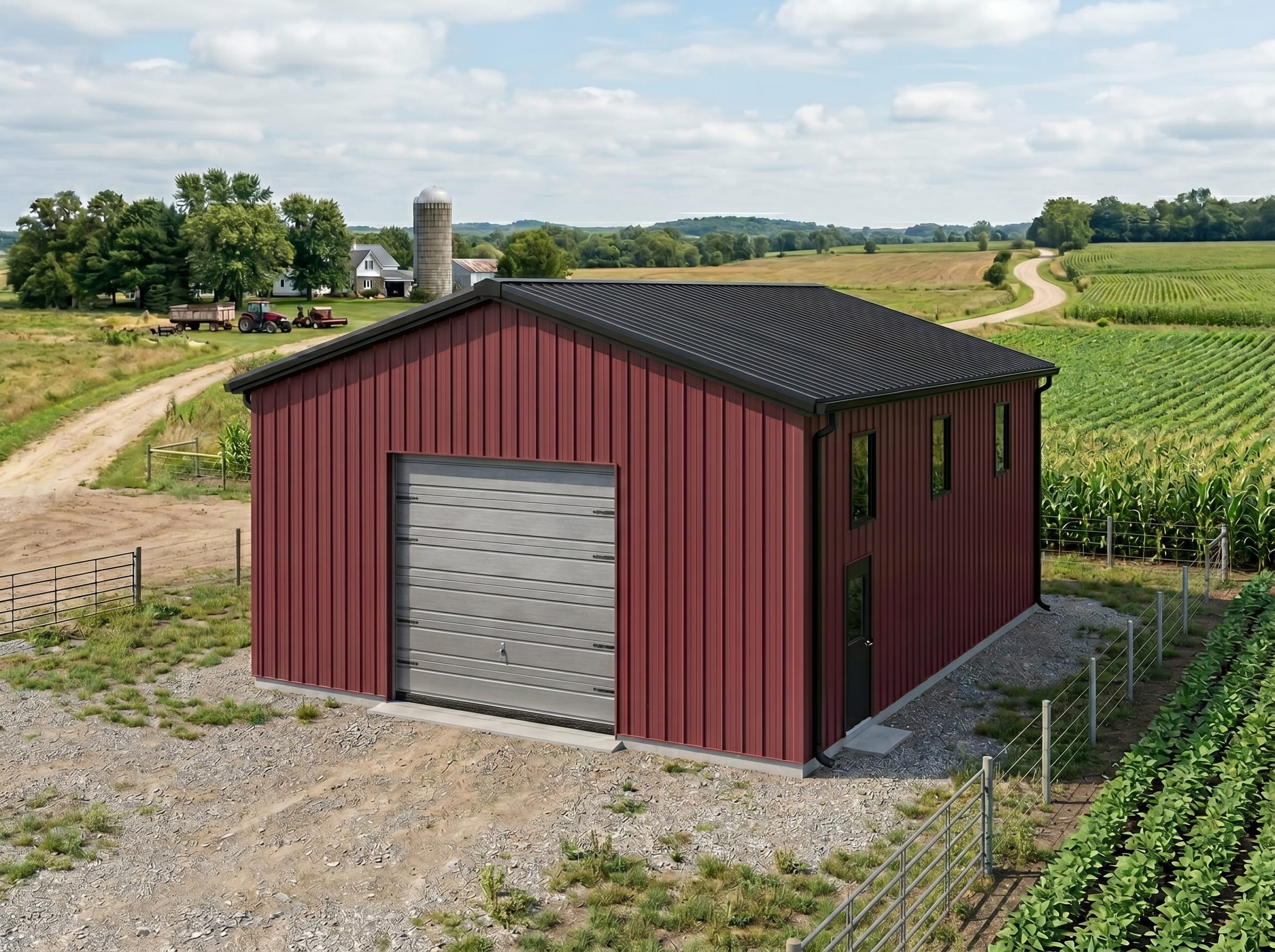
30×40 Metal Warehouse Building
A 30×40 warehouse provides 1,200 square feet of space. This size can work well for smaller inventory storage, contractor supplies, tools, equipment, and small business operations.
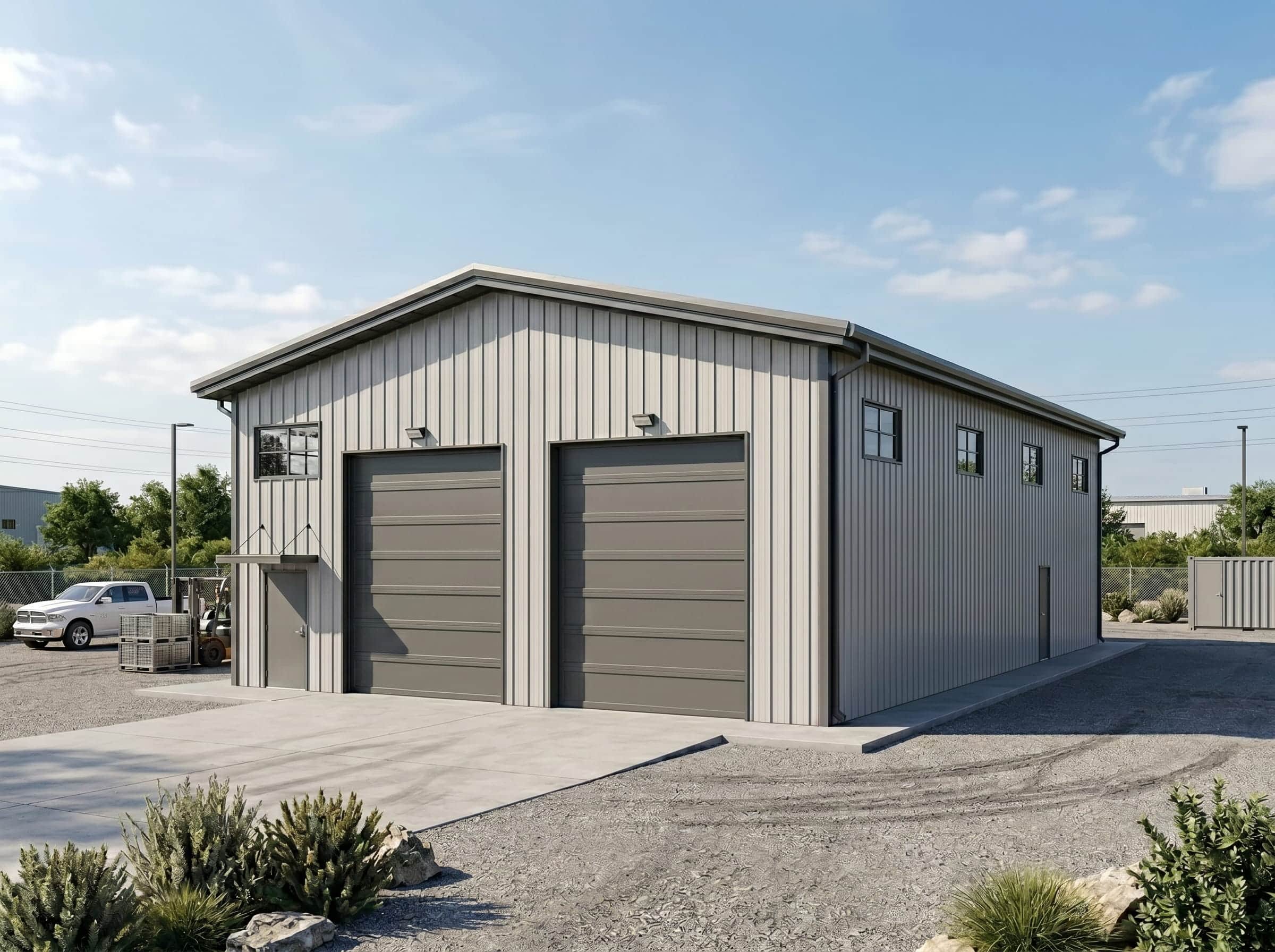
40×60 Metal Warehouse Building
A 40×60 warehouse provides 2,400 square feet of open space. It is a practical option for growing businesses, agricultural storage, light commercial use, and equipment storage.
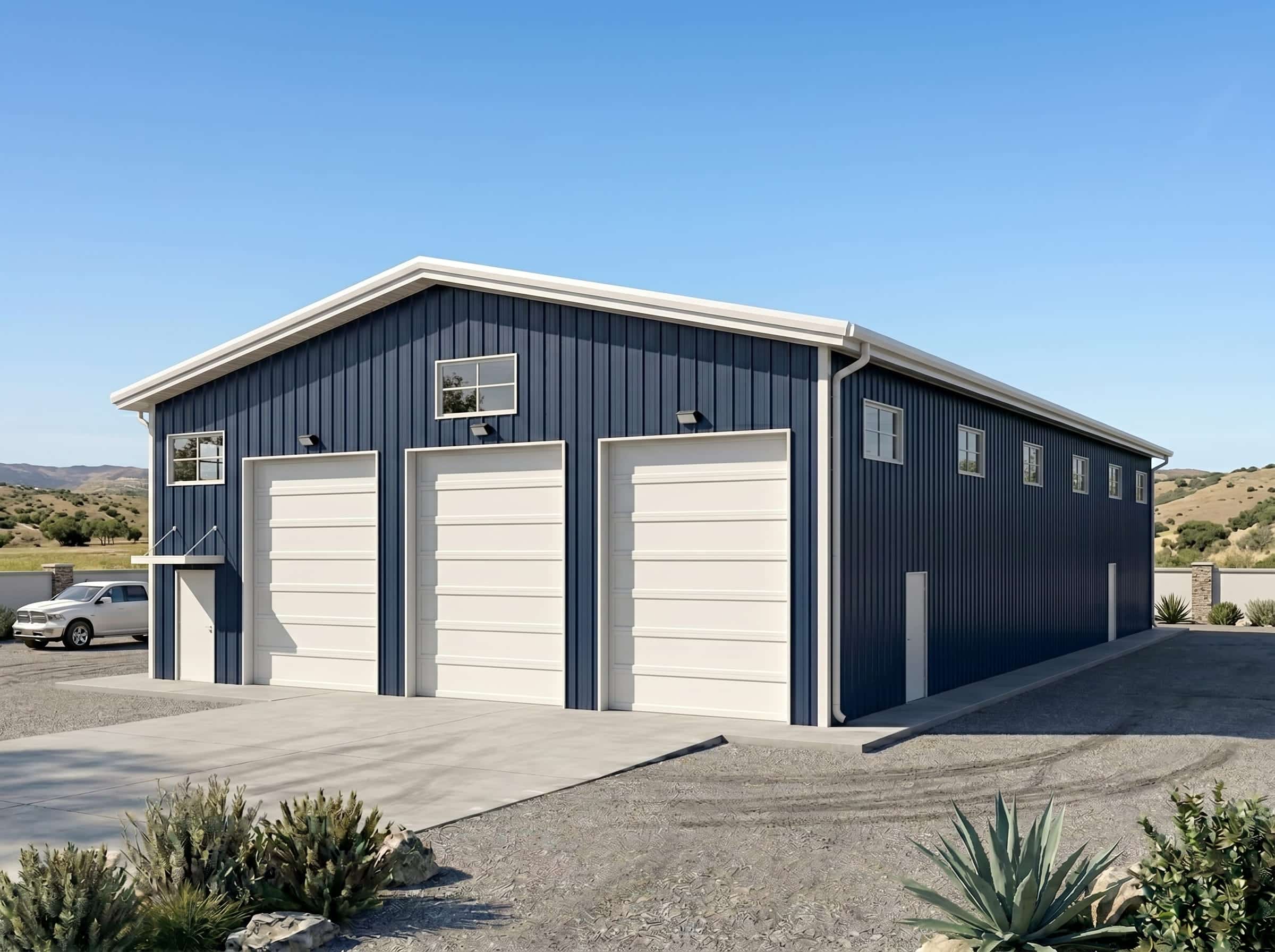
40×80 Metal Warehouse Building
A 40×80 steel warehouse building provides 3,200 square feet of storage or operational space. This size is a popular choice for businesses that need a flexible layout for inventory, equipment, production, or day-to-day operations.
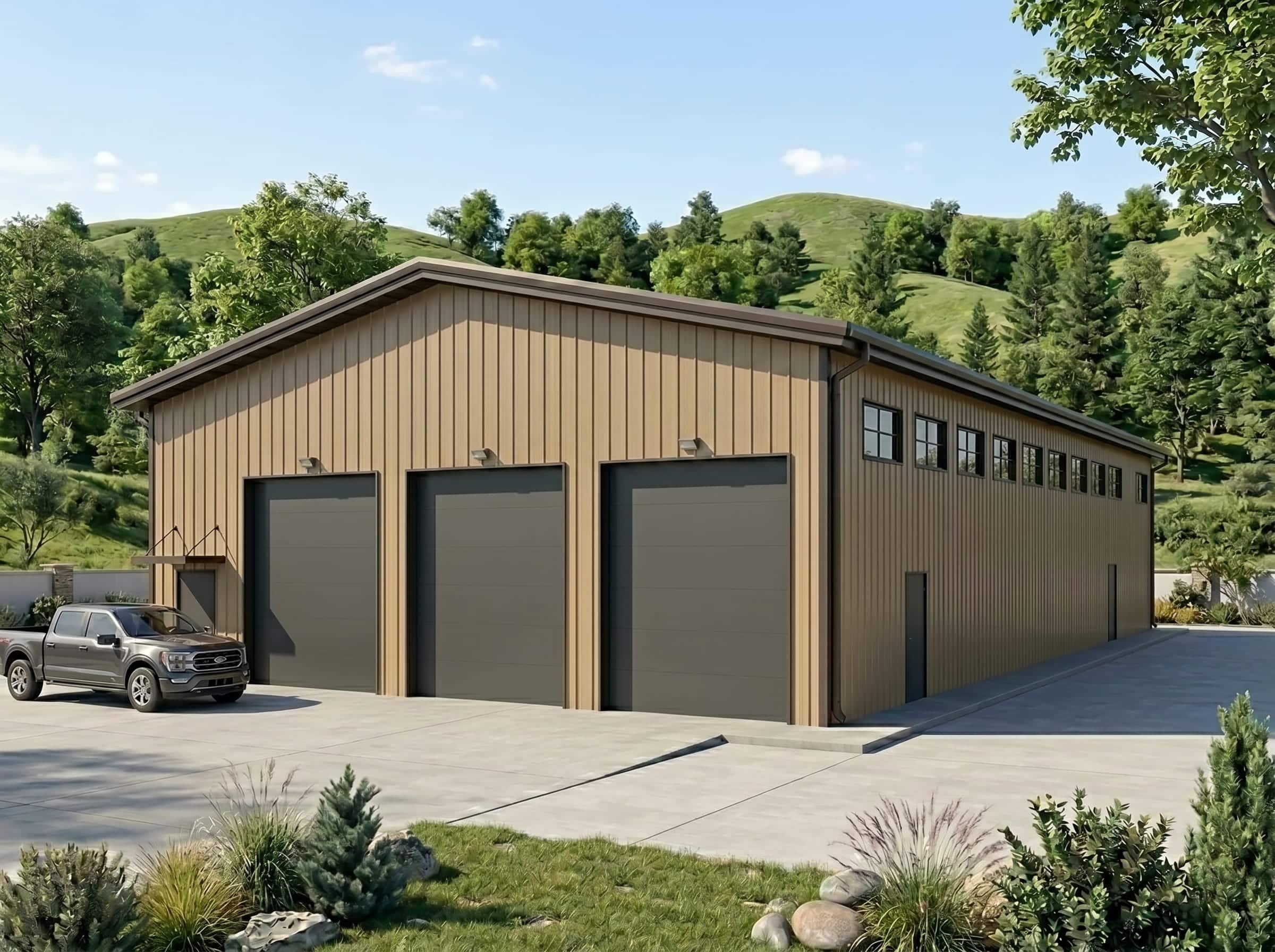
50×100 Metal Warehouse Building
A 50×100 warehouse provides 5,000 square feet of space. This size is well-suited for commercial shops, fleet storage, larger inventory needs, warehousing, and light industrial operations.
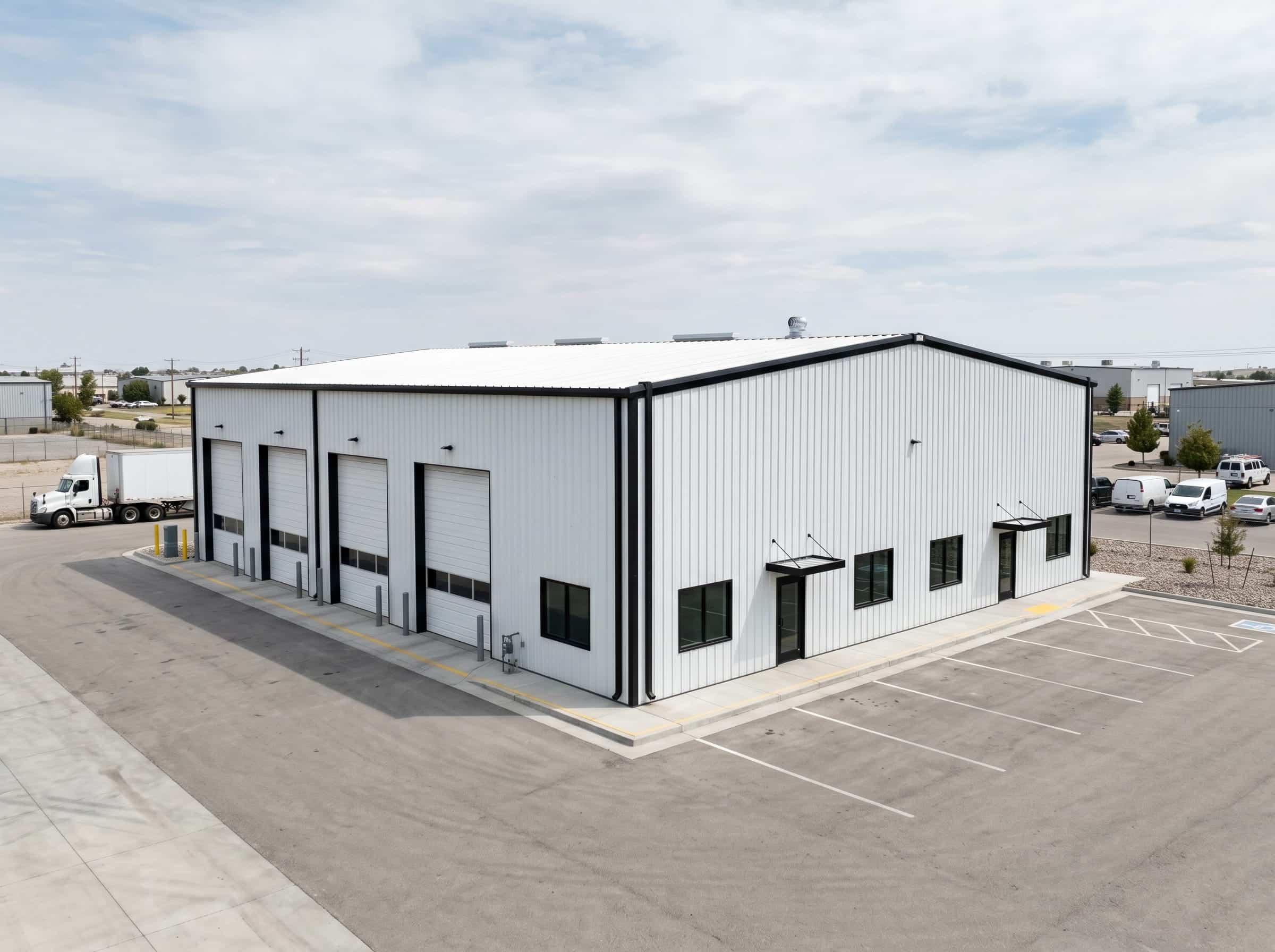
100×100 Metal Warehouse Building
A 100×100 warehouse provides 10,000 square feet of space. This size can support distribution, bulk storage, manufacturing support, commercial warehousing, or multi-zone operations.
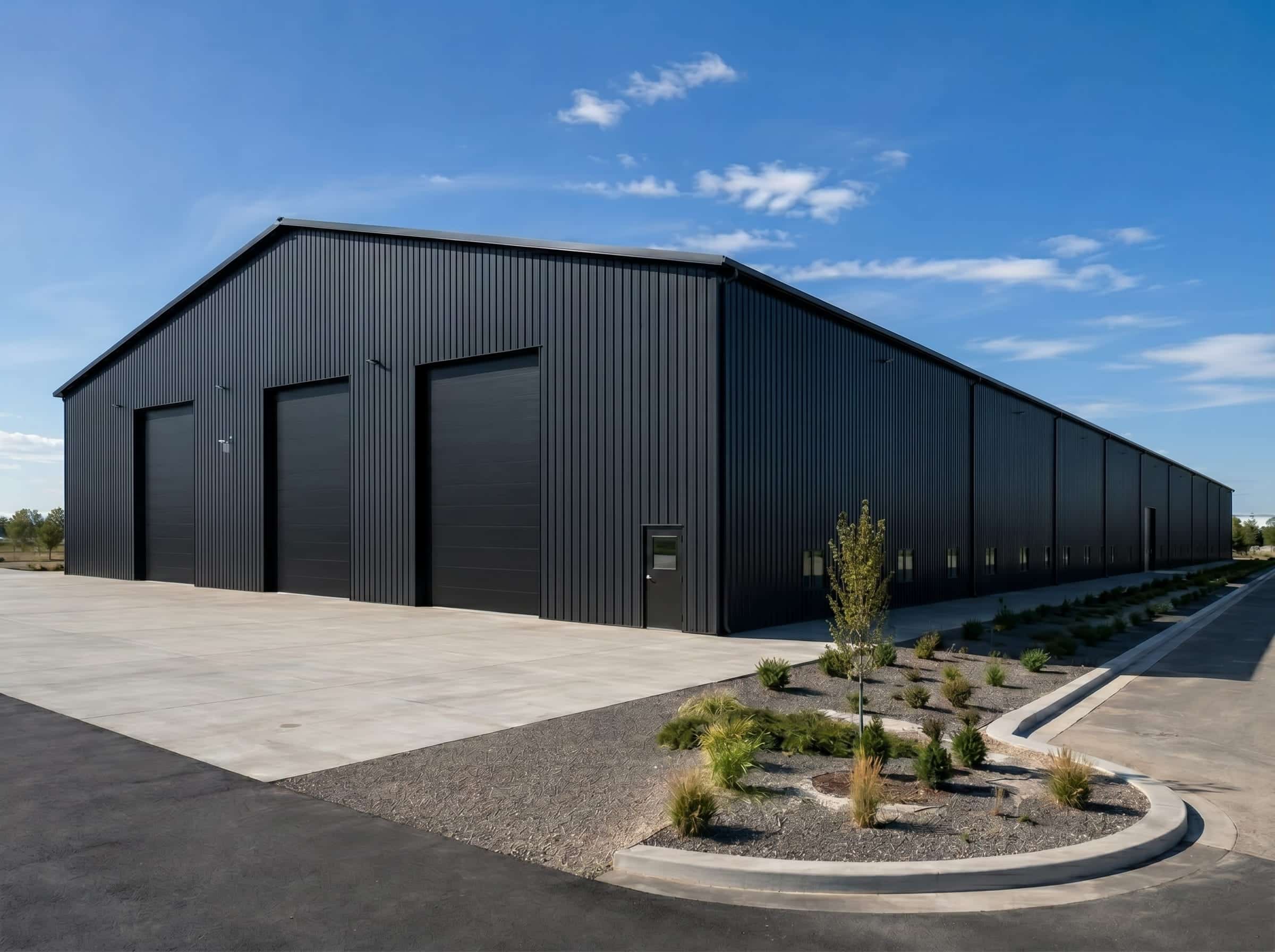
200×400 Metal Warehouse Building
A 200×400 metal warehouse building provides 80,000 square feet of large-scale space for distribution, logistics, bulk storage, manufacturing support, or major commercial operations. Clear-span steel framing helps maximize usable interior space, while prefabricated components support efficient on-site assembly.
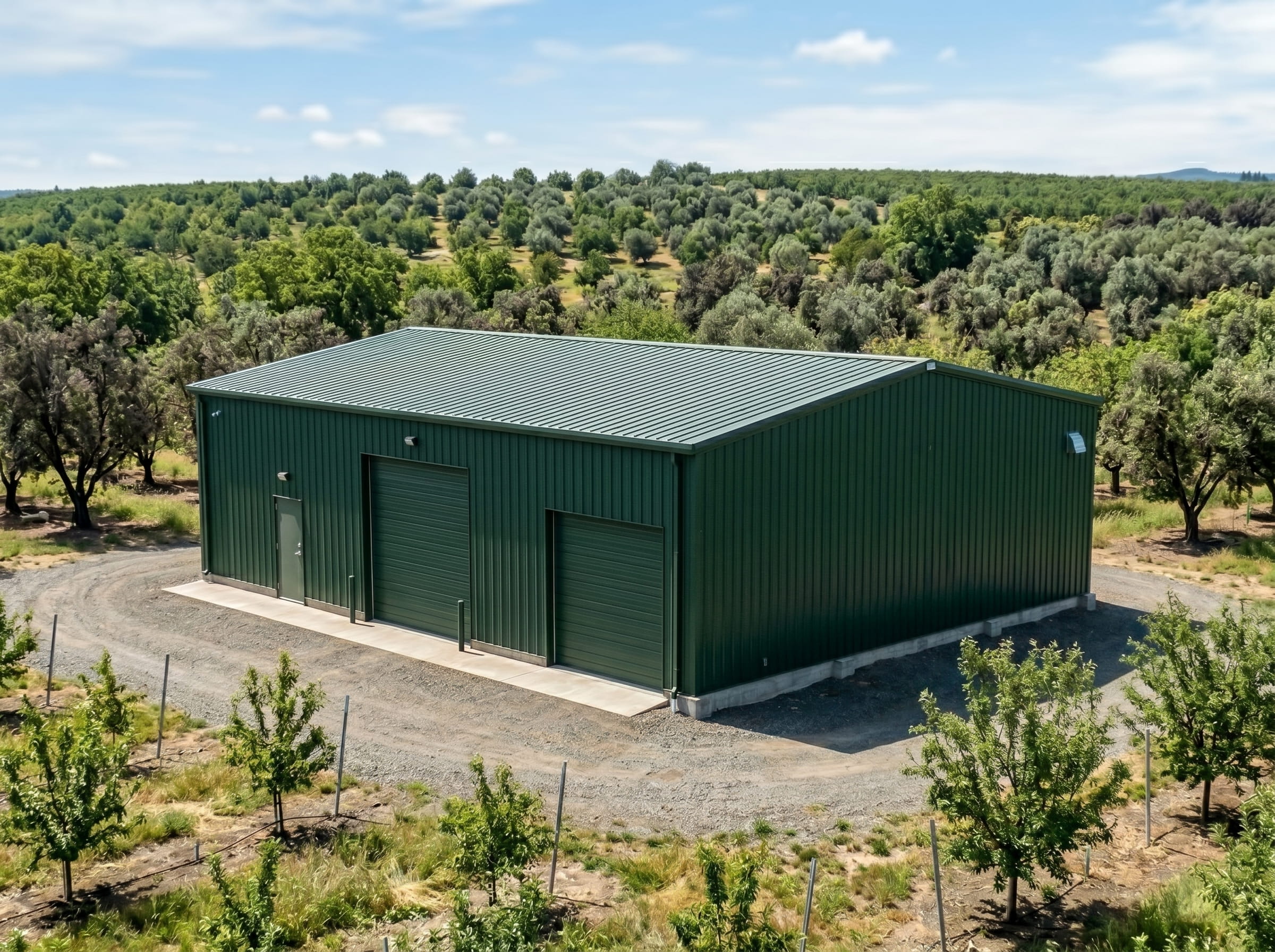
Custom Warehouse Sizes
Toro can help design a custom metal warehouse building based on your specific width, length, height, access, and operational requirements. If your project requires a large open interior, multiple overhead doors, high sidewalls, insulation, or expansion planning, a custom steel warehouse building may be the best approach.
Steel Building Systems Available for
Warehouse Buildings
Toro Steel Buildings offers different steel building systems for warehouse projects, giving business owners flexibility based on budget, building size, design preferences, interior space requirements, and intended use. The two main options for steel warehouse buildings are straight wall steel buildings and Quonset hut style steel buildings.
Straight Wall Steel Warehouses
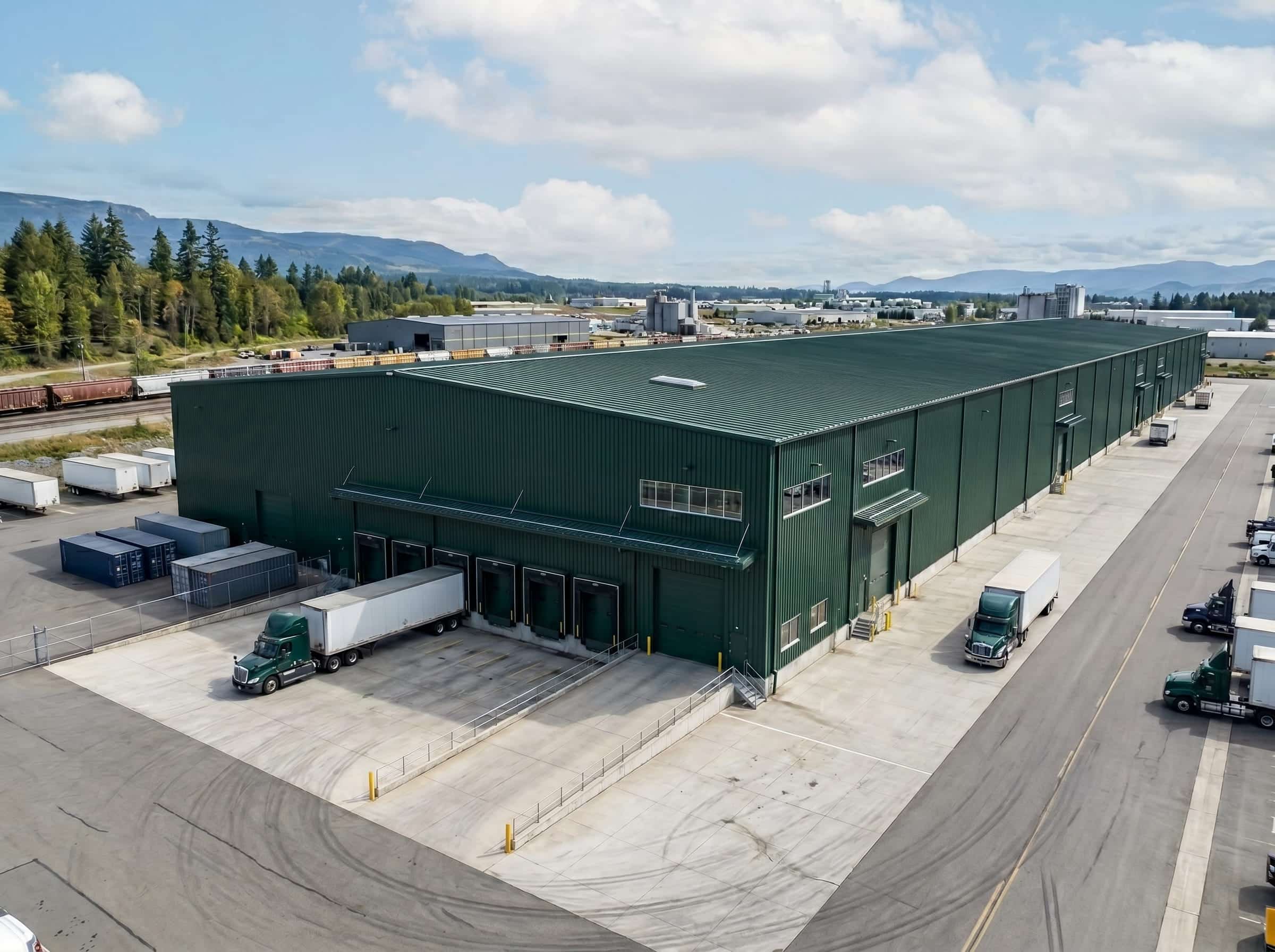
Straight wall steel buildings are a popular choice for commercial and industrial warehouse applications because they offer a traditional building appearance, vertical sidewalls, and highly usable interior space. This style is well-suited for businesses that need pallet racking, forklifts, overhead doors, loading access, office space, equipment storage, or future expansion.
Toro straight wall warehouse buildings are engineered with either red-iron I-beam or cold-formed steel framing, selected based on the building’s required clear span, structural load demands, and long-term operational requirements rather than a default preference. Red iron buildings are commonly used for larger commercial and industrial warehouse projects that require strength, wide spans, and heavy-duty performance. Cold-formed steel buildings can be a practical option for certain warehouse and storage applications where efficient framing, lighter components, and streamlined assembly are important.
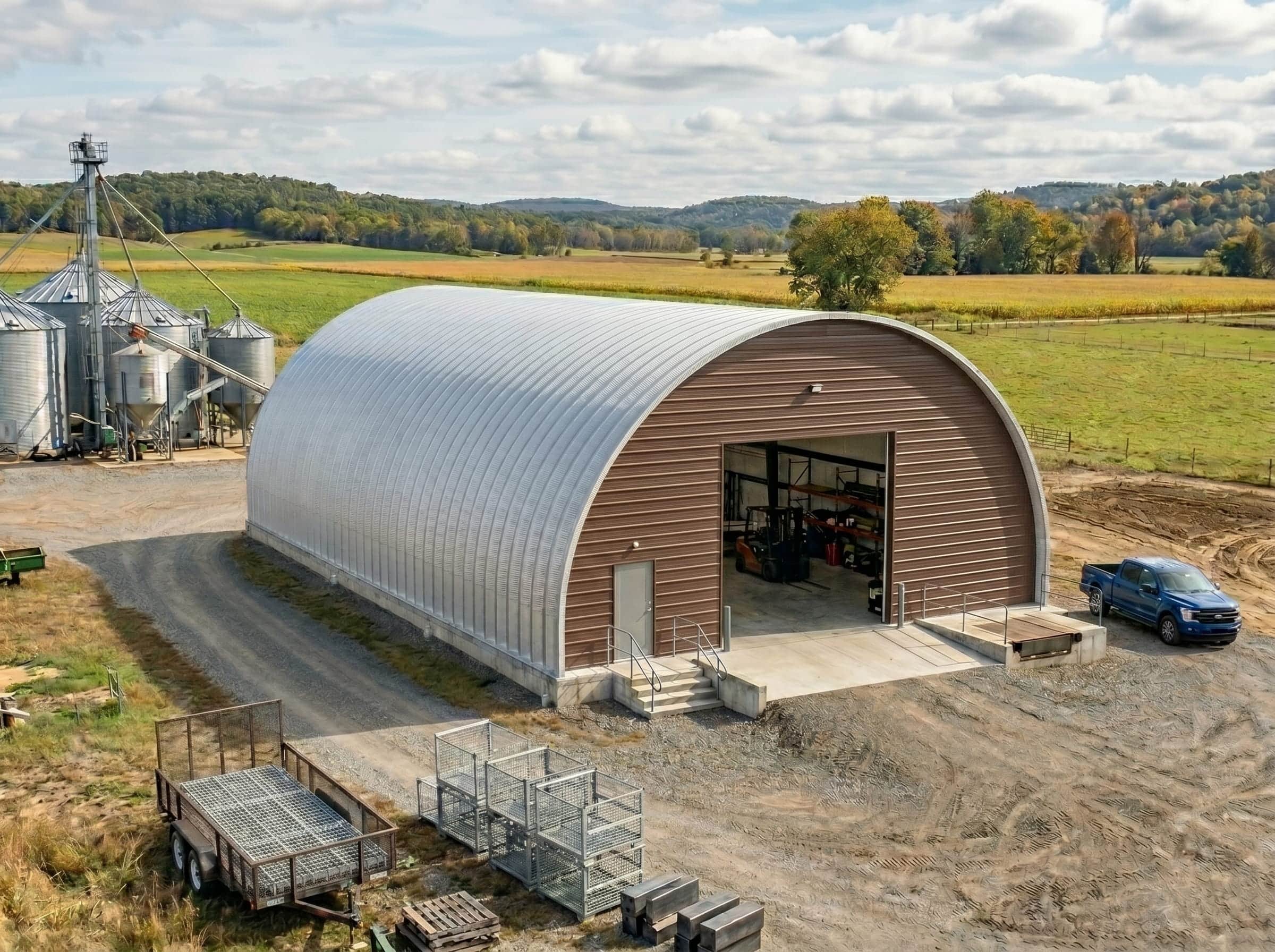
Quonset Hut-Style Steel Warehouses
Quonset hut-style steel warehouse buildings use an arched steel design that creates a durable, efficient, and recognizable structure. This style can be a strong option for storage, agricultural warehousing, equipment protection, bulk materials, and businesses looking for a simple steel building system with an open interior.
Because the arched panels form both the roof and walls, Quonset hut warehouse buildings can offer efficient material use and dependable protection from the elements. They are especially useful for owners who want a practical storage-focused warehouse with fewer complex design requirements.
Metal Warehouse Building Cost Factors and Customization Options
The final design of a metal warehouse building depends on more than square footage. Building size, location, engineering requirements, clear-span needs, roof and wall systems, doors, insulation, ventilation, site preparation, delivery, and installation can all influence the overall project. A warehouse in a heavy snow region, for example, may require different engineering than one in a milder climate, while a building with multiple overhead doors, framed openings, or large clear-span areas may require a different structural design than a basic storage building.
Toro metal warehouse buildings can be configured around how your business operates. Width, length, height, interior clearance, door placement, access points, and future expansion plans all play an important role in creating a functional space. Popular customization options include overhead metal doors, sliding doors, walk-in man doors, windows, skylights, turbine vents, insulation packages, trim and flashing, roof and wall accessories, color selections, framed openings, lean-to additions, and interior partitions where applicable.
For a warehouse, customization should not be limited to appearance. Door placement, interior height, clearances, ventilation, insulation, and access points can significantly impact daily efficiency. By planning these details early, you can design a steel warehouse building that supports storage, equipment movement, workflow, and long-term business growth.
Start Designing Your Metal Warehouse Building
The best way to price a warehouse is to design it around your actual requirements. Tell us how you plan to use the space, where the building will be located, what size you need, and which accessories matter most.
A Toro Steel Buildings expert can help you compare options, understand key design factors, and move forward with a steel warehouse building package designed for your needs. To get started, call Toro Steel Buildings at +1 877-870-8676 or request a custom quote online.