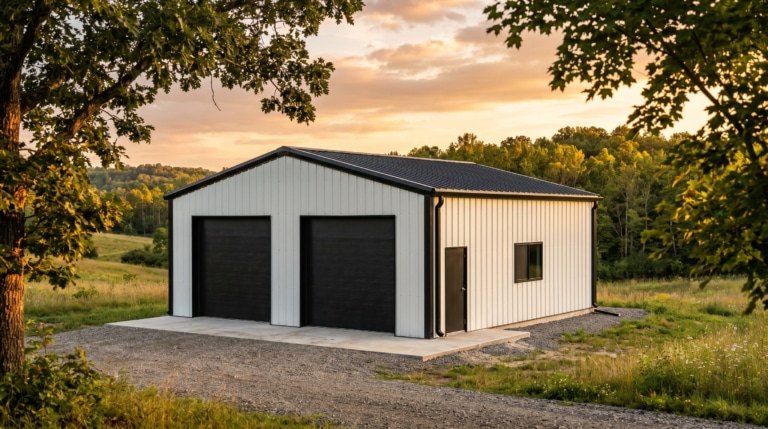
Metal Building Sizes

Choose the Best Metal Building Size for Your Project

Standard Steel Building Sizes & Options

Choosing the right metal building size starts with understanding how you plan to use the structure, how much clear space you need, and how the building may need to function in the future. While steel buildings can be custom-engineered for a wide range of applications, buyers often begin by researching standard metal building sizes to compare layouts, square footage, and general building types before narrowing down the best fit.

At Toro Steel Buildings, we help customers evaluate common metal building sizes based on real project needs, not just square footage alone. The right building depends on what you plan to store, the vehicles or equipment that need access, local wind and snow loads, door and opening requirements, and whether you want room for future expansion. Starting with the right size strategy can make permitting, planning, and final pricing much easier.
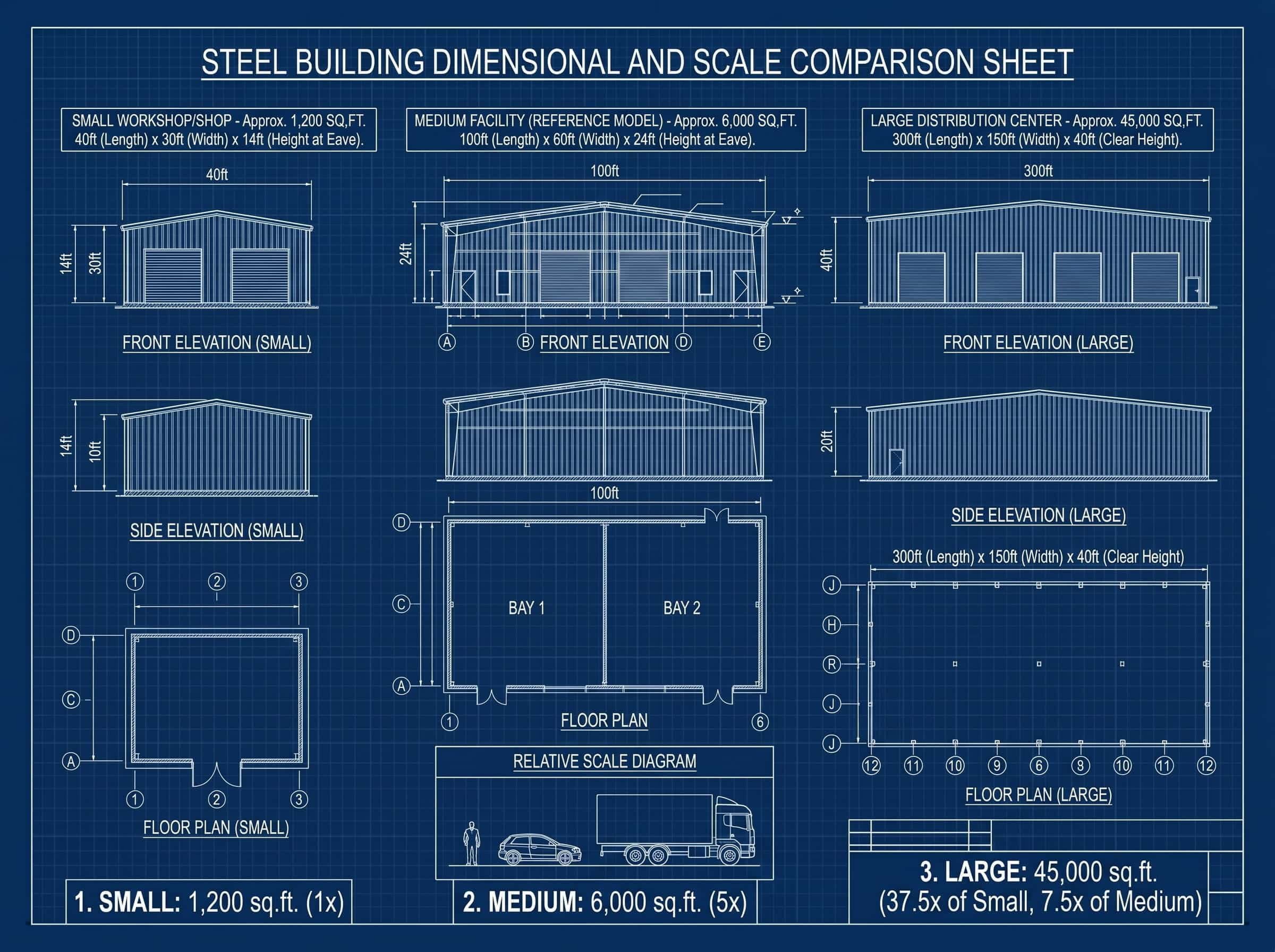
Steel building sizes

Common Metal Building Sizes

30x40 steel buildings

30×40 Steel Building

A 30x40 metal building gives you 1,200 square feet of open, usable space for a wide variety of applications. It is a practical choice for residential storage, workshops, farm use, small business operations, and equipment protection. With a clear-span layout and efficient footprint, a 30x40 building gives you the flexibility to organize the space around vehicles, tools, machinery, or work areas without interior columns getting in the way.

View All Designs
40x60 prefabricated steel building

40×60 Steel Building

A 40x60 metal building offers 2,400 square feet of open, clear-span space designed to handle a wide variety of storage and work needs. Ideal for residential, agricultural, and light industrial applications, this versatile building size gives you the flexibility to configure the layout around your equipment, vehicles, workspace, or storage goals. With more usable floor area and fewer interior limitations, a 40x60 building delivers long-term functionality and value.

View All Designs
50x100 prefab steel building

50×100 Steel Building

At 5,000 square feet, a 50x100 metal building is built for operations that demand serious space. The full clear-span interior gives you unobstructed floor area across the entire width, with no columns interrupting your layout or limiting how you work. Commercial shops, agricultural storage, fleet maintenance, warehouses, and light manufacturing facilities are among the most common applications. For owners who need workspace and living accommodations under one roof, a 50x100 metal building with living quarters is a practical configuration that combines both without compromise.


View All Designs

FAQs About Steel Building Sizes

There is no single standard size for a metal building, since dimensions vary based on the building’s intended use and the owner’s needs. In general, standard metal building sizes can range from about 30 to 300 feet wide, 30 to 500+ feet long, and 8 to 30 feet in eave height. While certain dimensions are more common across the industry, most steel buildings can be customized to fit your exact project requirements.

The most common steel building sizes vary by intended use, but some of the most popular options include 30×40, 30×50, 30×60, 40×40, 40×60, 40×80, 50×50, 50×100, 100×100, and 200×200. These sizes are often selected for commercial, industrial, agricultural, workshop, and storage applications. While these are considered common starting points, metal buildings can also be custom-engineered to virtually any dimension to fit your specific project.

The most economical metal building sizes depend on your intended use, location, design requirements, and overall budget. In most cases, buildings with simpler layouts, moderate dimensions, and fewer custom features tend to offer better value. Cost efficiency is also influenced by overall square footage, and many mid-size buildings can deliver a lower cost per square foot than very small or very large structures. In general, longer buildings with less width are often more cost-effective than wider clear-span designs and keeping the eave height as low as your application allows can also help control both construction and long-term operating costs. Square or near-square layouts can be efficient as well, since they maximize usable space while minimizing exterior wall area.

The most important factors when choosing building size include the intended use, required clear-span space, wall height, door openings, equipment or vehicle access, storage needs, local code requirements, and future expansion plans. A building should be sized not only for your current needs, but also for how you expect the space to function over time.

Different metal building sizes affect cost based on total square footage, material quality, span width, wall height, structural loads, and the level of customization included in the design. Larger buildings generally require more materials and engineering, while features such as insulation, framed openings, overhead doors, roof pitch, and code-specific requirements can also impact overall pricing. The key is choosing a size that fits your needs efficiently without overbuilding.