


Metal Church Buildings
Precision-Engineered Church Buildings for Worship, Fellowship, Education & Community Use
Durable Steel Church Buildings for Worship and Community
Churches need more than four walls and a roof. They need space that actively supports worship, fellowship, ministry, teaching, administration, outreach, and long-term growth. That is why metal church buildings continue to earn the confidence of congregations seeking flexibility, durability, and a building system designed around real ministry needs rather than a generic shell.
At Toro Steel Buildings, we supply pre-engineered steel building systems for sanctuaries, fellowship halls, classrooms, ministry wings, offices, activity centers, and full multi-use church campuses. Our job is not to fit a congregation into a standard box. It is to help create a church building that works the way the space will actually be used.
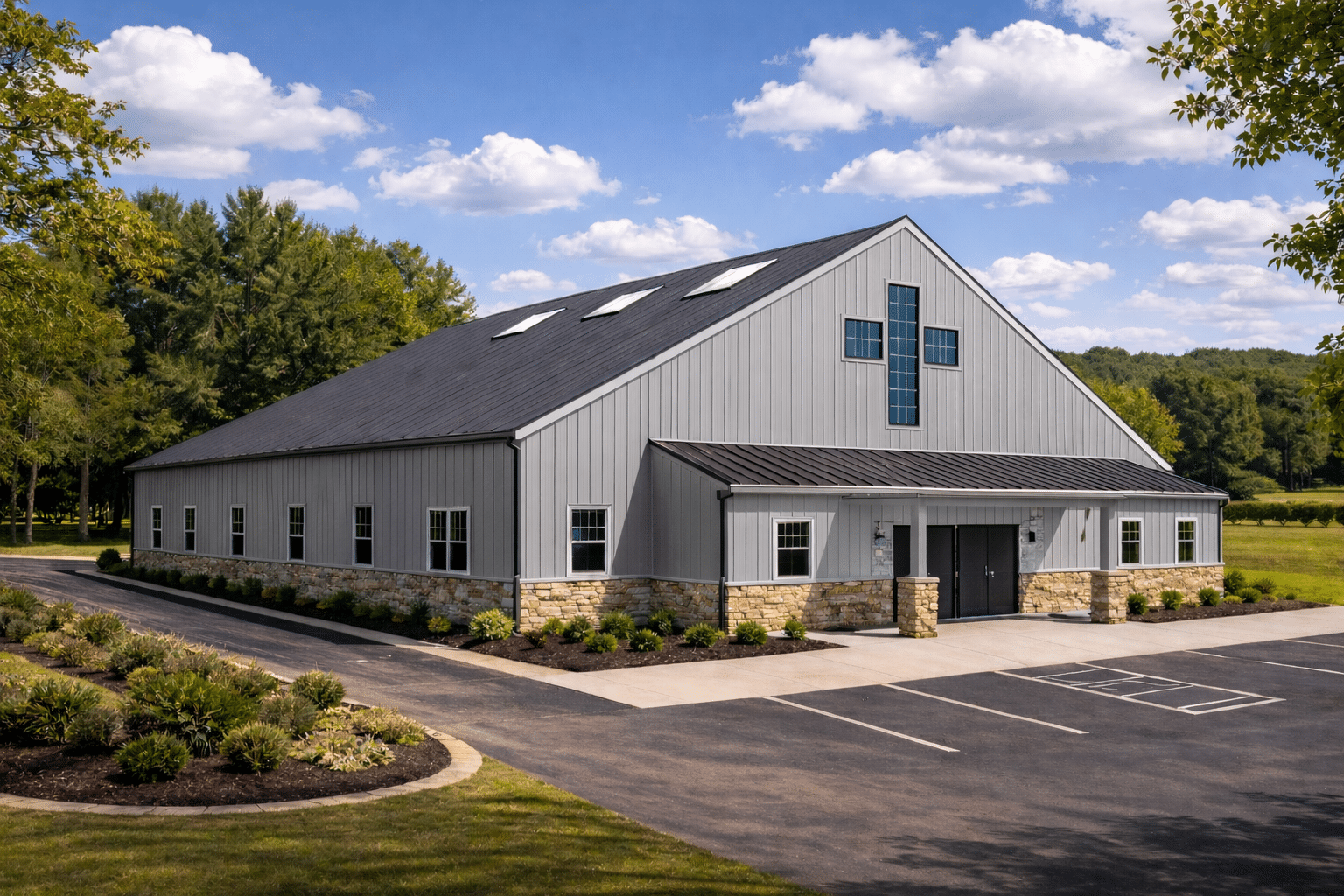
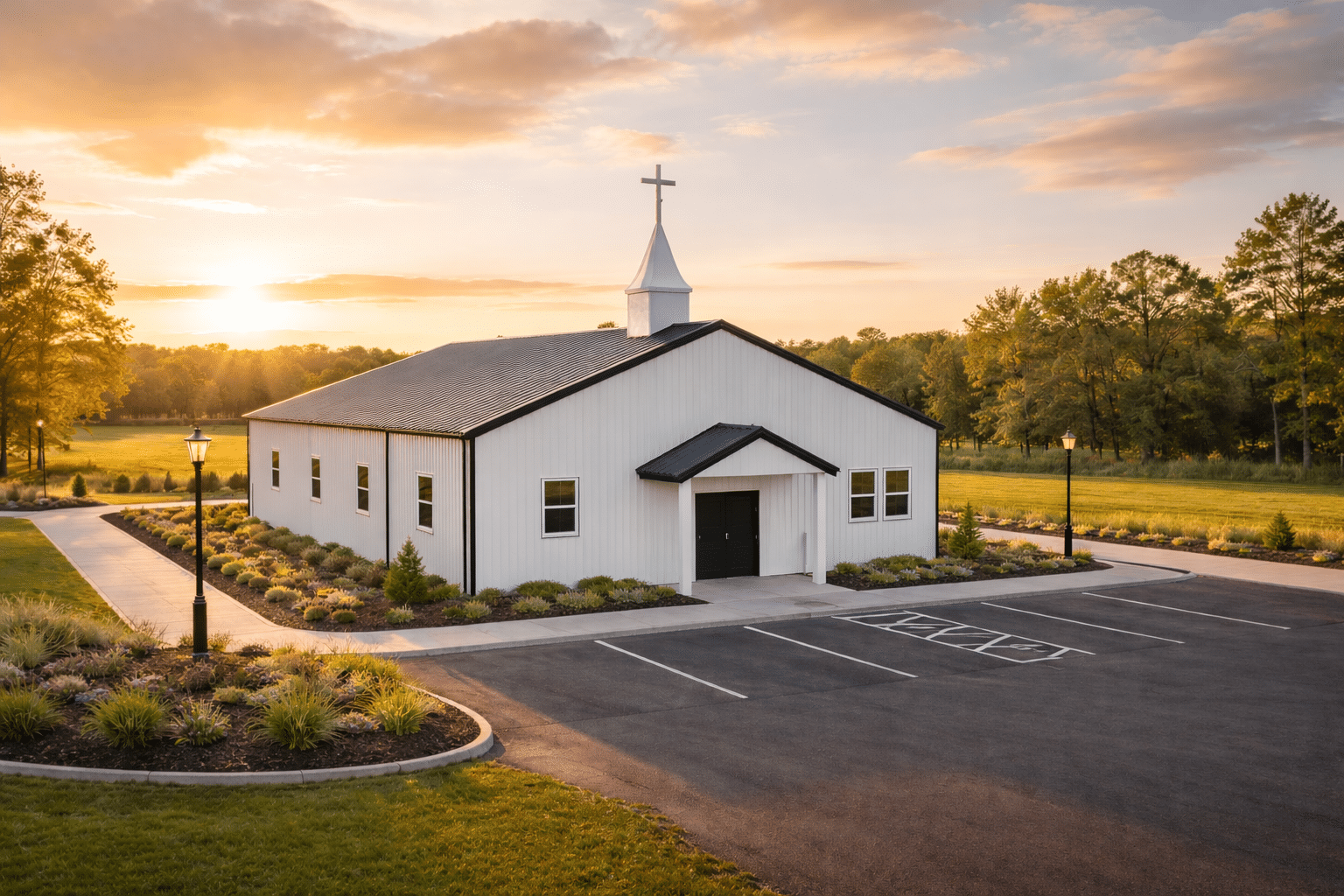
For most ministries, the real question is not whether steel can work for a church. It can, and it does. The better question is how to make the building work well for the congregation, the site, the budget, the permitting process, and the property’s long-term mission. That is where the right engineering, layout planning, and building-system selection make all the difference.
A sanctuary or ministry building is not just another construction project. It is a place that may serve a congregation and community for decades. That makes durability, adaptability, maintenance demands, and lifecycle value especially important. A well-designed steel church building can deliver all of those while also making it easier to create the open, highly usable interior space a congregation truly needs.

Why More Churches Are Choosing Steel Building Systems
A church building has to do more than look good on opening day. It has to function well every week, every season, and for many years ahead. It has to support people moving through it, gathering in it, learning in it, and using it for far more than a single weekly service.
That is one reason steel church buildings continue to gain attention. Steel offers clear-span potential, efficient layouts, flexibility for expansion, and strong long-term structural consistency. Those advantages translate directly into open sanctuaries, multipurpose halls, classrooms, children’s ministry space, offices, gyms, and support areas, without the structure dictating or limiting the plan.
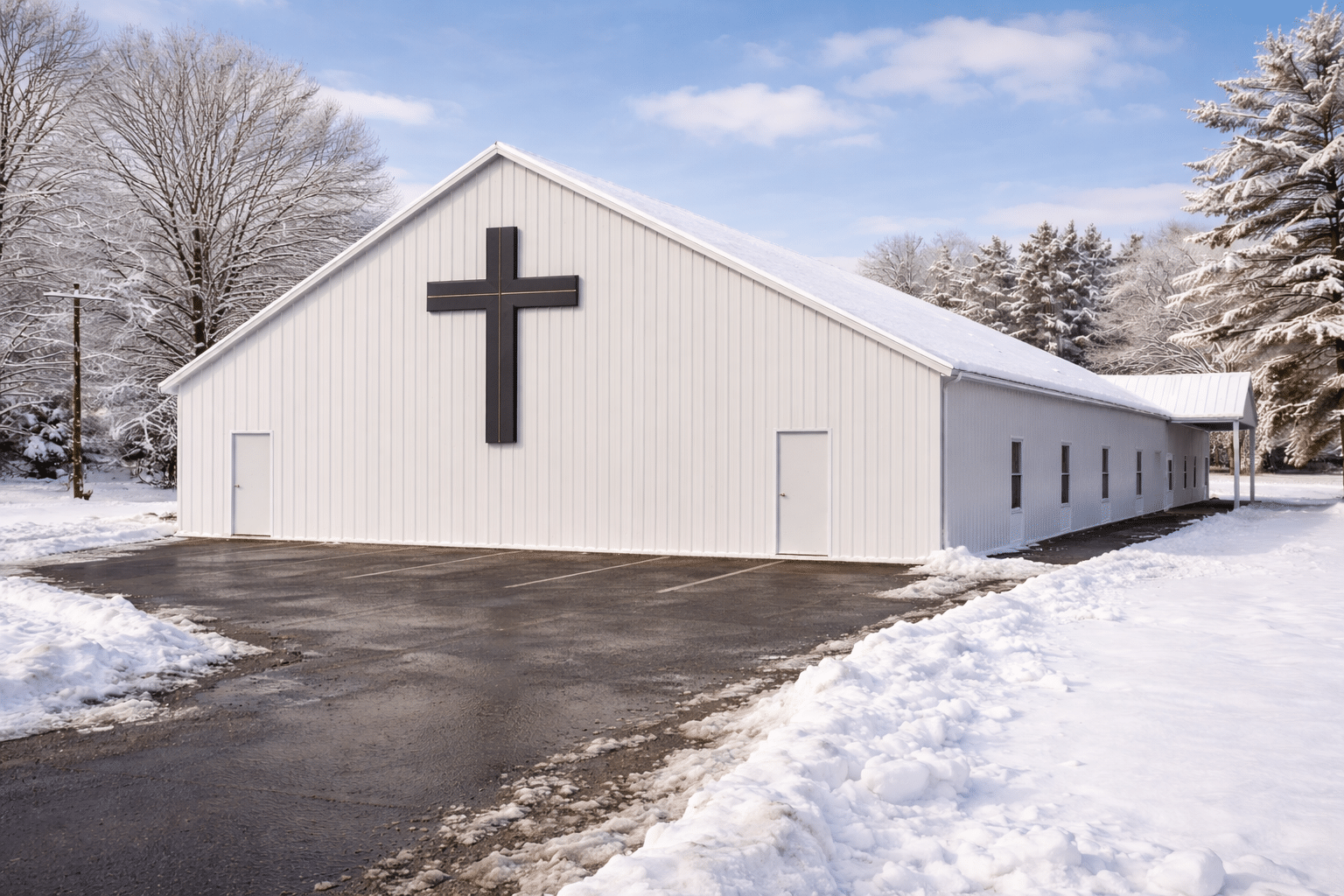
Steel is also practical over time. Unlike wood-heavy construction, it does not warp, rot, split, or carry the same vulnerability to termite-related damage. That matters for congregations that want a structure that stays dependable and easier to maintain as the decades pass.
Another key advantage is predictability. With a pre-engineered approach, the building is designed before fabrication, and major components are manufactured in advance. That creates a more organized, transparent project path than many conventional methods, something committees that need clarity around budget, scope, and scheduling genuinely appreciate.
Why Toro Is a Strong Fit for Church Building Projects
Church projects are rarely one-person decisions. Pastors, finance committees, elders, trustees, board members, and facilities teams may all have a seat at the table. Those decision-makers need more than a low-advertised number. They need clarity, honesty, and a manufacturer they can trust.
At Toro Steel Buildings, we bring the same core strengths to church projects that we bring to every engineered building we supply: project-specific design, direct manufacturer support, transparent pricing, multiple system options, and building packages tailored to the structure’s actual use.
Our True Pricing approach is especially valuable in that environment. Rather than relying on a base price that leaves out major project variables, our quotes are built around the actual site, intended use, design details, and structural requirements of the specific building. Toro’s pricing philosophy is based on what it truly costs to engineer a structure for the exact location and specifications required, not on generic website pricing that can mislead committees during a capital planning process. Also, buying directly from a manufacturer reduces the layers between the buyer and the people responsible for the design, engineering, and building package. For church projects, that means clearer communication and a more confident path from planning to delivery.
What a Metal Church Building Can Include
Churches do not buy square footage for its own sake. They build spaces that support ministry. Here is a closer look at what a well-planned steel church building can accommodate.
Design Priorities for Modern Church Buildings
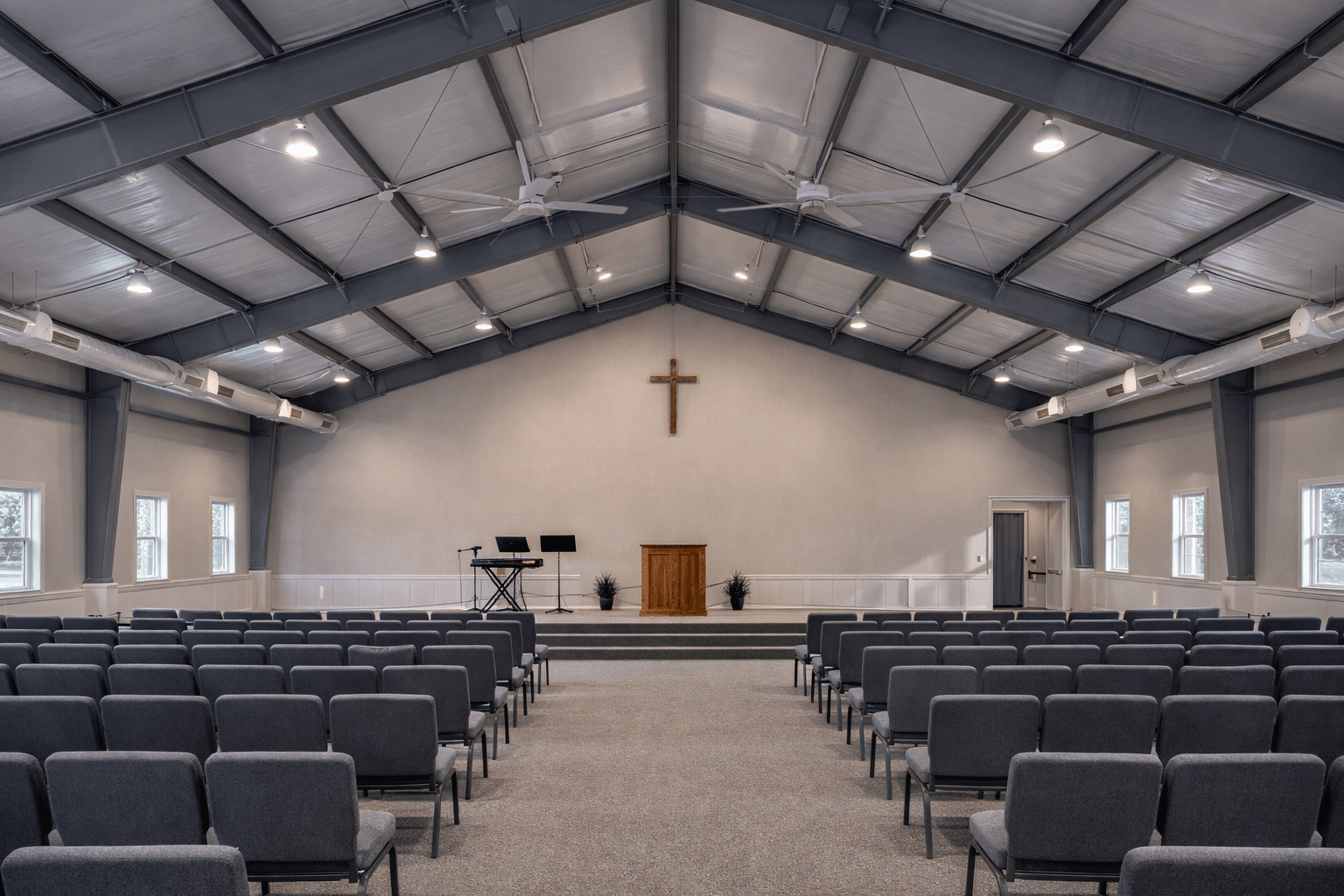
- Clear-Span Interior Space: Clear-span construction is one of the most compelling reasons many congregations choose steel. Open sanctuaries, fellowship halls, gym-style ministry spaces, and youth or activity rooms all benefit when structural columns are not competing with the layout. That flexibility improves seating options, circulation, sightlines, and the overall character of the space.
- Interior Finish and Atmosphere: A common concern among first-time buyers is whether the inside of a metal church building will feel too industrial or unfinished. That concern deserves a direct answer: the structural system does not determine whether an interior feels warm, welcoming, or ministry-ready. Atmosphere comes from finishes, ceiling treatments, wall materials, lighting, acoustics, flooring, and the design choices made once the structural shell is in place. A steel church building can be finished to support a genuinely inviting and beautiful interior environment.
- Acoustics: Acoustics matter in worship spaces, fellowship halls, classrooms, and music environments. Ceiling treatments, insulation, wall finishes, and interior design choices all affect how sound behaves in a space. This should be part of the planning conversation early, not treated as a detail to figure out after the shell is already designed and committed.
- Insulation and Energy Efficiency: Large church buildings can become expensive to condition year-round if the building envelope is not planned carefully. Roof and wall systems, insulation strategy, cool roofing options, and panel selection all affect thermal performance. Toro’s sustainability work reflects this — steel is fully recyclable, roofing and wall panels are nearly 100% recyclable, and insulated panels combined with cool roof coatings can meaningfully improve energy efficiency over time. For congregations managing long-term utility costs responsibly, that matters.
- Exteriors and Curb Appeal: A modern church building should not feel generic from the street. Entry treatments, rooflines, canopies, façade accents, stone or masonry elements, windows, color packages, and signage all shape the campus’s visual identity. A steel building system does not prevent strong, distinctive church architecture. It simply provides a different structural path to achieve it.
Prefab Church Buildings vs. Traditional Construction
Church leaders often weigh a prefab steel building against conventional stick-built or masonry-heavy construction. That is the right comparison to make, and it deserves an honest answer.
Traditional construction makes sense in certain cases, particularly where a very specific architectural style is the top priority. But many congregations are looking for something different: a building that is durable, cost-effective, faster to enclose, easier to phase, and practical to maintain over time.
That is where prefab steel church buildings offer genuine value. A pre-engineered steel church system can help provide:
- A more predictable construction process with less field variability
- More efficient major-component fabrication
- Wide open-span opportunities without interior columns
- Easier planning and execution of future additions
- Durable long-term structural performance
- Lower maintenance exposure over the life of the building
The point is not that every steel church will automatically cost less in every scenario. The point is that steel often provides a stronger long-term value case when durability, flexibility, and growth potential are weighed together.
Common Metal Church Building Sizes
Building Size |
Square Feet |
Common Church Use |
Best Fit For |
Building View |
|---|---|---|---|---|
| 30×40 | 1,200 | Chapel, prayer space, ministry outbuilding | Small congregations, church plants, youth or support space | 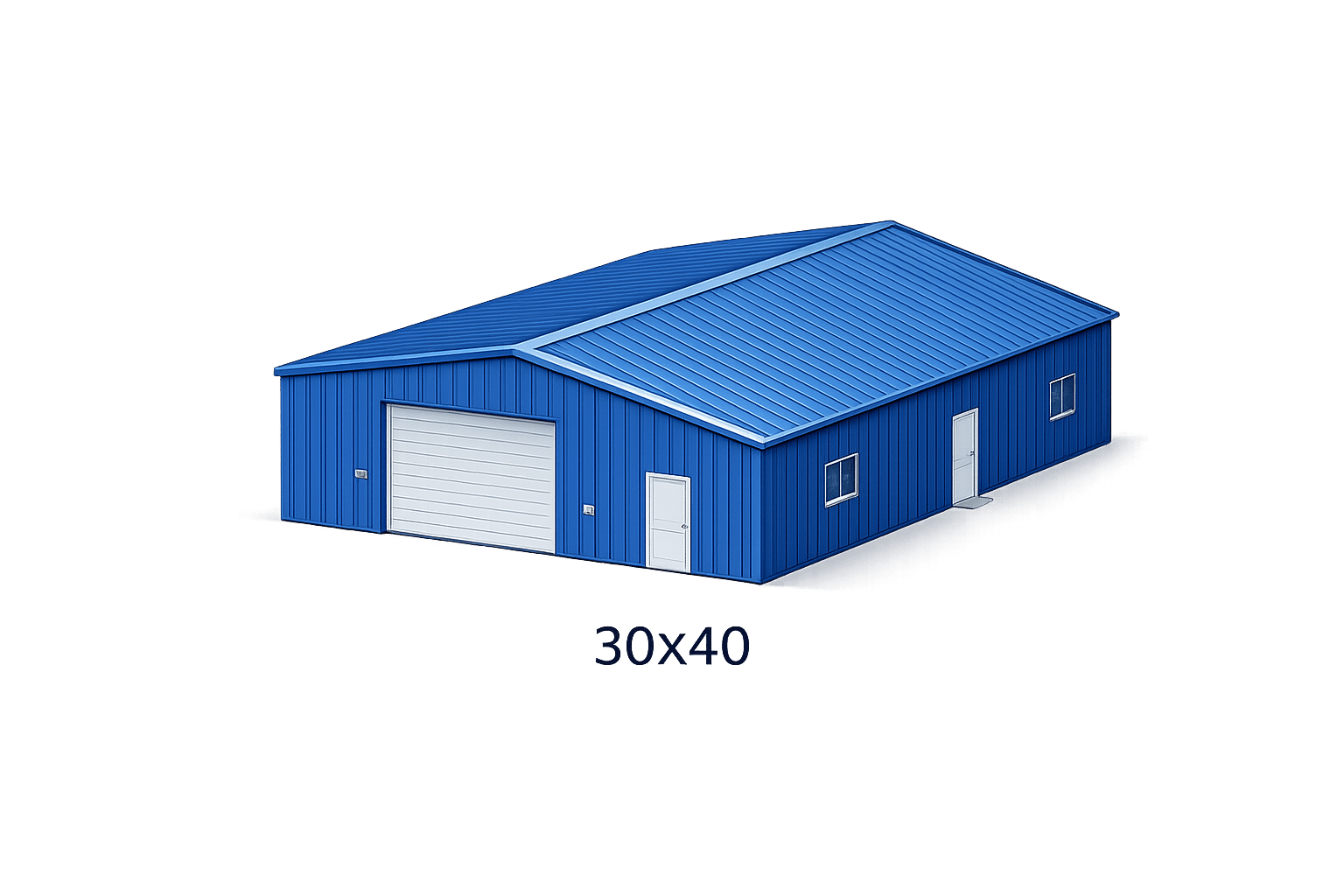 |
| 40×60 | 2,400 | Small sanctuary, fellowship hall, chapel | Church plants, rural ministries, overflow gathering space | 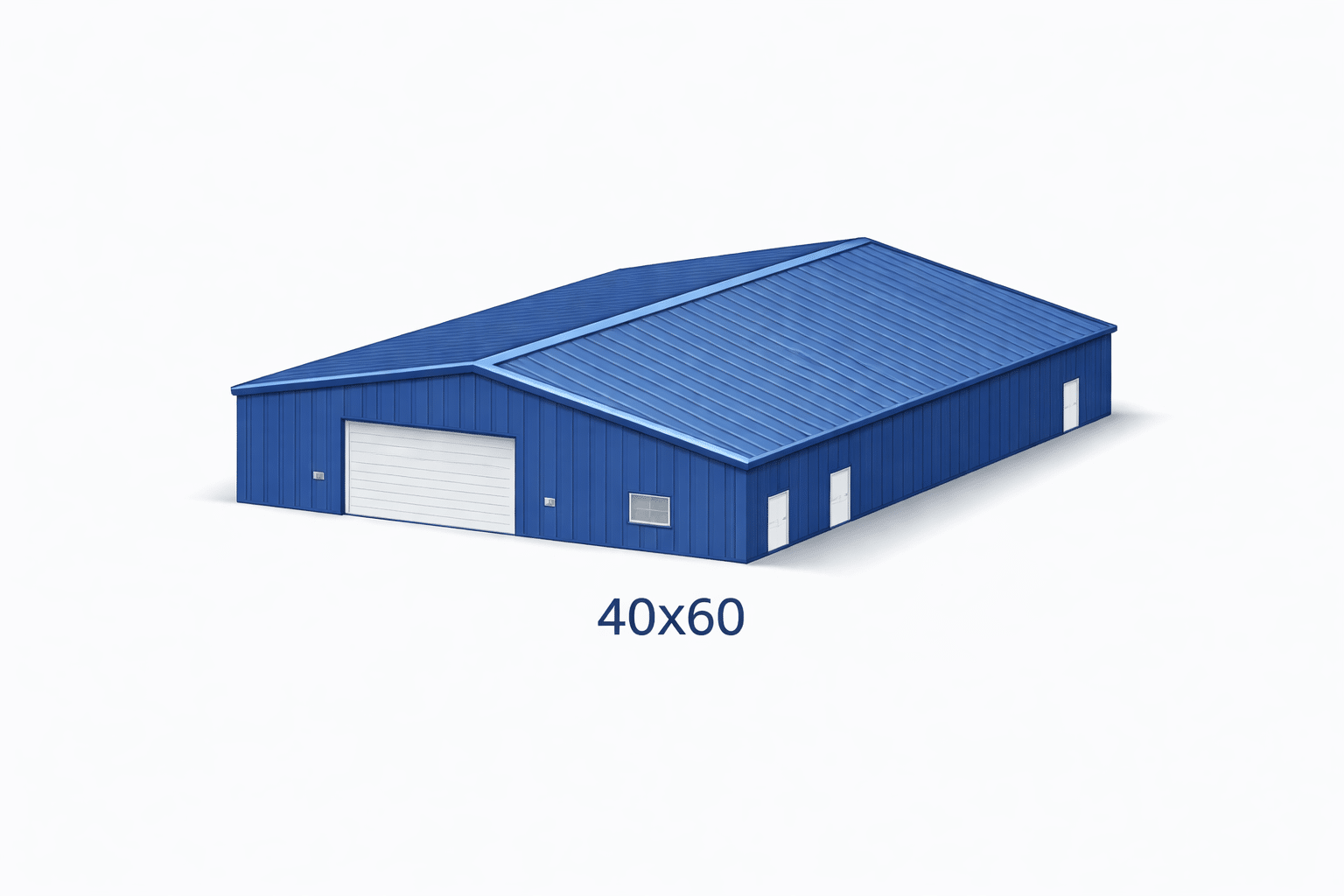 |
| 50×100 | 5,000 | Worship center, fellowship hall, multi-purpose building | Growing congregations needing assembly space with flexibility | 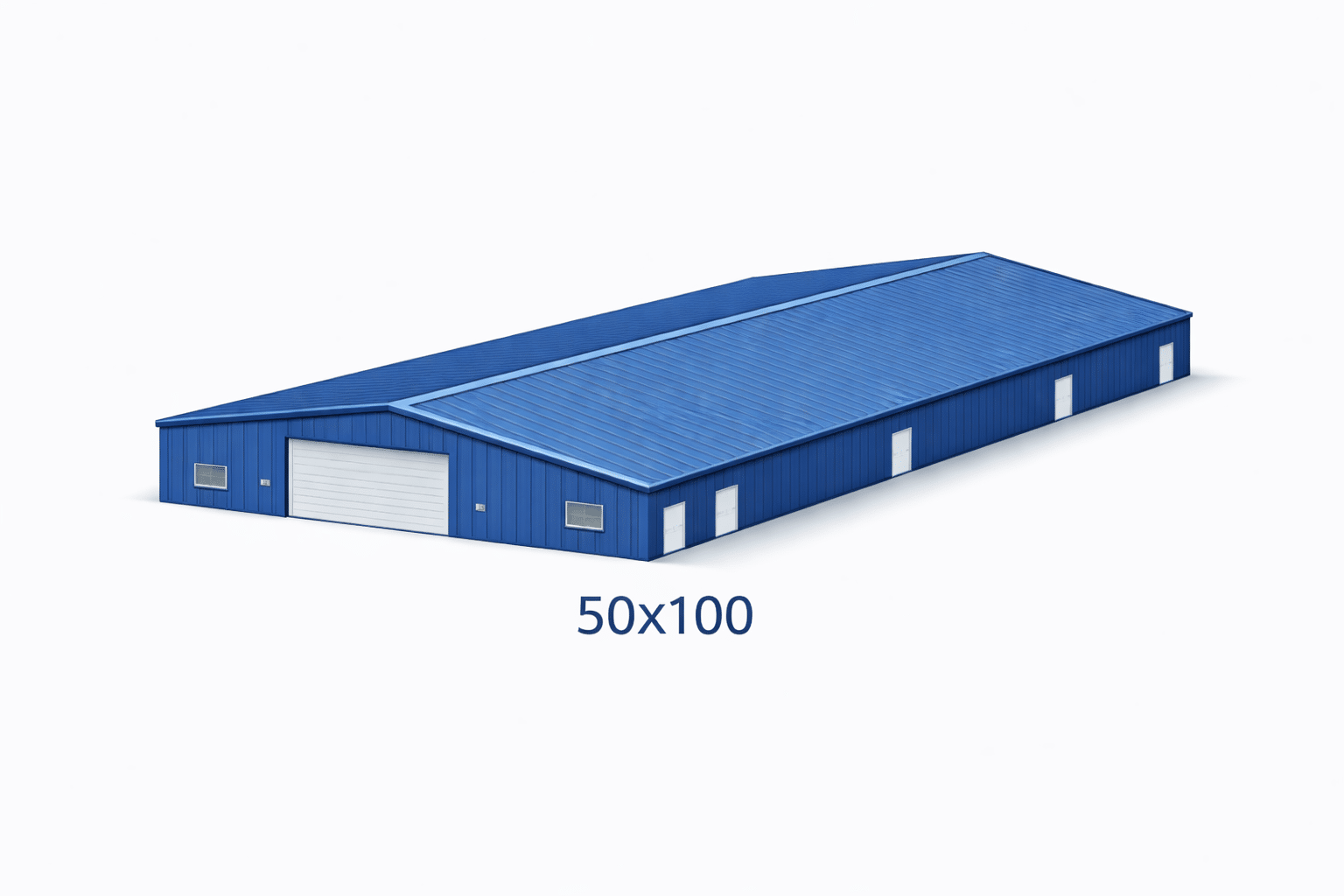 |
| 60×120 | 7,200 | Sanctuary with support rooms, classrooms, nursery | Churches needing worship space plus education or office areas | 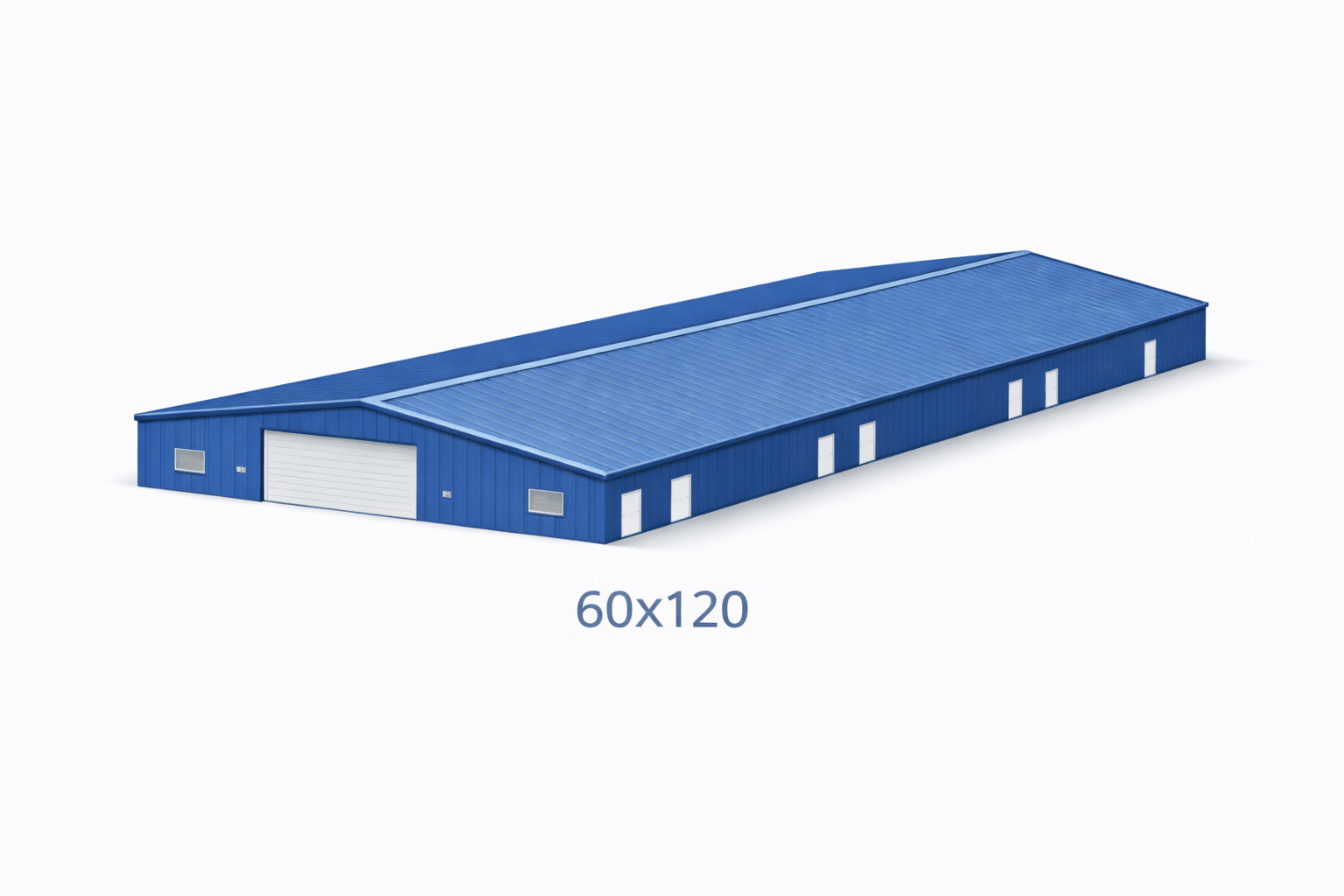 |
| 80×120 | 9,600 | Mid-size worship center, ministry center | Congregations planning for worship, events, and support space | 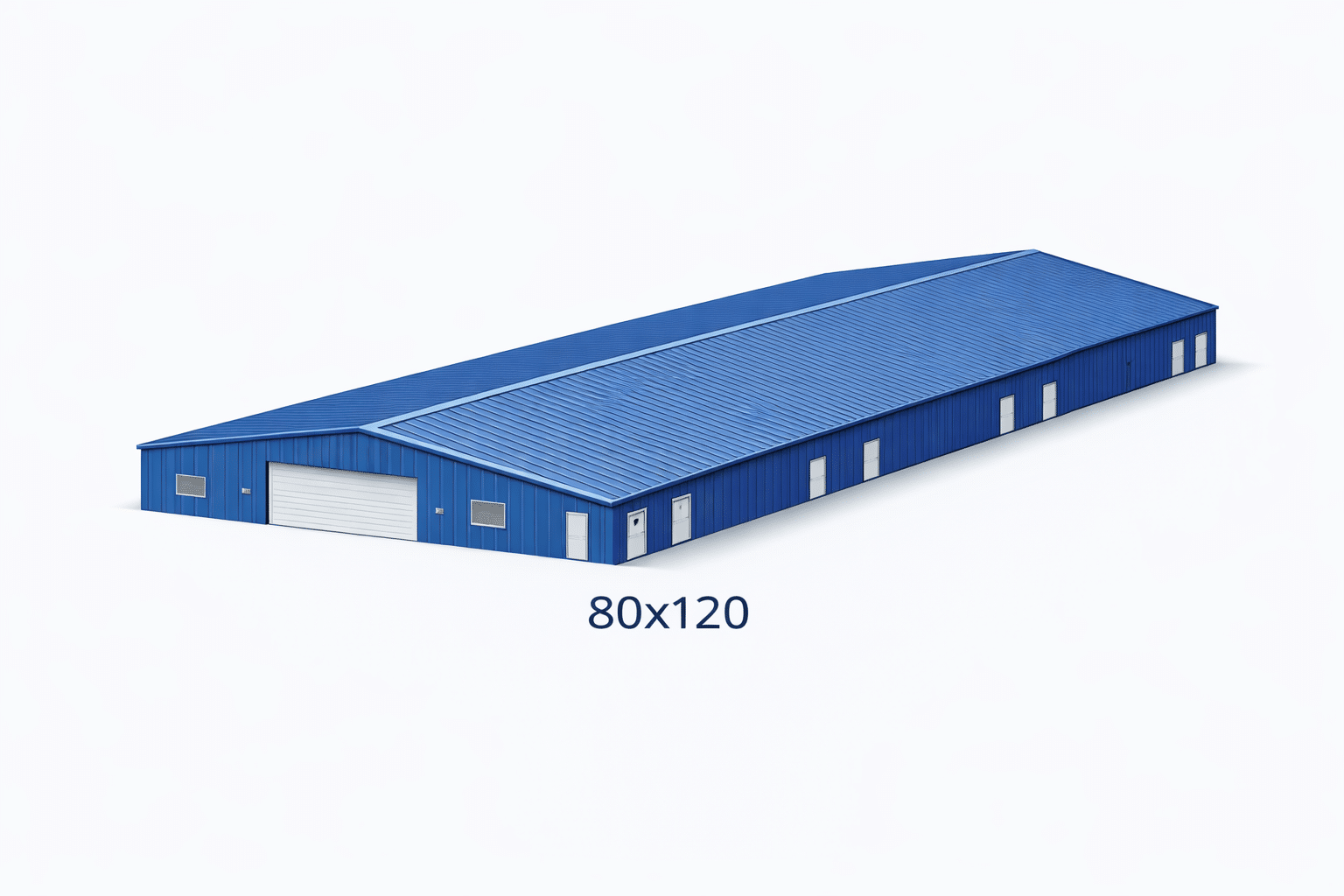 |
| 80×160 | 12,800 | Large sanctuary, fellowship and activity building | Narrower lots, larger congregations, multi-use ministry space | 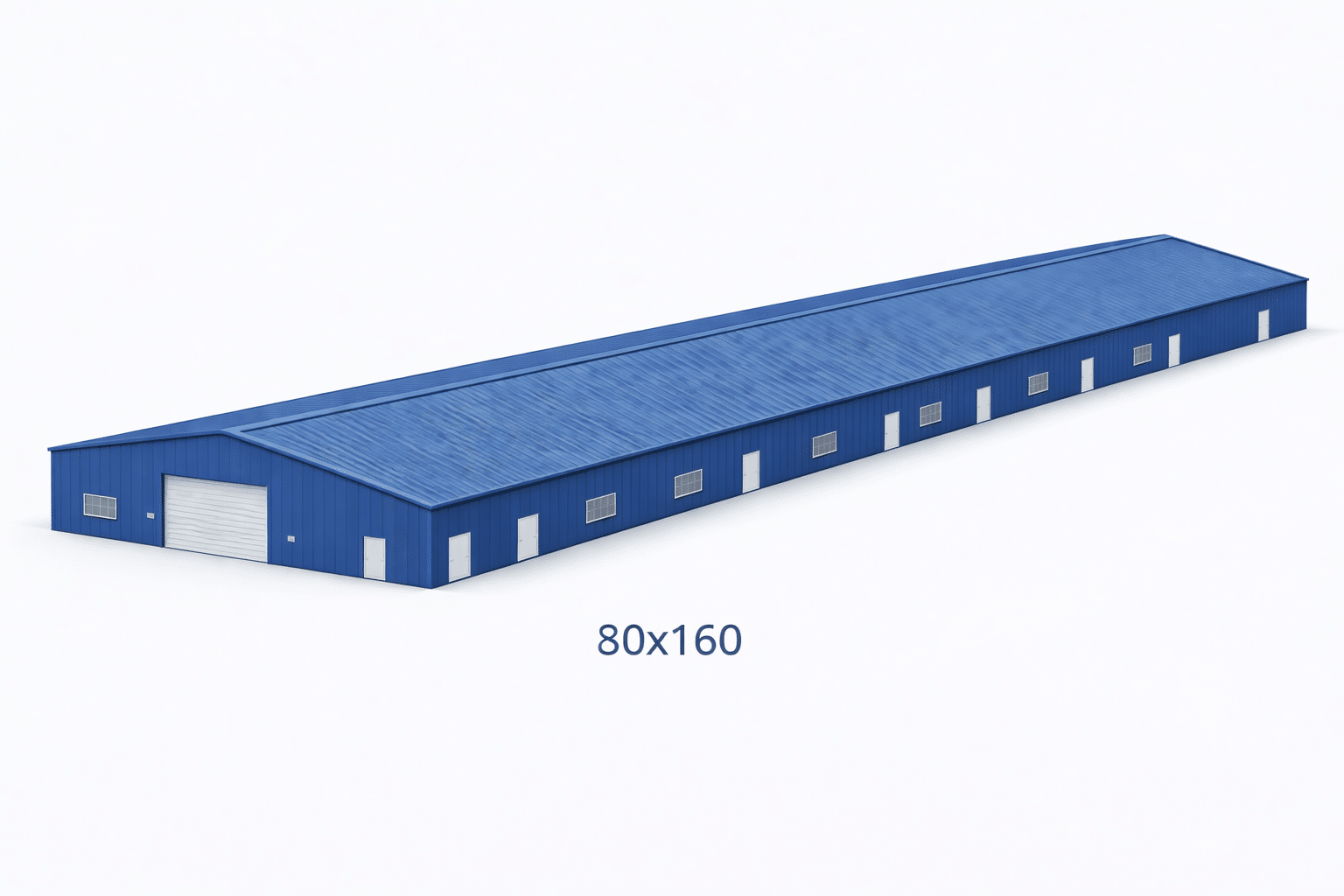 |
| 100×100 | 10,000 | Sanctuary, gym-style activity center, large fellowship building | Churches needing a wide clear-span interior | 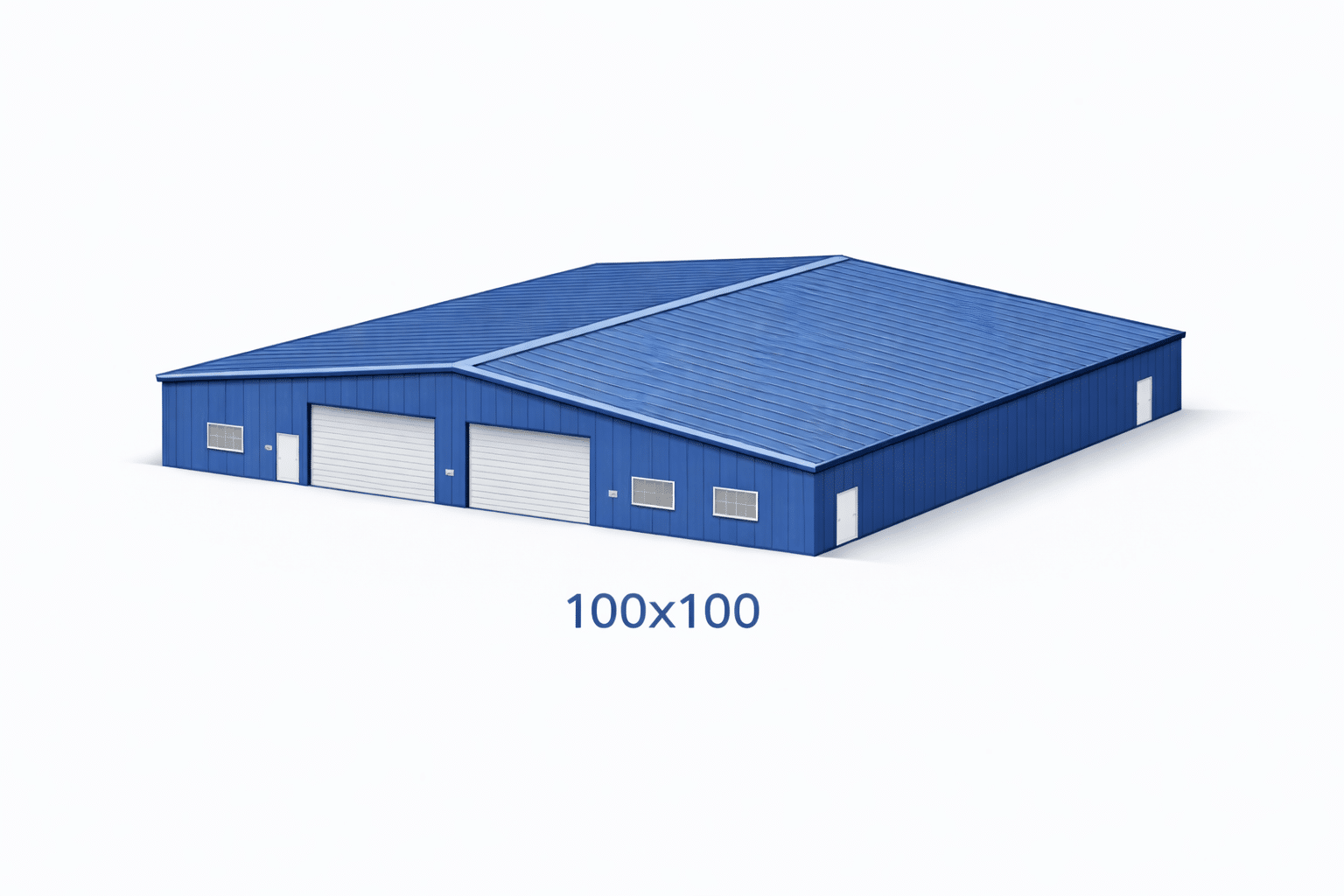 |
| 100×150 | 15,000 | Worship center with classrooms, offices, and fellowship areas | Ministries planning for phased growth or campus-style use | 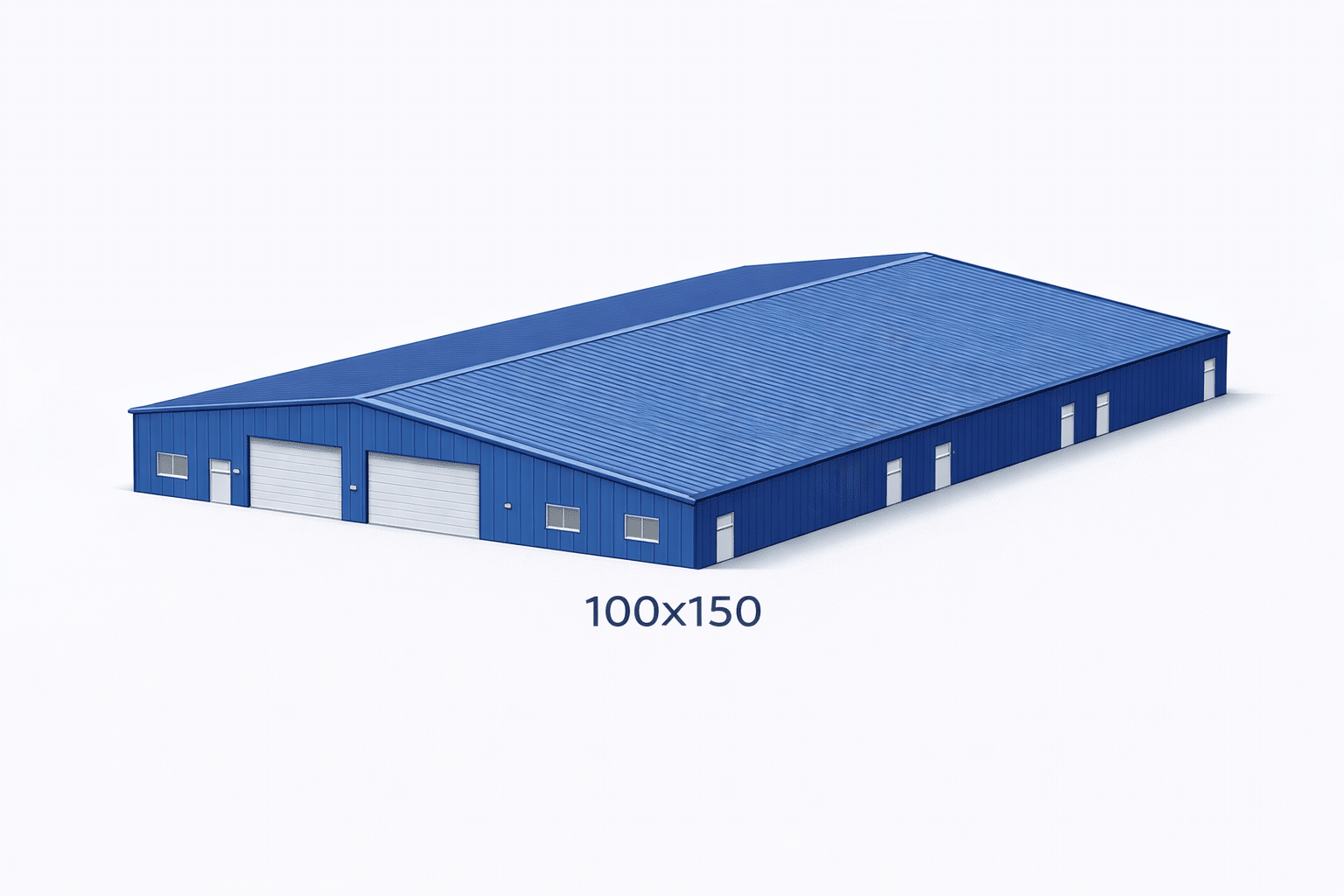 |
| 100×200 | 20,000 | Large church campus building, major sanctuary, youth/activity center | Larger congregations, multi-building campuses, major assembly use | 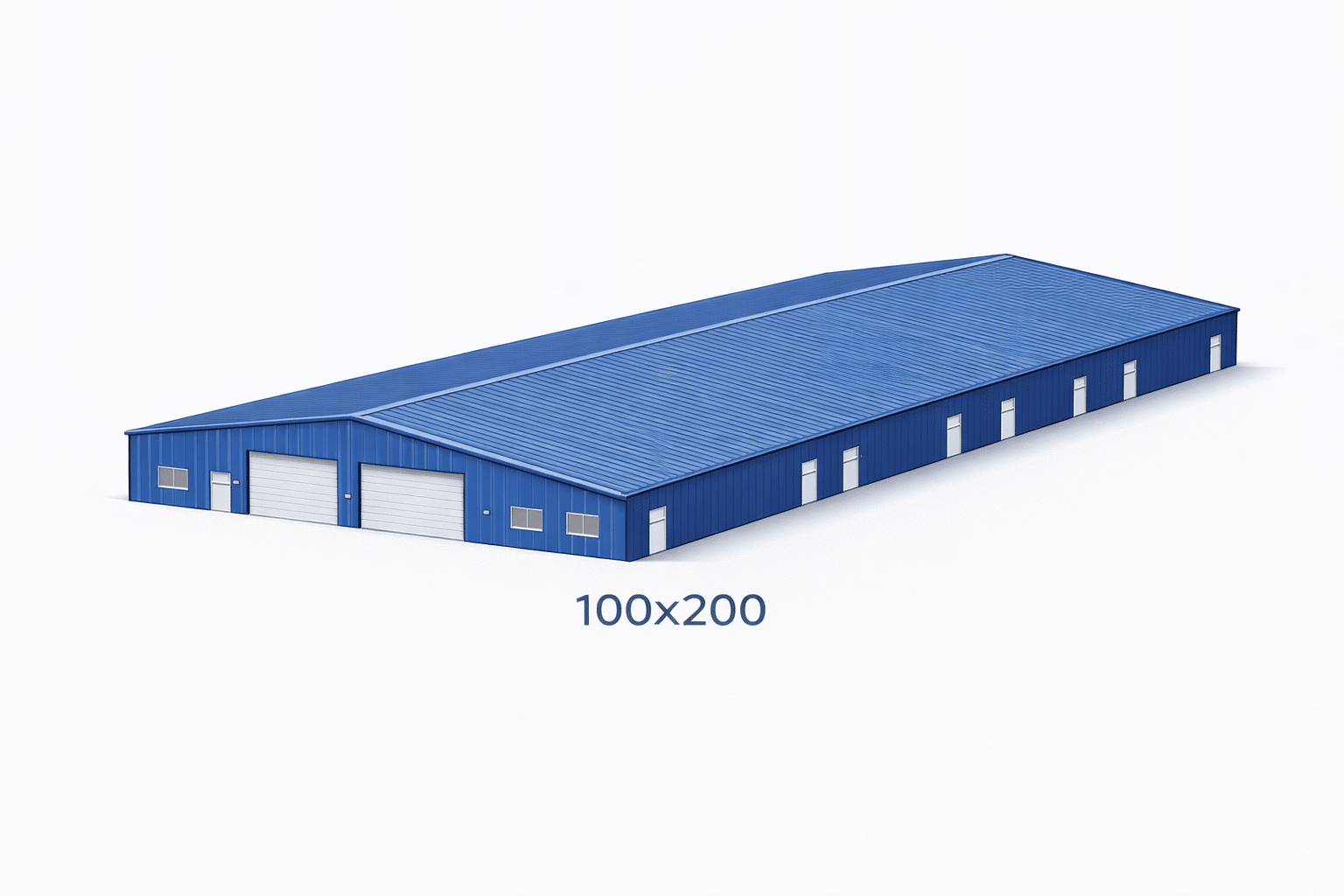 |
At Toro Steel Buildings, we do not treat church size as a one-size-fits-all decision. The right dimensions depend on how the sanctuary, fellowship areas, classrooms, offices, and support spaces will actually function. That is why we help churches choose a building size based on real ministry needs, not just a generic footprint.
Steel Building Systems for Church Projects
Not every church project should use the same structural system, which is why Toro offers multiple options based on the building’s actual ministry use, size, and performance demands. Straight wall steel buildings are often the most versatile choice for church use and include both red iron and cold-formed systems. For sanctuaries, fellowship halls, classrooms, and multi-use church facilities, straight wall buildings typically offer the most practical layout flexibility and interior usability. Within that category, red iron steel buildings are often the better fit for larger worship centers, gym-style activity buildings, and wider-span structures that require greater structural capacity. In contrast, cold formed steel buildings can work well for smaller churches, ministry additions, offices, youth buildings, and other projects where efficiency, customization, and cost control matter. Arch steel buildings are generally better suited for utility-focused ministry buildings, covered support space, storage, and other secondary applications
How Much Does a Metal Church Building Cost?
Cost depends on the actual building being planned. For a church, the most significant pricing drivers typically include:
- Overall dimensions and span
- Sanctuary use versus multipurpose use
- Classrooms, offices, nursery, or support-space requirements
- Number and size of framed openings
- Roof style and enclosure strategy
- Insulation and interior finish expectations
- Stage, platform, and acoustical priorities
- Delivery location
- Code and permit-driven engineering requirements
- Phased growth or future expansion planning
Toro’s True Pricing approach exists for exactly this reason. Generic base prices can be misleading because the real cost depends on the building location, wind, snow, and seismic requirements, intended use, openings, accessories, and delivery conditions. A church committee needs pricing based on the actual ministry building being planned, not a low teaser number for a bare shell that leaves out the variables that actually drive the budget.
There is no meaningful price for a metal church building without understanding its size, layout, use, and engineering requirements. The most accurate answer always comes from a project-specific quote tailored to the actual building.
Trust, Warranty, and Long-Term Value
For church committees, trust is a major factor in decision-making. A church building is not just another purchase. It is a long-term investment that often involves careful planning, donor stewardship, and a strong need for confidence in both the building and the company behind it.
At Toro Steel Buildings, that confidence is backed by experience and scale. We have been in business for more than 40 years, served more than 85,000 customers, and support projects through 30 manufacturing units across North America. Just as important, we stay directly involved from design through delivery, giving churches a clearer path from planning to completion.
Warranty coverage is also an important part of long-term value. Our straight wall buildings include a 1-year limited warranty against failures caused by faulty or substandard materials, along with paint warranties ranging from 25 to 40 years, depending on the selected panel and finish. Our arch steel buildings include a 50-year limited warranty (depending on the selected model) against rust perforation, a 60-day warranty for delivery shortages and material or fabrication defects, and a 30-year limited warranty against snow and wind damage, subject to the applicable terms and exclusions. For churches planning a building that needs to serve well for years to come, that level of published warranty coverage helps reinforce confidence in the investment.
Ready to move forward? Our team is here to help you review options, answer questions, and provide a quote based on your church’s specific building needs.