


Steel Buildings Mississippi
Pre-Engineered with Precision for Mississippi
Why Choose Toro Metal Buildings in Mississippi
The Magnolia State, Mississippi, is no stranger to extreme weather conditions. From strong storms with high winds and lightning strikes to damaging pests like termites, both residential and commercial buildings face many challenges. Our prefab steel buildings in Mississippi have the strength, resilience, and durability to withstand whatever Mother Nature throws at them.
Mississippi is an agricultural state, accounting for approximately 17.4% of the state’s workforce. Other industries that have grown from agriculture include meatpacking and food processing. Oil and gas are also growing industries, driven by recent advances in extraction technology. Our pre-engineered metal buildings are designed to meet the unique needs of these industries across the state.
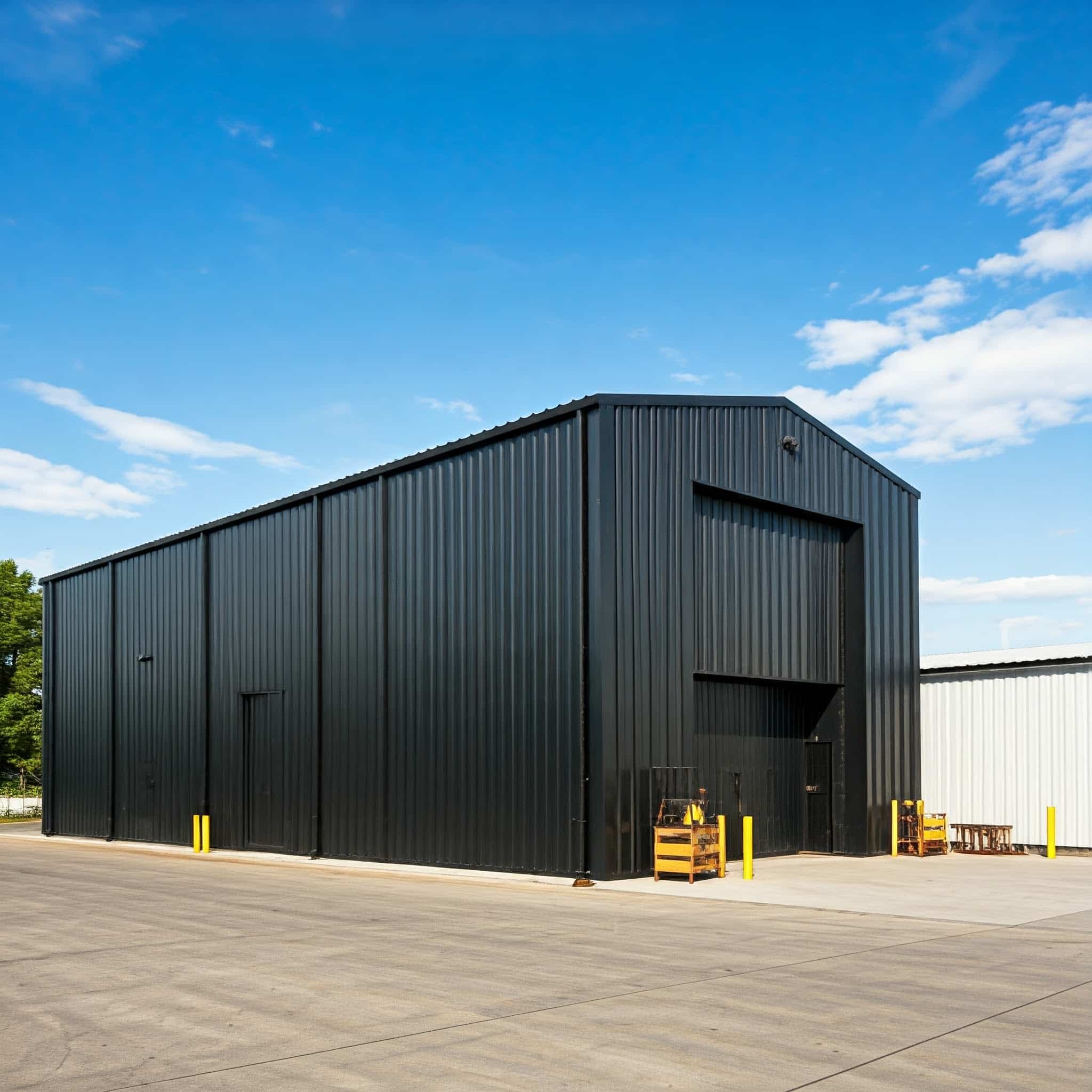
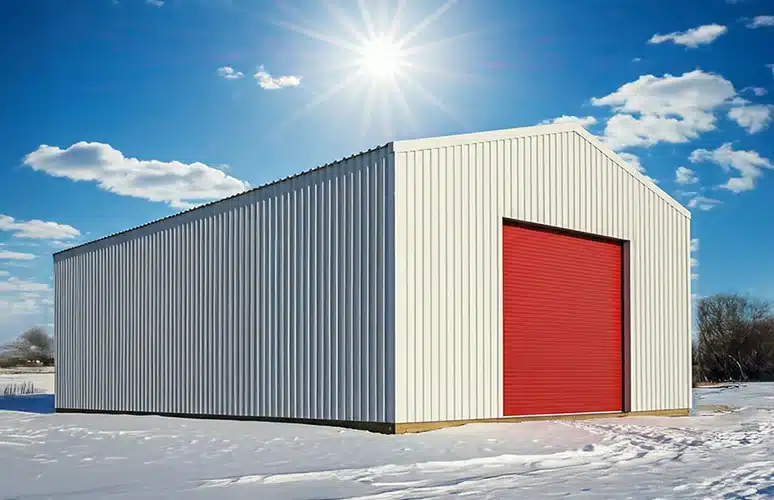
Prefab Metal & Steel Buildings in Mississippi
Our metal buildings are available in a variety of designs to meet a wide selection of needs. Some of the structures we can provide residents of the state include:
Metal Buildings Built Around Mississippi’s Structural Demands
At Toro Steel Buildings, we understand that Mississippi projects require more than basic product selection. Buildings in this state often need to be designed around wind exposure, moisture management, storm-related forces, occupancy demands, and permit review requirements. Structural design must reflect the actual project site, not just a broad statewide assumption.
Our steel buildings are engineered as complete load-resisting systems. Primary framing, purlins, girts, roof and wall panels, bracing, anchors, and foundation coordination all work together to transfer gravity, lateral, and uplift forces safely through the structure. This system-level approach is especially important in Mississippi, where storm exposure and moisture are major long-term considerations.

Wind and Storm Resistance
Wind design is about more than wall pressure. Roof uplift, anchorage, diaphragm action, bracing, and connection strength all affect how a building responds to storm forces. For Mississippi projects, especially in more exposed or storm-prone areas, these design considerations can significantly affect both structural performance and total project scope. Mississippi law also specifically addresses nationally recognized wind and flood mitigation requirements in certain counties.

Moisture, Fire & Building Envelope
Mississippi buildings often face high humidity, frequent rainfall, fire risk, and long, hot seasons. That makes envelope performance a major part of long-term durability. Insulation strategy, ventilation, condensation control, drainage, roof and wall detailing, and protective finishes all influence how the building performs over time.

Pest and Material Durability
Mississippi’s warm, humid climate supports termites and other pests that can damage conventional wood structures. Ongoing moisture exposure can also contribute to rot and material deterioration over time. Steel does not provide a food source for termites and is not vulnerable to rot, which is one reason it is a practical long-term choice in the state.

Building Code and Permit
Mississippi counties and municipalities participate in the uniform building code framework unless they opted out, and permitting or enforcement can still vary locally. Mississippi projects should be evaluated based on actual permit path, local review practice, and building use. A metal building quote is more accurate when these requirements are addressed up front rather than left until late in the process.
Steel Building Systems Available in Mississippi
Not every project should use the same structural system. The right option depends on span requirements, building use, loading demands, layout needs, and long-term performance goals.
Straight Wall Buildings
Straight wall buildings use vertical sidewalls and conventional framing to create efficient interior layouts and highly usable space. This category includes both red iron and cold-formed systems, giving buyers flexibility based on project size and budget.
- Red Iron Steel Buildings: Red iron steel buildings use hot-rolled structural steel I-beams and rigid-frame construction. These are commonly selected for larger agricultural, commercial, and industrial buildings where wide, clear spans, taller sidewalls, and heavier structural demands are expected.
- Cold-Formed Steel Buildings: Cold-formed steel buildings use lighter-gauge roll-formed steel components. They are often well-suited for garages, workshops, storage buildings, and smaller commercial applications where cost efficiency and structural reliability need to be balanced carefully.
Arch Steel Buildings
Arch steel buildings use a self-supporting curved configuration that reduces the need for conventional framing members. These buildings are useful for agricultural storage, equipment protection, and other applications where durable covered space is the primary need.
Benefits of TORO Steel Buildings in Mississippi
What to Look for in Steel Building Manufacturers in Mississippi
When buyers search for steel building manufacturers in Mississippi, they should look beyond product galleries and low-price claims. The right supplier should be able to explain engineering, code coordination, system fit, customization options, and how the building is matched to the site.
- Engineering Expertise: A quality supplier should explain how the building is engineered for wind, moisture exposure, framed openings, use case, and site-specific demands.
- Code Awareness: A strong supplier should understand how Mississippi’s uniform building code framework and local enforcement practices affect permitting and final design.
- System Fit: Not every project should use the same system. Some are better suited to red-iron rigid-frame construction, while others are better suited to cold-formed or arch-style buildings.
- Customization Capability: A good supplier should be able to support custom widths, lengths, wall heights, openings, trim, accessories, ventilation details, and layout requirements.
- Pricing & Warranty: A strong supplier should offer transparent, project-specific pricing based on actual building requirements rather than vague starting numbers. Buyers should also carefully review warranty coverage, as terms can vary by building system, materials, finishes, and the type of protection included.
Key Factors That Influence the Cost of Metal Buildings in Mississippi
The cost of metal buildings, Mississippi buyers compare, depends on far more than square footage. Final pricing is shaped by engineering demands, building configuration, local requirements, and site-specific conditions.
Important variables include:
- Building dimensions and clear-span requirements
- Wind and uplift design criteria
- Moisture-management and envelope requirements
- Framed openings and door packages
- Building system selection
- Insulation and ventilation choices
- Occupancy and permit requirements
- Delivery distance and site accessibility
- Intended use and future expansion needs
That is why project-specific pricing is more accurate than generalized statewide “starting prices.” For many Mississippi projects, final cost is driven just as much by structural design, openings, and site demands as by building size.
Steel Building Delivery Across Mississippi
Toro Steel Buildings supplies engineered metal building systems throughout Mississippi, supporting agricultural, suburban, commercial, and industrial projects across the state. Delivery planning matters because location, site access, sequencing, and project type all affect how efficiently the building package reaches the jobsite and moves into installation.
We regularly support projects in markets such as:
- Jackson
- Hattiesburg
- Gulfport
- Biloxi
- Southaven
- Tupelo
- Meridian
- Olive Branch
- Starkville
- Oxford
- Greenville
- Pascagoula
If your city is not listed, we can still supply steel buildings anywhere in Mississippi.
Protect Your Home or Business with Toro Steel Buildings in Mississippi
Toro has built a solid reputation as one of the leading providers of prefab steel buildings in Mississippi, offering cutting-edge building solutions for residential, commercial, and industrial applications. Our attention to detail, customer-centric approach, and true pricing model help us stand out not only as a metal building manufacturer but also as a building partner you can rely on.
Do you need a custom metal building? Request a free quote below today or talk to us about your project. Our team is ready to help you find a building designed for Mississippi.