


Metal Buildings Michigan
Engineered Steel and Metal Building Systems in Michigan
Custom Steel Structures Built for Michigan
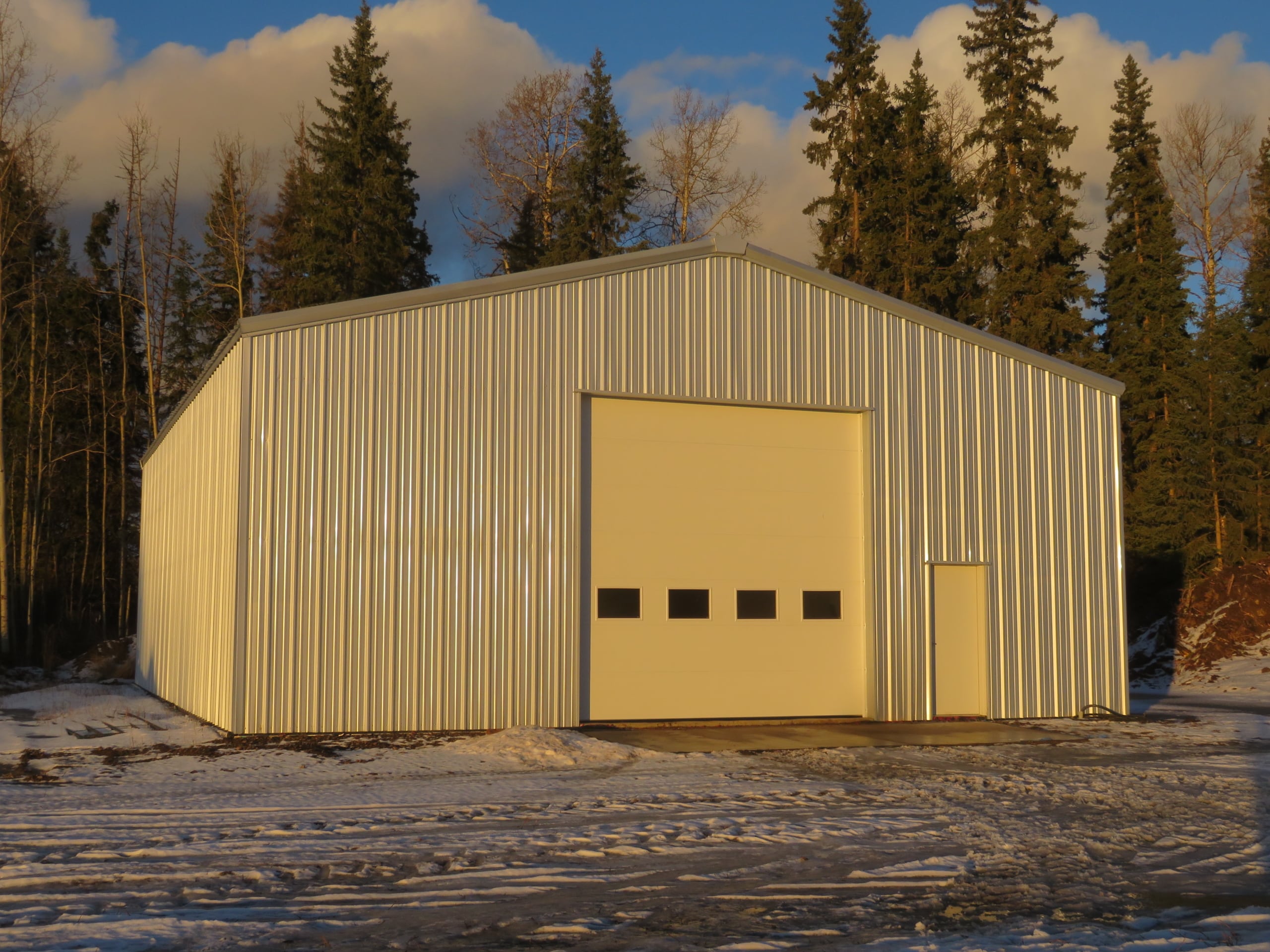
Toro Steel Buildings supplies engineered metal buildings in Michigan for residential, agricultural, commercial, and industrial use. Whether you need a garage, barn, workshop, warehouse, or custom facility, our steel building systems are tailored to your site, intended use, and project requirements.
Steel buildings also bring important advantages beyond strength alone. They offer design flexibility, efficient construction, and lower long-term maintenance costs for residential, agricultural, commercial, and industrial projects across Michigan, making steel a practical option for buyers who want long-term value and performance.
Pre-engineered steel systems also provide faster installation, design flexibility, and long-term value. For buyers looking for steel buildings in Michigan, Toro delivers building solutions designed to perform for years to come.
Why Choose Toro for Steel Buildings in Michigan?
Michigan’s climate places real demands on any structure. Snow loads, freeze-thaw cycles, moisture exposure, and seasonal temperature swings can all affect long-term building performance. That is why many property owners choose Toro Steel Buildings. When properly engineered for the project location, our steel buildings offer the strength and stability needed to perform reliably in challenging conditions.
Unlike many traditional materials, steel does not warp, rot, or attract pests. It also delivers strong structural performance for garages, barns, workshops, warehouses, and other buildings that need to remain functional year after year. For many Michigan projects, Toro steel buildings are a practical choice when durability and long-term reliability matter.
Steel buildings also offer advantages in construction efficiency and design flexibility. Our pre-engineered systems can be customized for a wide range of residential, agricultural, commercial, and industrial uses while helping reduce long-term maintenance demands. For Michigan buyers seeking a building that balances performance, customization, and value, Toro remains a trusted manufacturer.
Why Metal Buildings Perform Well in Michigan
Michigan projects can face very different design demands depending on the location, building type, and local requirements. In some areas, snow accumulation is a major factor, while in others, wind exposure, frost depth, temperature swings, or occupancy-related code considerations are more significant. That is why metal buildings work so well in Michigan; they can be engineered to match the actual site and intended use.
A properly designed steel building can accommodate clear spans, tall wall heights, large openings, future expansion, and different insulation or enclosure needs. This makes steel a practical solution for everything from small storage buildings to large commercial and industrial facilities.
Michigan also follows a site-specific code approach. Local jurisdictions enforce Michigan-adopted building codes for permitting and review, and design criteria such as snow, wind, and frost can vary by location.
What Sets Toro Apart Among Metal Building Manufacturers in Michigan
Choosing a building supplier should involve more than comparing the lowest advertised price. The right partner should understand how design criteria, loading, occupancy, layout, and future use affect the total value of the building system.
Toro Steel Buildings provides:
- Engineered steel building systems tailored to project location and application.
- Flexible options for residential, agricultural, commercial, and industrial use.
- Clear-span designs for open and efficient interior space.
- Custom dimensions, framed openings, trim, colors, and accessory packages.
- Support for site-specific loads and permit-driven requirements.
- Durable materials designed for long-term performance.
- Transparent, project-specific pricing.
- Warranty coverage that varies by building system and selected materials.
- Knowledgeable support through planning and ordering.
- Delivery across Michigan for urban, suburban, agricultural, and rural projects.
We focus on practical building fit. Instead of pushing the same template onto every buyer, we help identify the right solution based on site conditions, dimensions, design loads, budget priorities, and intended use. That matters if you are comparing steel building manufacturers in Michigan and trying to separate true engineered value from generic “for sale” language.
Our Steel Building Kits & Options in Michigan
Agricultural Buildings
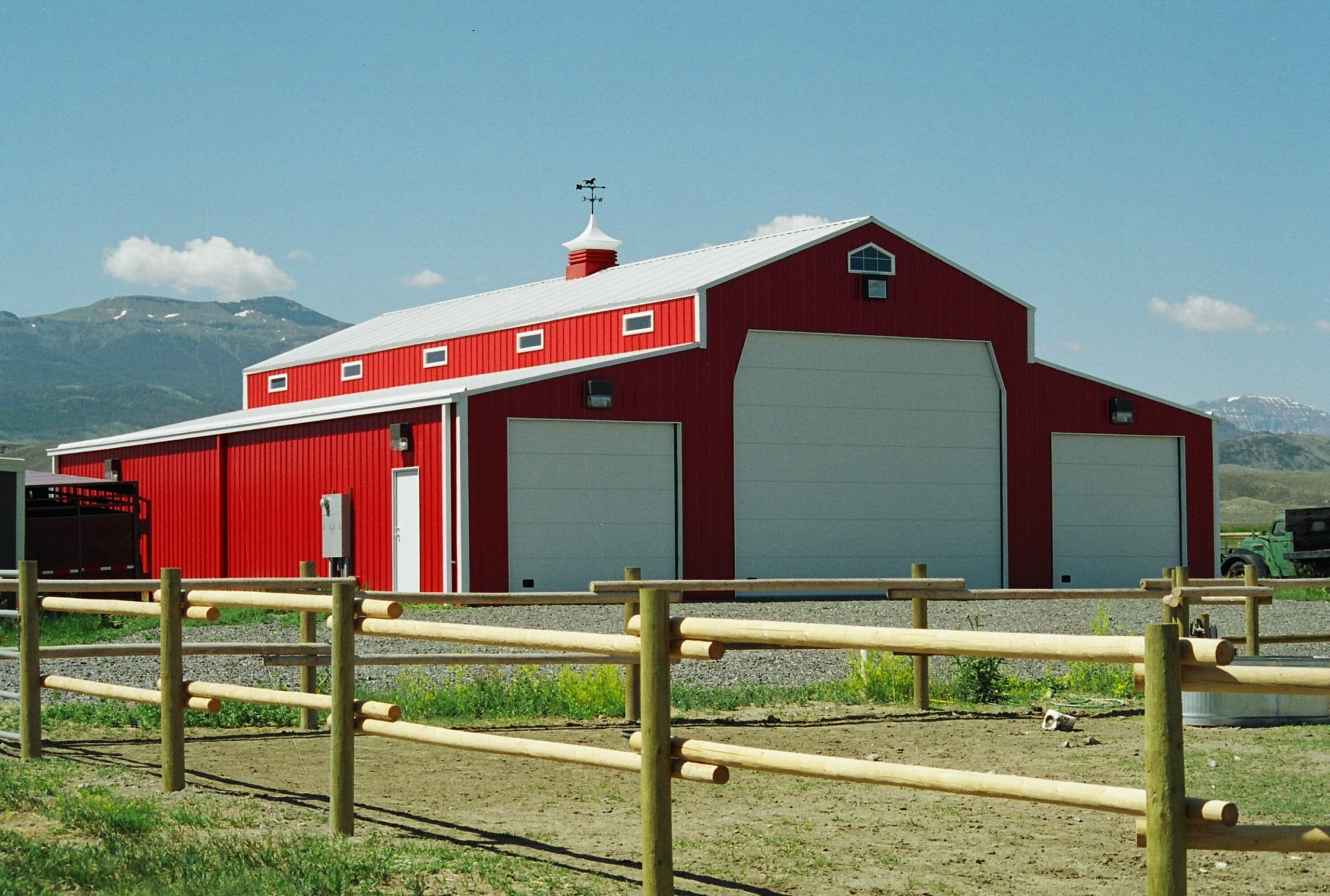
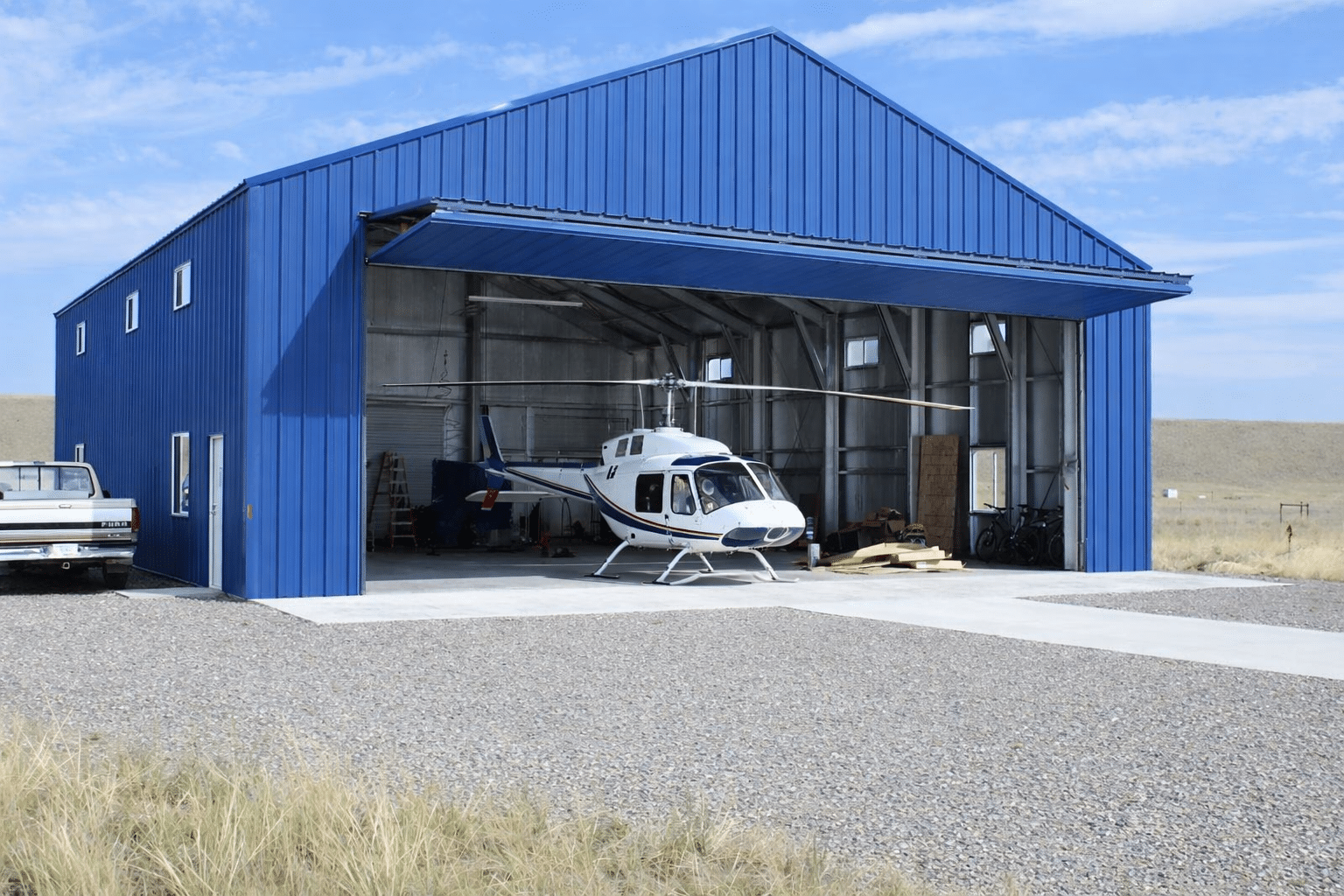
Agricultural steel buildings are widely used for equipment storage, hay and feed storage, livestock shelter, utility space, and daily farm operations. Their flexible layouts make them suitable for both small rural properties and larger agricultural operations. They are especially useful where durability, low maintenance, and wide functional space are important.
Carports
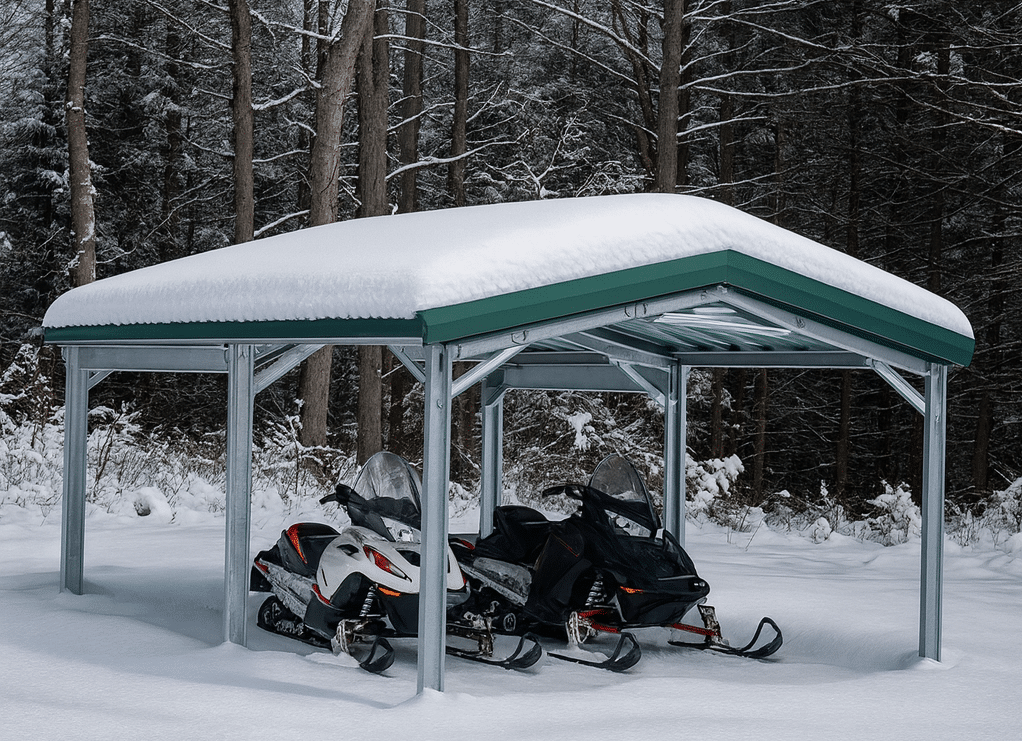
Metal carports provide practical overhead protection for cars, trucks, RVs, trailers, farm equipment, and other valuable assets. They are a cost-effective option for buyers who need weather coverage without a fully enclosed structure. In Michigan, carports are especially useful for protecting vehicles and equipment from snow, ice, and seasonal exposure.
Commercial & Industrial Buildings
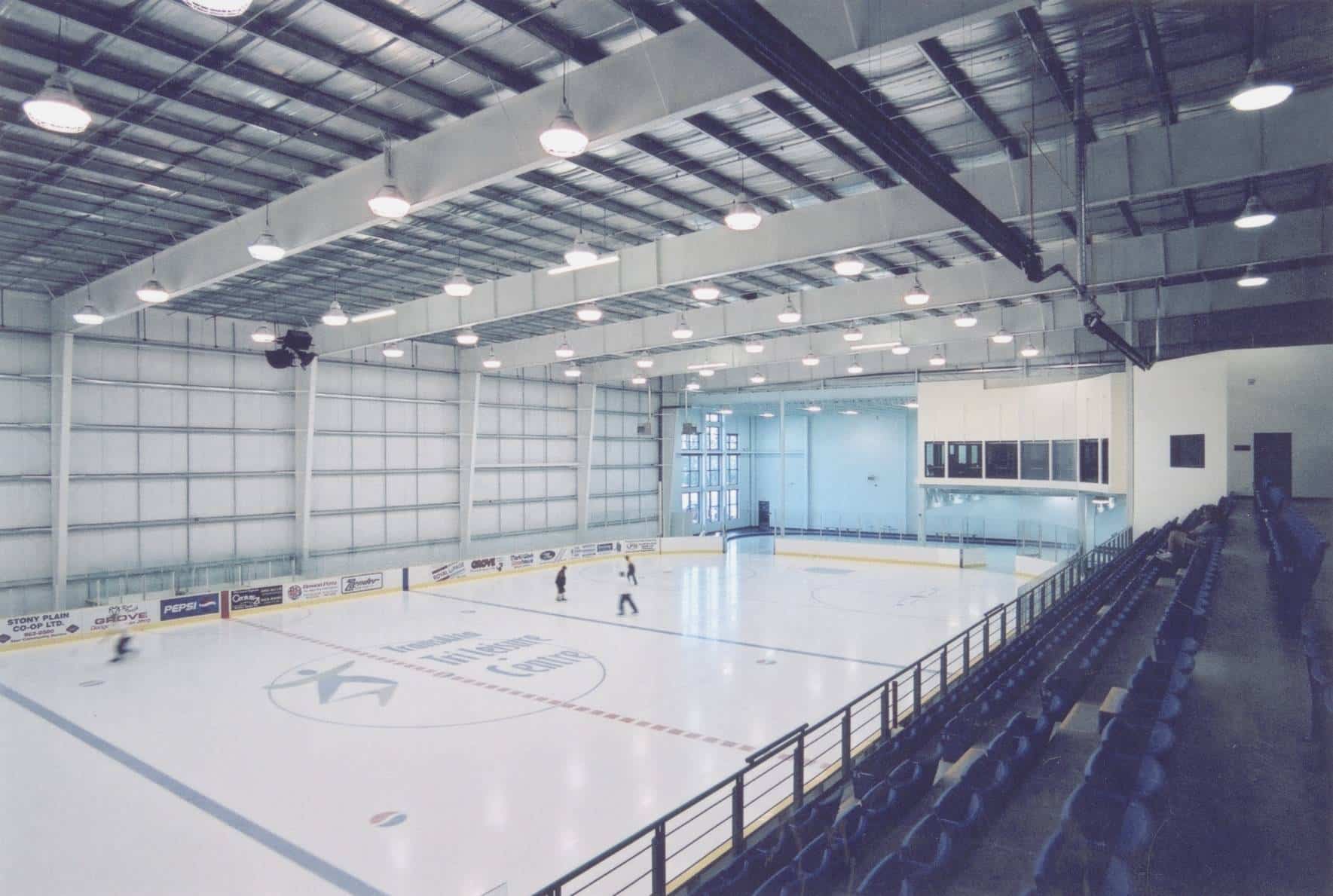
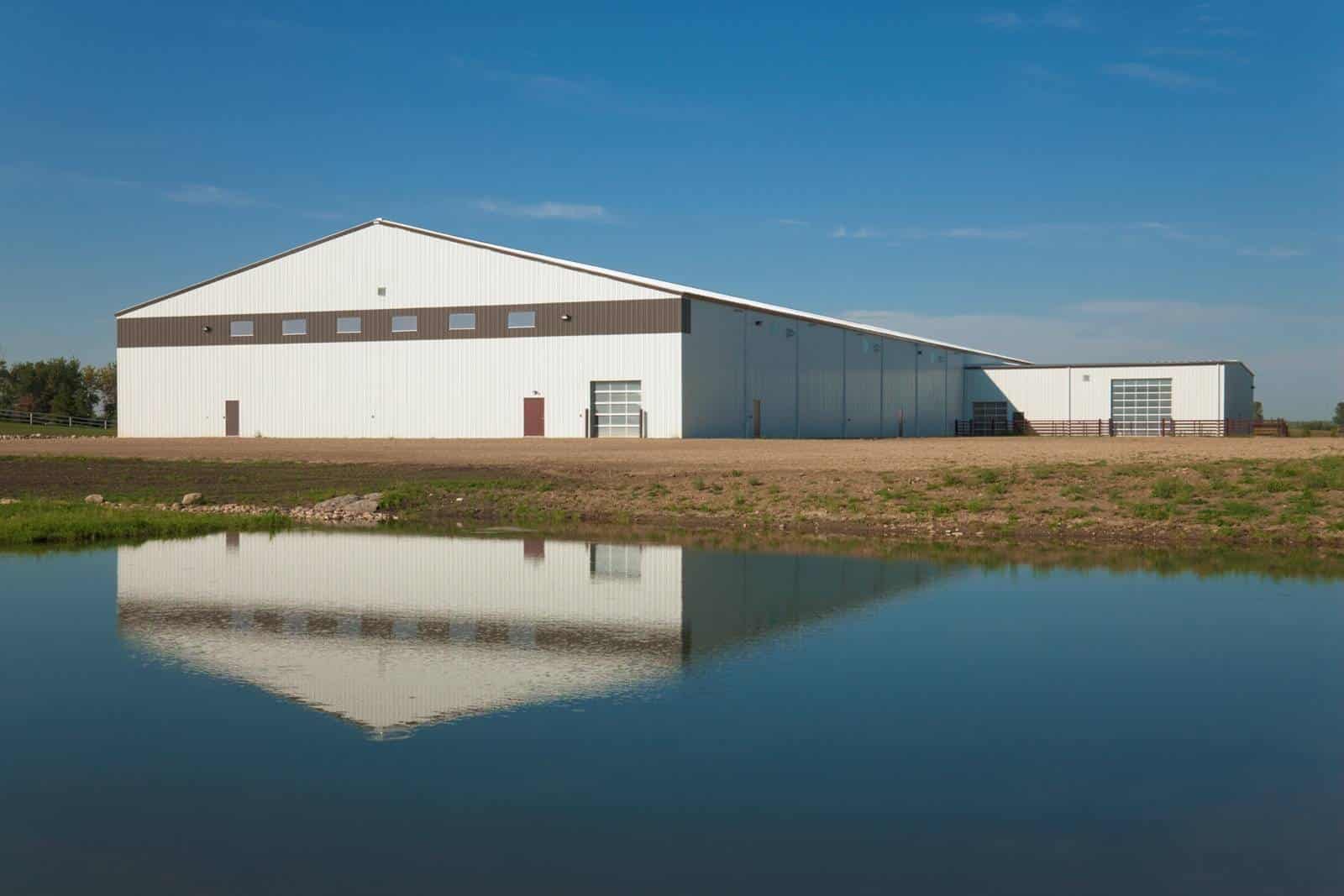
Commercial and industrial steel buildings support offices, retail support space, service facilities, warehouses, contractor shops, logistics operations, and manufacturing-related uses. Their clear-span interiors, customizable openings, and efficient layouts make them ideal for operations that need usable space without interior obstructions.
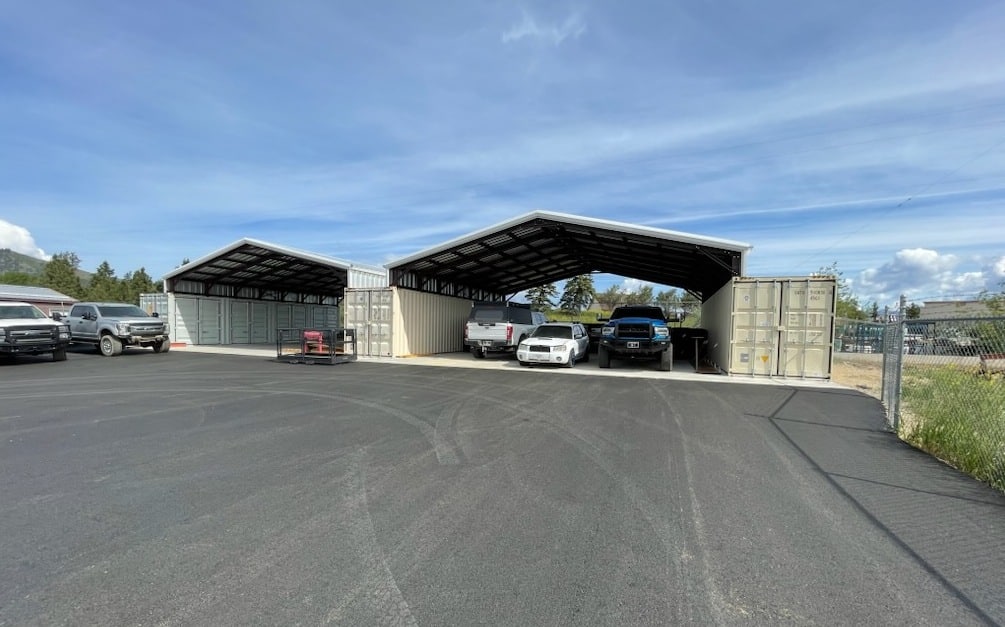
Container Covers
Container covers create an efficient, protected space for equipment, materials, storage, and work areas by using shipping containers as the base support system. They are commonly used on farms, industrial sites, construction yards, and storage properties where quick installation and practical coverage are important. Their flexible layout options make them a useful solution for a variety of Michigan applications.
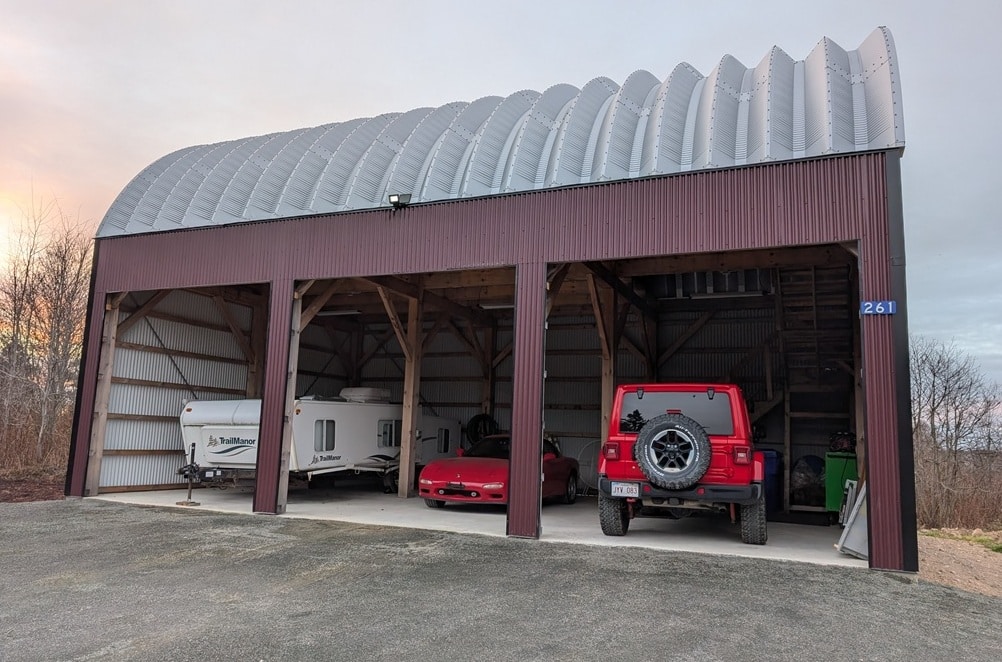
Metal Garages
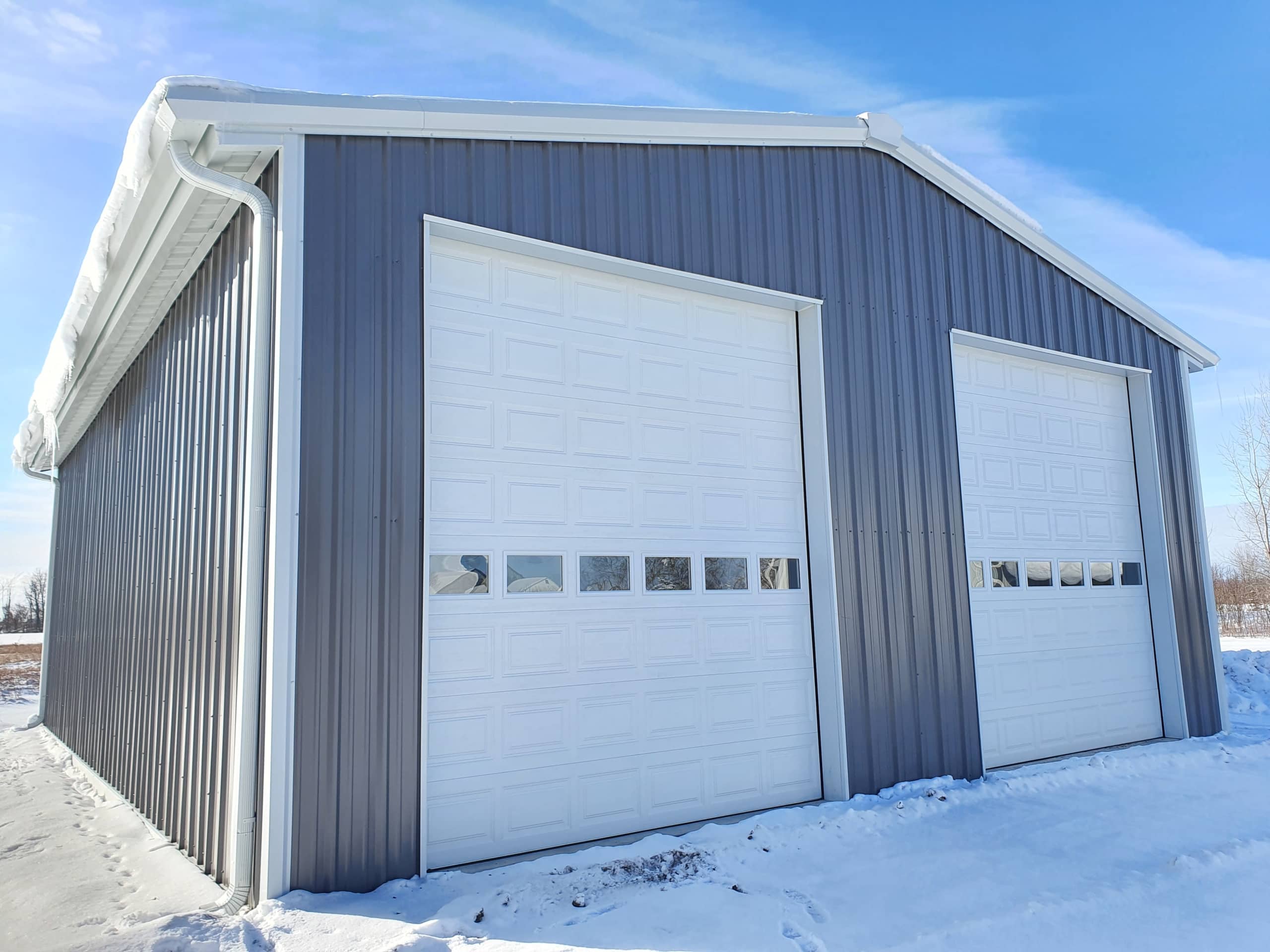
Steel garages provide enclosed space for vehicles, equipment, tools, and secure storage. They can be designed with single-bay or multi-bay layouts, overhead doors, walk doors, windows, and optional workspace areas. For Michigan projects, steel garages are a strong fit when snow protection, long-term durability, and enclosed utility are priorities.
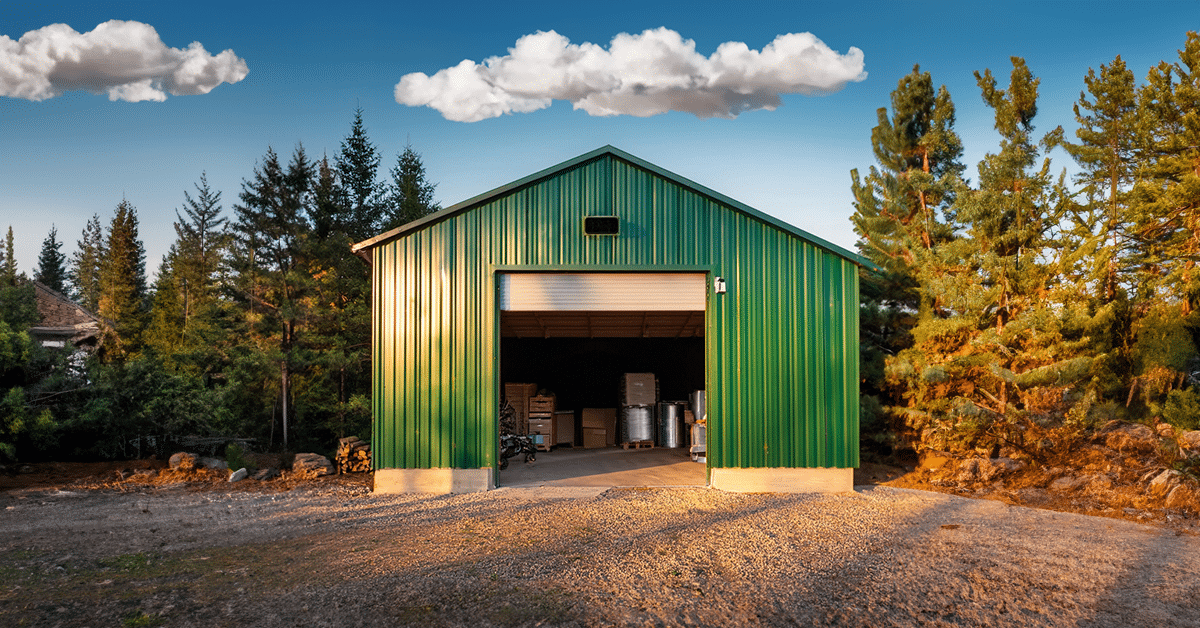
Storage Buildings
Storage buildings are engineered to provide secure and efficient space for tools, inventory, materials, machinery, and general storage. They can be used for personal, agricultural, commercial, or light industrial needs and are well-suited for buyers seeking a practical, low-maintenance enclosed space.
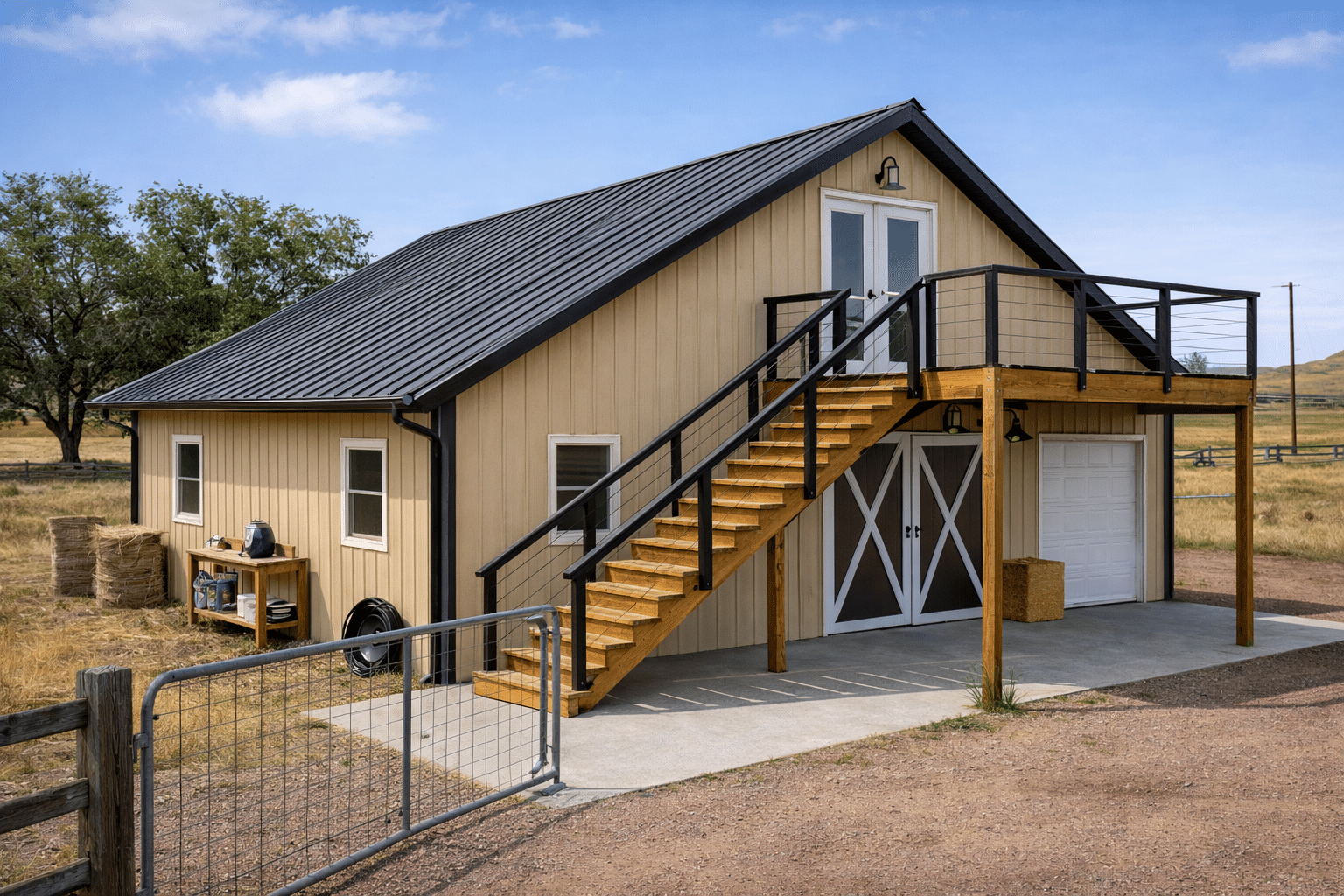
Our Steel Building Kits & Options in Michigan
Not every project requires the same structural system. At Toro Steel Buildings, we offer multiple building options to match different span requirements, layout needs, applications, and performance goals.
Straight Wall Buildings
Our straight wall buildings feature vertical sidewalls and conventional framing to create efficient, highly usable interior space. This category includes both Red Iron Steel Buildings and Cold-Formed Steel Buildings, giving Michigan buyers the flexibility to choose the system that best fits their project size, building use, and budget.
- Red Iron Steel Buildings: Our red iron steel buildings use hot-rolled structural steel I-beams and rigid-frame construction. These systems are ideal for larger commercial, industrial, and agricultural applications where wide clear spans, taller wall heights, and greater structural capacity are required.
- Cold-Formed Steel Buildings: Our cold-formed steel buildings use lighter-gauge, roll-formed steel components. They are a practical solution for garages, workshops, storage buildings, and smaller commercial structures where efficiency, customization, and reliable long-term performance are important.
Arch Steel Buildings
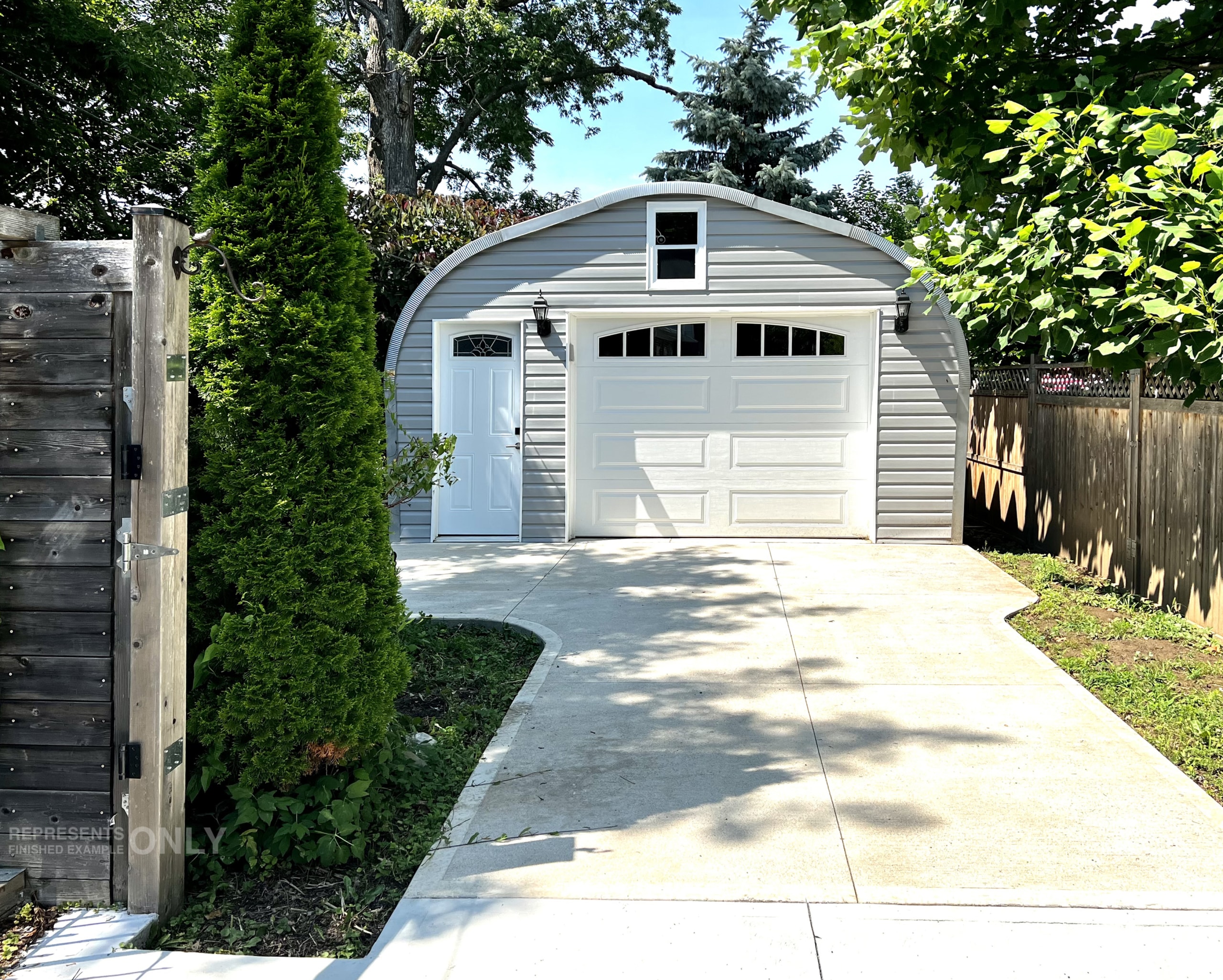
Our arch steel buildings use a self-supporting curved design that reduces the need for traditional framing members. These buildings are well-suited for agricultural storage, equipment protection, utility buildings, and other applications where durable covered space is essential. All Toro arch steel buildings are manufactured from Galvalume Plus™ Steel for enhanced corrosion resistance and long-term durability.
Steel Buildings Built Around Michigan’s Structural Demands
At Toro Steel Buildings, we understand that Michigan steel buildings require a more disciplined engineering approach than many states suggest. Design requirements can vary by region, jurisdiction, building use, and local review standards. Snow load, wind exposure, frost depth, occupancy, and site-specific code requirements all play a role in how a steel building must be designed for long-term performance.
Our steel buildings are engineered as complete load-resisting systems. Primary framing, purlins, girts, roof and wall panels, bracing, connections, anchors, and foundation coordination all work together to transfer gravity, lateral, and uplift forces safely through the structure.
- Snow Load Design: Snow is one of the most important structural considerations for metal buildings in Michigan. Design snow loads are not uniform across the state, which is why local criteria matter. Roof slope, drift exposure, purlin spacing, framing selection, and connection detailing all influence how the building performs under snow loading.
- Wind and Uplift Resistance: Wind design involves more than wall pressure alone. Roof uplift, diaphragm action, anchorage, bracing, and connection strength all affect structural stability. That is why our buildings are engineered to account for the full range of wind-related forces based on the actual project location and exposure conditions.
- Frost Depth and Foundation Coordination: Foundation design in Michigan must account for frost depth, soil behavior, drainage, slab coordination, and structural support needs. Frost protection is an important part of the overall design process, not a separate afterthought, especially for permanent buildings expected to perform reliably over time.
- Moisture and Building Envelope Performance: Michigan buildings must perform through cold winters, snow events, seasonal moisture, and temperature fluctuations. That makes building-envelope performance a key part of long-term durability. Insulation strategy, condensation control, ventilation, drainage, panel detailing, and protective finishes all contribute to how the building performs in real-world conditions.
- Code and Permitting Requirements: Michigan jurisdictions enforce state-adopted code editions, while local authorities may also apply specific design criteria and permitting requirements. For that reason, metal buildings in Michigan should be evaluated based on the actual permit path, project use, and site conditions rather than on dimensions alone.
What to Look for in Steel Building Manufacturers in Michigan
When comparing steel building manufacturers in Michigan, buyers should look beyond product photos and headline pricing. The right supplier should offer strong engineering, clear communication, customization options, and a building system that meets the project’s real demands.
Key Factors That Influence the Cost of Metal Buildings in Michigan
The cost of metal buildings in Michigan depends on more than just square footage. Final pricing is shaped by a combination of engineering requirements, building configuration, local criteria, and site-specific conditions.
Important variables include:
- Building dimensions and clear-span requirements
- Roof snow load and local design criteria
- Wind exposure, uplift, and lateral design demands
- Frost depth and foundation conditions
- Building system selection
- Framed openings and door packages
- Insulation, liner systems, ventilation, and envelope choices
- Occupancy and permit requirements
- Delivery distance and site accessibility
- Intended use and future expansion needs
That is why project-specific pricing is more accurate than generalized statewide starting prices. For many Michigan projects, the final cost is driven as much by design loads, openings, and foundation requirements as it is by the basic size of the building.
Steel Building Delivery Across Michigan
- Grand Rapids
- Lansing
- Ann Arbor
- Flint
- Kalamazoo
- Holland
- Midland
- Traverse City
- Saginaw
- Warren
- Sterling Heights
If your city is not listed, we can still supply steel buildings across Michigan based on your project location and requirements.
Top-Quality Steel
& Metal Buildings in Michigan
Whether you have a residential or commercial building project, you can trust Toro for the best quality steel buildings in Michigan, including Detroit. Our extensive building options can accommodate even the most unique of needs, regardless of complexity. Our buildings are available at true pricing, ensuring you never pay more than you need. We also provide extensive warranties for each structure for your peace of mind. Ready to get started? Contact us today or request a free quote below.