


Steel buildings are a strong fit for the oil and gas industry because they’re non-combustible, quick to assemble in remote locations, built around wide clear-span interiors for large equipment, and easy to design with the ventilation hazardous processes demand. From compressor stations and pipe fabrication shops to equipment storage and field offices, a pre-engineered steel building delivers durable, cost-effective space engineered for its exact site. Here’s why oil and gas buildings are so often built in steel.
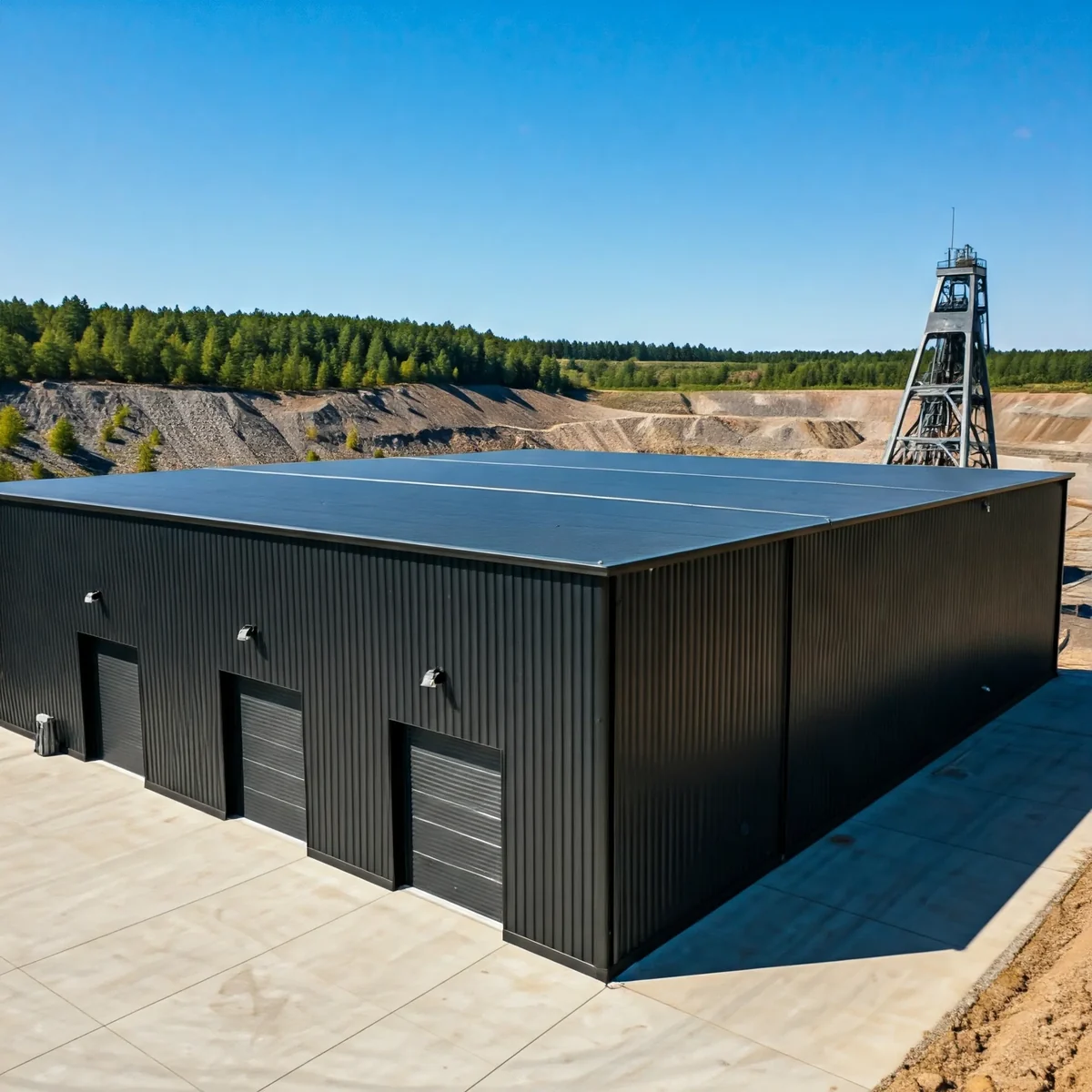
Why Steel Buildings Suit Oil and Gas Operations
- Lower construction costs: Prefabricated components come from a single supplier and assemble quickly, reducing material sourcing, transport, and on-site labour costs.
- Faster to operate: Shorter build times get facilities running sooner — a real advantage in remote or time-sensitive projects.
- Clear-span interiors: Open floors with no columns make it easier to store equipment, move machinery, and lay out process areas.
- Low long-term costs: Steel holds up to heavy use with little maintenance, reducing repair and replacement costs over the building’s life.
- Insurance considerations: Steel’s resistance to fire, rot, pests, and mould can help with insurance, depending on your insurer and operation.
- Energy performance: Steel itself conducts heat, so insulation is what makes a steel building energy efficient — and steel buildings are easy to insulate thoroughly. Steel roofs can also support solar panels when the roof is engineered for them.
Safety Advantages
Safety comes first in an industry that handles flammable materials, high-pressure processes, and heavy equipment. A steel building helps in several ways:
- Non-combustible framing: Steel won’t ignite or add fuel to a fire the way wood framing does.
- Designed-in ventilation: Roof vents, wall louvres, and exhaust systems can be planned into the building from the start, so gases and fumes are carried out and air quality stays safer for workers.
- Open, visible workspaces: Clear-span interiors improve visibility and make it easier to move people and equipment safely.
Note that facilities handling flammable gases or vapours are typically subject to hazardous-location requirements for electrical systems, gas detection, and ventilation, and buildings that must resist blast loads need specialized engineering. These requirements are specific to your process and jurisdiction, so involve your safety and engineering team early in the design.
Applications Across the Industry
Gas
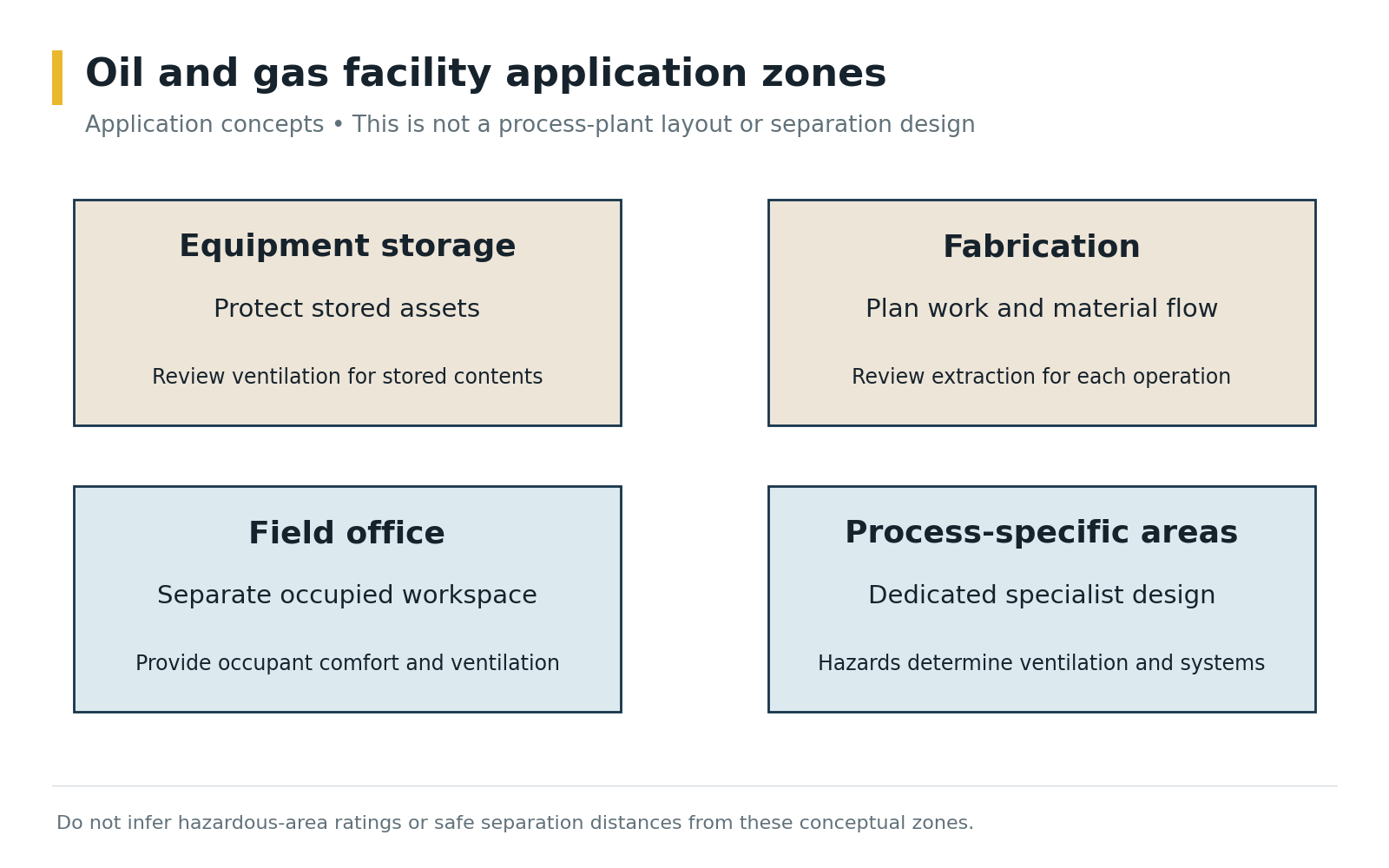
Steel buildings house compressors, meters, dehydration units, and other distribution equipment, and serve as storage, compressor station enclosures, and support buildings for processing plants and pipeline projects.
Oil
Production and blending facilities, equipment and materials storage, and support buildings for well pads, integrity digs, and refinery projects all use steel buildings. A proper protective coating like Galvalume Plus, combined with good ventilation and maintenance, keeps corrosion in check in demanding environments.
Pipe Fabrication
Fabrication shops need open floors, tall doors, and the strength to support heavy work. Steel’s non-combustible framing is also well suited to cutting and welding operations.
Field Offices, Storage, and Maintenance
Remote sites need offices, crew facilities, equipment storage, and maintenance shops. Prefabricated steel buildings ship to the site and assemble without heavy on-site fabrication, which is a major advantage in remote locations.
What Does an Oil and Gas Steel Building Cost?
Toro’s steel building kits start at $19 to $26 per square foot for the shell. Where your building lands in that range depends mainly on your site’s snow, wind, and seismic requirements, along with size, doors, and accessories. Process equipment, hazardous-location systems, foundation, and assembly are separate.
Permits, Codes & Engineering
Energy facilities face occupancy, fire, and hazardous-location requirements on top of standard structural review. Structural design loads follow the ASCE 7 standard from the American Society of Civil Engineers, referenced by the International Code Council‘s International Building Code, or the National Building Code of Canada. Toro’s in-house engineering team calculates your building’s structural loads for its specific address before it ships.
Related Building Types
Industrial Buildings | Top Trades That Use Industrial Steel Buildings | How to Ventilate a Metal Building
Build Your Oil and Gas Facility with Toro
Toro Steel Buildings engineers every building to your operation and your site. Request a free quote to get started.