


Large storage buildings
When Storage Demands More Than a Standard Building Can Deliver!
Why Toro Large Storage Buildings Are Better Engineered
A large metal storage building is not simply a bigger shed. Once the building moves into larger spans, taller wall heights, wider openings, higher storage volume, and heavier day-to-day use, the structural and layout demands change significantly. A steel building that performs well over time has to be planned around access, storage method, equipment size, circulation space, and the loads the structure will actually carry throughout its service life.
At Toro Steel Buildings, we bring 40+ years in business, 85,000+ customers served, an in-house design and engineering team, and manufacturing support through 30+ facilities across North America to every project. That means buyers looking for large metal storage buildings are not limited to fixed catalog shells. The building can be specified around the actual footprint, access requirements, storage volume, and future use of the site before a single component is fabricated.
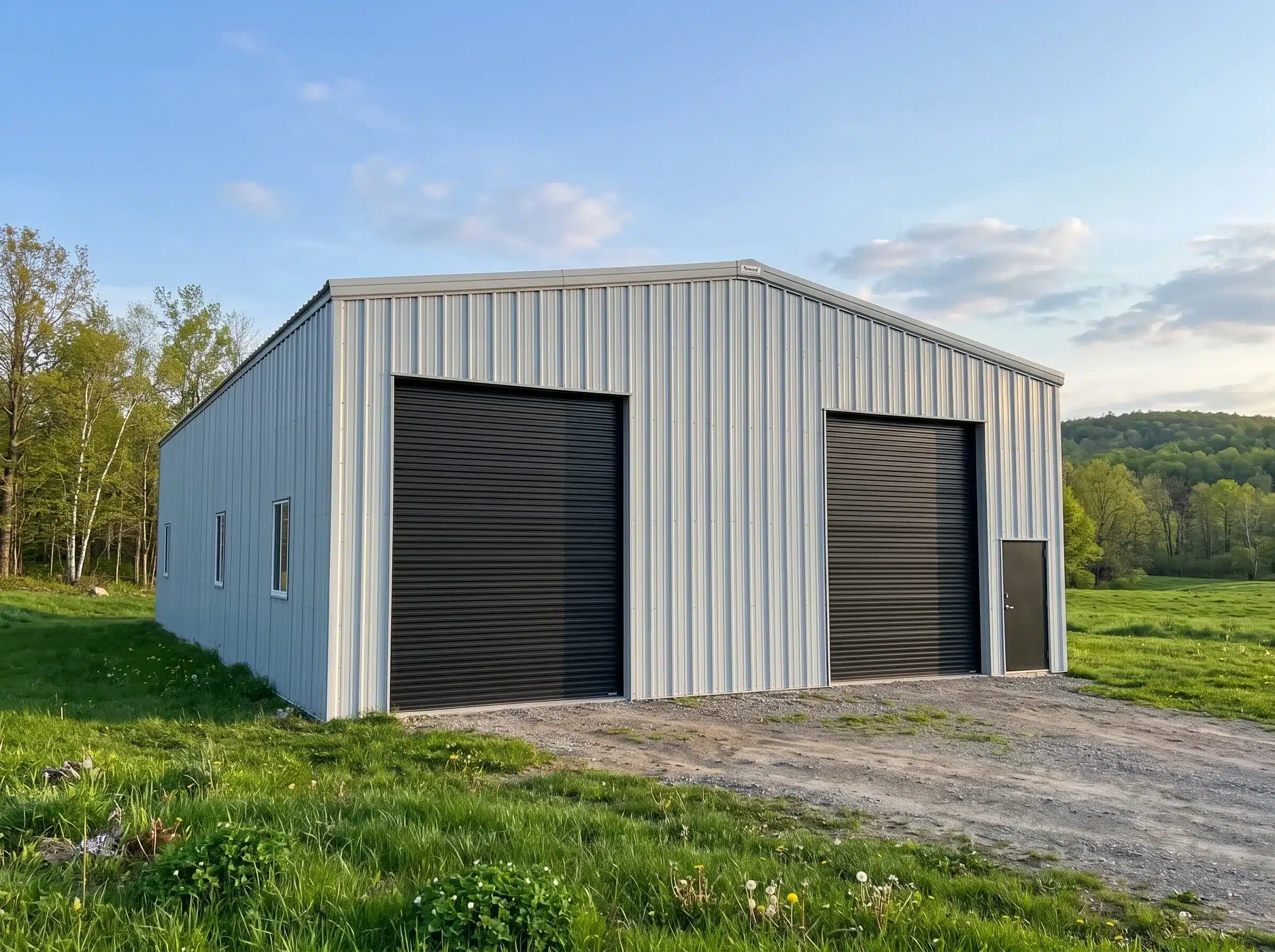
Why Steel Is the Right Material for Large Storage Buildings
Large storage buildings demand more from a structural system than most buyers initially consider. Wider spans, taller walls, and larger door openings all increase the structural loads the framing must reliably carry over a service life measured in decades. Steel meets those demands because its structural behavior is consistent and predictable, and it does not degrade as conventional materials do under sustained loading and long-term environmental exposure. It does not absorb moisture, does not rot, does not attract termites, and maintains its fabricated dimensions through the seasonal temperature cycling that causes wood framing to swell, warp, and lose structural integrity over time.
Those material properties carry direct operational consequences inside the building. Steel clear-span framing eliminates interior columns, giving buyers unobstructed floor area that can be organized around the actual storage operation rather than around structural interruptions that reduce the space’s efficiency. Pallet racking, bulk material storage, heavy equipment clearance, and forklift access all require open, predictable interior space. A large storage building framed in steel delivers that from day one. It continues to deliver it as loading demands, storage configurations, and operational requirements evolve over the building’s service life.
What Customers Say About Their Large Storage Building
“We had outgrown our old storage setup and needed something that would actually work for equipment, tools, and day-to-day access. Toro helped us get the door placement and interior space figured out, and the building has been a solid fit from the start.”
“On the farm, we needed one building that could keep feed dry, protect equipment, and still be easy to move in and out of during busy seasons. The layout Toro recommended made a big difference, and the building has worked out better than we expected.”
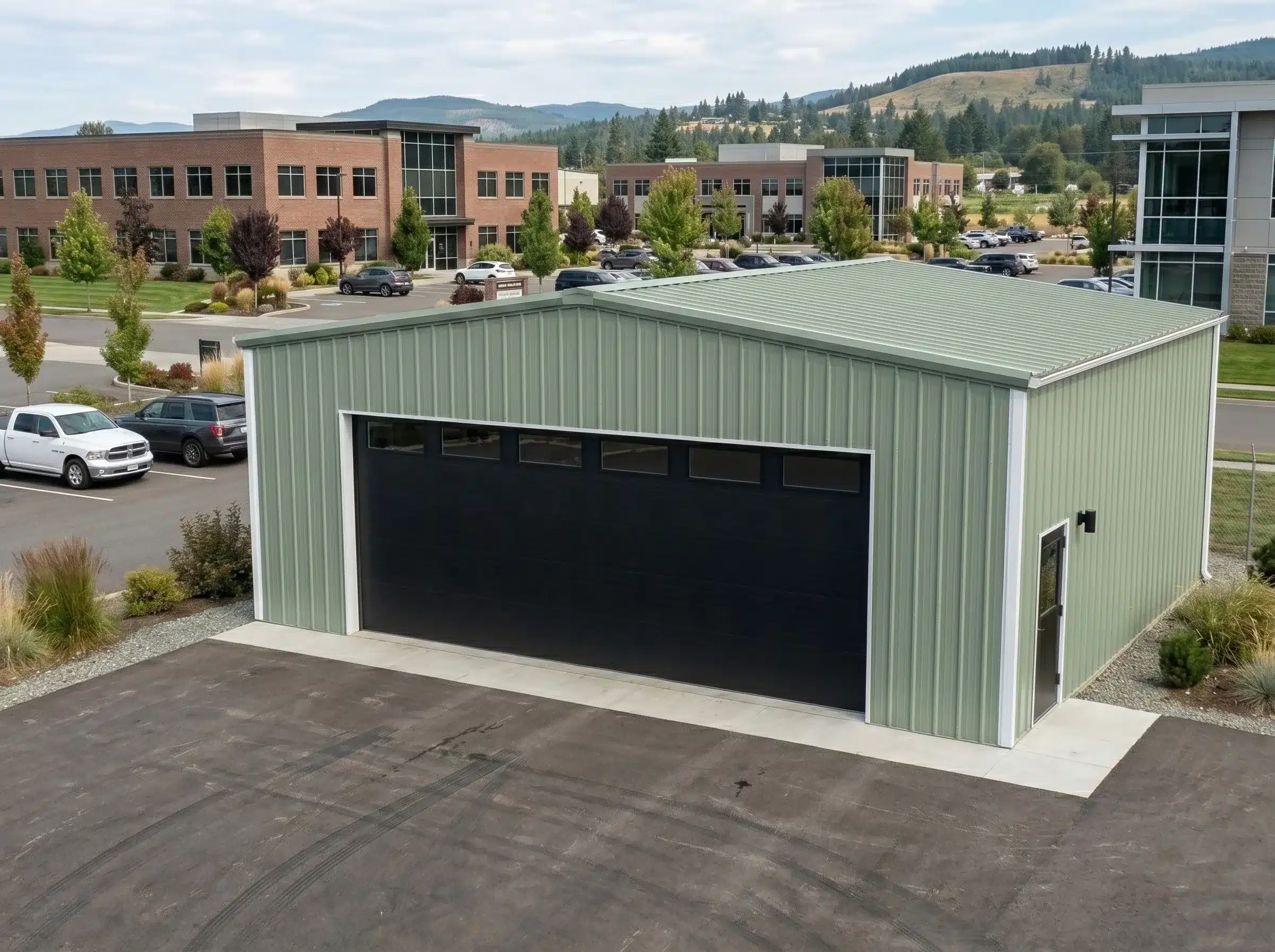
Uses of Our Large Storage Buildings
Buyers searching for extra-large storage buildings are often solving very different problems. One project may need enclosed storage for heavy equipment and raw materials. Another may need a building for inventory management, contractor tools, seasonal stock, farm inputs, or utility vehicles. A third may need a mixed-use layout that combines enclosed storage with workshop or operational space under one roof.
That is why a properly specified storage building needs to account for:
A building that encloses square footage is not always a building that stores efficiently. That difference depends on how thoroughly the layout, access, and storage requirements are resolved before the structural design is finalized, and you can start exploring those options with our 3D Builder below.
What Large Storage Buildings Are Commonly Used For
- Equipment Storage: Large storage buildings are often used to protect tractors, trailers, utility vehicles, recreational equipment, and work machinery that require enclosed space, practical access, and sufficient turning clearance.
- Inventory and Material Storage: For commercial and contractor use, a large metal storage building can provide a secure, enclosed space for inventory, tools, supplies, and staged materials without the layout limitations of smaller sheds.
- Agricultural Storage: Many rural buyers need large-scale enclosed storage for feed, seed, hay, tools, and property-support equipment. These uses often require greater wall height, wider openings, and layouts that can support seasonal volume changes.
- Workshop and Utility Storage: Some of the best-performing big storage buildings are not purely for storage. They combine enclosed storage with a dedicated work area, bench space, or light operational use, which makes layout planning even more important.
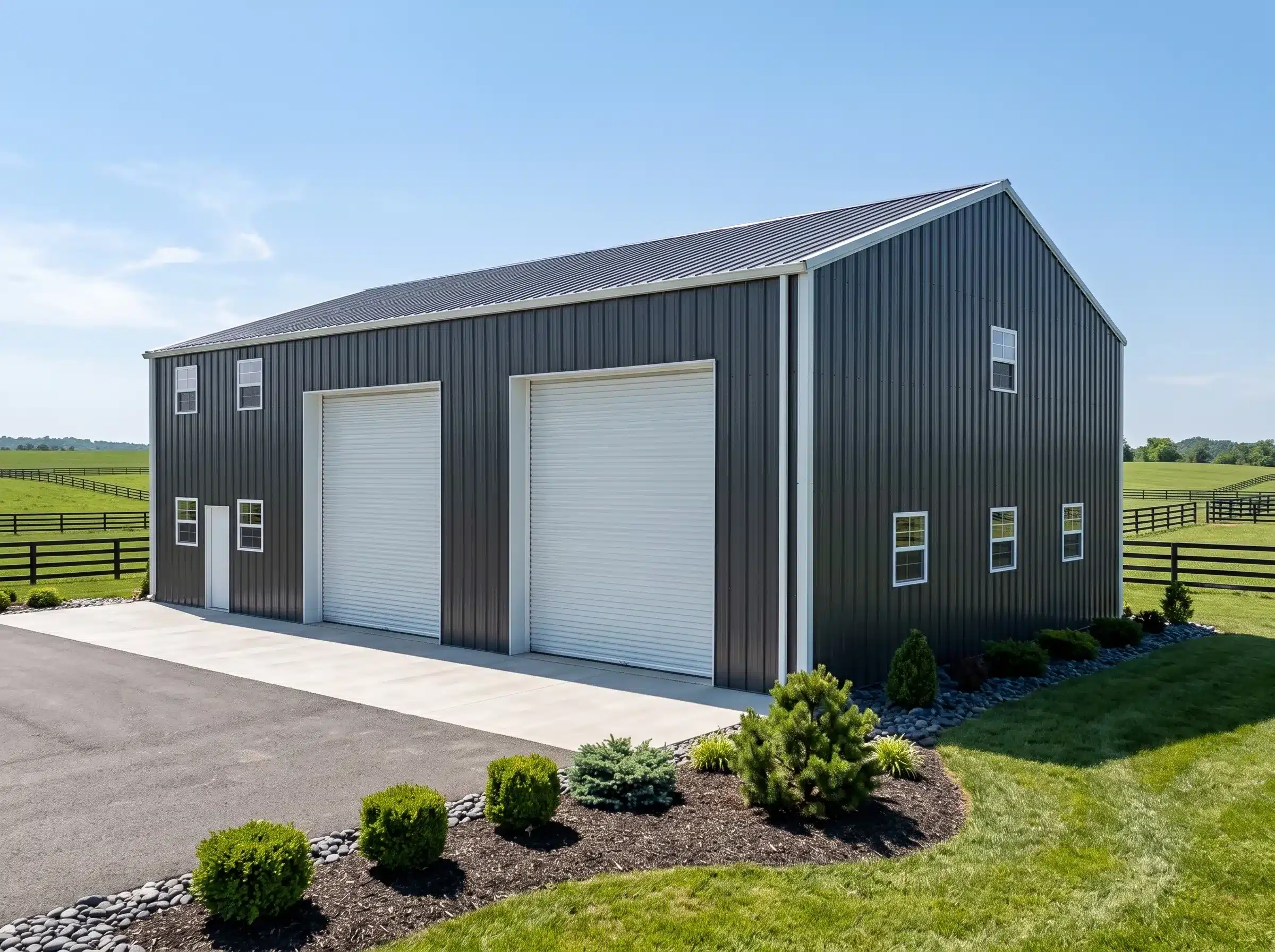
Structural Systems for Large Storage Buildings
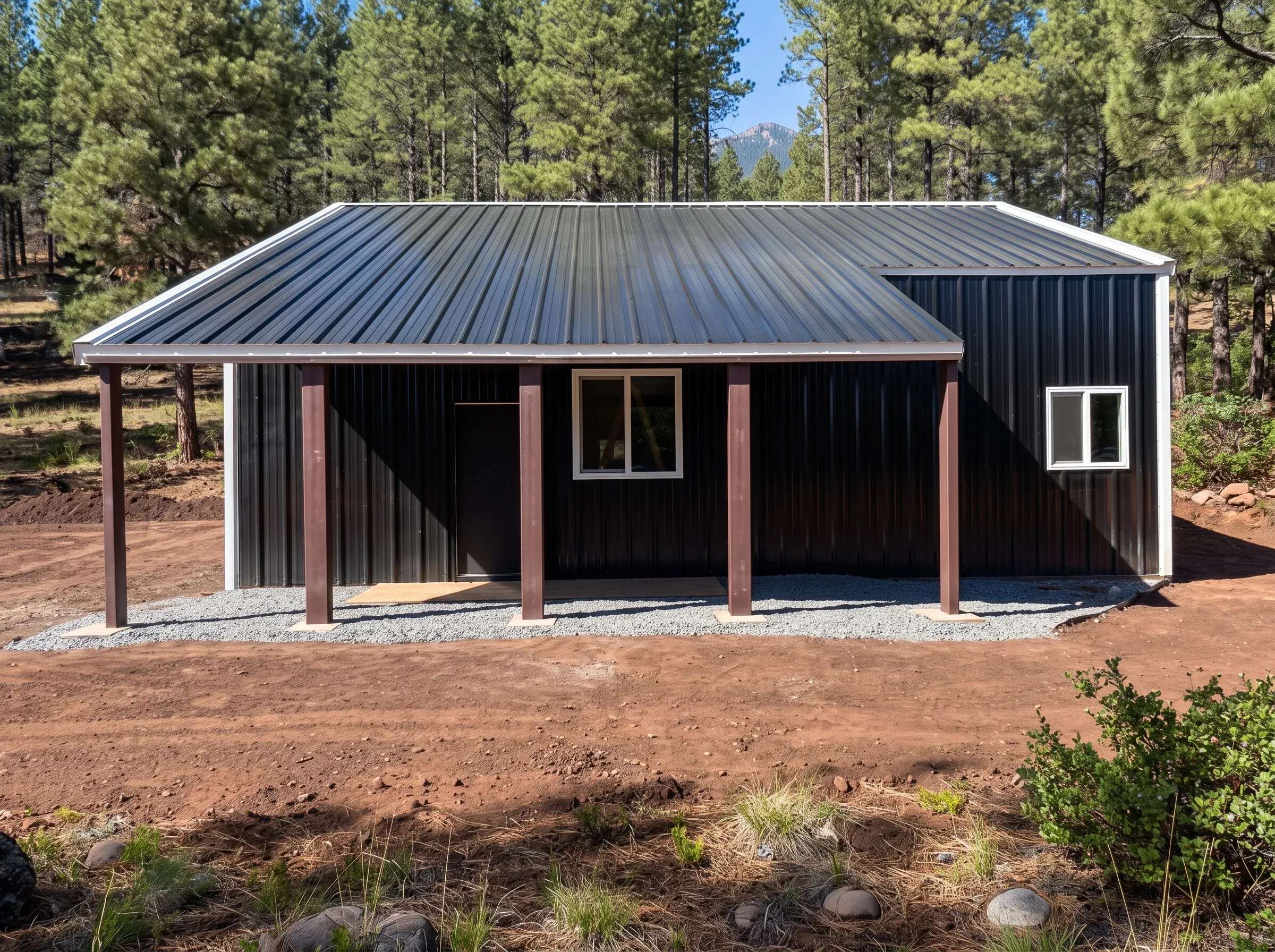
Straight-Wall Systems
Straight-wall systems are often the better fit when buyers need full wall height, larger framed openings, more usable sidewall storage, and a layout that supports shelving, equipment access, or more conventional storage planning. Within this category, red iron is generally the stronger fit for larger spans, heavier loading demands, and wider openings. Cold-formed steel can be a practical choice for smaller and mid-sized storage projects with lighter structural requirements.
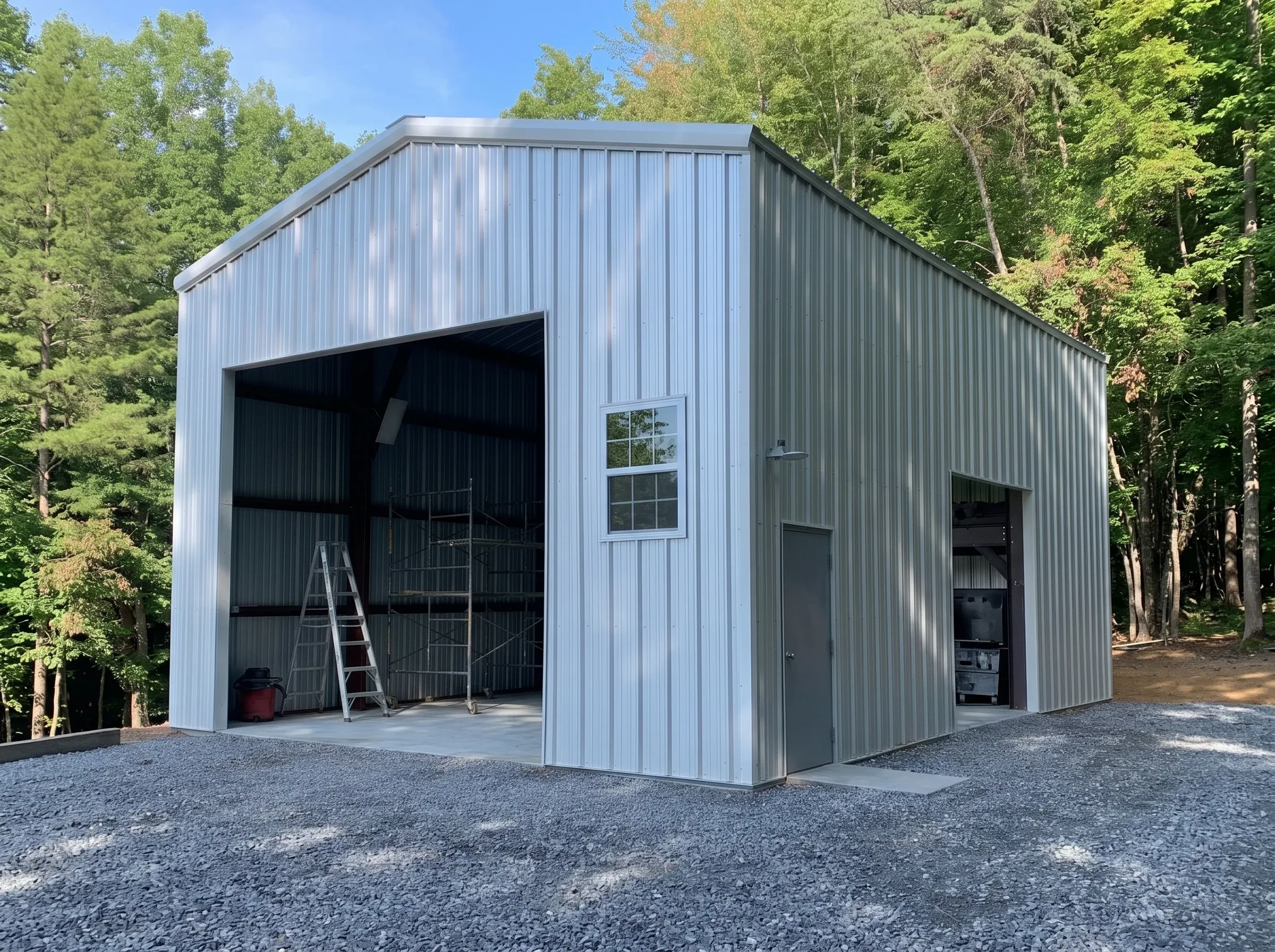
Straight-wall Large Storage Building
Arch-Style Systems
Arch-style systems can be a practical fit for certain large storage buildings where clear-span coverage, structural efficiency, and low maintenance matter more than full vertical sidewall geometry. They are often well-suited to storage-oriented and utility-focused applications where simplicity and enclosed capacity are priorities. Their curved profile can also help create efficient interior volume with fewer framing components, which can be an advantage in straightforward storage applications.
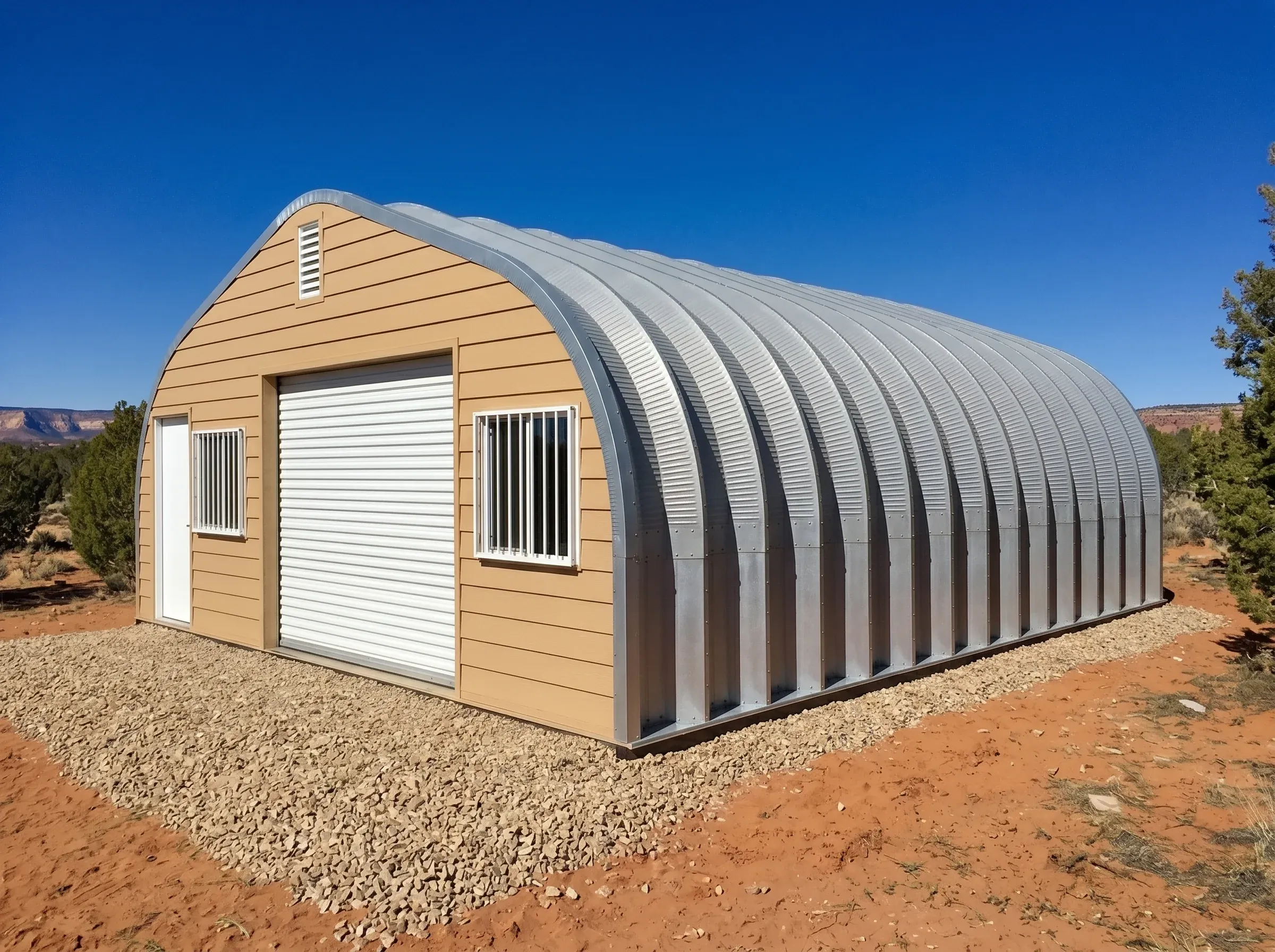
Arch-style Large Storage Building
Engineering and Certified Drawings
A large storage building is a structural system, not a simple utility shed. As the span increases and openings become larger, structural demands increase as well. Snow loads, wind loads, dead loads, live loads, opening geometry, anchorage, and applicable building code requirements all influence member sizing, connection design, and overall frame behavior.
Engineering and certified drawings help ensure the building is designed around those actual demands rather than assumed to be adequate based on size alone. Toro’s in-house design and engineering team develops each project around the site, the storage use, and the load criteria the building will need to meet over time.
Customization Options and Cost Factors for Large Storage Buildings
A properly specified large storage building should not be limited to a fixed shell. It should be designed around the actual storage function, site conditions, and the project’s long-term operational needs. Toro’s large storage buildings can often be configured around overall width and length, wall height, roof style and slope, structural system, door size and placement, walk-door and window placement, insulation and ventilation, trim and finish selections, interior layout priorities, future expansion potential, and building color options.
Those same decisions also drive cost. Building dimensions establish the structural envelope and material quantities, while roof design, framing complexity, and the number and size of framed openings directly affect the structural system. Insulation, ventilation, occupancy classification, site and foundation conditions, delivery logistics, and installation requirements also influence final pricing. That is why two storage buildings with similar footprints can still vary significantly in cost. A building used for contractor equipment does not require the same layout, access, or structural design as one used for agricultural storage or overflow inventory. Toro works through project-specific inputs before pricing is issued, so buyers receive a figure based on real requirements rather than a generic starting estimate.
Why Toro Large Storage Buildings Stand Out
Toro approaches storage projects with the same engineering discipline used on larger commercial and industrial structures. That gives buyers more than a generic building shell. It gives them a storage building planned around real capacity, real access, real structural loads, and real long-term use.
That means:
- Better alignment between building size and storage function
- More flexibility than fixed catalog layouts
- Structural systems matched to project demands
- Engineering support for permit-ready documentation
- Long-term durability backed by steel building expertise
- Manufacturing scale that supports better delivery coverage and project fit
- Material warranty coverage
- Toro true pricing
Start Your Large Metal Storage Building Project with Toro
The most effective way to plan a large storage building is to design the specification around the actual storage volume, access requirements, operational demands, and the site’s long-term use. Toro Steel Buildings brings the engineering capability, manufacturing depth, and project experience to help buyers move from initial requirements to a properly specified, accurately priced storage building that performs as intended over its full service life. Reach out online or call 1-877-870-8676 to speak with a building specialist and receive a quote tailored to your project’s actual needs.
Large Storage Building Frequently Asked Questions
Large Storage Building Frequently Asked Questions