


Steel Buildings Boise
Steel Buildings Engineered for Boise, ID
Why Boise Buyers Choose Toro Steel Buildings
Building in Boise means working with a climate that tests structures year after year. Hard winters, snow accumulation, deep frost lines, wide seasonal temperature swings, and wind exposure across open terrain all place real demands on a building over its service life. A structure that is not engineered around those realities will show it over time through maintenance issues, performance gaps, and structural concerns that a properly specified building avoids from the start.
Toro Steel Buildings has been in business for over 40 years, has served more than 85,000 customers, and operates through an in-house design and engineering team supported by more than 30 manufacturing facilities. Boise buyers working with Toro are not handed a catalog and asked to pick a size. Every project is developed around the property, its intended use, and the site’s structural demands before pricing is finalized.
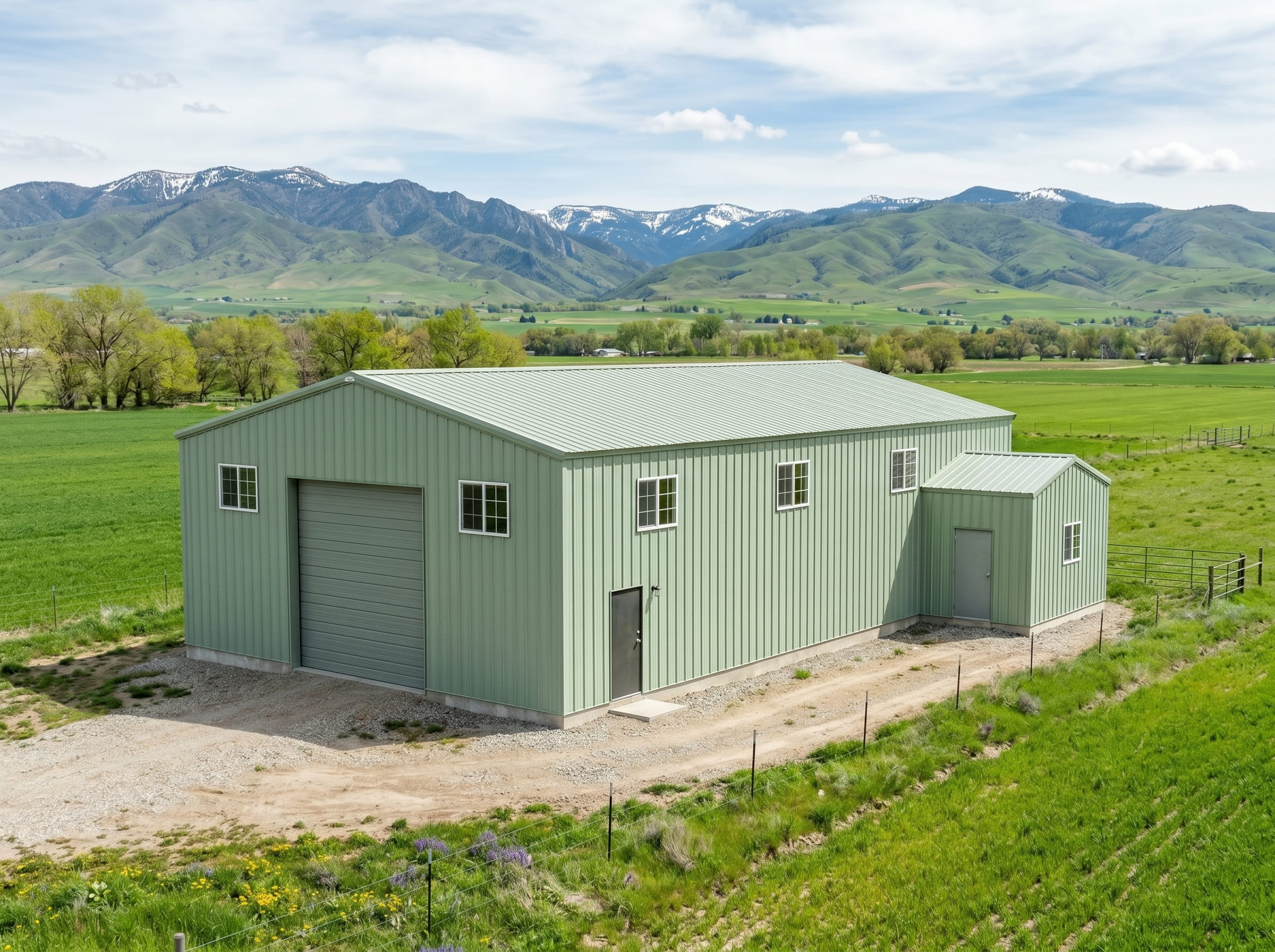
Why Steel Is the Right Material Choice for Boise
Boise’s climate makes material selection a practical decision, not an aesthetic one. The city’s local design criteria include a 24-inch frost line depth and a 10-degree Fahrenheit winter design temperature. Those numbers have direct implications for foundation design, structural framing, and the building’s performance over decades of freeze-thaw cycles, snow loading, and thermal movement.
Steel handles those demands better than most conventional materials. It does not absorb moisture, does not swell or crack under freeze-thaw stress, and does not provide a foothold for rot or pest damage, as wood framing does over time. Steel parts are manufactured to precise dimensional tolerances, which means load paths are predictable, connections are reliable, and the structure performs as engineered rather than degrading in ways that are difficult to anticipate during design.
Clear-span steel framing also fully frees up the interior. There are no columns interrupting the floor plan, no load-bearing walls limiting layout decisions, and no structural compromises that reduce the building’s practical usefulness. For garages, workshops, agricultural operations, storage facilities, and commercial buildings, that open interior is one of the most important functional advantages steel offers over other framing systems.
What Toro Boise Customers Say
“We needed a building that would actually hold up through Boise winters and still work the way we use the property every day. Toro helped us get the layout right, and the finished structure feels solid, well built, and exactly suited to our needs.”
“What impressed us most was how much thought went into the project before anything was finalized. The quality of the building is excellent, the space works really well, and it is clear this was engineered for long-term use in Boise, not just sold as a standard kit.”
Common Metal Buildings in Boise
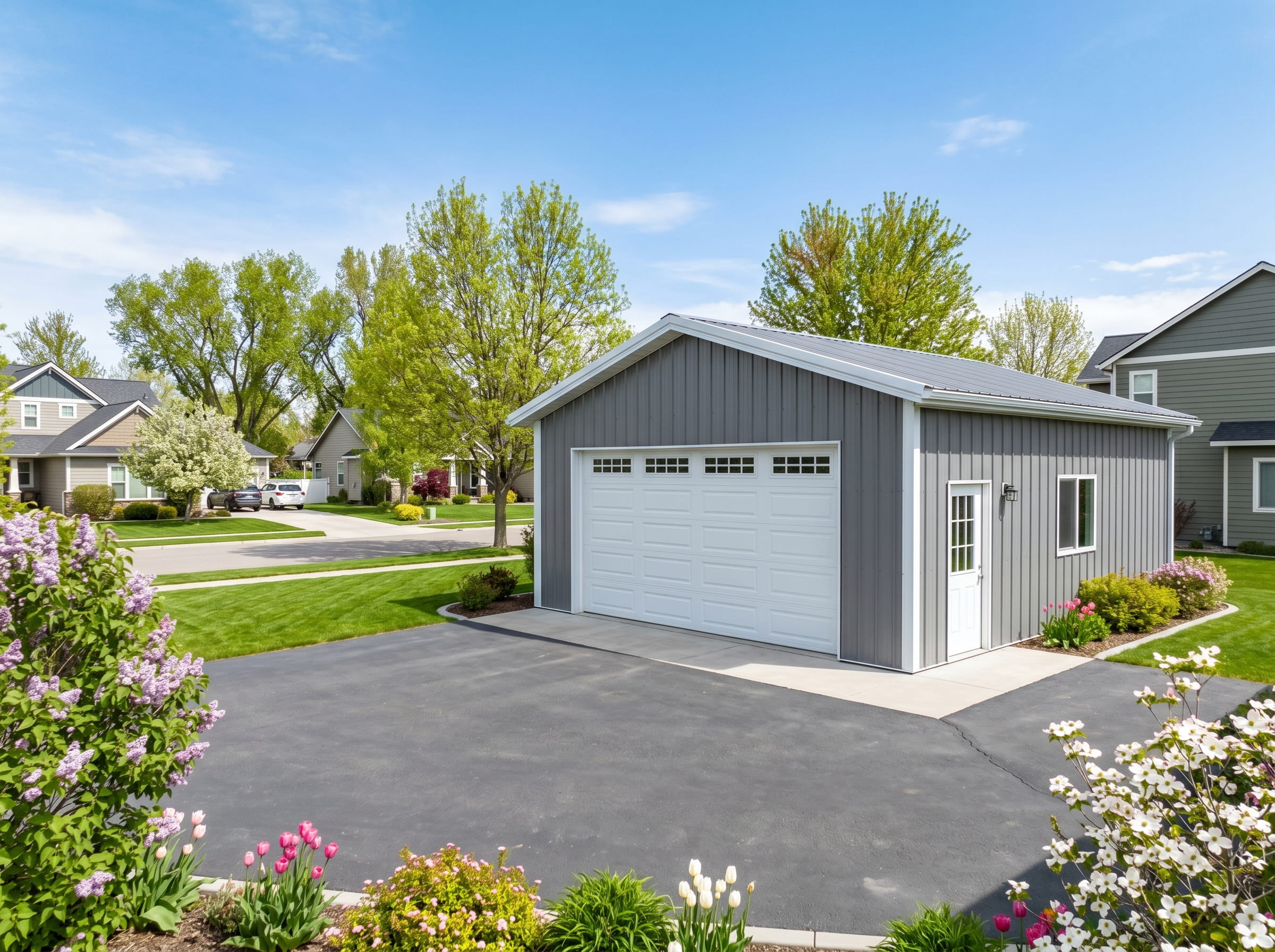
Metal Garages
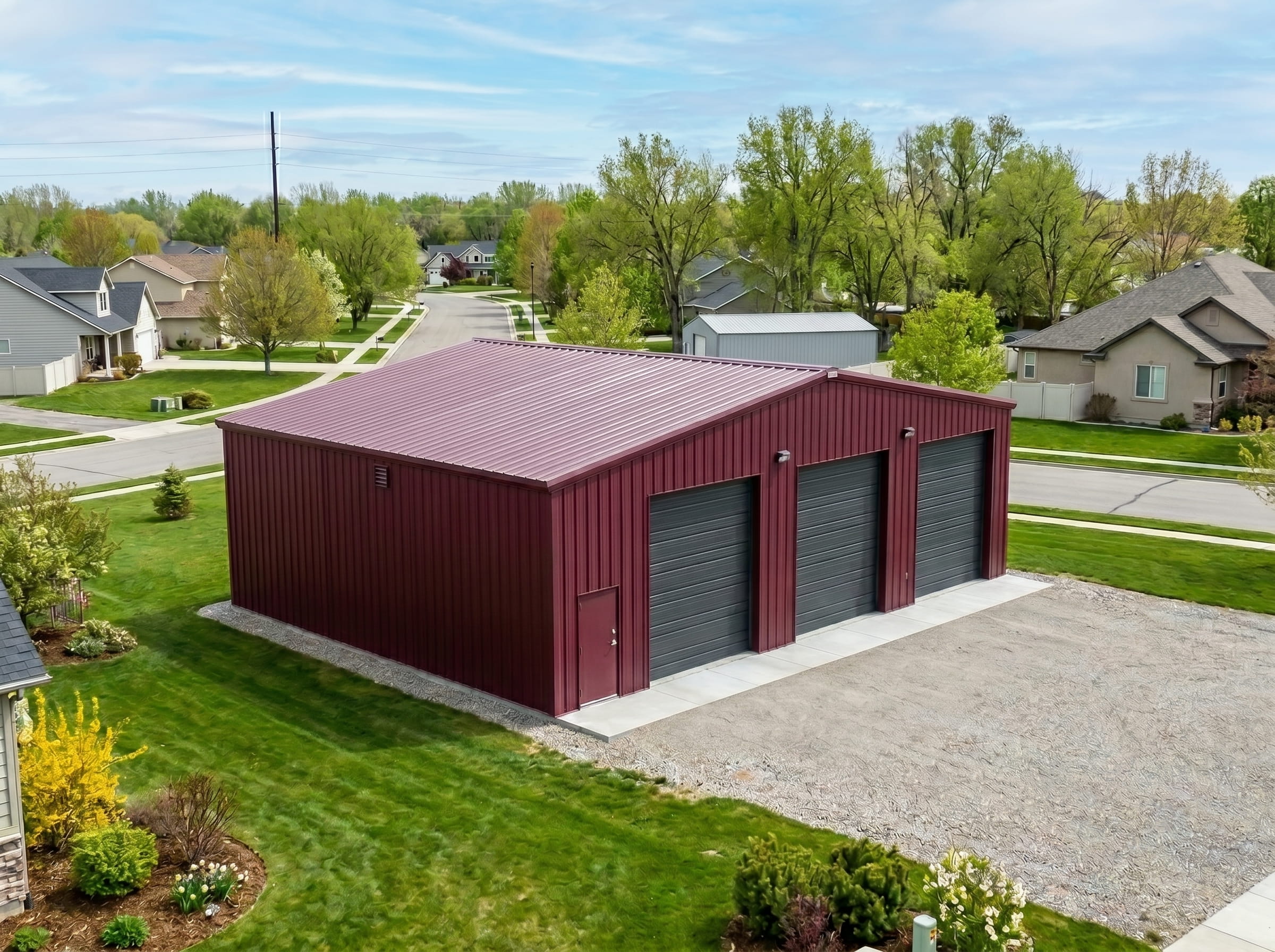
A Boise garage has to perform through months of winter exposure, snow accumulation, and freeze-thaw cycling without becoming a maintenance problem. Steel garages are engineered to withstand those conditions while providing practical, organized space for vehicles, tools, equipment, and storage. Layouts can be planned around single or multiple bays, RV clearance, workshop functions, and access points that make the building genuinely useful in daily use.
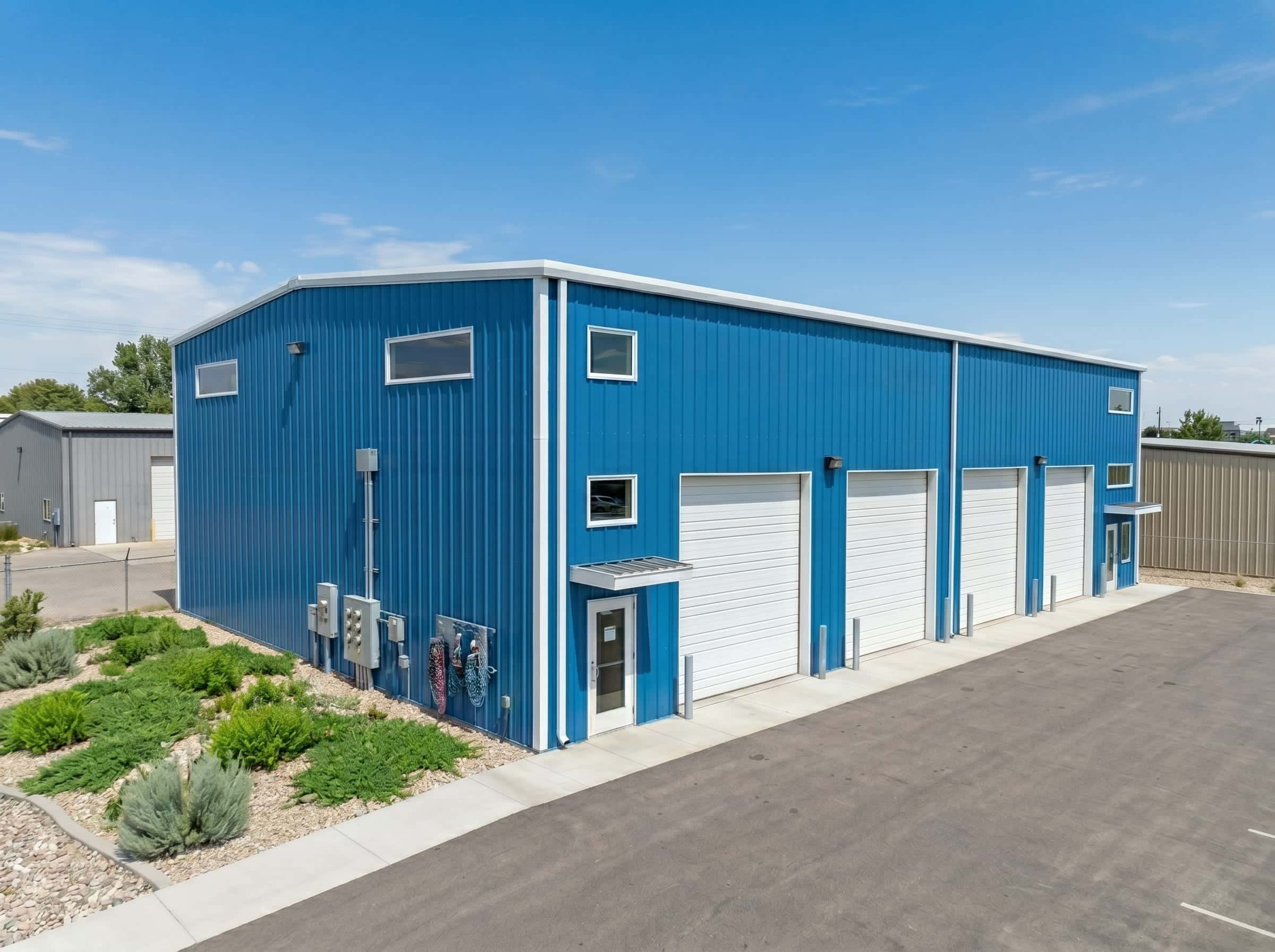
Workshop Buildings
Workshop buildings in Boise need to operate reliably under demanding seasonal conditions while remaining practical to work in. Steel clear-span framing removes the structural limitations that force compromises in layout, equipment placement, and workflow. The result is a building that can be designed around how the work actually gets done rather than around what the frame allows.
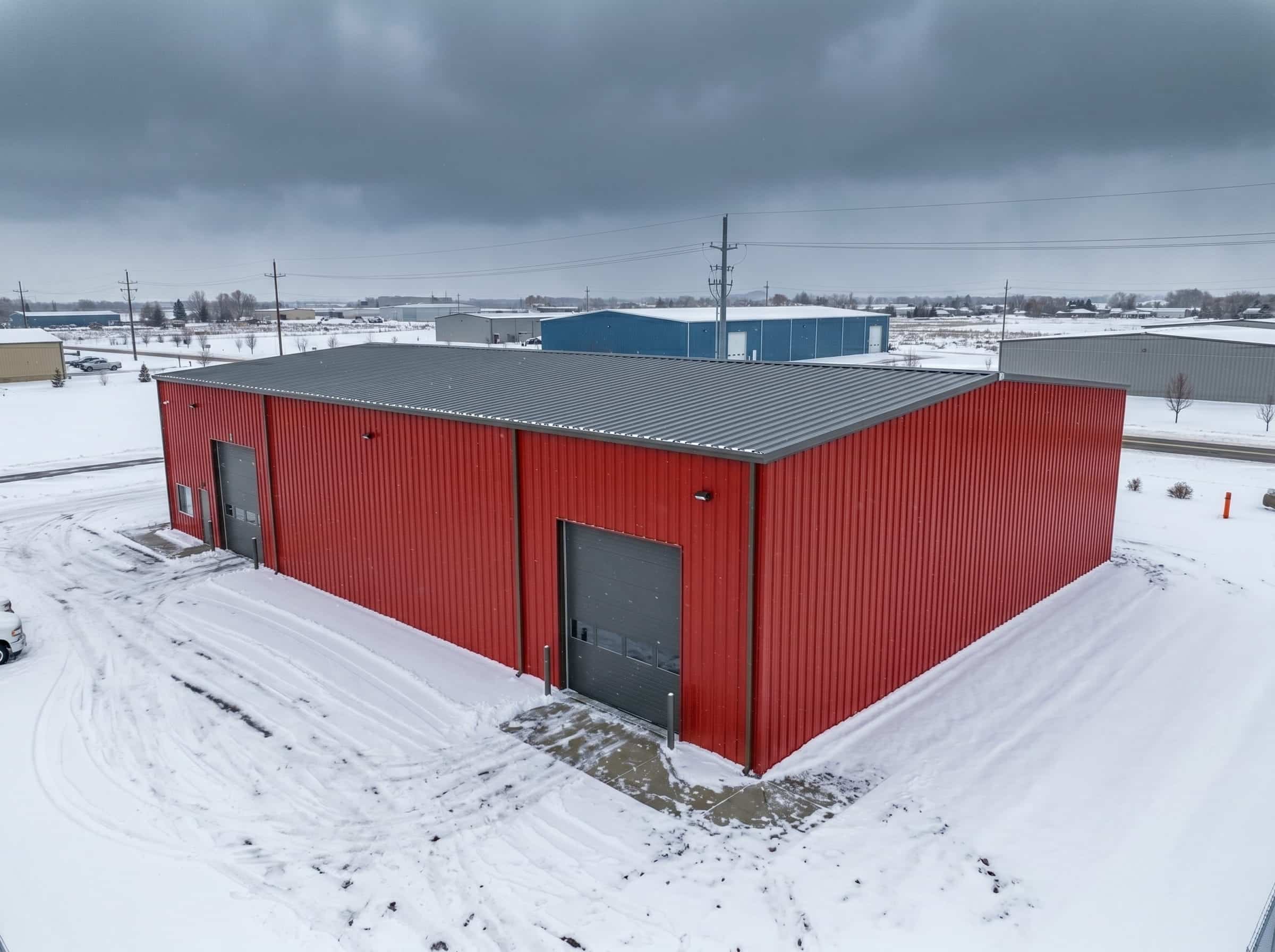
Storage Buildings
Boise’s seasonal conditions place real demands on storage buildings. Equipment, inventory, and materials need protection from snow, cold, moisture, and temperature swings throughout the year. Steel storage buildings provide enclosed, durable space with clear-span interiors that make organization and access straightforward, and structural integrity that holds up through years of demanding seasonal exposure.
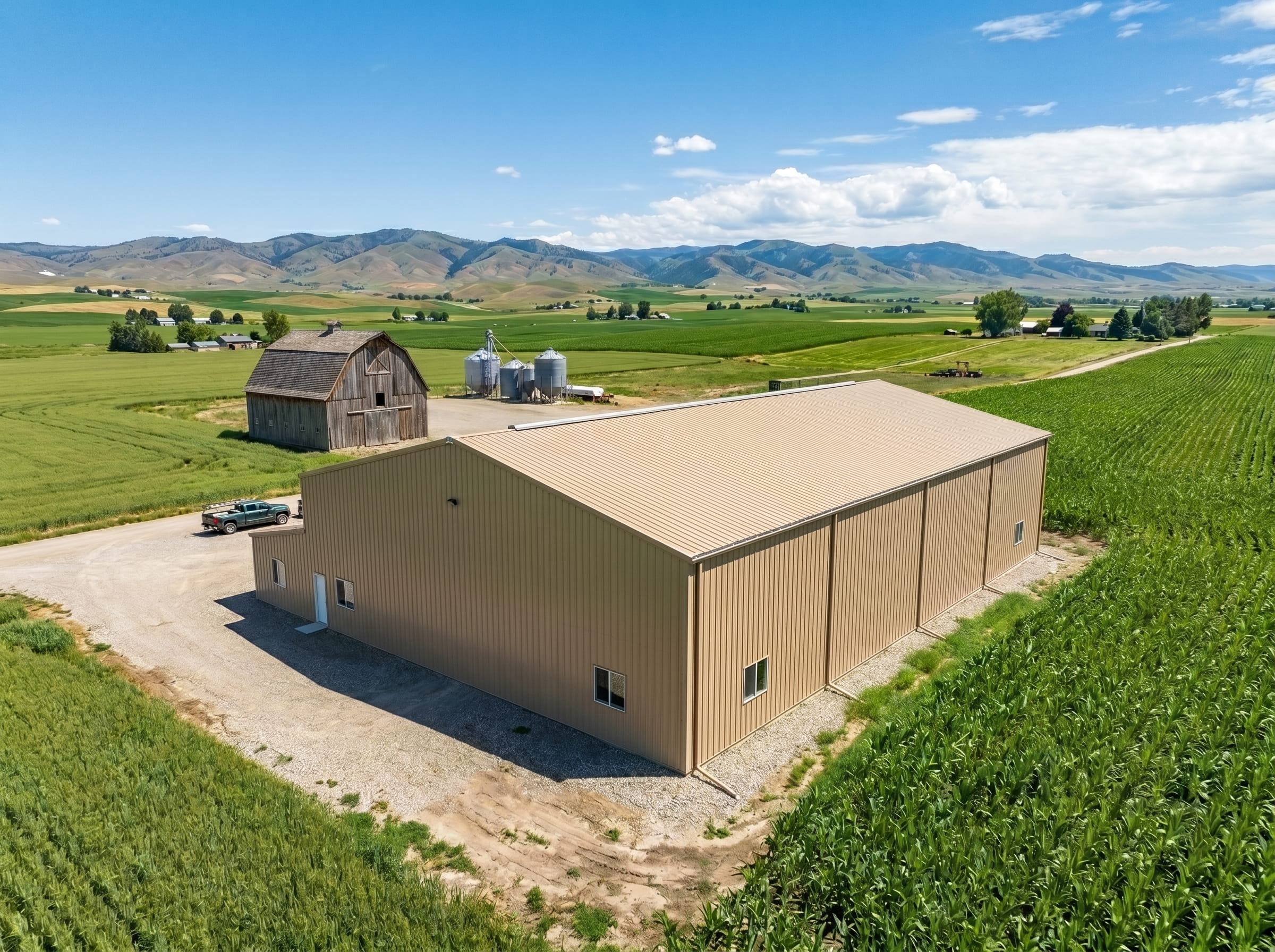
Agricultural Buildings
Rural and agricultural properties across the greater Boise region need structures that can support equipment storage, livestock operations, feed storage, and working access through demanding conditions. Steel makes it practical to engineer around the clearance heights, ventilation requirements, and operational demands of agricultural use, rather than working within the constraints of a generic shell.
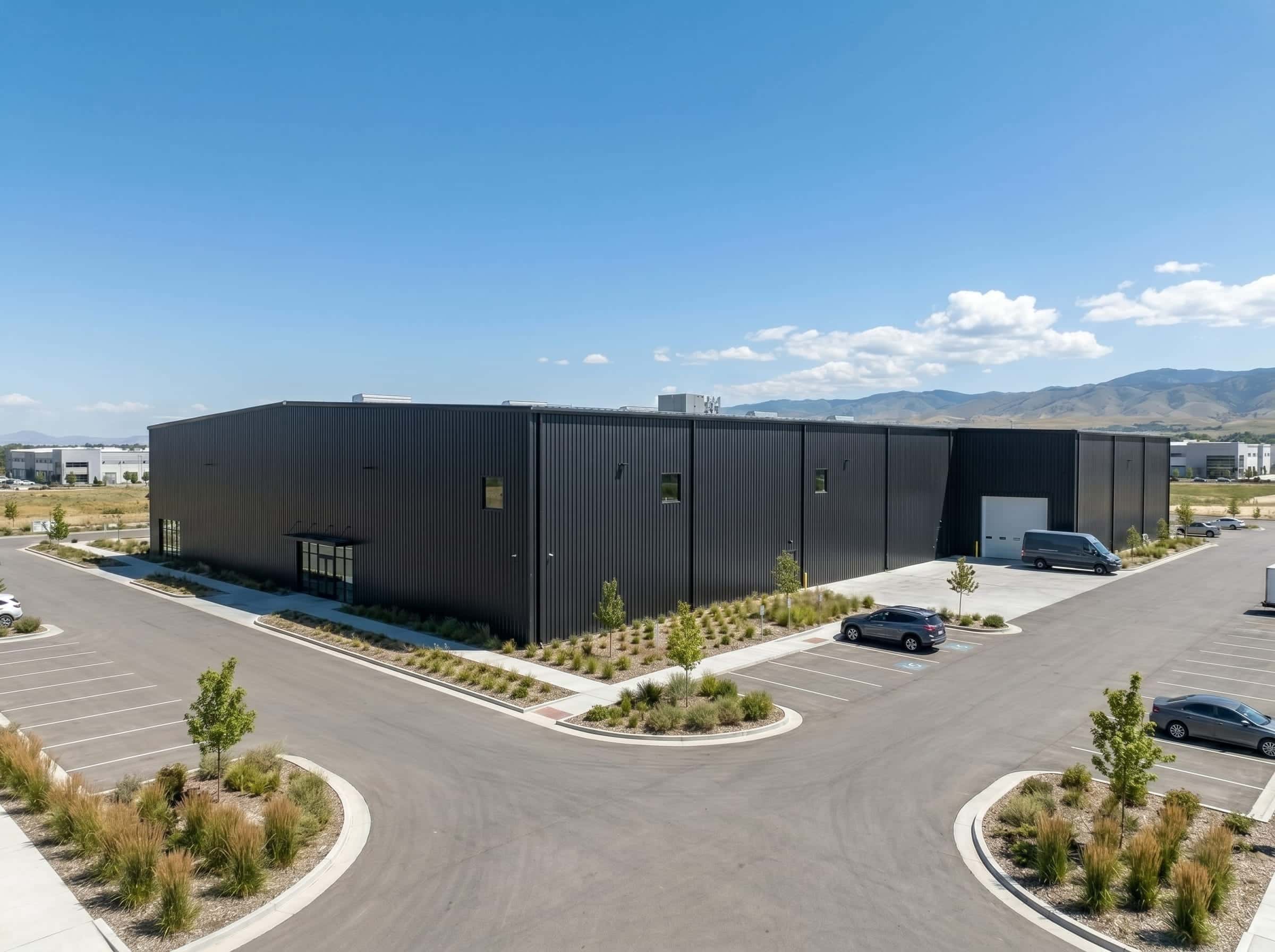
Commercial & Industrial Buildings
Commercial kit buyers in Boise need buildings that can support sustained business operations without becoming a structural or maintenance liability over time. Steel enables large-framed openings, open interior layouts, and long-term structural reliability that contractor shops, service facilities, warehouses, and industrial operations depend on. Future expansion can also be planned into the original design rather than treated as a separate problem later.
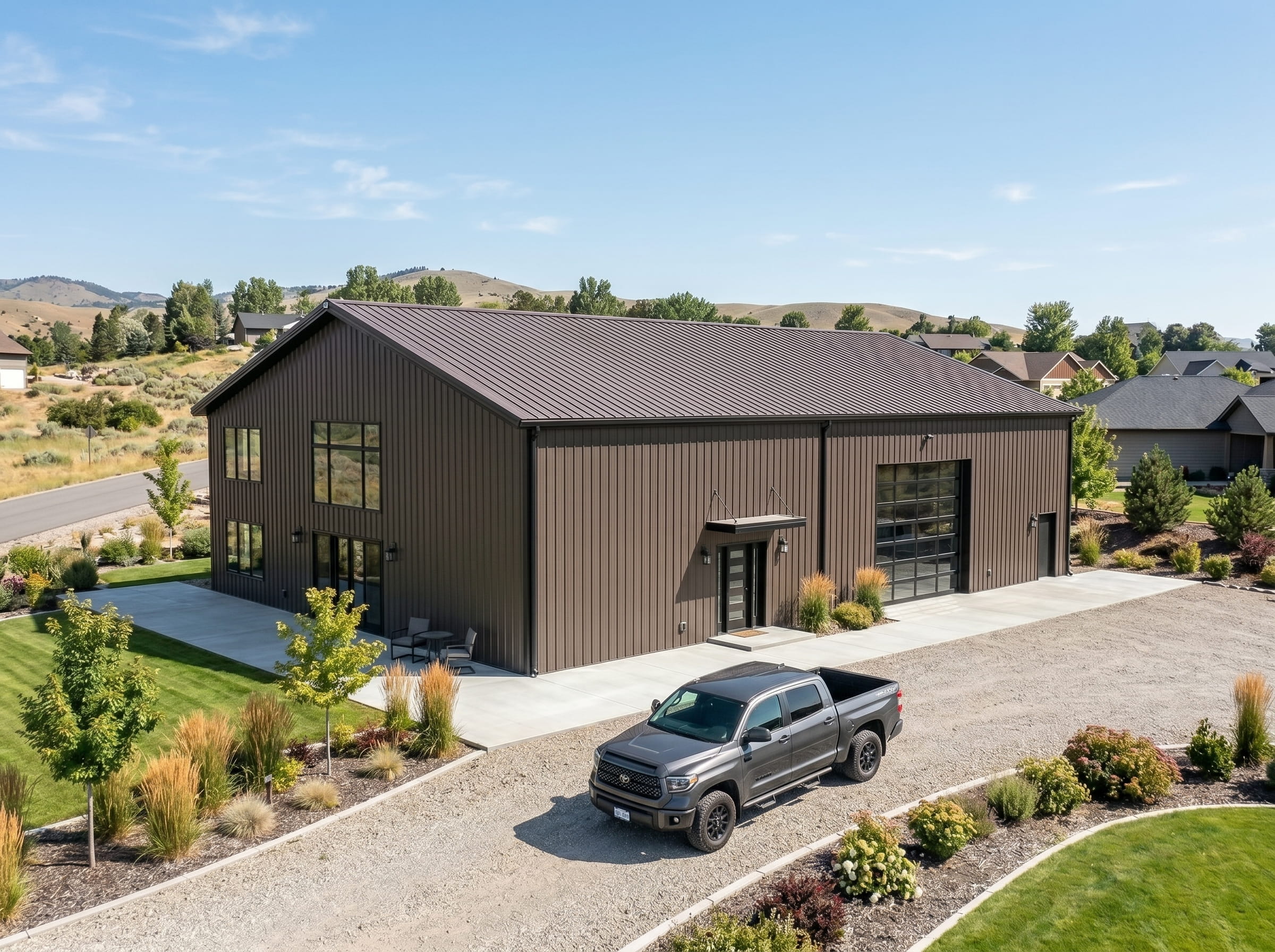
Metal Barndominiums
Boise buyers looking to combine residential living with functional utility space find steel barndominiums a practical solution. A single structural shell can accommodate living quarters alongside a garage, workshop, or storage area, which reduces construction complexity and total cost compared to building two separate structures on the same property.
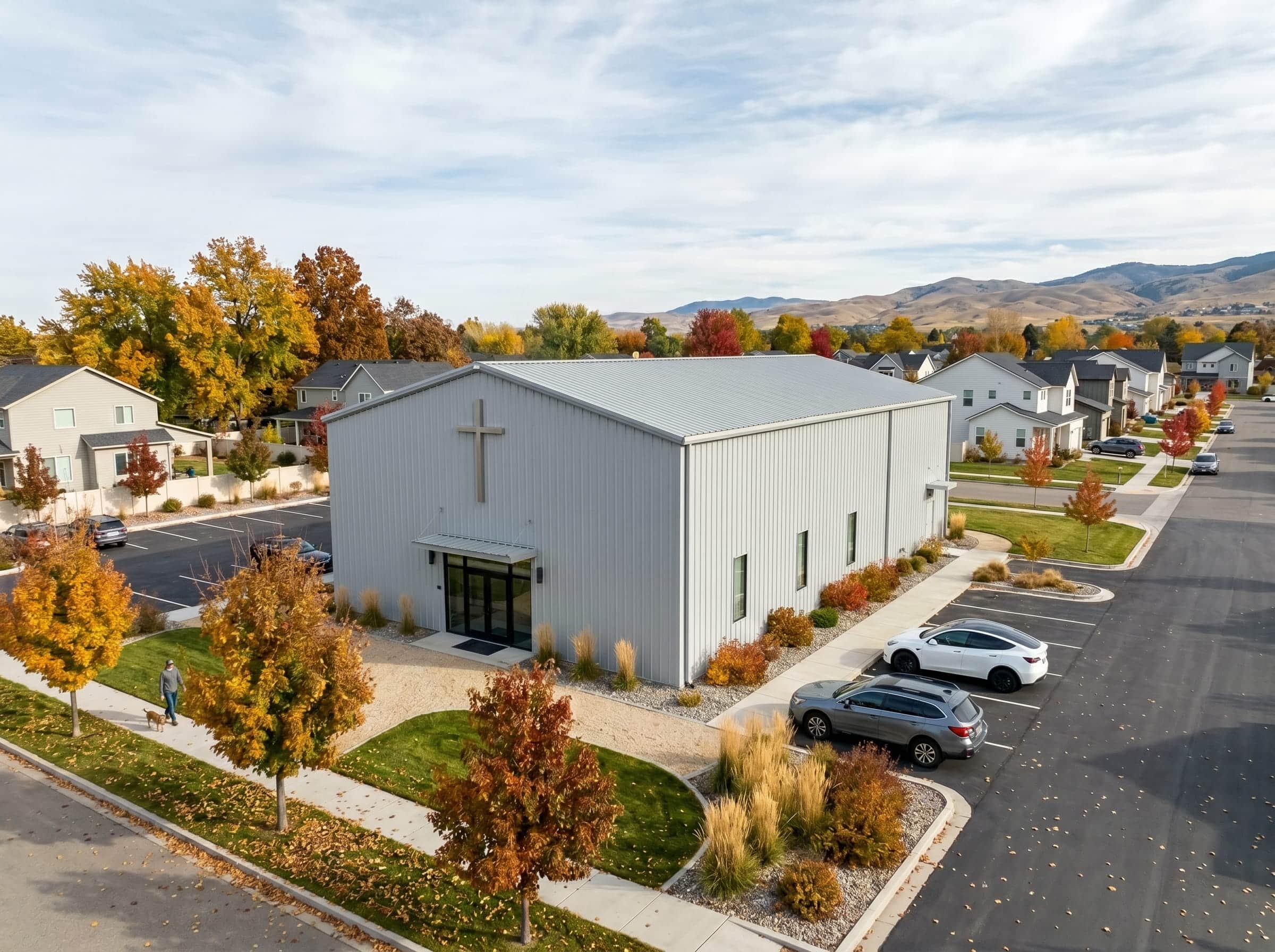
Steel Church Buildings
A church building needs to serve a congregation reliably for decades in worship, education, administration, and community programming. Steel clear-span framing delivers the open, column-free interiors that enable flexible layout planning and the structural durability that reduces the organization’s long-term maintenance burden.
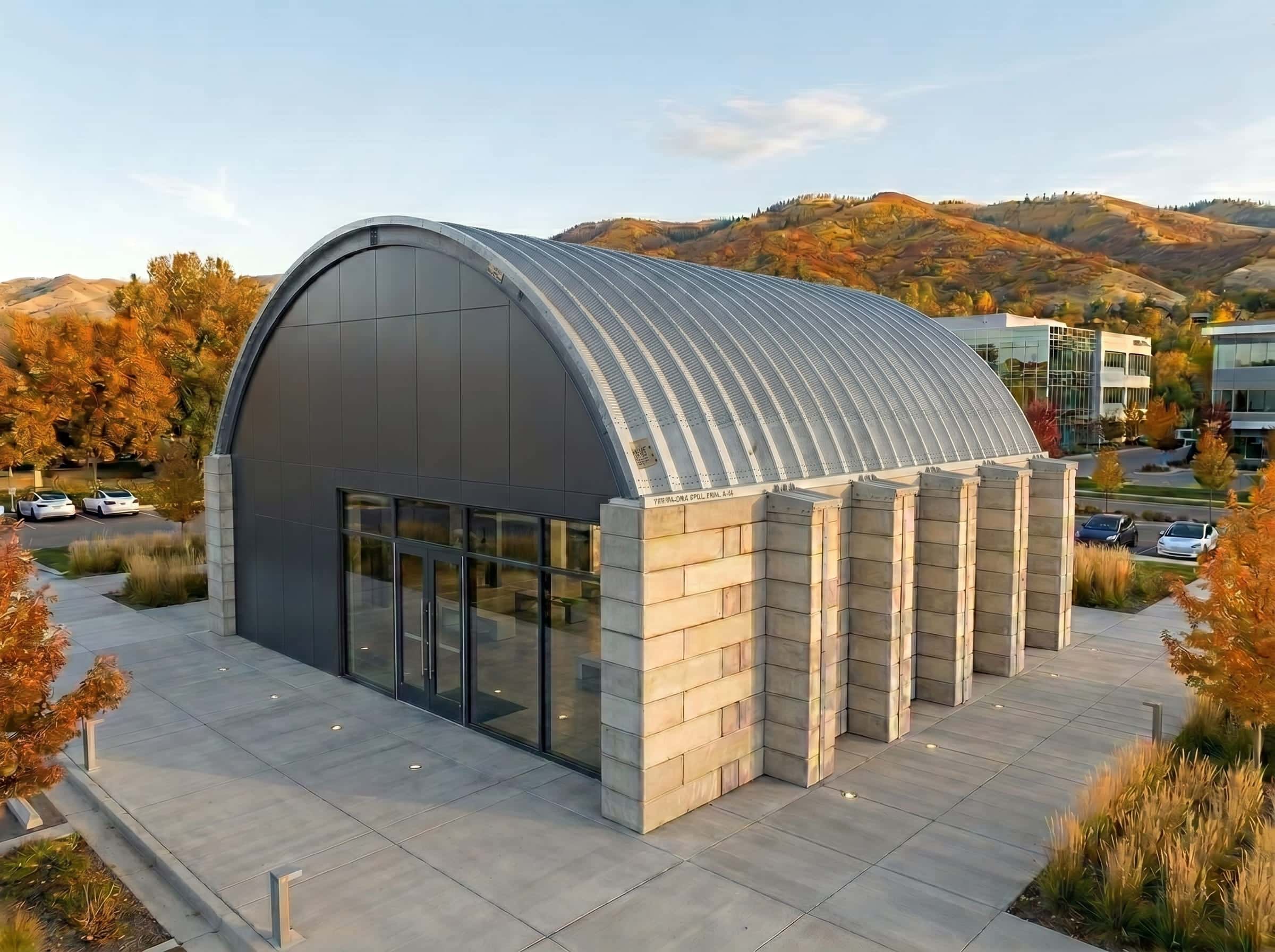
Roofing Systems
Boise’s snow loads and winter conditions make roofing system design a structural, not just an aesthetic, consideration. Steel roofing systems are engineered to carry those loads reliably while providing durable covered protection for walkways, loading areas, equipment shelters, and other open-sided applications where full enclosure is not required.
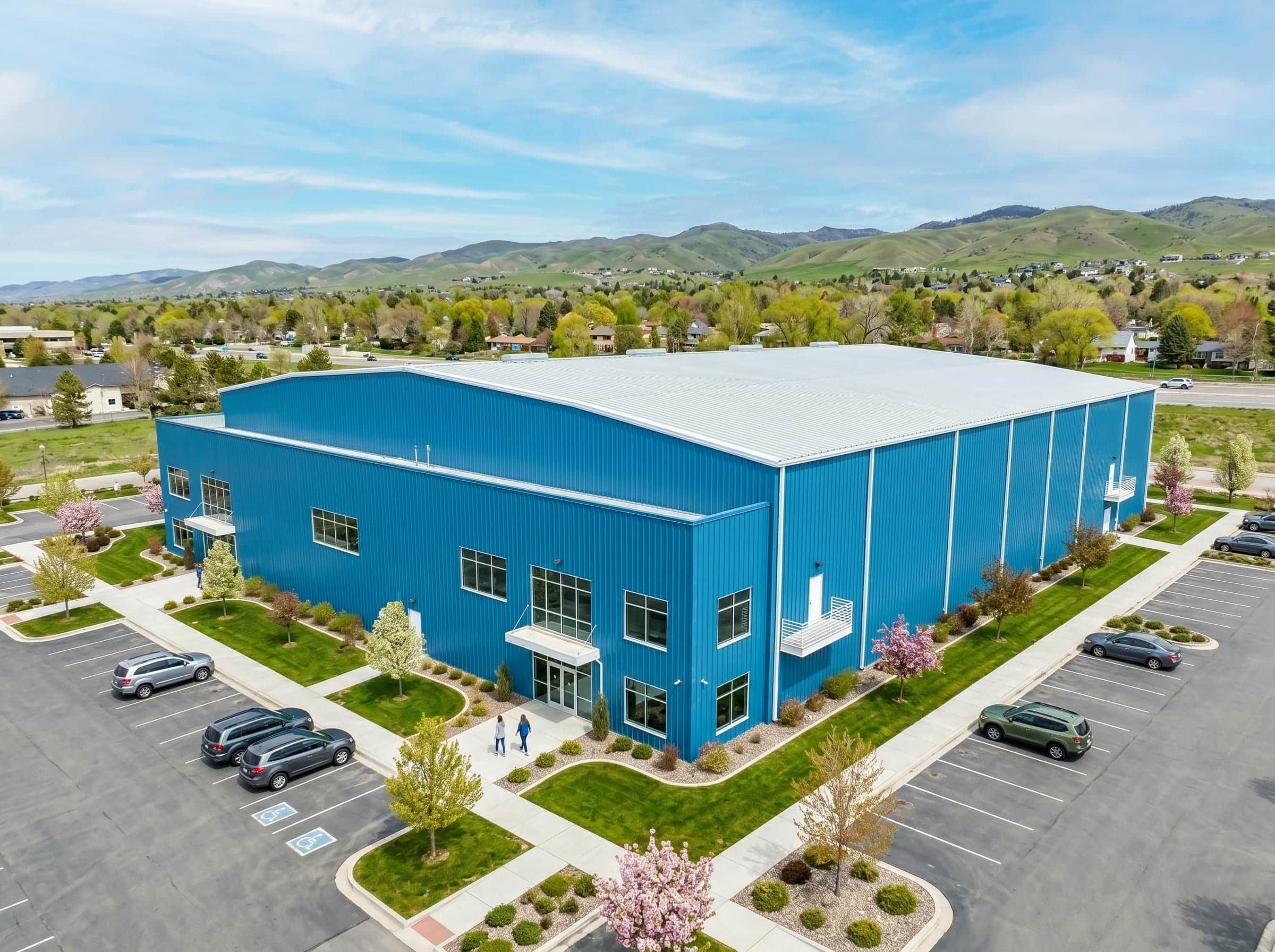
Recreational Buildings
Riding arenas, sports courts, training facilities, and multi-use recreational buildings all share one requirement: wide, unobstructed interior space. Steel clear-span framing delivers that without the columns, posts, or load-bearing walls that would limit how the space can be used or reconfigured over time.
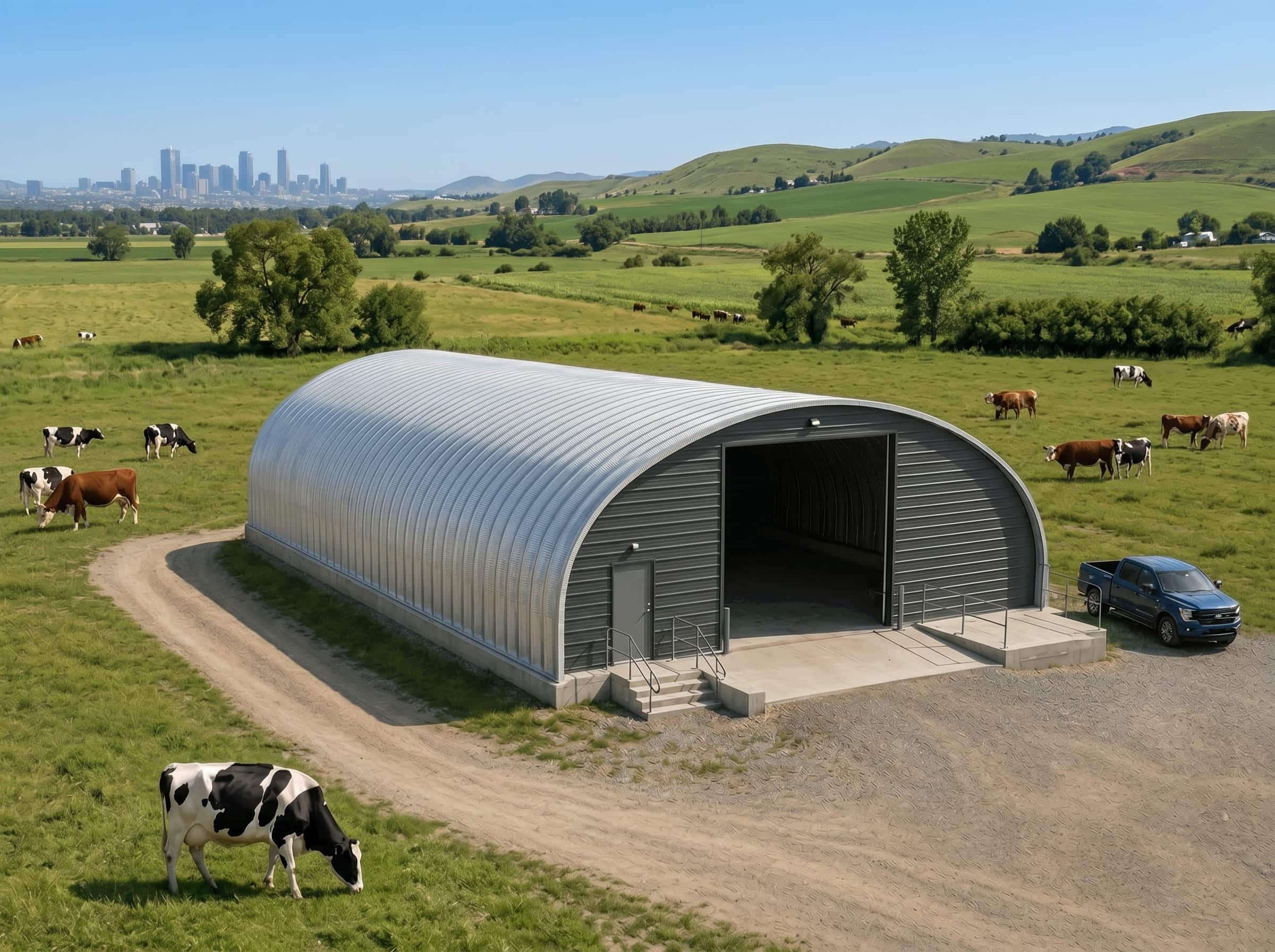
Quonset Huts
Quonset huts provide efficient, clear-span space for storage, workshops, garages, and utility applications without the structural complexity of a straight-wall building. Their arch profile sheds snow effectively, which makes them a practical choice in Boise, where seasonal snow accumulation is a real design consideration.
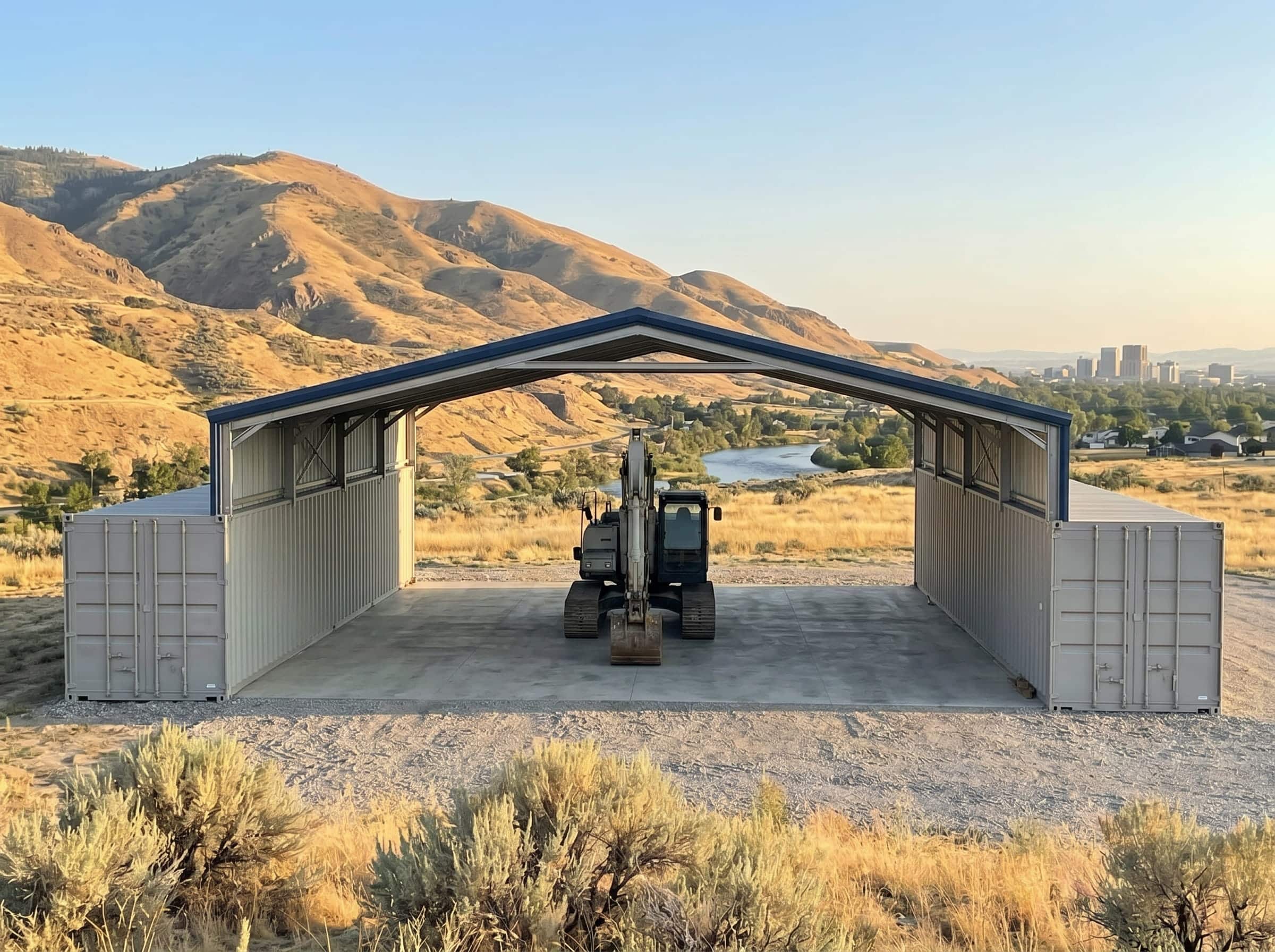
Shipping Container Covers
Container covers span steel framing between shipping containers to create covered working or storage space without constructing a full building. They work well for equipment protection, open storage, vehicle parking, and work areas where overhead coverage matters more than full enclosure.
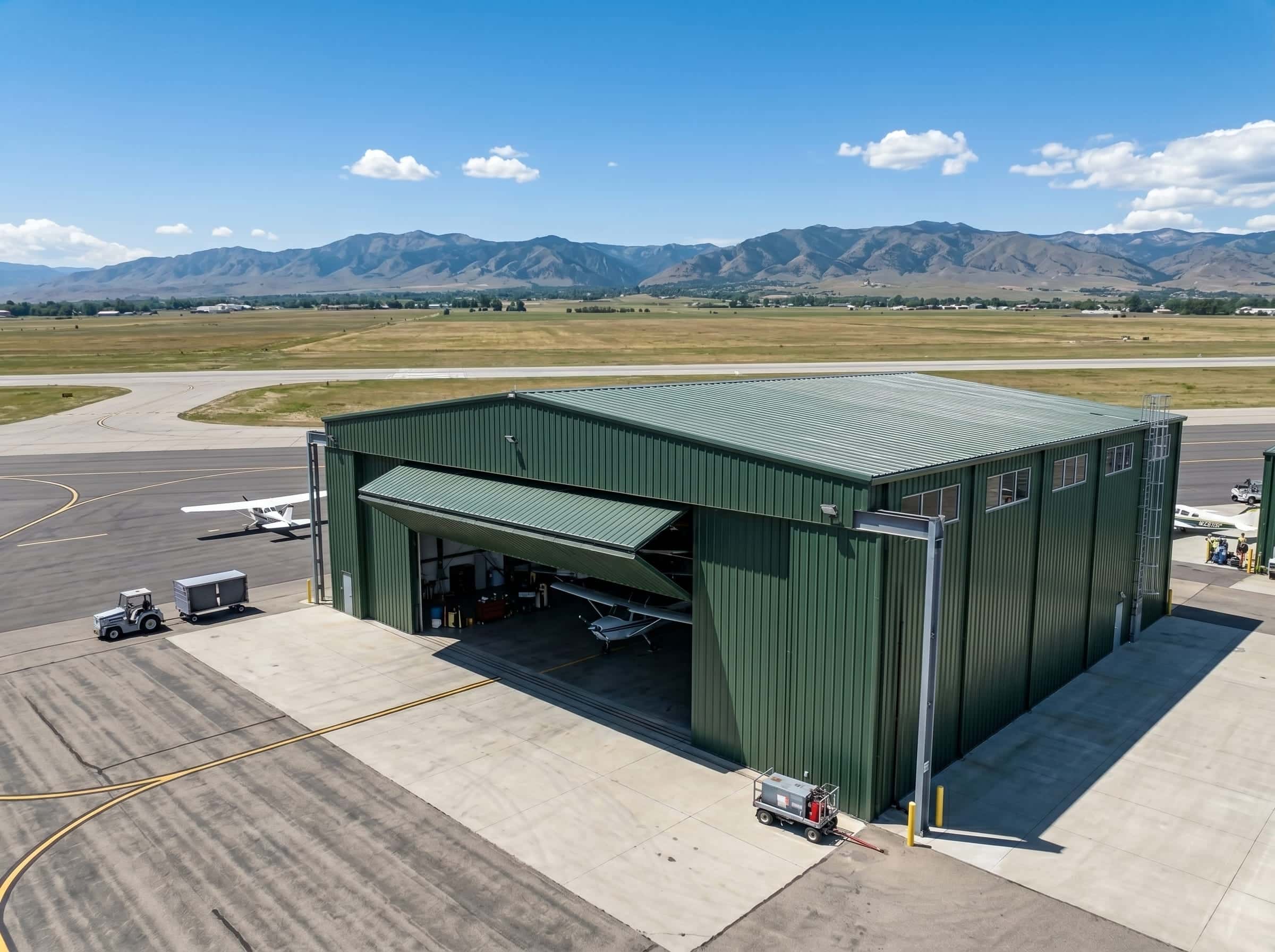
Aircraft Hangars
Hangars demand structural precision. Wide clear spans, tall door openings, and completely unobstructed interior space are non-negotiable for aircraft movement, servicing, and storage. Steel can be engineered to meet those dimensional and loading requirements exactly, without the structural compromises that affect lighter or less capable framing systems.
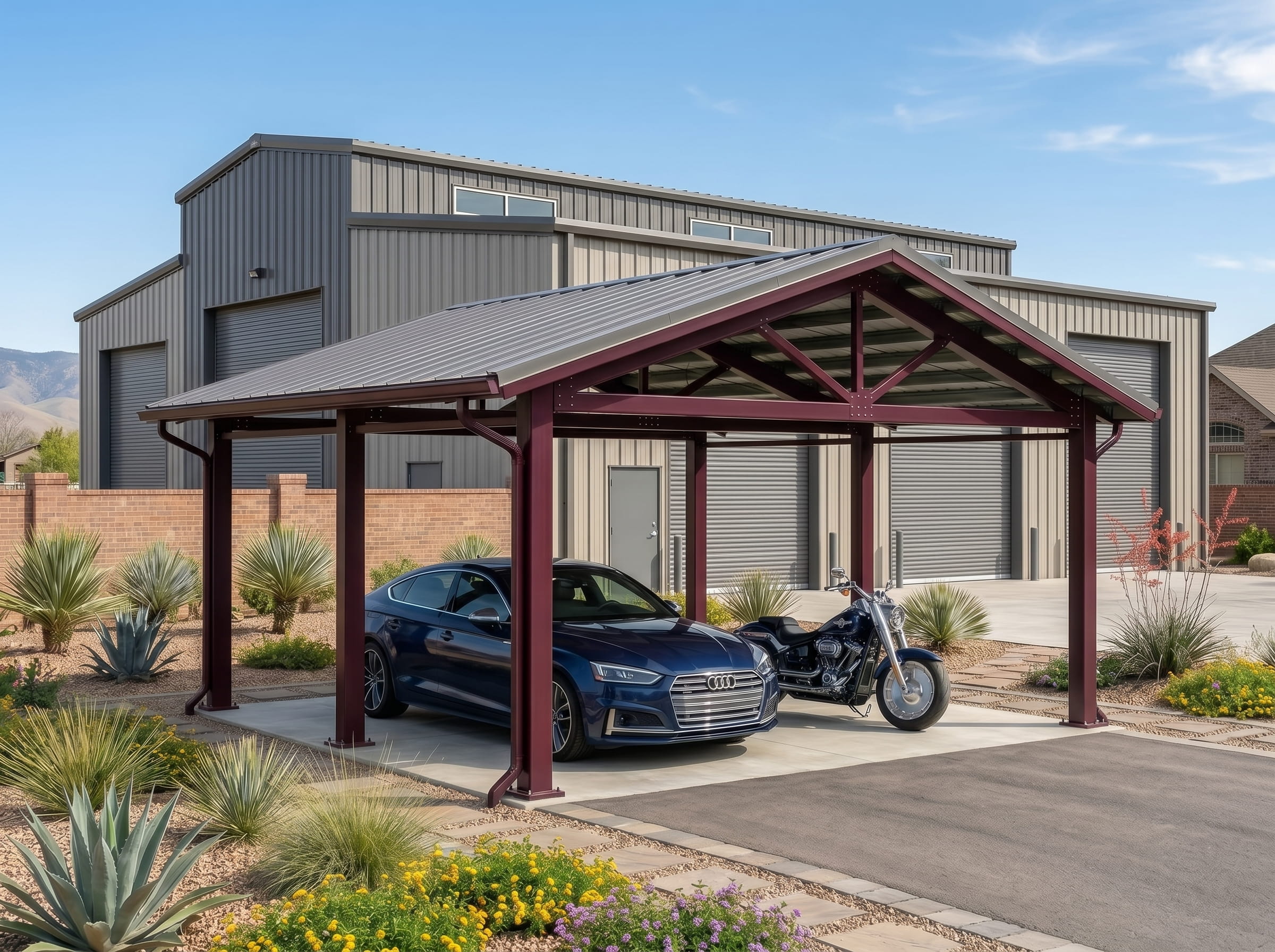
Steel Carports
A steel carport in Boise needs to be engineered for snow loads and winter exposure, not just warm-weather overhead coverage. Properly designed steel carports provide reliable protection for vehicles, trailers, RVs, and equipment in Boise’s winter conditions without the ongoing maintenance demands of wood or lighter-frame alternatives.
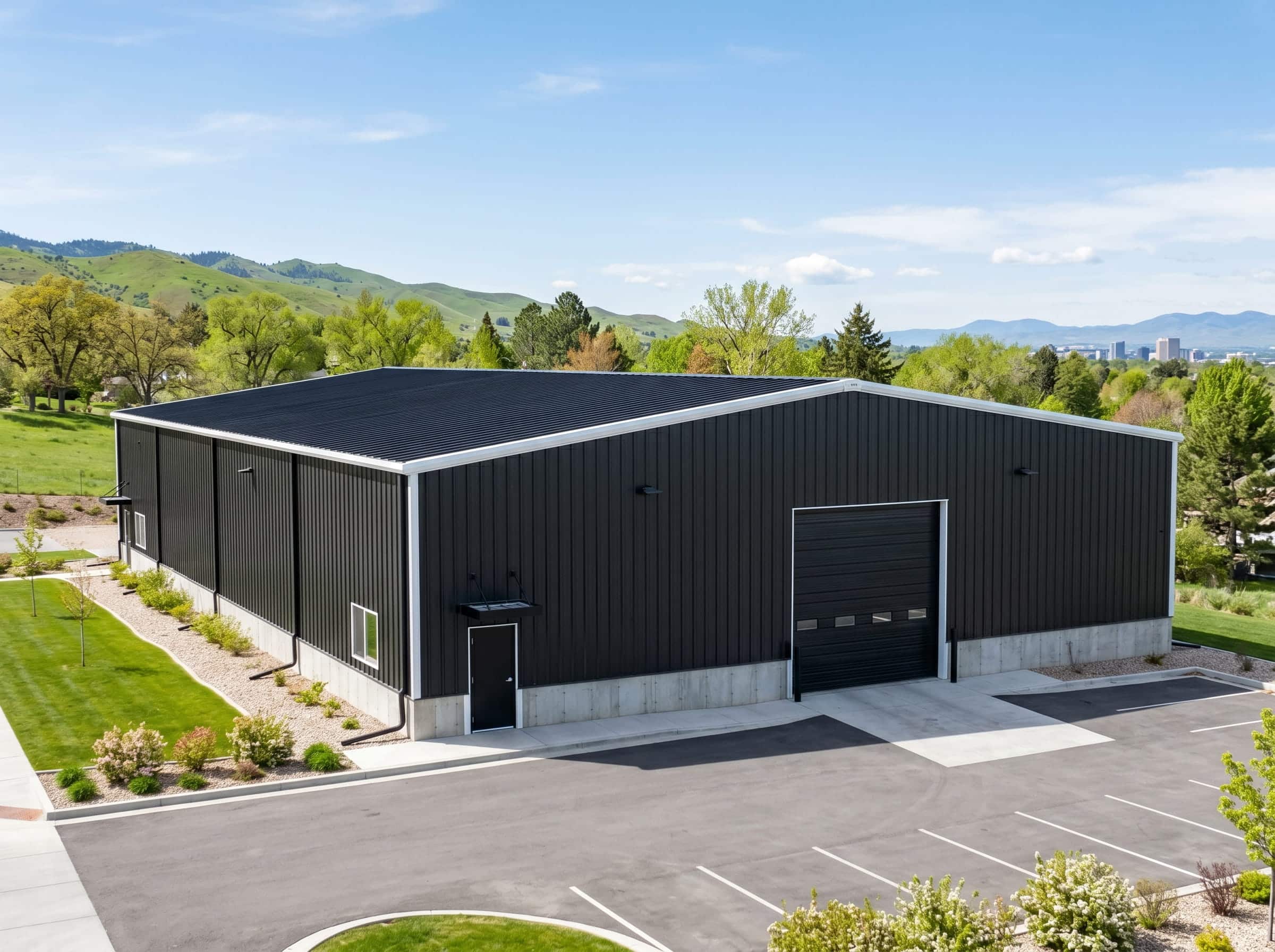
Warehouse Buildings
Boise warehouse buyers need interior space that works as hard as the operation it supports. Steel clear-span framing, large framed openings, and practical access layouts make it easier to plan a warehouse around actual storage volume, equipment dimensions, and workflow requirements rather than around what the structural system will allow.
Steel Building Systems Available in Boise
Boise projects vary widely in span, use, and structural requirements, and the right building system should reflect that. Toro offers red iron straight-wall systems for projects where wall height, large openings, and structural rigidity are primary considerations. Straight wall cold-formed steel systems provide a practical solution for smaller spans and lighter-duty applications. Arch-style Quonset structures offer efficient, clear-span coverage for storage, garages, workshops, and utility use where the curved profile and simplified framing align well with the project’s needs. Matching the structural system to the project’s actual demands is part of Toro’s approach to every Boise build from the start.
What Affects the Cost of Steel Buildings in Boise
Steel building pricing in Boise is driven by a combination of structural, site, and project-specific variables that cannot be reduced to a single square-footage number. Building dimensions and wall height establish the basic structural envelope. Roof profile and framing complexity add to that. The number, size, and placement of framed openings directly affect frame design and material requirements. Insulation specification matters in Boise’s climate, given the temperature range the building needs to perform across. The intended occupancy classification determines which code requirements apply and what engineering documentation the permit process requires. Site conditions, including frost depth and soil bearing capacity, influence foundation design. Delivery distance and installation logistics round out the cost picture.
Buyers who receive a quote that does not address those variables are not receiving an accurate number. Toro works through those inputs before pricing is issued, so the quote reflects what the project actually requires.
That is why two buildings with similar footprints can still price very differently once real design and performance requirements are accounted for.
Want to compare layouts and features before requesting a quote? Start designing your building with our 3D Builder below.
Steel Building Kits Boise Buyers Can Customize
Buyers searching for metal buildings in Boise are rarely looking for a fixed, off-the-shelf shell. They are looking for flexibility. A properly designed steel building kit can be planned around:
- Overall footprint and wall height
- Structural system
- Roof shape and slope
- Framed openings and access requirements
- Insulation and ventilation
- Trim and finish options
- Future expansion needs
That matters because a garage, workshop, warehouse, and mixed-use building may all use steel, but they do not share the same layout priorities or structural demands.
Building Codes in Boise
The City of Boise’s Building Division administers permitting and inspections for construction projects within the city. Local design criteria that directly affect steel building projects include a 24-inch frost line depth and a 10-degree Fahrenheit winter design temperature, both of which have real implications for foundation design and structural framing. Idaho has adopted the 2018 International Building Code with state-specific amendments as the governing structural code framework.
Permitting, occupancy classification, structural design documentation, and code compliance need to be addressed at the beginning of the project. Buyers who treat code requirements as a later administrative step often encounter redesign costs, permit delays, and project setbacks that a properly planned project avoids entirely. Toro incorporates the applicable Boise and Idaho code requirements into the engineering and design process from the outset.
What to Look for in Metal Building Companies in Boise
When evaluating steel building suppliers in Boise, buyers should look beyond polished visuals and broad product claims. A serious supplier should be able to explain:
- What code framework applies to the project
- How the building is being designed for Boise conditions
- Which structural system best fits the span and use
- How openings affect layout and engineering
- What is included in the quote
- Whether permit-ready engineering is included
- What warranty coverage applies
- Whether in-house engineering supports the project
- How long has the company been handling projects at this level
That level of clarity is often what separates a properly engineered building from a package that only looks good on paper.
Start Your Boise Steel Building Project with Toro
Toro Steel Buildings brings the engineering depth, manufacturing capacity, and project experience to handle Boise builds of any scale and complexity. From the first conversation through final fabrication, every project is developed around the site, the conditions, and the structural demands the building will face over its service life. If you are planning a garage, an agricultural structure, a commercial facility, or a large-scale industrial building in the Boise area, the process starts with a straightforward conversation about what the project actually requires. Reach out online or call 1-877-870-8676 to speak with a building specialist and get a quote built around your project.