


Steel Buildings Idaho
Strong Prefabricated Steel Buildings in Idaho
Reliable Steel Buildings in Idaho
Idaho, the Gem State, is well known for its thriving agricultural, manufacturing, and tourism industries. It is, therefore, no surprise that more business owners are choosing to move their operations to Idaho and start new businesses. If you are starting a business or expanding your operations, you need a convenient building solution that is reliable, durable, and cost-effective. Pre-engineered steel buildings are the solution.
Toro is an industry-leading supplier of the highest quality steel building kits and metal buildings in Idaho, including Boise. With many years of experience supplying metal buildings to the residents of Idaho for residential and commercial applications, you can count on us to provide you with the best metal building solutions tailored to your needs.
Why Choose Toro Steel Building in Idaho
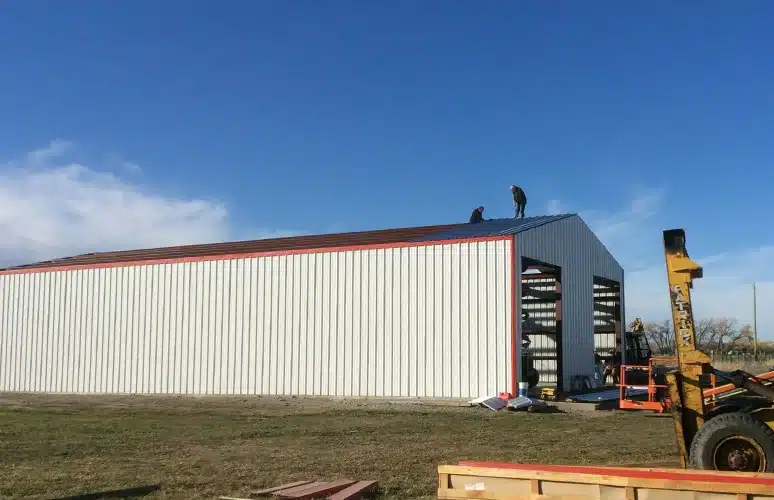
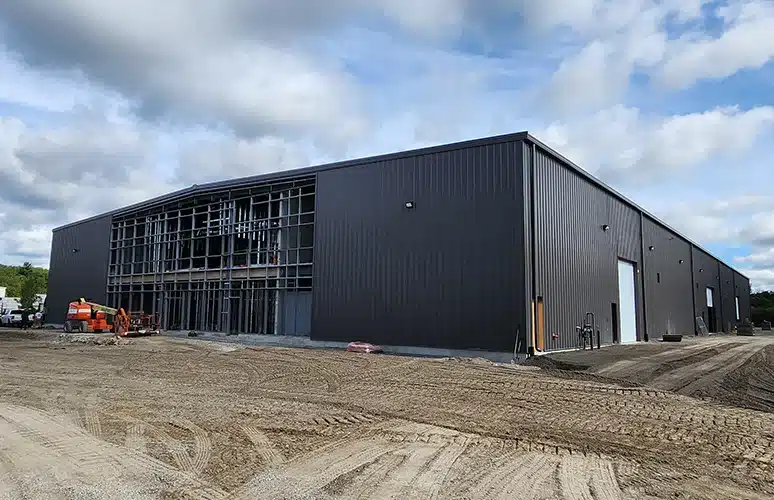
Over the many years we’ve served the people of Idaho, we can confidently say that we understand the unique needs of the market. As such, our team has designed and built a wide variety of building solutions specifically tailored to the area, including barndominiums, metal barns, livestock and storage facilities, metal garages, and even beautifully designed riding arenas.
In addition to our prefab metal building solutions, business owners can work hand in hand with our exceptional team to design and optimize custom buildings and structures tailored to their unique needs. This includes adding wash racks, tack rooms, and more. Additionally, all our metal buildings for sale in Idaho are designed to endure even the harshest weather conditions.
Residential, Commercial
& Industrial Steel Buildings in Idaho
Agricultural Steel Buildings
Agricultural steel buildings are a reliable solution for a wide range of farming needs in Idaho. They can be used for equipment storage, hay and feed storage, livestock shelter, and daily farm operations. Built for durability and flexibility, these structures can be customized to suit different agricultural properties. Their low-maintenance design and durability make them a practical choice for year-round use.
Arenas and Recreational Buildings
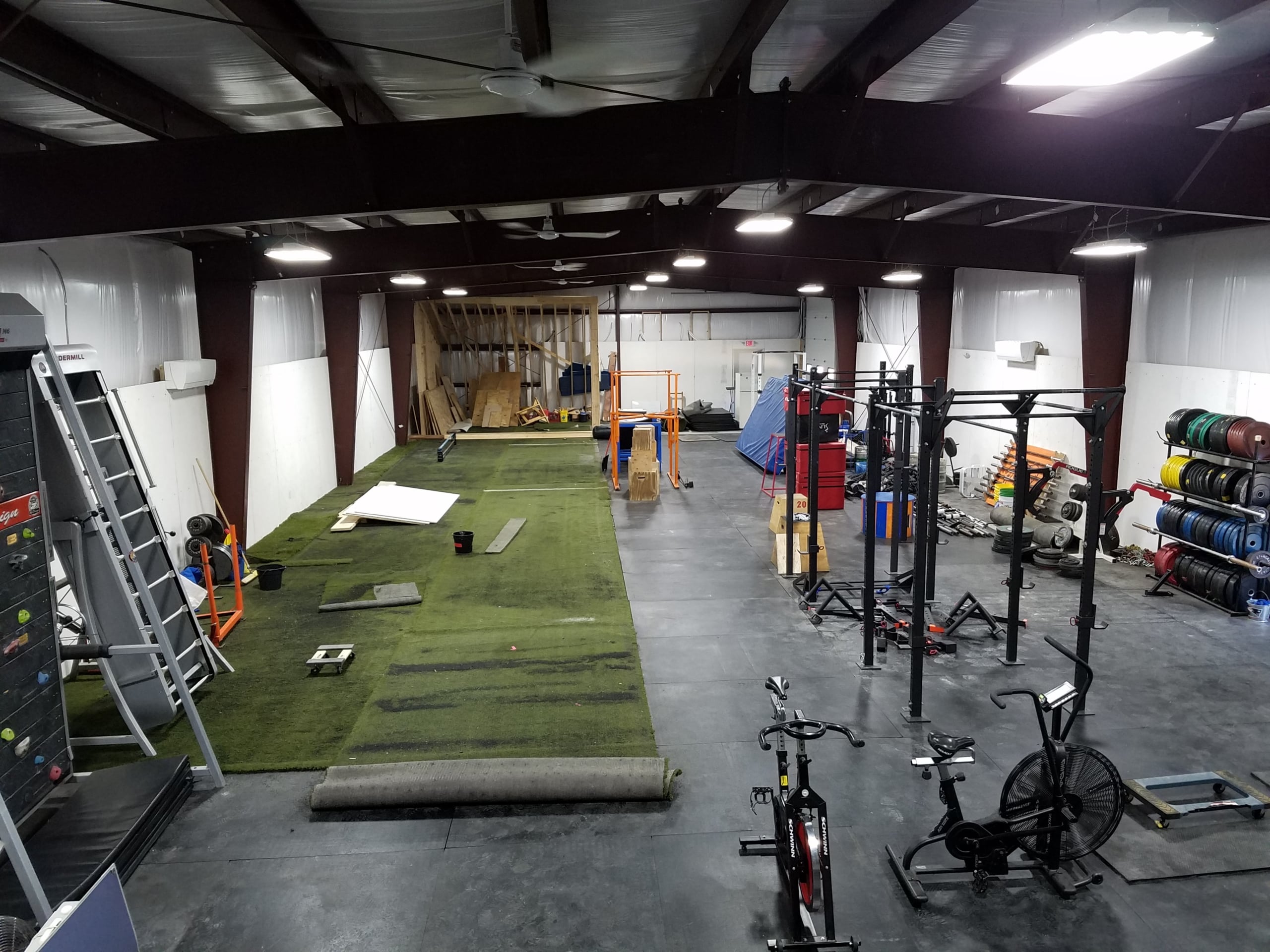
Arenas and recreational steel buildings offer wide, open space for a variety of activities and uses. They are well-suited for riding arenas, gyms, sports courts, swimming enclosures, training spaces, and other recreational facilities. With clear-span interiors and flexible layouts, these steel buildings can be designed around your specific needs.
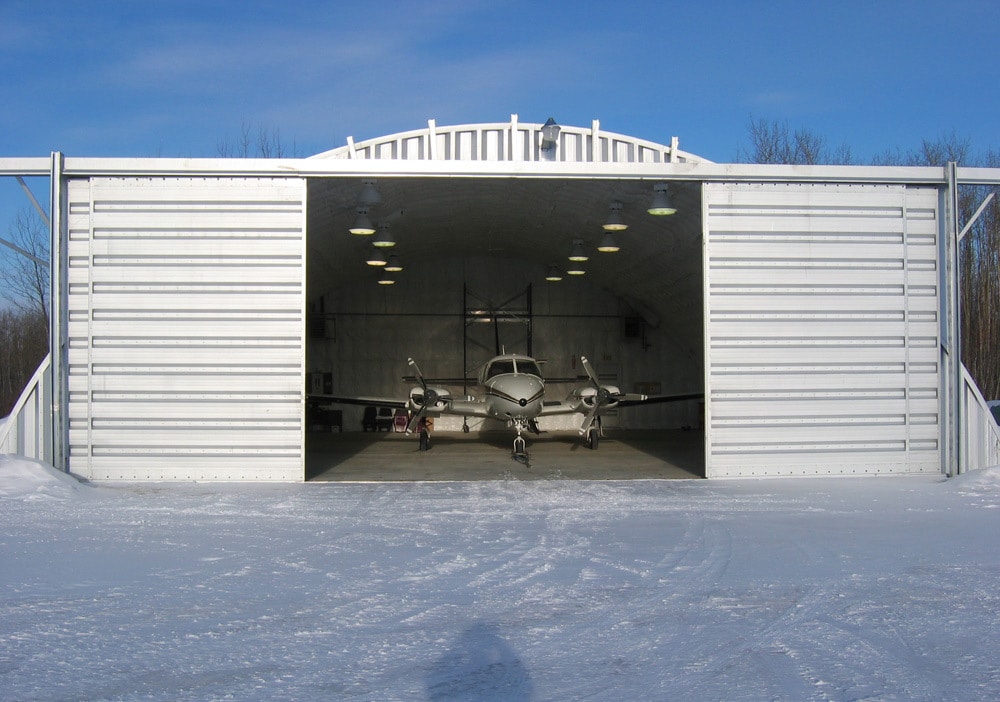
Aircraft Hangars
Aviation steel buildings provide the wide, unobstructed space needed for aircraft storage, maintenance, and daily operations. They are ideal for hangars and aviation facilities that require large openings, flexible layouts, and efficient access. These buildings can also accommodate service areas and equipment storage within the same structure.
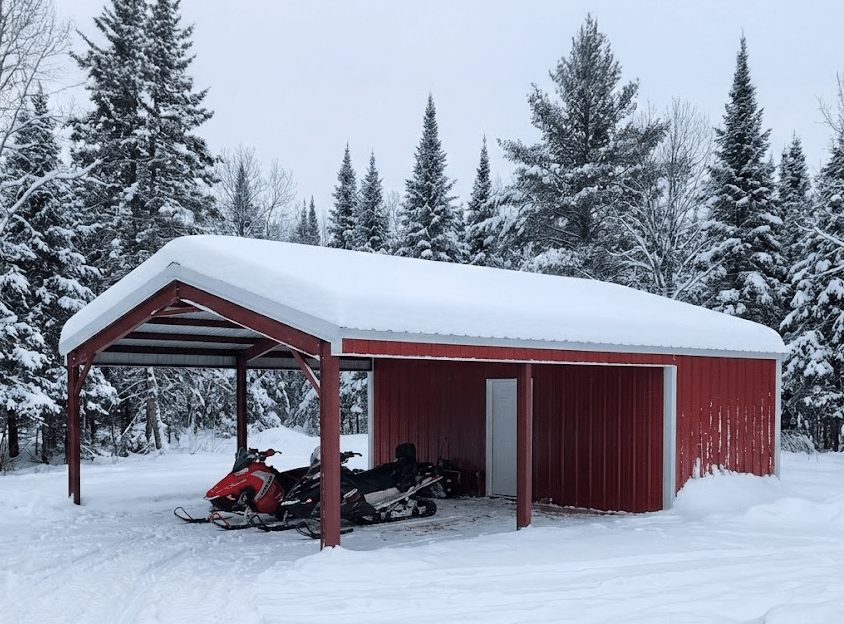
Metal Carports
Metal carports are a smart solution for Idaho property owners who need dependable protection without the cost of a fully enclosed building. They work well for covering cars, trucks, RVs, trailers, farm equipment, and other valuable assets exposed to the elements. With open, accessible layouts and customizable sizing, carports can be adapted for residential, agricultural, and commercial use.
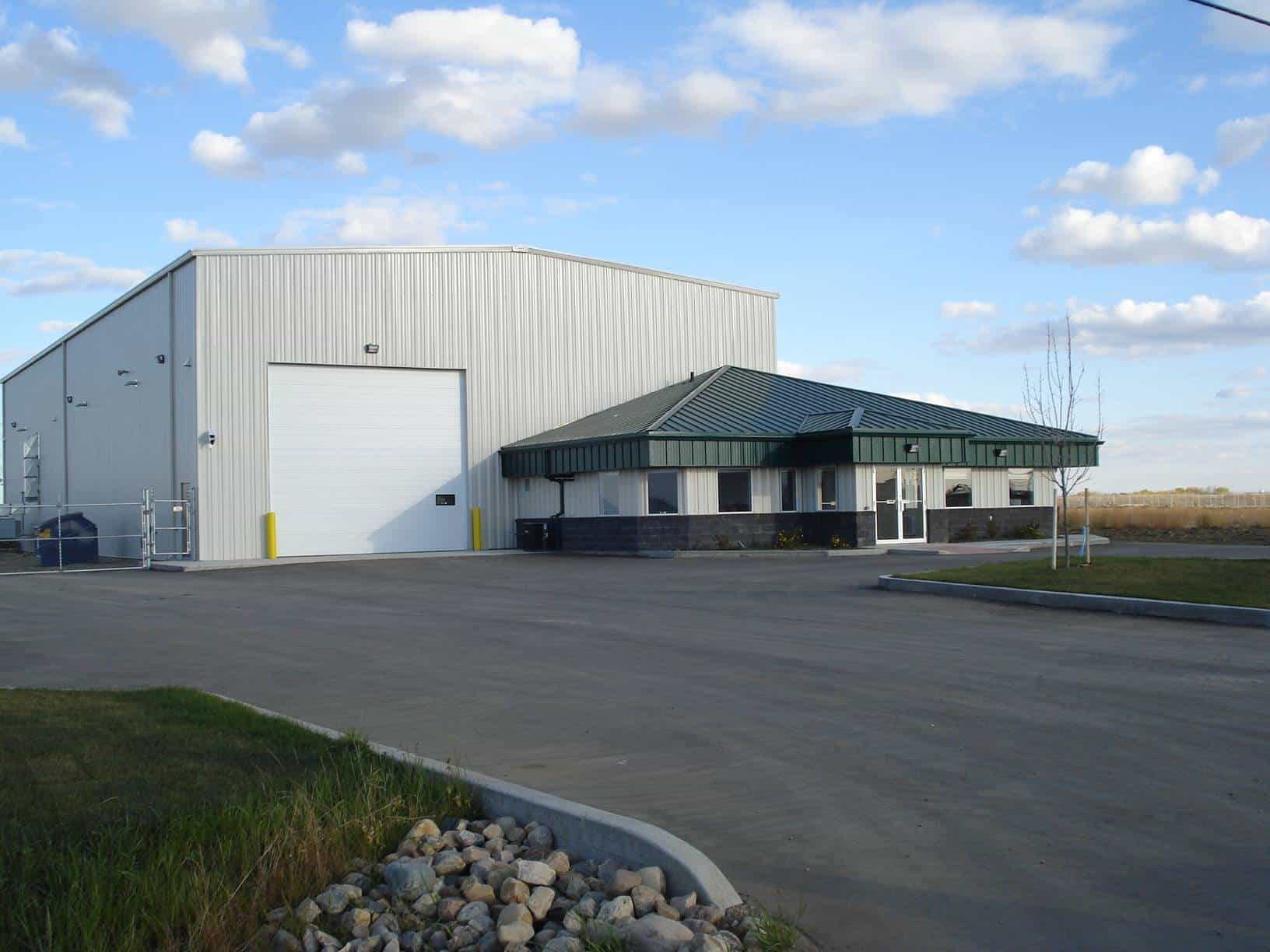
Commercial & Industrial Buildings
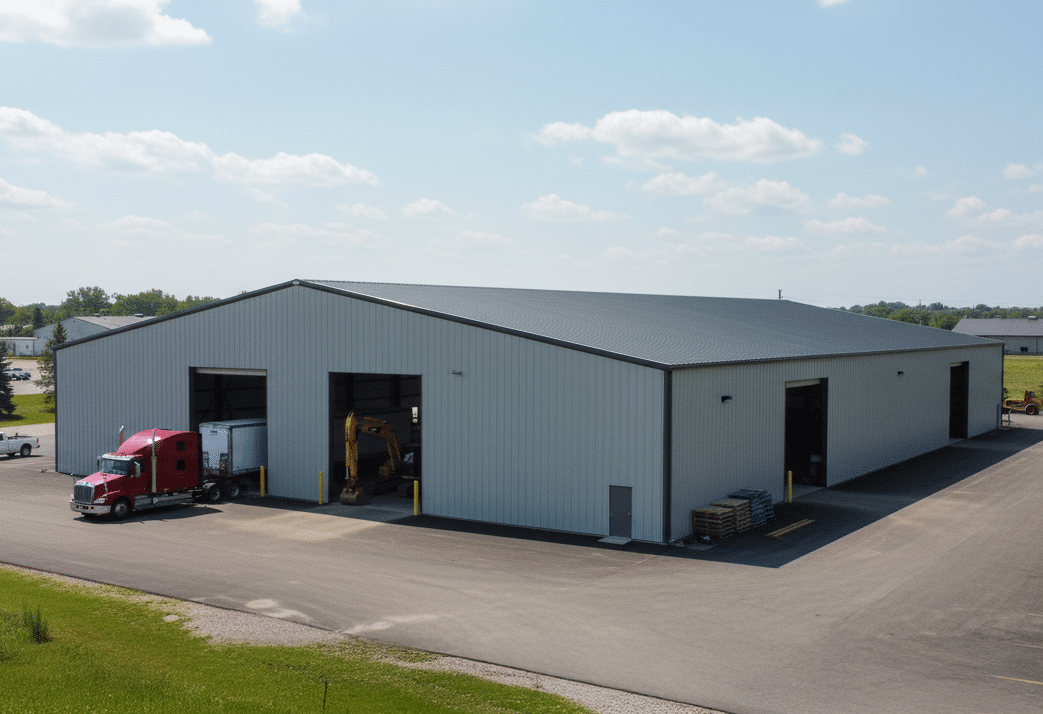
Commercial and industrial steel buildings offer the strength, flexibility, and usable space businesses need for efficient daily operations. They are ideal for offices, retail spaces, warehouses, service centers, and other commercial applications that require adaptable layouts. With clear-span interiors and customizable design options, these buildings can be tailored to a wide range of business needs.
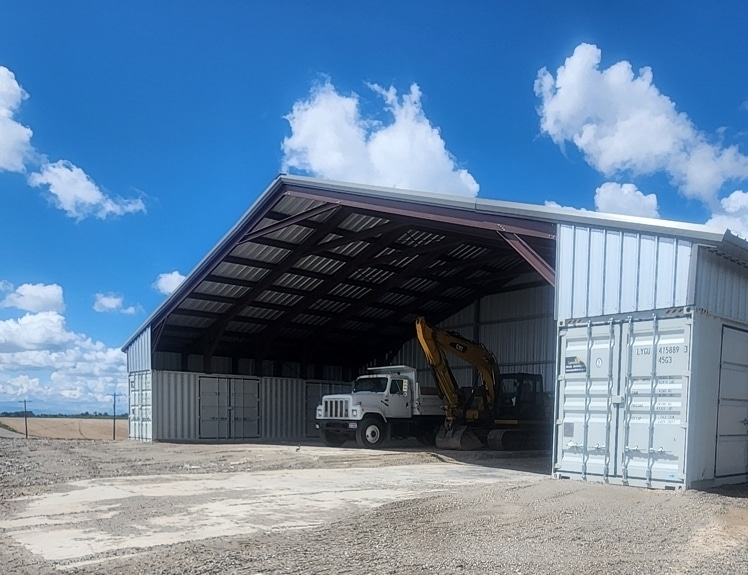
Container Covers
Container covers are a practical solution for creating protected space at farms, job sites, industrial yards, and storage areas. Using shipping containers as a base, they provide quick, efficient coverage for equipment, materials, and daily operations. Their flexible design makes them easy to adapt to different widths and worksite needs. With durable steel construction, container covers provide protected space where it matters most.
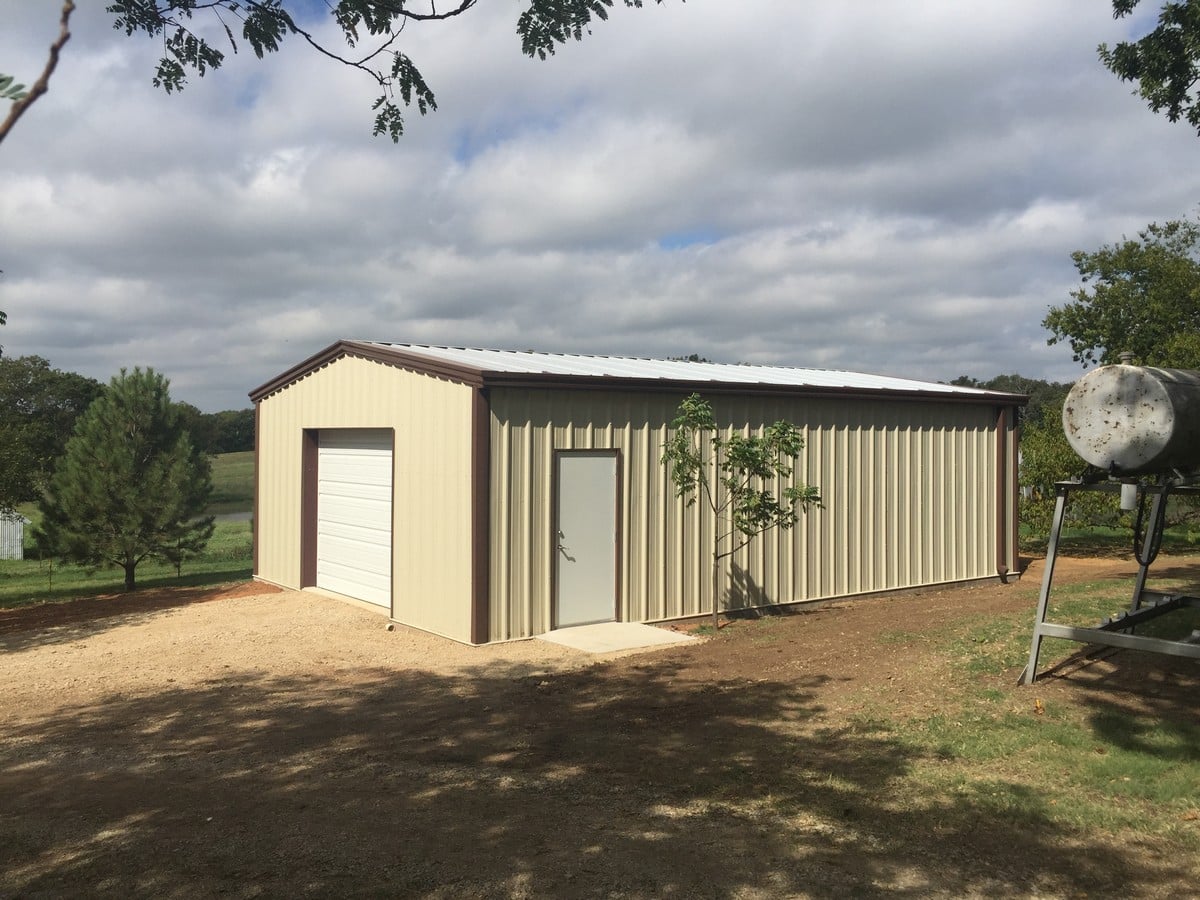
Storage Buildings
Storage buildings are engineered to provide secure, efficient space for equipment, materials, inventory, and general storage needs. Their flexible layouts make them suitable for everything from personal storage to commercial and light industrial use. Steel construction offers strong structural performance, low maintenance, and dependable protection over time. For property owners in Idaho, they provide a practical and durable solution for adding reliable storage space.
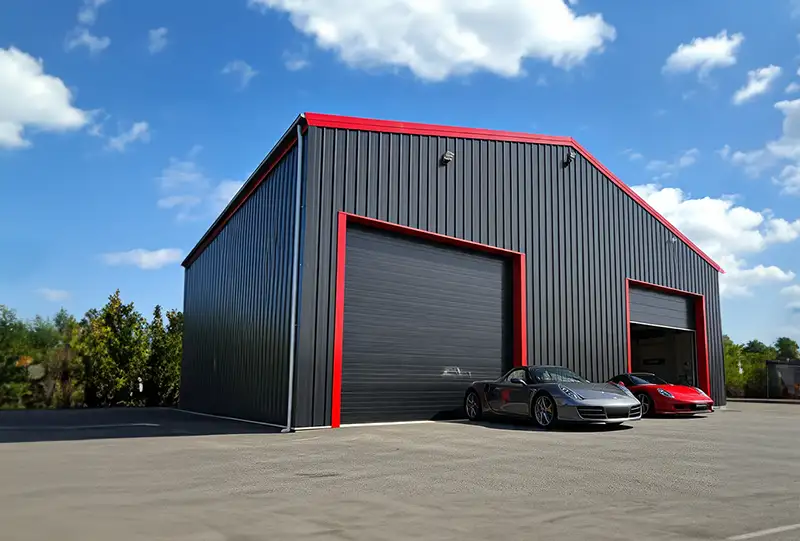
Steel Garages
Steel garage buildings provide secure, enclosed space for vehicles, tools, equipment, and everyday storage needs. They can be designed with single-bay or multi-bay layouts, roll-up doors, walk doors, windows, and added workspace if needed. Steel construction offers long-term strength, low maintenance, and reliable protection from the elements. In Idaho, steel garages are a durable solution for vehicle storage, equipment protection, and enclosed workspace.
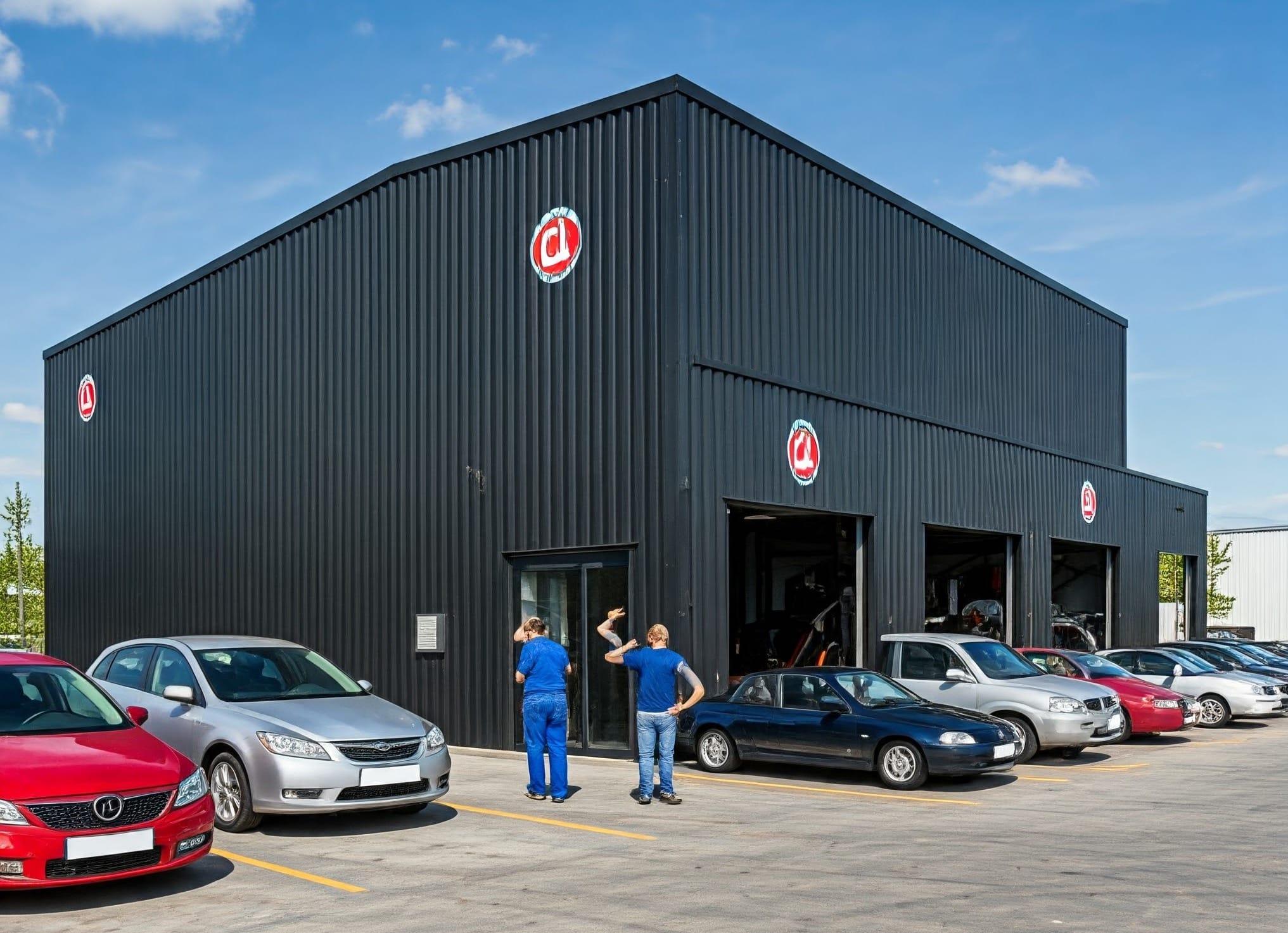
Steel Workshop Buildings
Workshop steel buildings provide a durable, functional space for repairs, fabrication, woodworking, equipment storage, and other hands-on work. Their open layouts can be customized to accommodate tools, machinery, and workbenches, enabling efficient day-to-day use. Steel construction offers the strength, low maintenance, and long-term performance needed for frequent use. For property owners in Idaho, these are a practical solution for creating an efficient and versatile workspace.
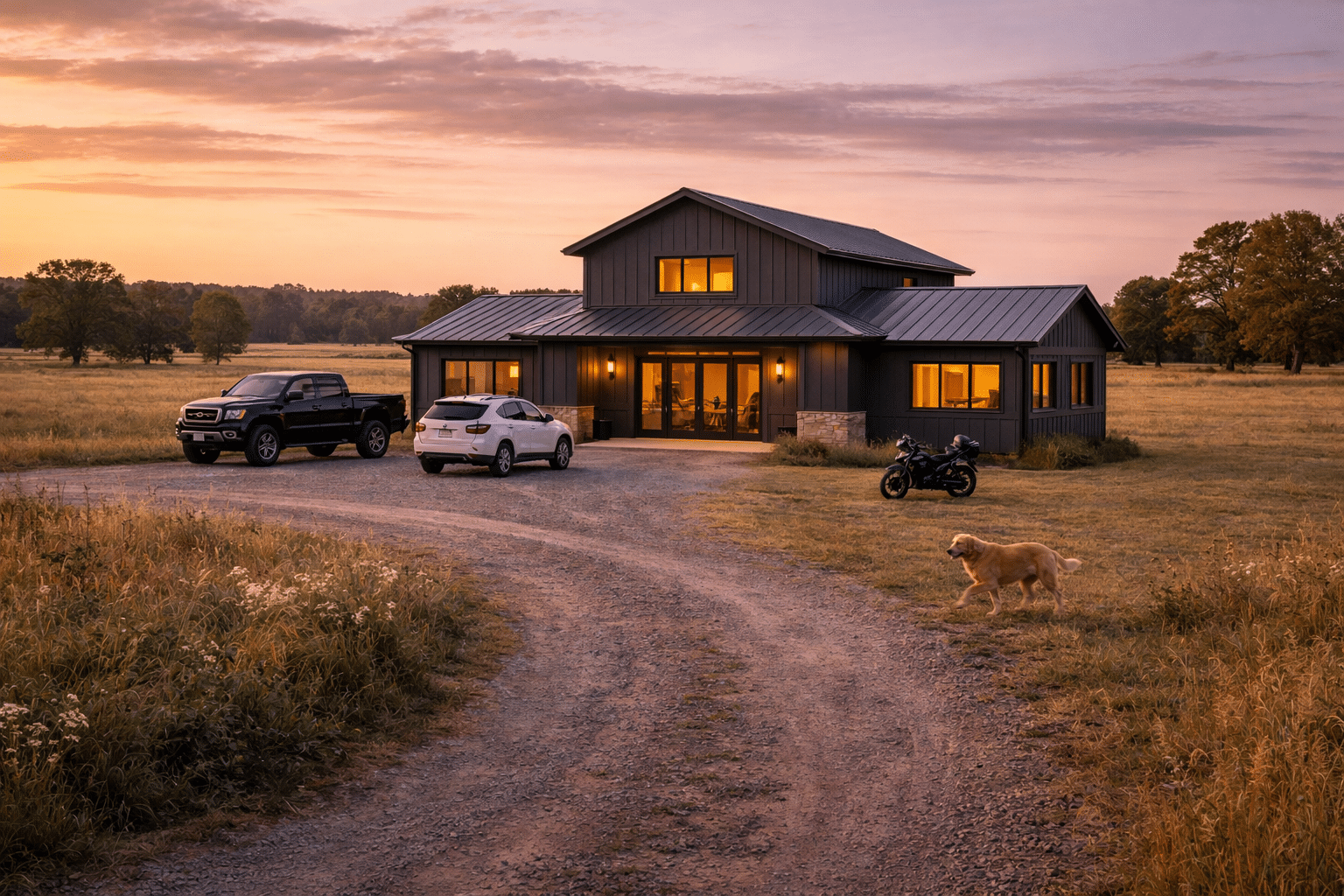
Barndominiums
Steel barndominium buildings are engineered to combine residential space with functional utility areas within a single structural system. Their clear-span potential and flexible framing allow for open living layouts, integrated garages, workshops, and storage areas without sacrificing design efficiency. Steel construction provides strong structural integrity, dimensional stability, and lower maintenance over the life of the building.
Steel Buildings Engineered for Idaho
Idaho presents a wide range of structural design conditions that must be addressed through proper engineering. Projects in lower-elevation areas may face different snow, wind, and temperature demands than buildings in mountain regions or eastern parts of the state. Local code criteria can also vary by jurisdiction, which is why steel buildings in Idaho should be engineered to the exact project location rather than designed around broad statewide assumptions.
Steel buildings are designed using a combined load approach, meaning roof loads, wind forces, seismic effects, and other environmental demands are evaluated together to determine how the structure performs as a complete system. This allows the framing, secondary members, bracing, and connections to work together under real project conditions.
Snow Load Design
Snow load is one of the most important structural design factors for steel buildings in Idaho. While some lower-elevation areas publish relatively moderate design criteria, other jurisdictions and higher-elevation regions require much greater snow-load capacity. Roof slope, purlin spacing, framing design, and connection detailing all need to be matched to the site-specific snow demand.
Wind Resistance
Steel buildings in Idaho must also be engineered for wind pressure, uplift, and lateral loading. Local jurisdictions such as Caldwell and Twin Falls publish wind design criteria that show why anchorage, diaphragm action, bracing systems, and connection strength are important parts of the overall design.
Seismic Design Considerations
Idaho is not a uniform seismic environment, so seismic design must be based on the project site and applicable code procedures. Depending on the location, soil conditions, and occupancy, the building may require different lateral-force-resisting strategies to maintain structural stability.
Temperature, Moisture, and Building Envelope Performance
Idaho buildings often need to perform through cold winters, summer heat, and seasonal moisture changes. That makes roof and wall assemblies, insulation strategy, condensation control, drainage detailing, and protective finishes important to long-term performance. In practical terms, the building envelope must be designed not only for strength but also for thermal efficiency and moisture management.
Local Code and Site-Specific Requirements
Idaho uses adopted state building codes, but local jurisdictions may publish additional design criteria such as snow load, wind speed, frost depth, and seismic information. For that reason, a steel building in Boise, Twin Falls, Coeur d’Alene, or Idaho Falls should be engineered based on the actual site data, intended use, and permit requirements, rather than a generic standard package.
Idaho Building Codes and What They Mean for Your Metal Building Kit
Idaho steel buildings should be engineered around the exact project location, intended occupancy, and jurisdictional review requirements. The state publishes adopted building codes through the Idaho Division of Occupational and Professional Licenses, while local jurisdictions may also issue their own design criteria for snow load, wind speed, frost depth, and plan review. That means a metal building kit in Idaho cannot be engineered accurately from a broad statewide template alone; it has to reflect the actual site and permit path.
Several design variables can directly affect both the engineering scope and the final cost of a steel building in Idaho. These commonly include ground snow load, wind design criteria, seismic considerations, frost depth, occupancy classification, exposure conditions, building geometry, and the size and location of framed openings. In many cases, local officials or published municipal criteria establish baseline requirements that the structural design must satisfy before a permit can be approved.
Unlike a one-size-fits-all package, a properly engineered steel building system is coordinated to the project’s actual structural demands. Toro provides engineered steel building systems tailored to project-specific loading, use, and layout requirements, ensuring the final building package aligns with local code requirements and real-world performance needs. That is especially important in Idaho, where design conditions can shift meaningfully between cities such as Boise, Caldwell, and Idaho Falls.
Advantages of Idaho Steel Buildings
Key Factors That Influence Steel Building Costs in Idaho
The cost of steel buildings in Idaho is shaped by more than size alone. A combination of engineering demands, building configuration, local design criteria, and site-specific construction conditions drives final pricing. Because Idaho design requirements can vary widely by region, accurate quoting depends on matching the structure to the actual build location and intended use.
Several important variables can affect total project cost:
- Building Dimensions and Span Requirements: Wider buildings, taller sidewalls, and longer clear spans generally require heavier framing and more structural steel.
- Snow Load by Location: Idaho projects in higher-demand snow regions may require additional structural capacity in the primary framing, purlins, and connection design.
- Wind and Lateral Design Criteria: Wind speed, exposure assumptions, uplift resistance, and bracing requirements can all influence structural design and material quantity.
- Foundation and Frost Considerations: Local frost depth, soil behavior, drainage, and slab-to-frame coordination affect foundation scope and installation cost. Boise publishes a 24-inch minimum frost depth, while Idaho Falls commercial criteria list a 30-inch frost line depth.
- Building System Selection: The choice between red iron, cold-formed, and arch-style construction affects engineering complexity, material weight, and the intended application.
- Openings, Accessories, and Interior Build-Outs: Large overhead doors, framed openings, insulation packages, windows, liner systems, ventilation, and interior improvements can all increase project scope.
- Occupancy and Permit Requirements: Buildings intended for commercial, industrial, assembly, or occupied uses may require more detailed engineering, additional code coordination, and broader documentation during review.
- Project Location and Delivery Logistics: Distance from manufacturing points, site accessibility, and local installation conditions can affect transportation and field execution costs.
Because of these variables, the most reliable way to price a steel building in Idaho is through a project-specific quote based on the actual site, design loads, dimensions, and intended use.
Steel Building Delivery Across Idaho
Toro Steel Buildings supplies engineered metal building kits throughout Idaho, supporting projects in agricultural regions, growing suburban markets, industrial corridors, and remote rural locations. Because delivery planning affects both the schedule and overall project efficiency, our building systems are coordinated around the project location, access considerations, and the site’s structural requirements.
We regularly support steel building projects in markets such as:
- Boise
- Meridian
- Nampa
- Caldwell
- Twin Falls
- Pocatello
- Coeur d’Alene
- Post Falls
- Lewiston
- Rexburg
- Moscow
- Idaho Falls
If your city is not listed, we can still supply steel buildings to projects across Idaho based on your location and project requirements.
Get High-Quality Steel Buildings
in Idaho with Toro
Steel buildings are growing in popularity as they are a reliable, durable, eco-friendly, and cost-effective solution that can be customized to meet various needs and applications. If you are in need of metal building solutions in Idaho, look no further than Toro. We work closely with each client to help them bring their vision to life with metal buildings. Contact us today to learn more about how our steel buildings in Idaho can help your business grow or request a free quote below.