


Steel Building Prices in 2026
What Steel Buildings Really Cost and How to Budget Smarter
If you have been researching steel building prices, you have probably already noticed how hard it is to compare quotes. One site shows a low “starting at” price, another lists kit-only pricing, and a third combines shell, concrete, delivery, and labor into a single figure. The result is that many buyers think they are comparing the same thing when they are not. Toro Steel’s pricing guidance is built around a different principle: real project pricing should reflect the exact location, loads, design details, and delivery requirements of the building, not a generic base model.
A useful way to think about pricing is to separate it into three levels: kit-only, installed shell, and fully finished or highly customized. Across the broader market, kit-only steel building prices are commonly described in the mid-teens to mid-twenties per square foot for basic packages. At the same time, turnkey or installed costs typically land much higher once slab, freight, labor, and accessories are included. Some recent industry guides place shell-only packages at $30 to $68 per sq. ft., installed buildings at $55 to $114 per sq. ft., and more specialized commercial or industrial projects at higher levels depending on complexity.
That said, setting a single fixed price for a steel building is often misleading. Final cost depends on the exact site location, the wind, snow, and seismic loads for that site, the intended use of the structure, the building design itself, the doors and windows, finishing options, accessories, and the delivery destination. In other words, a real quote is engineered, not guessed.
Quick Answer
For budget planning, a basic steel building kit is often estimated at $30 to $68 per square foot, while many installed or turnkey steel buildings cost $55 to $114 per square foot. Simpler agricultural or storage buildings can trend lower, while larger clear-span commercial or industrial projects with heavier engineering and more accessories can trend higher.
*Pricing Disclaimer: The prices shown are preliminary budgeting estimates and are not guaranteed quotes. Steel mill pricing can change in response to raw material costs, energy prices, manufacturing demand, tariffs, supply availability, transportation expenses, and broader market conditions. Government pricing data also shows that steel mill product prices can rise or fall over time rather than remaining fixed.
Actual steel building prices may therefore differ from the ranges shown, even for buildings of the same size. Final pricing is determined when the project specifications, delivery location, structural loads, options, freight requirements, and current material costs are confirmed. Request a project-specific quote for the most accurate and up-to-date price.
What You Are Actually Paying For
A steel building price is not just the steel frame. At a minimum, buyers need to understand whether the quote covers only the manufactured package or includes more of the project. A realistic steel building budget may include:
- The engineered steel package
- Roof and wall panels
- Structural framing sized for local loads
- Freight and delivery
- Concrete slab and foundation
- Erection labor
- Doors, windows, insulation, and ventilation
- Local code upgrades and permit-related engineering
Many published market prices are base prices and may not reflect local code requirements, framed openings, accessories, finishing options, or delivery.
Steel Building Prices by Size
The following estimates include only steel building kit packages (frame, roof, and wall panels). Prices do not include concrete foundations, installation, permits, or accessories. Final costs will vary based on engineering requirements, location, and building customization.
| Size (ft) | Estimated Kit Price Range | Price / Sq Ft Range |
|---|---|---|
| 30×30 metal building | $48,000 – $57,000 | $54.00 – $63.00 |
| 30×40 metal building | $64,500 – $78,000 | $54.00 – $64.50 |
| 30×50 metal building | $81,000 – $97,500 | $54.00 – $65.10 |
| 30×60 metal building | $97,500 – $115,500 | $54.00 – $65.40 |
| 30×80 metal building | $102,500 – $121,250 | $42.50 – $50.00 |
| 30×100 metal building | $125,000 – $151,250 | $42.00 – $49.50 |
| 40×40 metal building | $90,000 – $108,000 | $57.00 – $67.50 |
| 40×50 metal building | $109,500 – $130,500 | $54.00 – $64.50 |
| 40×60 metal building | $124,500 – $145,500 | $51.00 – $60.00 |
| 40×80 metal building | $137,500 – $163,750 | $42.50 – $50.00 |
| 50×50 metal building | $107,500 – $128,750 | $43.75 – $51.25 |
| 50×60 metal building | $125,000 – $152,500 | $42.50 – $50.00 |
| 50×80 metal building | $136,000 – $166,000 | $35.00 – $42.00 |
| 50×100 metal building | $144,000 – $176,000 | $30.00 – $37.00 |
Typical Installed Building Square Foot Costs
When installation, slab work, and additional building components are included, the overall project cost increases.
| Size (FT) | Kit Cost Range | Installed Price Range | Cost / Sq Ft Range |
|---|---|---|---|
| 30 × 30 steel building | $55,200 – $65,550 | $81,075 – $101,775 | $93.15 – $113.85 |
| 30 × 40 steel building | $74,175 – $89,700 | $108,675 – $132,825 | $93.15 – $113.85 |
| 30 × 50 steel building | $93,150 – $112,125 | $134,550 – $165,600 | $93.15 – $113.85 |
| 40 × 40 steel building | $103,500 – $124,200 | $151,800 – $182,850 | $93.15 – $113.85 |
| 30 × 60 steel building | $112,125 – $132,825 | $162,150 – $200,100 | $89.70 – $110.40 |
| 40 × 50 steel building | $125,925 – $150,075 | $182,850 – $224,250 | $89.70 – $110.40 |
| 40 × 60 steel building | $143,175 – $167,325 | $207,000 – $255,300 | $86.25 – $106.95 |
| 50 × 50 steel building | $123,625 – $148,063 | $181,125 – $224,250 | $71.88 – $89.13 |
| 50 × 60 steel building | $143,750 – $175,375 | $207,000 – $258,750 | $71.88 – $89.13 |
| 40 × 80 steel building | $158,125 – $188,313 | $230,000 – $281,750 | $71.88 – $89.13 |
| 50 × 80 steel building | $156,400 – $190,900 | $230,000 – $287,500 | $57.50 – $71.30 |
| 50 × 100 steel building | $165,600 – $202,400 | $248,400 – $322,000 | $55.20 – $69.00 |
Metal Building Prices by Building Type
The cost of a steel building can vary significantly depending on its intended use. Different building types require different structural spans, heights, door openings, and engineering specifications. The following estimates provide typical price ranges for common steel building applications.
| Building Type | Typical Size Range | Estimated Kit Price | Typical Installed Cost |
|---|---|---|---|
| Metal Garage | 20 × 20 – 30 × 40 | $42,000 – $75,000 | $60,000 – $135,000 |
| Steel Warehouse | 40 × 60 – 80 × 120 | $180,000 – $320,000 | $300,000 – $700,000 |
| Aircraft Hangar | 60 × 60 – 100 × 120 | $160,000 – $400,000 | $360,000 – $900,000 |
| Agricultural / Farm Building | 30 × 40 – 60 × 100 | $60,000 – $200,000 | $120,000 – $360,000 |
Kit prices generally include the engineered steel frame and metal panels. Installed costs may include foundation work, construction labor, doors, insulation, ventilation and site preparation.
Why Building Type Affects Steel Building Cost
Two buildings with the same square footage can have very different prices depending on how they are used. Key factors that influence cost include:
- Clear span requirements
- Building height and roof design
- Door sizes and framed openings
- Structural engineering for local loads
- Insulation and ventilation requirements
- Interior finishing needs
Because of these variables, steel building manufacturers typically recommend requesting a location-specific quote based on your building type and intended use.
What Factors Affect Steel Building Prices?
Although square footage provides a general starting point for estimating metal building prices, the final cost of a project depends on several engineering and design factors. Even buildings with the same dimensions can vary significantly in price depending on their location, structural requirements, and customization options.
Understanding these factors can help you plan your project budget more accurately.
Planning Your Steel Building Budget
Because steel building prices depend on many variables, the most accurate way to determine project cost is to request a quote based on the exact building size, location, and intended use.
Working with an experienced manufacturer ensures the building is properly engineered for local conditions and designed to meet both structural requirements and project goals.
Building Style and Structural System
Different types of steel buildings use different structural systems.
Red Iron Steel Buildings
Red iron buildings use hot-rolled structural steel frames. These systems are commonly used for:
- Commercial warehouses
- Industrial buildings
- Aircraft hangars
- Large clear-span structures
Because they are designed for larger spans and heavier loads, red iron buildings typically cost more than lighter steel systems.
Cold-Formed Steel Buildings
Cold-formed steel buildings use lighter-gauge steel that is roll-formed into structural components. These buildings are often used for:
- Garages
- Workshops
- Storage buildings
- Agricultural structures
Cold-formed buildings are often more economical for smaller structures because they require less material and simpler fabrication processes.
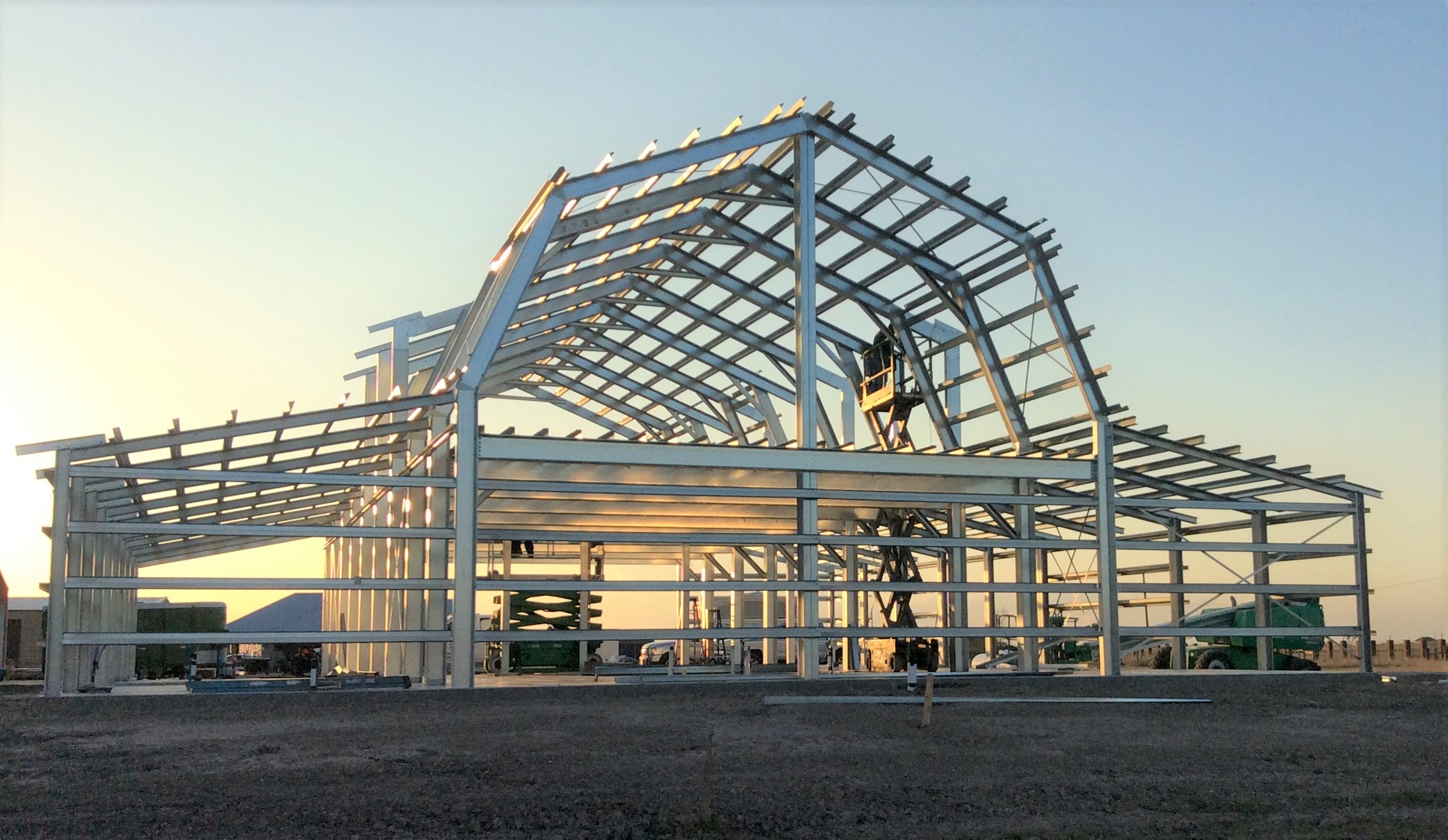
Cold Formed Steel Building
Foundation and Site Preparation
Most steel buildings require a concrete slab or engineered foundation. The cost of the foundation depends on:
- Soil conditions
- Frost depth
- Slab thickness
- Reinforcement requirements
Site grading, excavation, and drainage preparation can also affect the total project cost.
Installation Method
Steel buildings can be assembled in several ways:
- DIY installation using a bolt-together kit
- Hiring a local contractor
- Full installation services
Labor costs vary significantly by region and project complexity.
How to Reduce Steel Building Costs
Several strategies can help reduce the overall cost of a metal building project.
Careful planning during the design phase can significantly reduce both material and construction costs.
Straight Wall Steel Buildings vs Arch Steel Buildings: Cost Comparison
When evaluating metal building prices, it’s important to understand that not all steel buildings use the same structural system. Two of the most common options are straight wall steel buildings and arch-style steel buildings. Each system has unique engineering characteristics that influence cost, construction speed, and long-term performance.
Straight wall buildings typically use rigid steel frames with vertical wall columns and a roof structure supported by rafters. Arch buildings, on the other hand, use curved steel panels that form a self-supporting structure without traditional framing.
Because these two building systems use different structural designs, their pricing and applications can vary significantly.
Cost Comparison: Straight Wall vs Arch Steel Buildings
The table below compares the typical cost ranges of each building type.
| Building Type | Typical Kit Cost per Sq Ft | Installed Cost per Sq Ft |
|---|---|---|
| Straight Wall Steel Buildings | $35 – $68 | $70 – $114 |
| Arch Steel Buildings | $30 – $55 | $55 – $95 |
Arch style buildings are often more economical for certain projects because they require fewer structural components and less fabrication. Straight-wall buildings, however, offer greater flexibility for interior layouts and architectural customization.
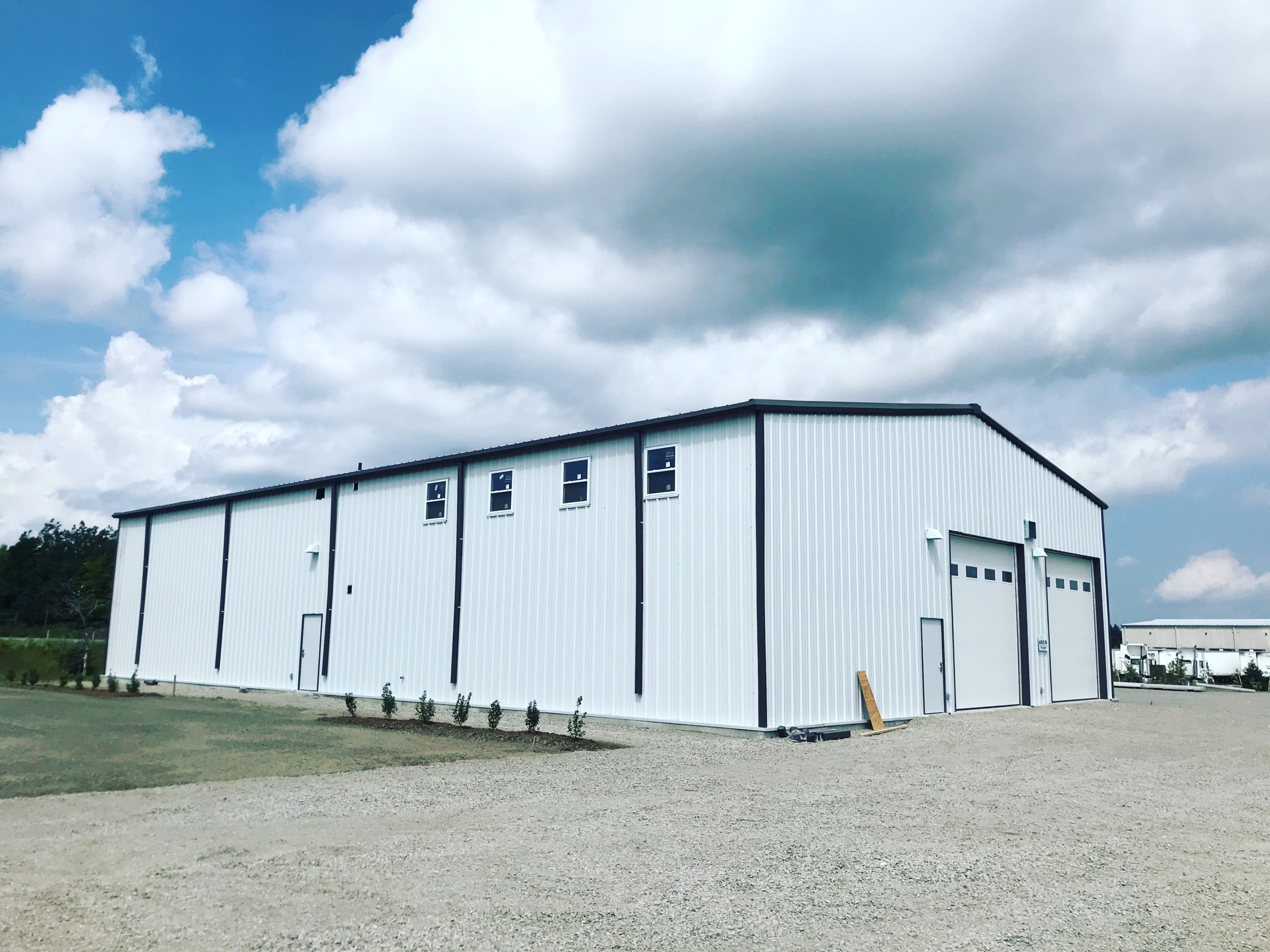
Straight Wall Steel Building
Benefits of Straight Wall Steel Buildings
Straight wall steel buildings are one of the most common types of steel structures used for commercial and industrial projects.
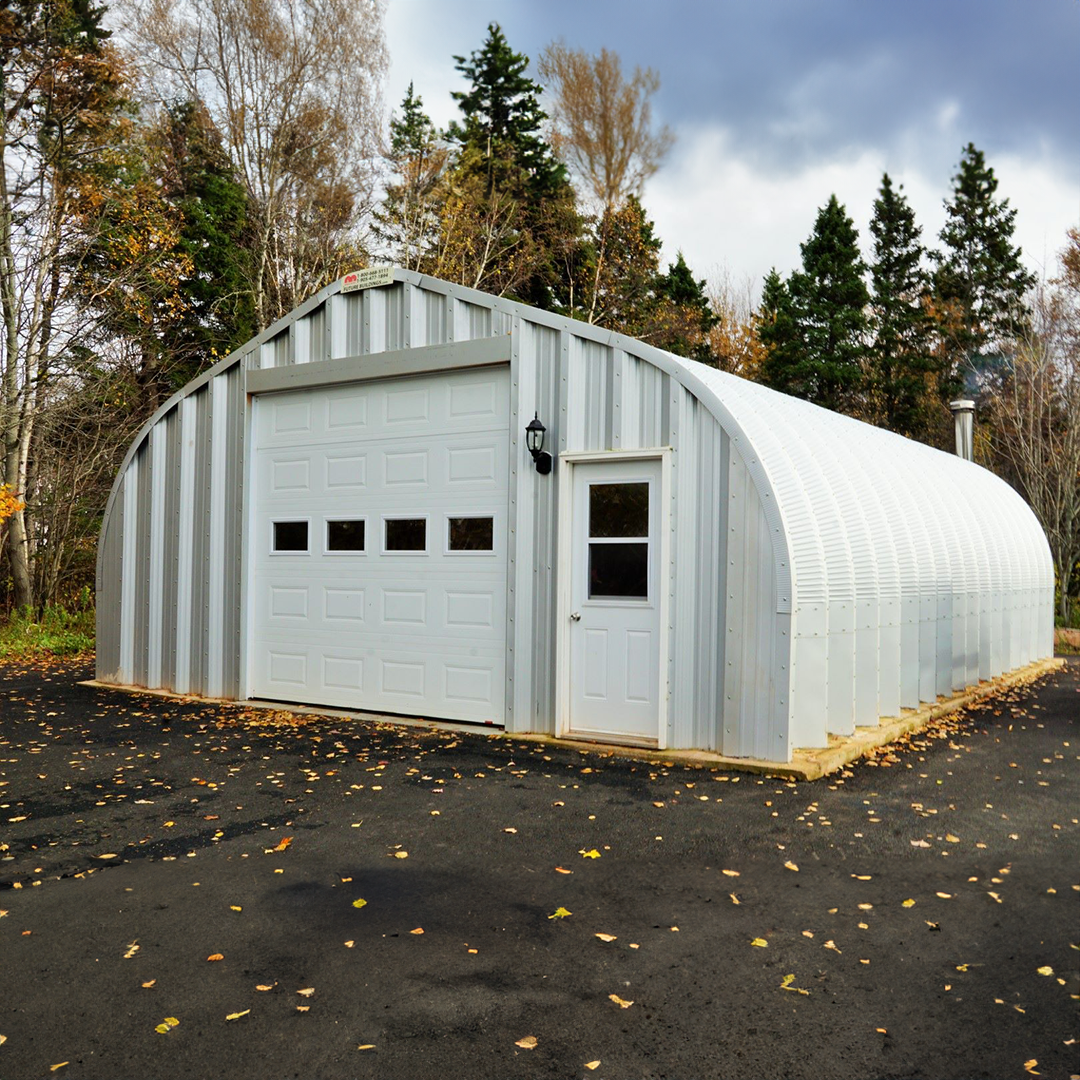
Arch-Style Steel Building
Benefits of Arch Style Steel Buildings
Arch steel buildings use curved steel panels that create a self-supporting structure without traditional beams or columns.
Choosing the Right Steel Building System
Both straight-wall steel buildings and arch-style buildings offer unique advantages depending on the project requirements.
Straight wall steel buildings are typically the best option for commercial or industrial projects that require maximum interior flexibility, large door openings, and more complex building layouts.
Arch steel buildings, on the other hand, are often a cost-effective solution for storage buildings, agricultural structures, and workshops where simple construction and durability are the primary priorities.
Understanding the differences between these building systems can help property owners select the most efficient and economical solution for their specific project.
Common Mistakes to Avoid When Buying a Metal Building
Purchasing a steel building is a significant investment, and careful planning is essential to ensure the structure meets your long-term needs. Many buyers focus solely on the initial price estimate, failing to fully consider design requirements, engineering standards, and future building use.
Understanding the most common mistakes buyers make when purchasing a metal building can help you avoid costly changes or delays later in the construction process.
Requesting Price Estimates Without Finalizing Building Requirements
One of the most common mistakes is requesting price estimates before determining the exact building size, layout, and location.
Steel buildings must be engineered to meet the structural requirements of the specific installation site. Wind loads, snow loads, and seismic conditions vary by region, so a building designed for one location may require different structural specifications in another.
Providing accurate project details allows suppliers to prepare more precise pricing estimates.
Underestimating Future Space Requirements
Many buyers initially select a building size based on their current needs, only to realize later that additional space is required.
Because most steel buildings are designed as single-story structures, expanding vertically is usually not an option. If future storage, equipment, or workspace requirements are anticipated, it may be beneficial to choose a slightly larger building during the initial design stage.
Planning for future growth can help avoid the cost of building expansions later.
Requesting Quotes Without a Detailed Project Plan
Another common mistake is requesting pricing before fully planning the project. A well-prepared building plan should consider:
- Building dimensions
- Intended building use
- Structural load requirements
- Door and window placement
- Insulation needs
- Ventilation requirements
Without this information, suppliers can only provide rough price estimates that may change once the final specifications are determined.
Forgetting to Include Important Details in Price Requests
When requesting an estimate, it is important to provide key information that affects engineering and fabrication. Important details include:
- Project location or ZIP/postal code
- Building dimensions and layout
- Preferred roof style
- Number and type of doors and windows
- Insulation requirements
- Ventilation systems
Providing these details allows suppliers to calculate structural loads and prepare accurate building quotes.
Comparing Buildings That Are Not Equivalent
Not all steel buildings are manufactured using the same structural materials or engineering standards.
Some low-cost metal structures sold online or through retail outlets may use lightweight tubular framing systems instead of commercial-grade steel frames. While these buildings may appear less expensive initially, they may not provide the same structural performance or durability as engineered steel buildings.
When comparing building prices, it is important to evaluate:
- Structural framing type
- Engineering certifications
- Wind and snow load ratings
- Steel thickness and quality
Ensuring that buildings are engineered to comparable standards helps buyers make fair price comparisons.
Failing to Research the Building Manufacturer
Selecting a reputable steel building manufacturer is one of the most important steps in the purchasing process. Before making a final decision, buyers should review:
- Customer testimonials
- Project case studies
- Product warranties
- Engineering certifications
- Manufacturer experience
Working with an experienced supplier helps ensure that the building meets local building codes and performs reliably over the long term.
2026 Steel Price Forecast & Steel Building Market Trends
Steel prices remain one of the most important factors influencing the cost of metal buildings because structural steel is the primary material used in most engineered building systems. Changes in the global steel market can directly impact the price of steel building kits, fabrication, and overall construction costs.
According to the World Steel Association, global steel demand is projected to reach approximately 1,773 million tonnes (1.77 billion tonnes) in 2026, representing a modest 1.3% increase driven by continued construction, manufacturing, and infrastructure investment.
In the United States, steel consumption is closely linked to commercial construction, industrial development, and warehouse expansion. Growth in sectors such as e-commerce logistics, manufacturing, and energy infrastructure continues to drive demand for structural steel and prefabricated building systems.
Several factors are expected to influence steel building prices throughout 2026:
- Global steel production and supply levels
- Raw material costs, such as iron ore and recycled scrap steel
- Energy and transportation costs
- Construction demand across industrial and commercial sectors
- Trade policies affecting imported steel
Although steel prices can fluctuate with market conditions, prefabricated metal buildings remain one of the most cost-effective construction solutions available. Advances in manufacturing technology, precision fabrication, and engineered building systems allow steel structures to be produced quickly while maintaining long-term durability and performance.
Because each steel building is engineered for its specific location and structural requirements, the most accurate way to determine pricing is to request a project-specific quote based on building size, location, and customization options.
Steel Building Prices FAQs
Related Post