


What do you need to know about metal buildings in Alabama? Alabama has no single statewide building code for private buildings; cities and counties adopt their own. On the Gulf Coast, wind is the controlling load: Mobile County designs typical buildings for 160 mph and higher-risk buildings for 174 mph, with a 0 psf ground snow load. Inland, loads are lower but tornadoes and severe storms are common. Every Toro steel building kit is engineered for the loads at your exact address and ships with engineer-stamped drawings.
Key takeaways
- Wind, not snow, drives the design. Coastal Mobile and Baldwin counties use some of the highest design wind speeds in the country.
- Your city or county sets the code. Alabama leaves building codes to local governments, so requirements change across county lines.
- Codes keep changing. Mobile County adopted the 2024 International Codes effective July 1, 2026, so check which edition applies where you build.
- Toro handles the engineering. Your kit ships with stamped drawings and the structural reactions your contractor needs.
How building codes work for metal buildings in Alabama
Alabama has no single statewide building code for private construction. Cities and counties adopt their own codes, usually editions of the International Building Code and International Residential Code with local amendments. The state has also created an Alabama Residential Building Code Division to develop a residential code.
Code editions vary by place. Mobile County, for example, adopts the 2024 IBC and IRC effective July 1, 2026, while other jurisdictions may be on earlier editions. Some rural areas have limited or no building code enforcement.
Toro's in-house engineers design every building for the loads that apply at your address and stamp the drawings for your permit. Learn more about how Toro engineers each building, or compare states on our building codes by state page.
Sources: Mobile County 2024 code adoption · Alabama Division of Construction Management.
Wind, snow and seismic loads in Alabama
Along the Gulf Coast, hurricane wind sets the design. Here are values coastal jurisdictions publish:
| Jurisdiction | Design wind speed | Ground snow load | Seismic design category | Source |
|---|---|---|---|---|
| Mobile County (Risk Category II) | 160 mph | 0 psf | Set by engineer | Mobile County 2024 code adoption |
| Mobile County (Risk Category III and IV) | 174 mph | 0 psf | Set by engineer | Mobile County 2024 code adoption |
| City of Foley (commercial, Risk Category II) | 157 mph | Ask the city | Ask the city | Foley building codes (2020) |
Values are from each jurisdiction's published criteria and can change. Inland Alabama uses much lower design wind speeds; Toro's engineers use the values for your exact address.
Hurricane wind on the coast
Mobile County designs typical buildings for a 160 mph ultimate wind speed and higher-risk buildings for 174 mph, and areas at 130 mph or more also fall under windborne debris rules. At these speeds, every connection matters: the frame, the purlins and girts, the fasteners and the anchors to the foundation are all engineered together. Large doors are a key weak point, so your engineer designs the framed openings for the wind pressure at your site.
Tornadoes and severe storms inland
North and central Alabama see frequent severe thunderstorms and tornadoes. Standard building codes don't design for a direct tornado hit, but a properly engineered and anchored steel building is far more resilient in high winds than a lightly built shed. Anchor bolts are included with every cold-formed Toro building.
Snow and seismic
Snow is rarely a factor on the coast, where Mobile County uses a 0 psf ground snow load, but northern Alabama sees occasional snow and ice. Seismic design is generally low across most of the state; your engineer confirms the category for your site.
Foundations
Toro doesn't supply foundations, but every building comes with the structural reactions your contractor needs, including the uplift forces that matter in high-wind areas. See our guides to steel building foundations and container cover foundations.
How to get a permit
Permits come from your city building department, or from the county for unincorporated areas where the county enforces a code. Coastal jurisdictions add wind and flood requirements, so check early.
- Call your city or countyAsk whether a permit is required, which code edition applies and what design wind speed you must meet.
- Check flood and zoning rulesCoastal and riverside properties may sit in flood zones with extra requirements; confirm setbacks and land use too.
- Design and order your buildingDesign it in the free 3D designer or with a building specialist. Toro requires a 25% deposit before your order goes to engineering.
- Submit the stamped drawingsToro's engineers prepare engineer-stamped drawings for your site's wind and other loads, which you submit with your permit application.
- Pour the foundation and assembleYour contractor builds the foundation to Toro's structural reactions. Delivery usually takes 2 to 8 weeks, and every kit bolts together on site.
Want the full checklist? Read our steel building planning guide and how to build a steel building.
Get a Alabama quote
Tell us your size, address and how you'll use the building, and a building specialist will send a quote engineered for your local loads. Pricing starts at US$19 per sq ft; your final price depends on size, options and the loads at your site.
Toro buildings in Alabama
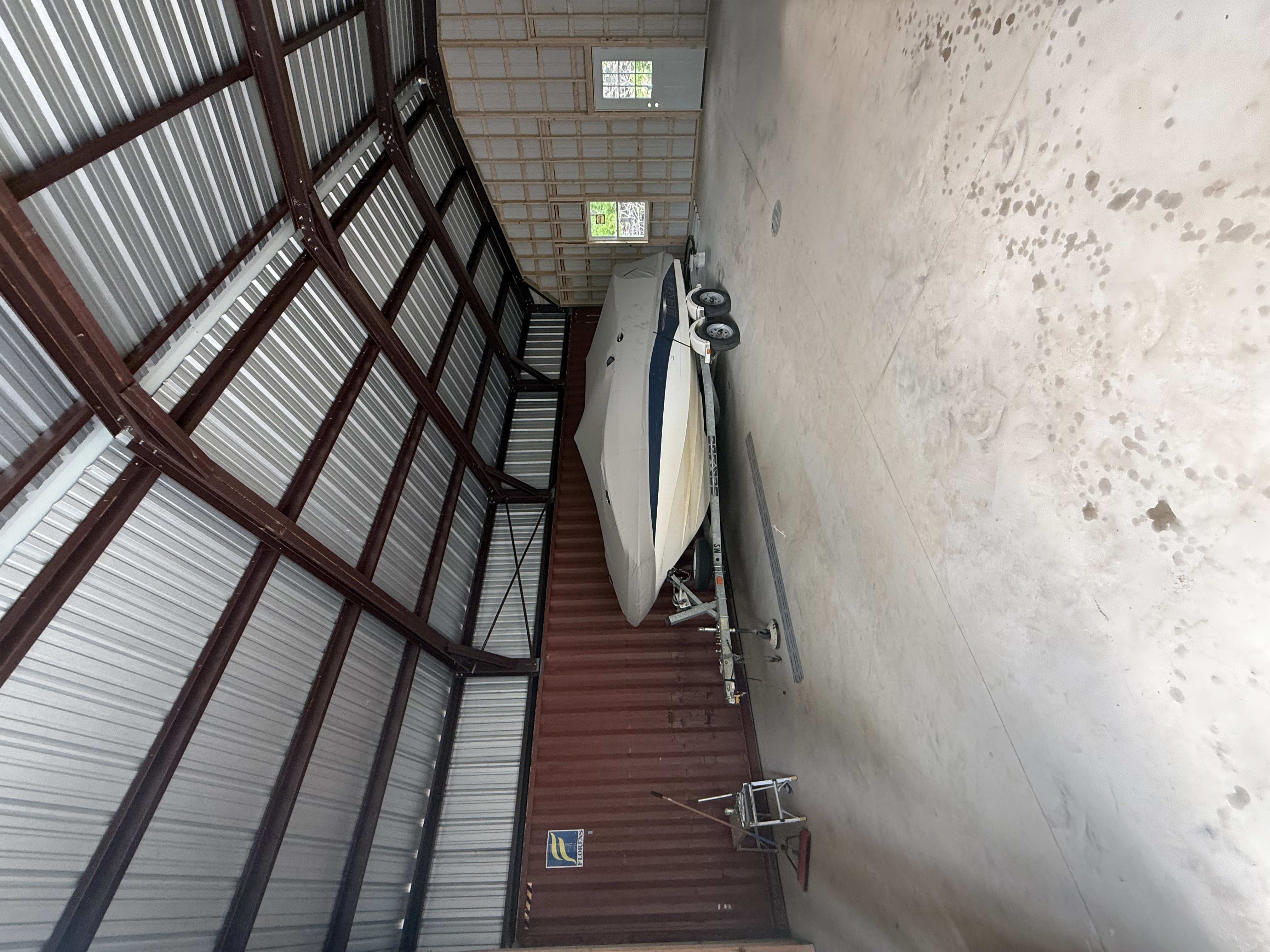
These are real Toro container covers standing in Alabama today, turning shipping containers into covered work and storage space.
 Three 40x40x5 container coversBirmingham, AL · Commercial use · See the project
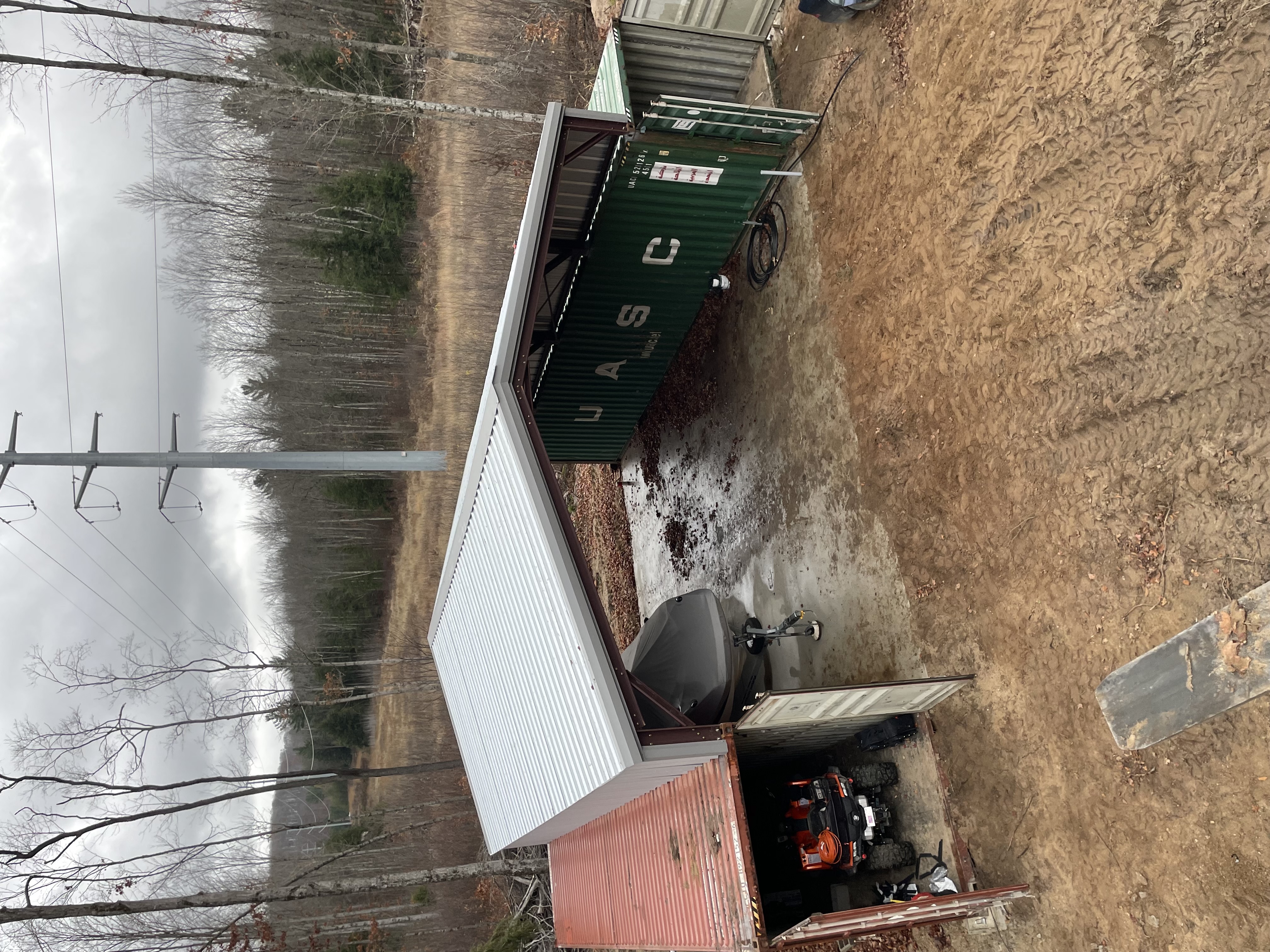 32x40x4 container coverPrattville, AL · Self-framed endwalls · See the project
See more customer builds on our projects page, read the story of Mark and Sarah's steel barndominium in Texas, or learn more about steel container covers.
Watch a Toro building go up
 M-Model container coverProduct overview · Watch the video
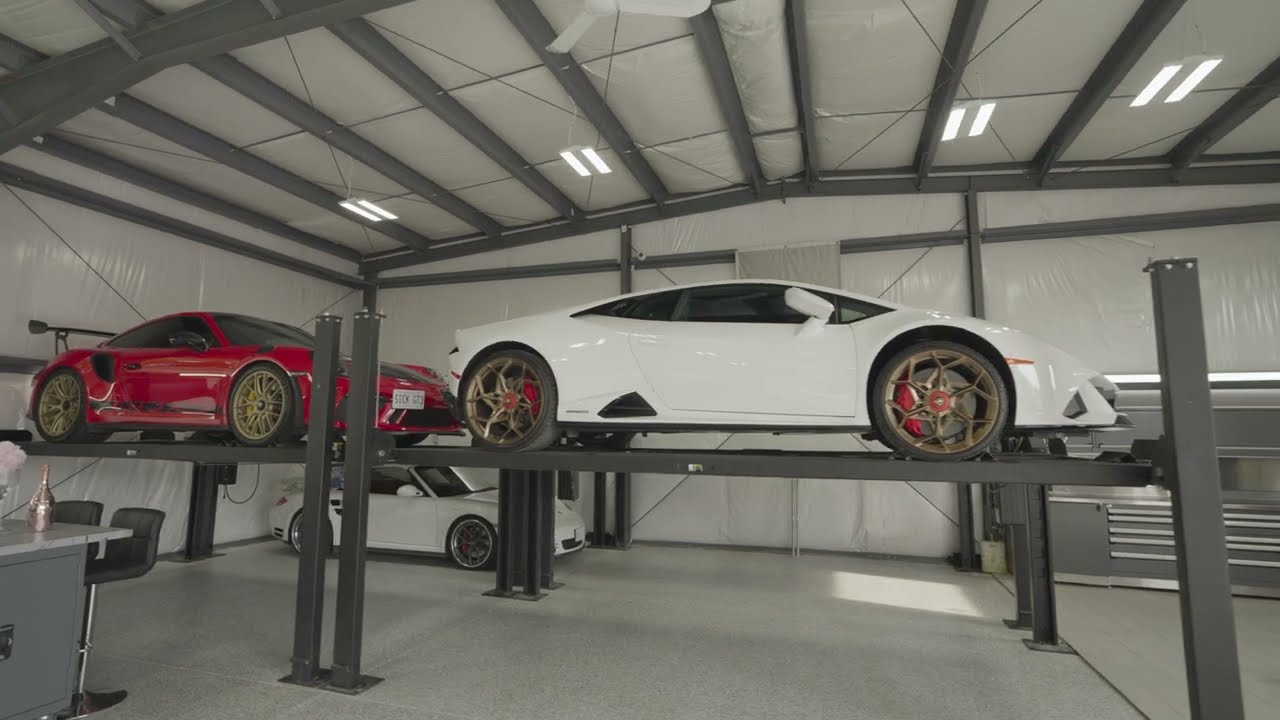 50x60x16 auto shop reviewRed iron customer review · Watch the video
 20x24 M-Model garageCustomer review, Mississippi · Watch the video
Browse every build, review and time-lapse in our video library.
Building for Alabama's weather
Heat, humidity and storms
Alabama's heat and humidity are hard on wood, and steel won't rot or attract termites. Toro buildings use Galvalume Plus steel, and straight-wall buildings carry a 25–40-year paint warranty depending on panel and finish (see our warranty). For a comfortable work space, plan ventilation and read our tips for keeping a steel building cool in summer.
Insurance and storm recovery
Steel buildings resist fire, pests and rot, which can help with insurance. Read why insuring a steel building can cost less.
Choosing the right building
Choose a straight-wall building, either cold-formed (M-Model) or red iron, or a container cover for a fast covered work area. Read the guide to pre-engineered metal buildings and check current U.S. steel building prices.
Need a building sooner?
Toro makes 500+ buildings a month, and about 10% are never delivered because a customer's plans change. These clearance buildings are offered at a discount, re-engineered for your site if needed and come with stamped drawings. Inventory changes daily, so the fastest way to see what's available is to call, or browse current U.S. clearance inventory.
Frequently asked questions
Still have questions about building in Alabama? Price your building and a building specialist will walk you through it.
Does Alabama have a statewide building code?
Not for most private buildings. Cities and counties adopt their own codes, usually editions of the International Building and Residential Codes. Check with your city or county before you order.
What wind speed do buildings need to meet on the Alabama coast?
Mobile County designs typical buildings for a 160 mph ultimate wind speed and higher-risk buildings for 174 mph. Inland areas use much lower values. Toro's engineers design your building for the wind speed at your exact address.
Do I need a permit for a metal building in Alabama?
In most cities and in counties that enforce a building code, yes. Ask your local building department, and check flood zone rules on coastal and riverside property. Toro supplies the engineer-stamped drawings you submit with your application.
Does Toro install buildings in Alabama?
No. Toro designs, engineers and ships pre-engineered steel building kits. You assemble the kit yourself or hire a local contractor, using the stamped drawings and structural reactions we provide.
How much does a metal building cost in Alabama?
Toro pricing starts at US$19 per square foot. Your final price depends on size, framing, options and the loads at your site, so a building specialist confirms it with a quote.
How long does delivery to Alabama take?
Delivery usually takes 2 to 8 weeks, and your building specialist confirms timing for your order. You handle unloading on site, and our operations team keeps you updated along the way.
Related building types
Steel garages | Workshops | Commercial buildings | Storage buildings | Container covers | Barndominiums
Get a steel building quote for your Alabama project
Tell us what you're building and where, and Toro Steel Buildings will send a quote engineered for your local snow, wind and seismic loads.