


Red Iron Buildings
Robust structural steel solutions for demanding applications
What are Red Iron Metal Buildings?
Red iron metal buildings are engineered steel building systems that use hot-rolled structural steel, most commonly I-beam columns and rafters, as the primary rigid frame. In structural terms, the main frames resist gravity loads (dead load, roof live load, snow) and lateral loads (wind and seismic, where applicable), transferring those forces through bracing and connections into the foundation.
The phrase “red iron” is widely used in the steel building industry. It’s commonly associated with the red oxide primer/coating often applied to structural steel members during fabrication and handling to help reduce surface corrosion before erection. (The building’s finished exterior color comes from the roof and wall panel system, not the primer on the frame.)
Because the primary framing in red iron buildings is hot-rolled structural steel (rather than lighter, cold-formed members), these systems are frequently selected for projects that require higher structural capacity, larger clear spans, taller wall heights, and long service life.
Red Iron Buildings vs. Other Metal Building Systems
When comparing building types, it helps to understand what actually differs between systems: member type, connection approach, and load capacity.
Red iron buildings (hot-rolled primary frames)
A red iron building uses hot-rolled structural steel for the main frames. The result is a rigid structural backbone suitable for bigger footprints, heavier loads, and higher-duty building use.
Cold-formed / light-gauge framing (lighter members)
Cold-formed steel buildings use thinner, formed steel members for portions of the structure. These can be efficient for smaller footprints and moderate loading requirements, but span, height, openings, and site loads should drive the selection.
Tubular steel framing (tube steel “kits”)
Tube steel systems commonly use square/rectangular tubing members. These may be marketed heavily as “easy kits.” However, selection still comes down to engineering, connection detailing, and whether the system is appropriate for the building’s size, loads, and intended use.
Takeaway: The right system isn’t about marketing labels; it’s about whether the structural design meets your site’s load and performance needs.
Advantages of TORO Red Iron Buildings
- Large clear spans with open interiors:
Many red iron frames are designed to support wide, clear-span layouts, which improve workflow for warehousing, manufacturing, equipment storage, and flexible interior planning.
- Higher-duty performance for demanding sites:
Hot-rolled frames are often selected when snow/wind/seismic criteria are more demanding or when the building will see heavier operational use.
- Long service life with lower structural intervention:
When properly engineered, installed, and protected, hot-rolled structural frames are commonly used for long-term facilities.
How Red Iron Steel Buildings Are Engineered
Red iron steel buildings are typically engineered as complete structural systems. That means the frame design is not just “strong steel”, it’s a coordinated set of decisions tied to your location and use.
Key engineering inputs usually include:
- Snow load (including drift conditions where applicable)
- Wind speed and exposure (open terrain vs sheltered sites, and uplift requirements)
- Seismic design parameters (where required by code)
- Roof slope and geometry (affects load distribution and drift potential)
- Clear span and wall height (drives frame depth and stiffness)
- Openings and endwall design (large doors can change endwall framing)
- Collateral loads (HVAC, lights, sprinklers, ceiling/liner systems, solar, cranes/hoists)
What Makes Red Iron Buildings “Strong” in Real-World Terms
Strength isn’t a single number. Performance depends on member stiffness, connection detailing, bracing, and load path continuity.
Hot-rolled primary framing: Hot-rolled members provide high stiffness and capacity for the main frames, especially important for large spans and higher wall heights.
Clear load paths: A properly engineered red iron building provides a continuous path for loads from the roof/walls into the foundation. That includes:
Roof panels → purlins → rafters → columns → base plates → anchors → concrete
Wind pressures/suction → wall girts/bracing → frames → anchors → concrete
Connection and bracing strategy: Connections and bracing aren’t accessories; they are structural components. The bracing design stabilizes the building under lateral loads and keeps the frames aligned under wind and seismic demands.
Red Iron Building Kits: What the Term Really Means
People often use “kits” to mean “simple,” but in steel buildings, the word usually means prefabricated and engineered.
Red iron building kits generally refer to an engineered building package where the structural system is designed first, then components are produced to match the engineered drawings. The exact scope can vary by project, but the intent is the same: a coordinated building system that supports efficient procurement, predictable assembly sequencing, and a cleaner installation process.
Practical Considerations Before You Build
A high-capacity structural system still has project realities:
- Heavier components require equipment (cranes/lifts and competent rigging)
- Erection is trade-driven (experienced crews reduce risk and time)
- Foundations must be accurate (anchor bolt placement matters)
- Condensation control must be designed (especially for unconditioned storage or high-humidity uses)
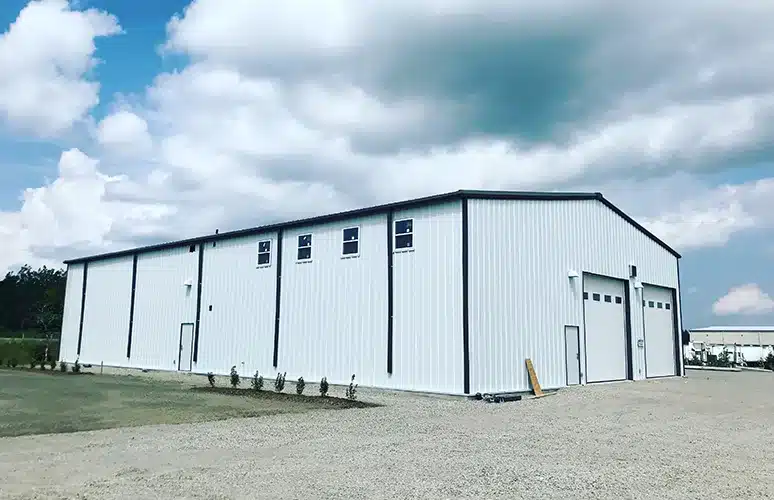
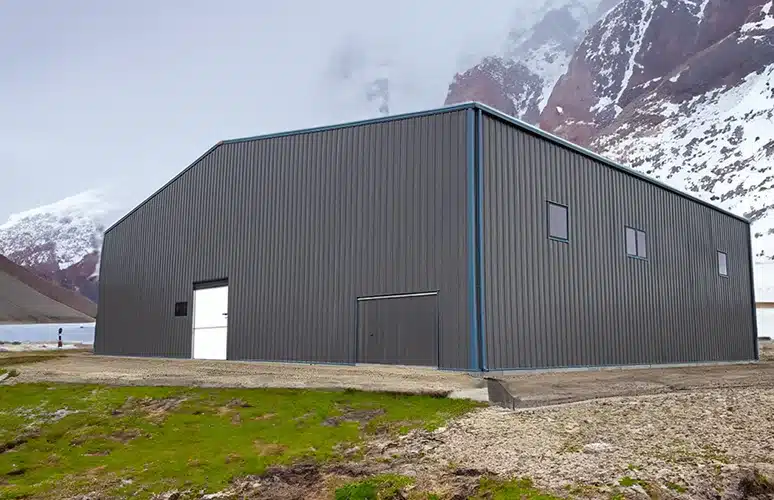
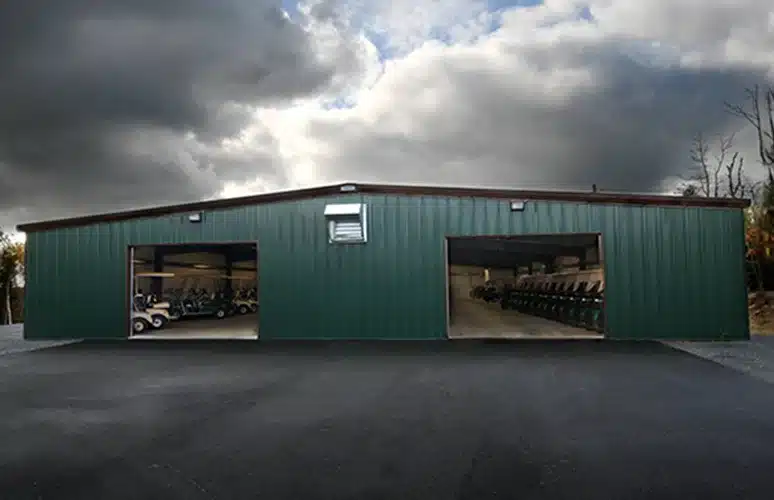
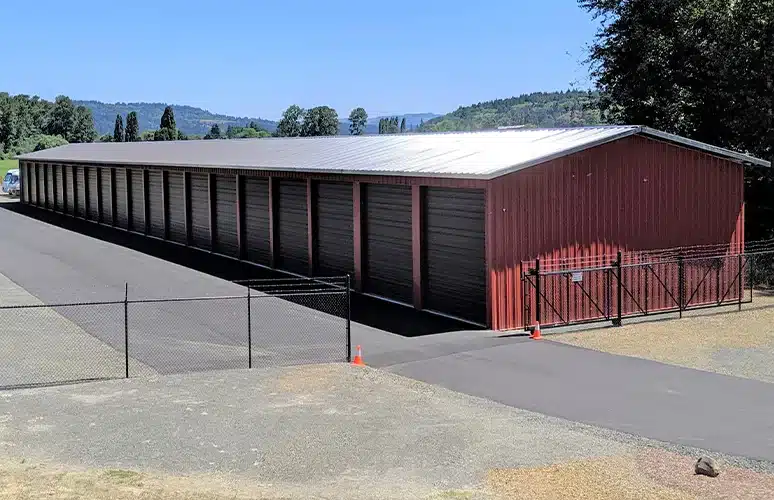
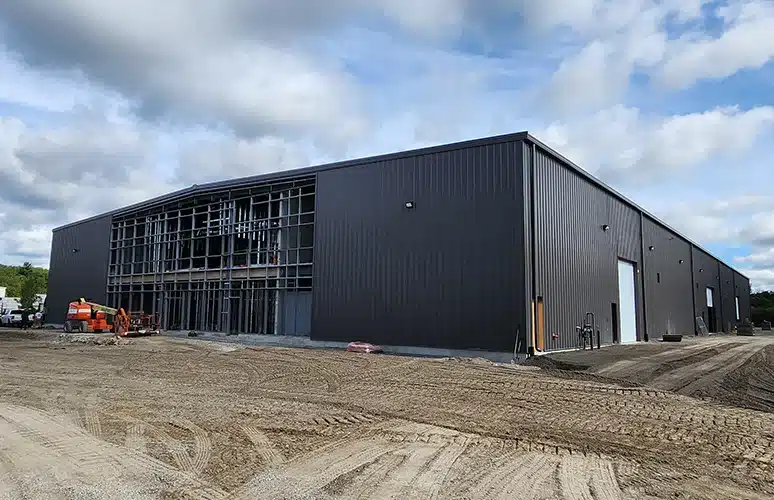
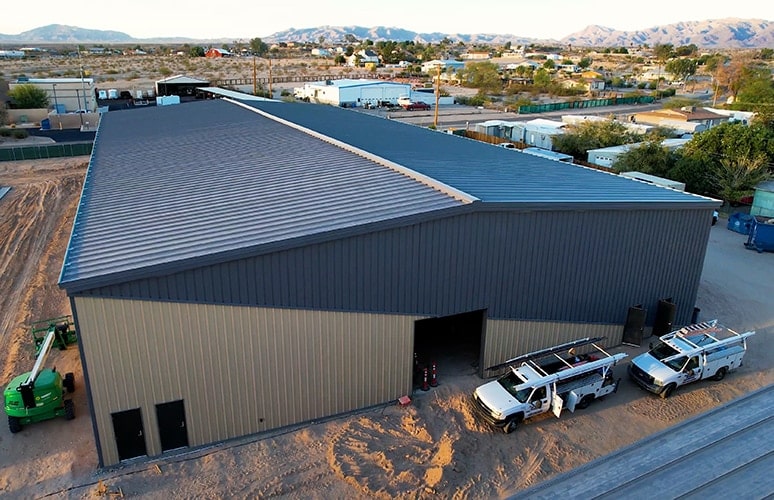
Red Iron Buildings and Foundations
Even the best steel frame depends on the foundation doing its job.
What matters most for foundations
- Site soil conditions (bearing capacity and settlement risk)
- Frost depth (for many climates)
- Drainage and water control (to reduce slab and corrosion issues)
- Anchor bolt layout and elevation (must match base plate design)
- Slab thickness and reinforcement (driven by use: forklifts, vehicles, storage)
A common failure point in metal buildings isn’t the steel; it’s an underspecified slab or poor site drainage. Treat foundation planning as part of the structural system, not a separate afterthought.
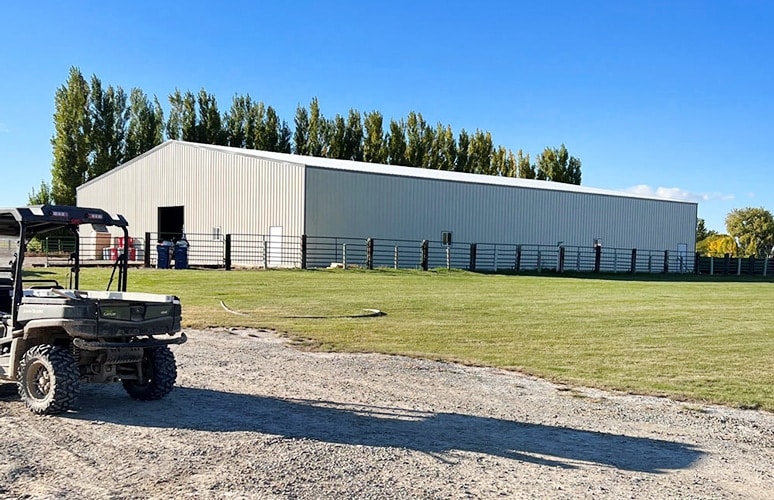
Envelope Performance: Insulation, Condensation, and Ventilation
If you want a steel building to perform well over time, the envelope matters as much as the frame.
Condensation control (the hidden issue)
Condensation forms when warm, moisture-laden air comes into contact with cooler metal surfaces. This is common in:
- Storage Buildings with daily temperature fluctuations
- Agricultural uses
- Coastal/humid climates
- Buildings without an insulation or ventilation strategy
Common controls include:
- Roof insulation systems
- Vapor barriers in the right location
- Controlled ventilation (ridge/soffit systems, turbine vents, mechanical ventilation where needed)
Typical Uses for Red Iron Buildings
Industrial AND commercial
Agricultural AND BARNS
Specialty and heavy-duty
Cost Drivers: What Changes the Price of Red Iron Buildings
- Building width, length, and wall height
- Design loads (snow, wind, seismic)
- Roof slope and geometry
- Number and size of openings (especially large doors)
- Insulation/liner systems and ventilation needs
- Site access and erection constraints
- Finish/coating requirements for corrosive environments
- Interior loads (cranes, mezzanines, heavy storage)
What to Plan Before Ordering a Red Iron Building
- Building width, length, and wall height
- Design loads (snow, wind, seismic)
- Roof slope and geometry
- Number and size of openings (especially large doors)
- Insulation/liner systems and ventilation needs
- Site access and erection constraints
- Finish/coating requirements for corrosive environments
- Interior loads (cranes, mezzanines, heavy storage)