


Storing hay properly protects the real time and cost invested in harvesting it — a steel building keeps hay clean, dry, and well ventilated far more reliably than the alternatives most working farms have relied on. Here’s what to look for in a steel hay barn.
Weathertight and Durable
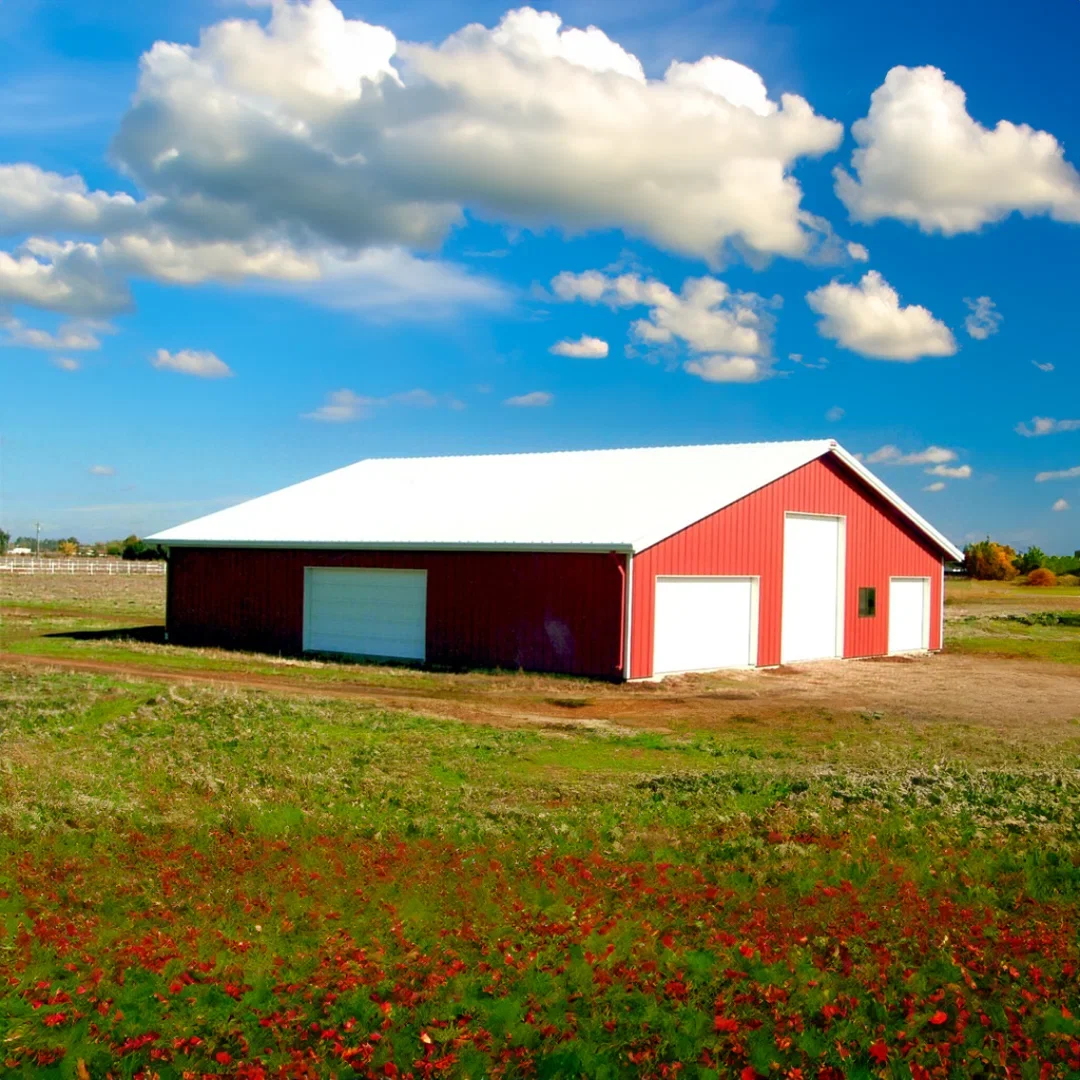
A hay storage building needs to stand up to the elements while keeping its contents clean and dry, and steel is naturally resistant to weather damage — it won’t chip, warp, or distort the way other materials do over time. Wind load matters specifically for hay storage, since a roof failure doesn’t just damage the structure, it exposes the hay itself to the exact weather it was built to prevent. A properly engineered steel building resists that failure and needs far less ongoing maintenance than traditional construction.
Ventilation Is a Fire-Safety Issue, Not Just Comfort
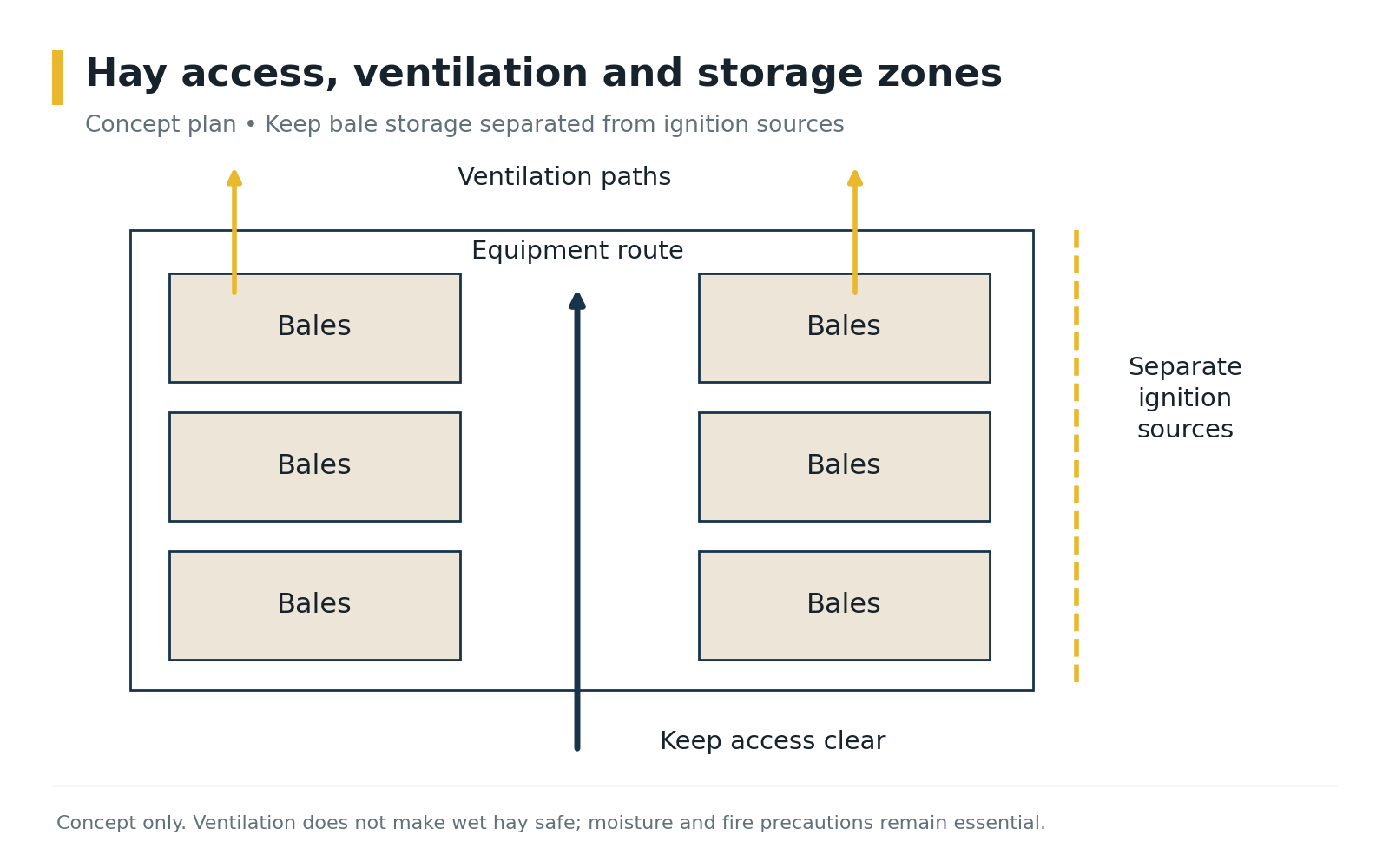
Hay fires most commonly occur within weeks of baling, caused by moisture triggering spontaneous combustion inside the stack — a real, serious risk that makes ventilation more than a comfort consideration. Insulation and roof accessories that control condensation help keep hay genuinely dry, and steel’s own fire resistance adds another layer of protection on top of proper ventilation. In colder, snow-prone regions, this combination matters even more over a long winter storage period, when hay may sit undisturbed for months at a time without the regular handling that would otherwise reveal a developing moisture problem.
Sizing for Equipment Access
A fully enclosed hay storage building typically needs at least 18 feet of clearance to back a fully loaded wagon in for unloading — a requirement that matters less if you’re working with large round bales instead. Toro can design your structure to meet these specific access requirements rather than a generic footprint that doesn’t account for how you actually move hay in and out.
Roof-Only vs. Fully Enclosed
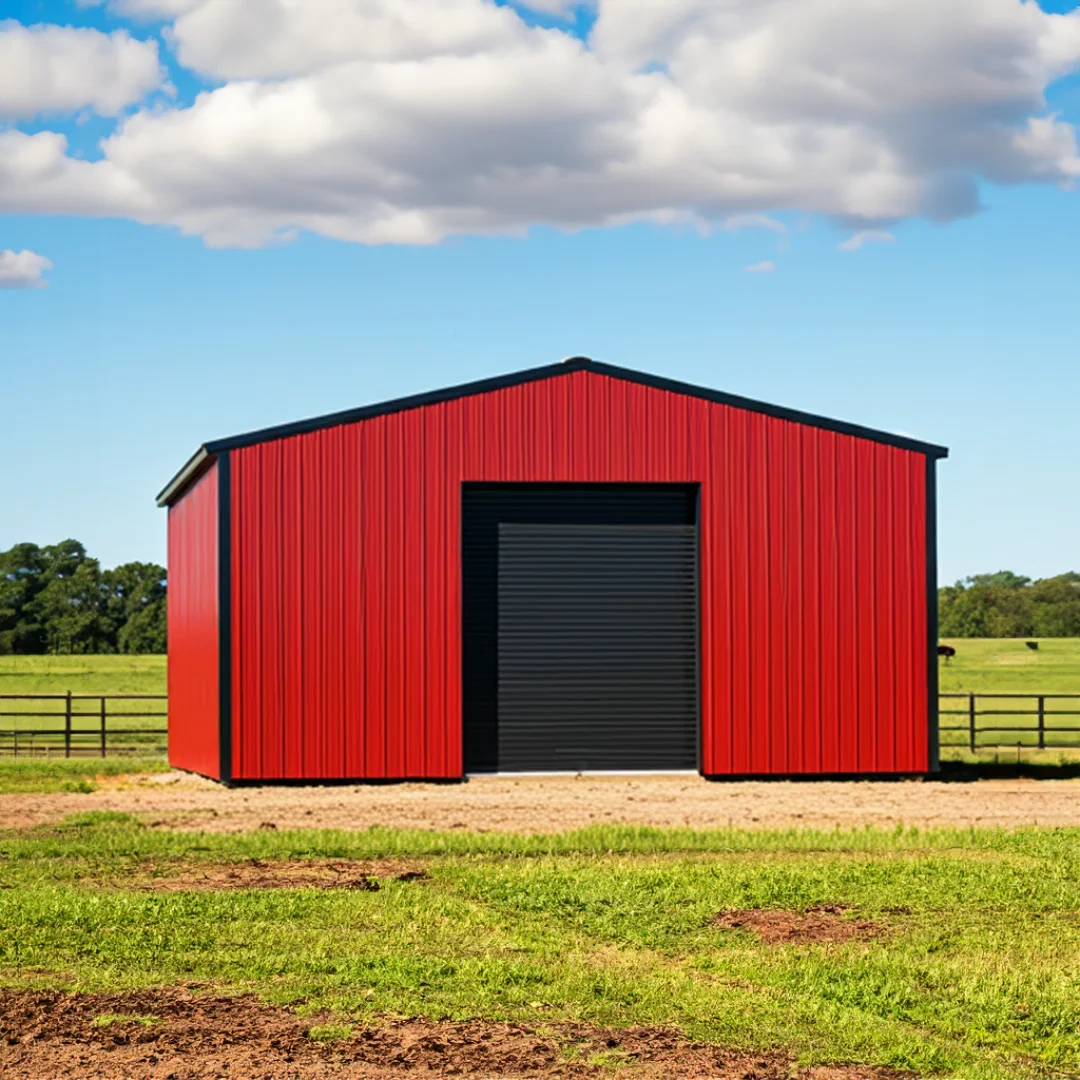
In warmer climates, a roof-only structure or an open-ended arch design can work as well as a fully enclosed building — both keep hay dry and ventilated while preventing spoilage. Whichever configuration you choose, site drainage matters just as much as the structure itself: hay stacked on wet ground absorbs moisture from below, which can ruin an entire stack regardless of how well the roof performs.
Bale Type Affects Your Design
Small square bales and large round bales handle differently, and that difference shapes what your storage building actually needs. Small square bales are typically hand-stacked, favoring a fully enclosed structure with defined interior space. Large round bales are usually moved with equipment, which shifts the priority toward clearance and access rather than a tightly enclosed footprint — the same 18-foot wagon clearance becomes less critical, but equipment maneuvering room inside the structure still matters.
Permits, Codes & Engineering
Agricultural storage structures still need to meet real structural code requirements, even in rural jurisdictions with lighter permitting overall. Structural design follows the ASCE 7 standard from the American Society of Civil Engineers, referenced by the International Code Council‘s International Building Code, or the National Building Code of Canada. Toro’s in-house engineering team calculates your hay storage building’s design loads for its specific address before it ships.
Related Building Types
Agricultural Buildings | Grain Storage | Preventing Condensation in Steel Buildings
Build Your Hay Storage with Toro
Toro Steel Buildings engineers every hay storage building to your exact site, equipment, and climate. Request a free quote to get started.