


What do you need to know about metal buildings in New Mexico? New Mexico builds to the 2021 New Mexico Commercial and Residential Building Codes, based on the 2021 IBC and IRC. Design loads change sharply with elevation: Albuquerque designs for a 20 psf ground snow load and 115 mph winds, San Juan County for 30 psf, and the Village of Taos Ski Valley for 85 to 100 psf. Every Toro steel building kit is engineered for the loads at your exact address and ships with engineer-stamped drawings for your permit.
Key takeaways
- One state, very different loads. A building in Las Cruces and a building near Taos can need completely different roof designs, so loads must come from your address, not a statewide number.
- Permits come from your city, county or the state. Albuquerque and other cities run their own building departments; in many unincorporated areas, permits come from the state Construction Industries Division.
- Wind and seismic matter, not just snow. Published design criteria in New Mexico use 115 mph winds for typical buildings, and the Rio Grande valley sits in an active rift zone.
- Toro handles the engineering. Your kit ships with stamped drawings and the structural reactions your local contractor needs to pour the foundation.
Building codes for metal buildings in New Mexico
New Mexico adopts the International Codes statewide, with its own amendments. The 2021 New Mexico Commercial Building Code (14.7.2 NMAC) adopts the 2021 International Building Code, and the 2021 New Mexico Residential Building Code (14.7.3 NMAC) covers houses and their accessory structures, such as a detached garage or workshop at your home. Both replaced the 2015 editions on July 14, 2023.
Which one applies depends on how you'll use the building. A shop or storage building for a business falls under the commercial code. A garage, workshop or barndominium on your residential property is usually reviewed under the residential code. If you plan to heat or insulate the building, New Mexico's 2021 energy conservation codes can also apply.
You don't need to work through the code tables yourself. Toro's in-house engineers design every building to the code that applies at your address and stamp the drawings for your permit. Learn more about how Toro engineers each building, or compare requirements across the country on our building codes by state page.
Sources: NM Construction Industries Division codes · 2021 New Mexico Commercial Building Code (14.7.2 NMAC) · City of Albuquerque design criteria.
Snow, wind, seismic and frost loads in New Mexico
New Mexico runs from low desert to ski country above 10,000 feet, so design loads vary more here than in most states. These are the values local building departments publish:
| Jurisdiction | Ground snow load | Design wind speed | Frost depth | Source |
|---|---|---|---|---|
| City of Albuquerque (commercial) | 20 psf | 115 mph (3-second gust) | 16 in. | Albuquerque Building Safety design criteria |
| San Juan County (Farmington area) | 30 psf | 115 mph (Risk Category II) | Ask the county | San Juan County Building Division |
| Village of Ruidoso | 30 psf | 115 mph | Ask the village | Village plan-check handout (2022) |
| Village of Taos Ski Valley | 85 psf below 9,800 ft; 100 psf above | Ask the village | Ask the village | High altitude design standards |
Values are from each jurisdiction's published design criteria and can change. Your building department has the final say, and Toro's engineers use the values that apply to your exact address.
Snow loads rise with elevation
New Mexico's snow loads range from close to zero in the southern deserts to some of the heaviest in the West in the northern mountains. National load standards (ASCE 7) don't use one map for the state: they rely on a New Mexico–specific snow load table, and local building officials can set higher values for their area. Roof pitch, purlin spacing and panel gauge are all designed around that number, and taller walls or nearby buildings can cause snow to drift onto a lower roof.
Covering the space between shipping containers? Drifts can build up against the containers, which is one reason our container covers are engineered for each site.
Wind loads across the state
The design criteria above use a 115 mph design wind speed for typical buildings, and San Juan County lists 105 mph for low-risk buildings and 120 mph for higher-risk ones. Open sites on the eastern plains and mesas see more exposure than sheltered valleys, and large door openings change how wind pressure acts inside the building. Your engineer accounts for all of this, and anchor bolts are included with every cold-formed Toro building.
Seismic design
The Rio Grande valley, from Albuquerque north toward Santa Fe and south through Socorro, follows an active geological rift. Albuquerque's commercial criteria leave the seismic design category to the building's engineer, and Ruidoso's plan-check handout lists category B. Steel framing performs well under seismic loads, and Toro's engineers design the connections and bracing for the category that applies to your site.
Frost depth and foundations
Albuquerque's criteria set a 16-inch frost line; higher, colder areas generally need deeper footings, so check with your building department. Toro doesn't supply or pour foundations, but every building comes with the structural reactions your local contractor needs to build the foundation to spec. See our guides to steel building foundations and container cover foundations.
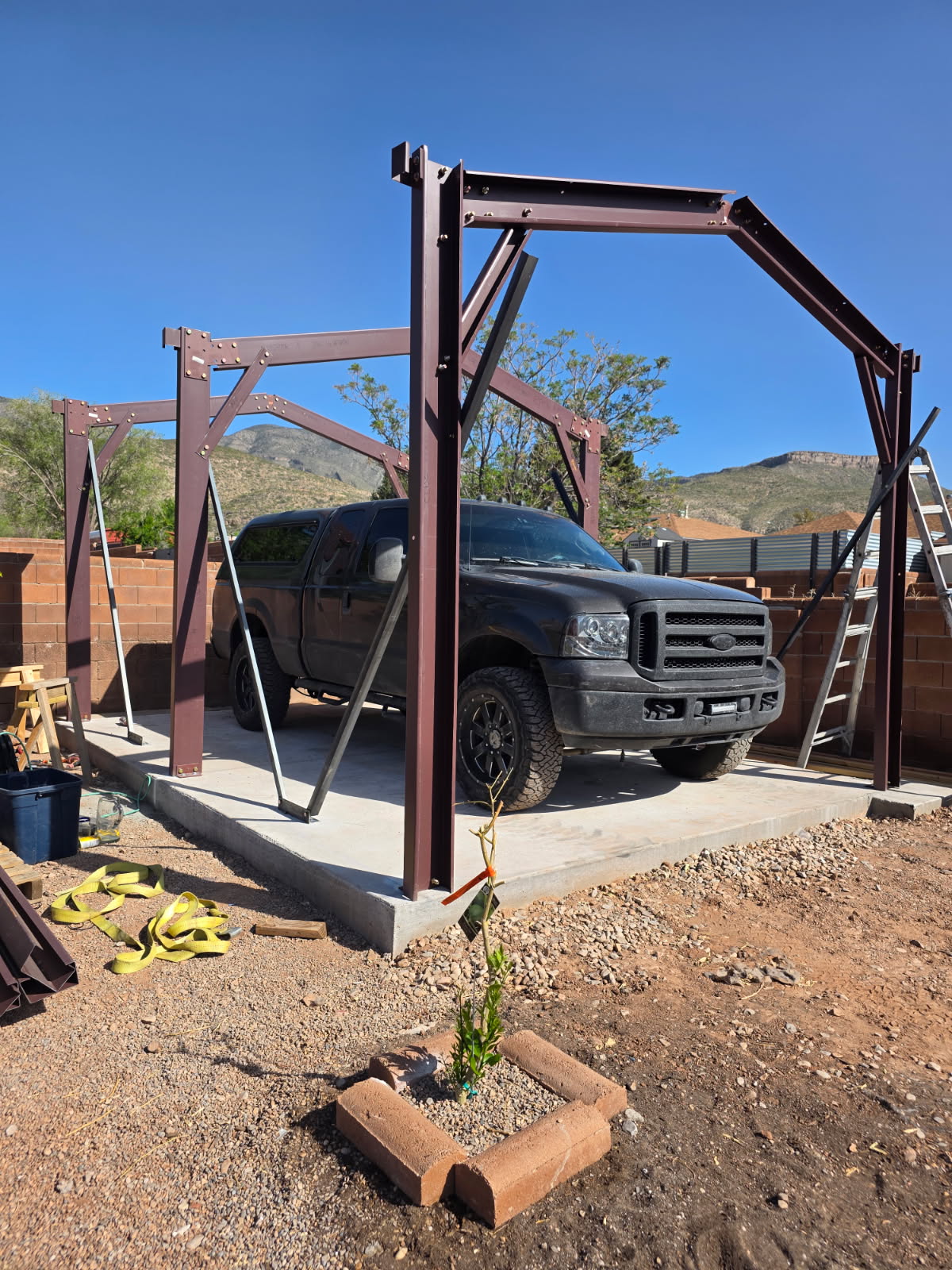
How to get a permit for a metal building in New Mexico
Who issues your permit depends on where you build. Cities such as Albuquerque run their own building departments. In many unincorporated areas, including Sandoval and Torrance counties, building permits are issued by the state's Construction Industries Division (CID) after the county signs off on zoning.
- Check zoning and setbacks firstAsk your city or county about zoning, setbacks and any limits on building size or height. In CID areas, you need a zoning sign-off before you apply for the state permit.
- Confirm your design criteriaGet the ground snow load, wind speed and frost depth for your address from your building department, or let your Toro building specialist confirm them for you.
- Design and order your buildingDesign it in the free 3D designer or with a building specialist. Toro requires a 25% deposit before your order goes to engineering.
- Submit the stamped drawingsToro's engineers prepare engineer-stamped drawings for your site's loads, which you submit with your permit application.
- Pour the foundation and assembleYour contractor builds the foundation to Toro's structural reactions. Delivery usually takes 2 to 8 weeks, and every kit bolts together on site.
Want the full checklist? Read our steel building planning guide and how to build a steel building.
Get a New Mexico quote
Tell us your size, address and how you'll use the building, and a building specialist will send a quote engineered for your local loads. Pricing starts at US$19 per sq ft; your final price depends on size, options and the loads at your site.
Toro buildings in New Mexico
From a remote hunting cabin to a commercial yard in Albuquerque, these are real Toro buildings standing in New Mexico today.
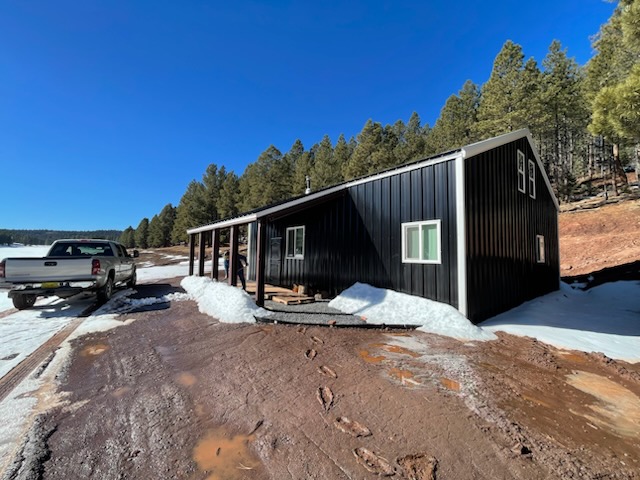 32x36x12 hunting cabinCoyote, NM · Cold-formed steel · See the project
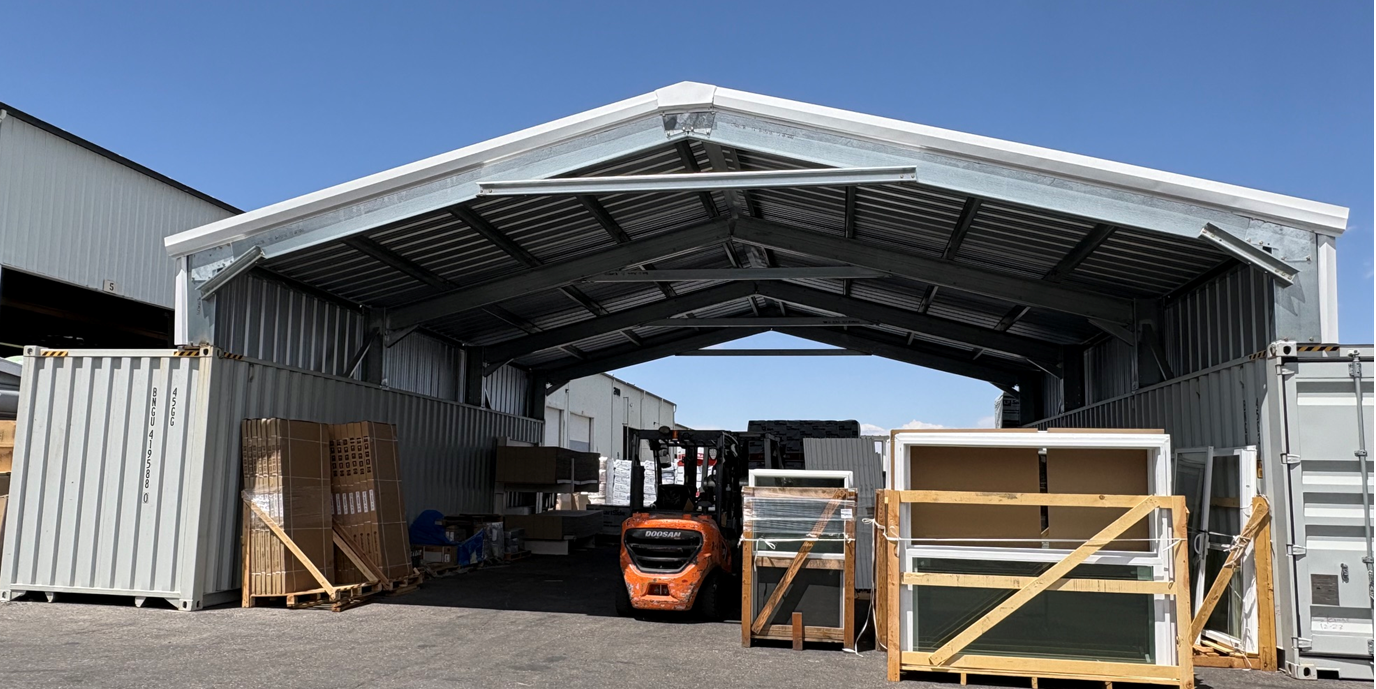 38x40x4 commercial buildingAlbuquerque, NM · 1,520 sq ft · See the project
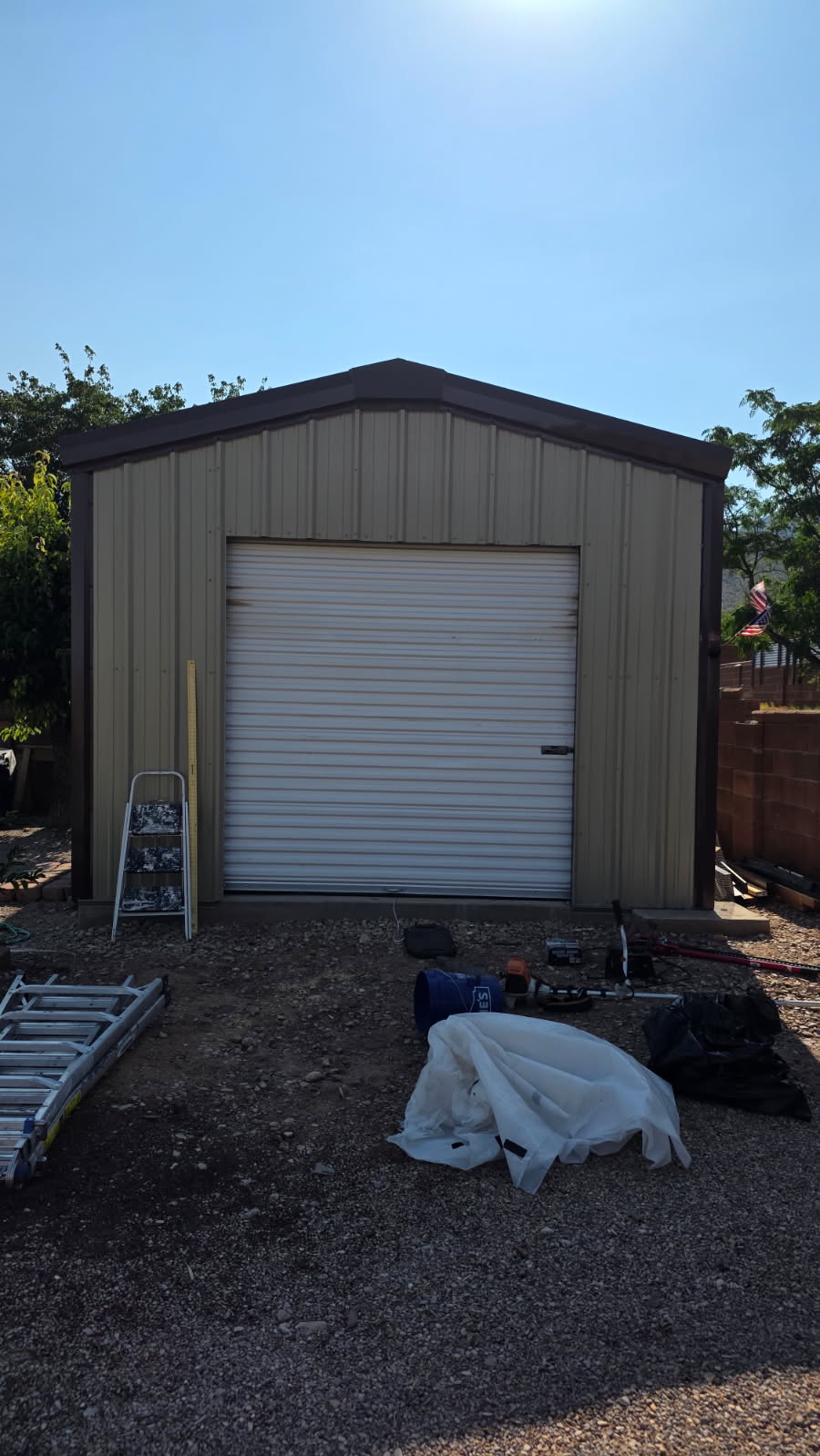 14x20x10 commercial buildingAlamogordo, NM · Cold-formed steel · See the project
See more customer builds on our projects page and in our steel building photo gallery.
Watch a Toro building go up
 Neil's 30x50x16 M-Model buildStep-by-step DIY build · Watch the video
 M-Model DIY installationHow the kit bolts together · Watch the video
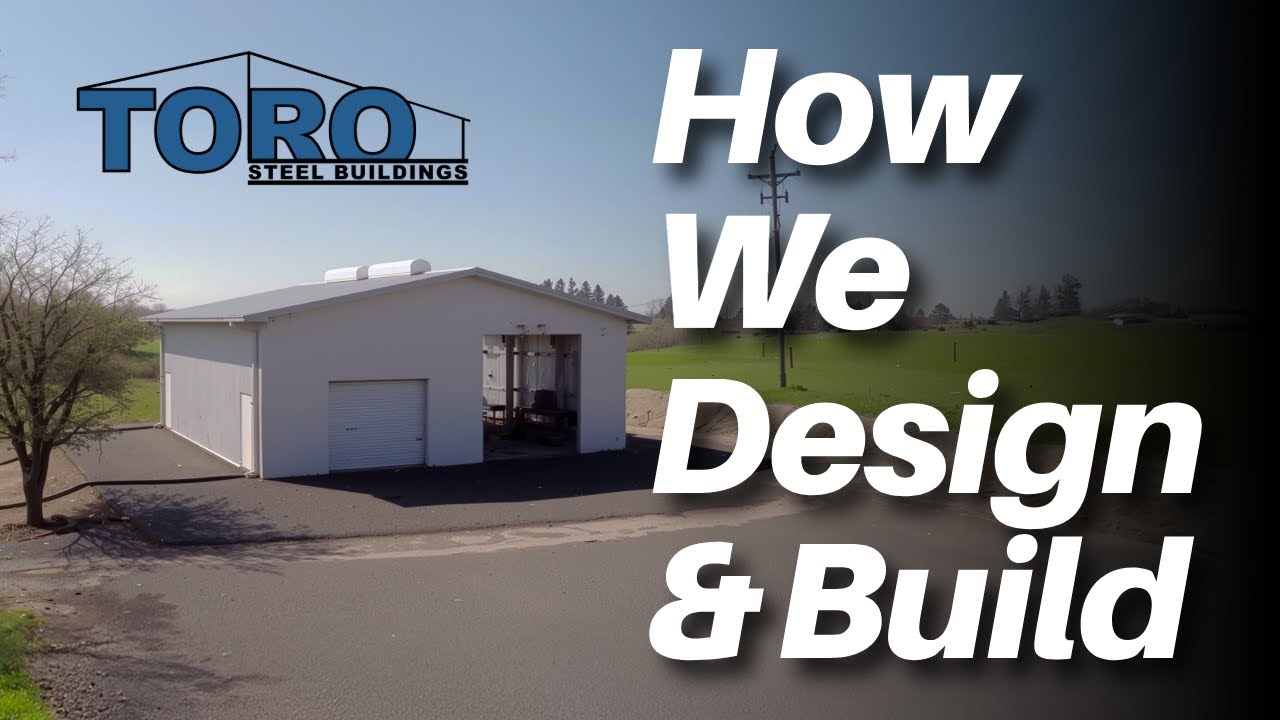 How Toro buildings are madeFrom engineering to laser-cut steel · Watch the video
Browse every build, review and time-lapse in our video library.
Building for New Mexico's climate
Sun, heat and big temperature swings
Strong high-desert sun and wide day-to-night temperature swings are hard on wood. Toro buildings use Galvalume Plus steel, and straight-wall buildings carry a 25–40-year paint warranty depending on panel and finish (see our warranty). If you'll work inside the building year-round, add insulation and plan for ventilation; our guide to keeping a steel building cool in summer covers the basics.
Wildfire country
Large parts of New Mexico are forest and grassland where wildfire is a real risk. Steel doesn't burn, which is why many owners choose it for barns, garages and storage. Read how fire-resistant steel buildings help after a wildfire, and why insuring a steel building can cost less.
Choosing the right building
Most New Mexico customers choose a straight-wall building, either cold-formed (M-Model) or red iron, or an arch-style Quonset building for farm and equipment storage. Not sure which fits? Compare arch-style vs straight-wall buildings, read the guide to pre-engineered metal buildings, and check current U.S. steel building prices.
Need a building sooner?
Toro makes 500+ buildings a month, and about 10% are never delivered because a customer's plans change. These clearance buildings are offered at a discount, re-engineered for your site if needed and come with stamped drawings. Inventory changes daily, so the fastest way to see what's available is to call, or browse current U.S. clearance inventory.
Frequently asked questions
Still have questions about building in New Mexico? Price your building and a building specialist will walk you through it.
Do I need a permit for a metal building in New Mexico?
In most cases, yes. Cities such as Albuquerque issue permits through their own building departments, and in many unincorporated areas the state Construction Industries Division issues them after the county approves zoning. Check with your city or county before you order. Toro supplies the engineer-stamped drawings you submit with your application.
What snow load does a metal building need in New Mexico?
It depends on where you build. Albuquerque designs for a 20 psf ground snow load, San Juan County and Ruidoso for 30 psf, and the Village of Taos Ski Valley for 85 psf below 9,800 feet and 100 psf above. Toro's engineers design your building for the load that applies to your exact address.
What wind speed do buildings need to meet in New Mexico?
Published design criteria in Albuquerque, San Juan County and Ruidoso use a 115 mph design wind speed for typical buildings. San Juan County lists 105 mph for low-risk buildings and 120 mph for higher-risk ones. Your building's engineer confirms the value for your site and exposure.
Does Toro install buildings in New Mexico?
No. Toro designs, engineers and ships pre-engineered steel building kits. You assemble the kit yourself or hire a local contractor, using the stamped drawings and structural reactions we provide.
How much does a metal building cost in New Mexico?
Toro pricing starts at US$19 per square foot. Your final price depends on size, framing, options and the loads at your site, so a building specialist confirms it with a quote. See our steel building prices guide and true pricing for more.
How long does delivery to New Mexico take?
Delivery usually takes 2 to 8 weeks, and your building specialist confirms timing for your order. You handle unloading on site, and our operations team keeps you updated along the way.
Related building types
Steel garages | Workshops | Agricultural buildings | Barndominiums | Commercial buildings | Container covers
Get a steel building quote for your New Mexico project
Tell us what you're building and where, and Toro Steel Buildings will send a quote engineered for your local snow, wind and seismic loads.