

Metal buildings in Hawaii are designed to the Hawaii State Building Code, based on the 2018 International Building Code with Hawaii's own wind provisions, and permitted by your county. Wind drives the design, and Honolulu requires special inspections where ultimate design wind speeds reach 120 mph. Every Toro kit is engineered for your exact address.
Key takeaways
- One state code, four counties. The State Building Code Council adopts the code, and each county amends and enforces it.
- Wind drives the design. Hawaii's Appendix W adds detailed wind maps, including topographic effects.
- Honolulu adds inspections. Special inspections apply where the ultimate design wind speed is 120 mph or more.
- Every kit is engineered for your site. Toro's engineers use the wind speed and exposure for your address.
How building codes work for metal buildings in Hawaii
Hawaii's State Building Code Council adopts the State Building Code, based on the 2018 International Building Code with Hawaii amendments. The amendments include Appendix W, Hawaii's wind design provisions, with detailed wind speed maps for the islands.
Each county must amend and adopt the state code within two years; if it doesn't, the state code applies as an interim county code. Your county building department issues the permit and may add its own requirements, such as Honolulu's special inspections for high wind areas.
Toro's in-house engineers design your building for the loads at your address and stamp the drawings. Learn more about how Toro engineers each building, or compare states on our building codes by state page.
Sources: Hawaii State Building Code (2018 IBC amendments) · Hawaii Appendix W wind design · Hawaii County code adoption · Honolulu residential code.
Wind design rules in Hawaii
In Hawaii, wind sets the design. These are the rules that shape it:
| Rule | What it means | Source |
|---|---|---|
| Hawaii State Building Code | Based on the 2018 IBC; counties adopt it within 2 years, or it applies as an interim county code | Hawaii State Building Code |
| Appendix W | Hawaii-specific wind speed maps, including topographic effects | Hawaii Appendix W |
| Wind-borne debris zones | Zone 1 starts at a basic design wind speed of 130 mph | Hawaii Appendix W |
| Honolulu special inspections | Required where the ultimate design wind speed is 120 mph or more | Honolulu residential code |
Rules can change, and wind speeds vary by site and terrain. Toro's engineers use the wind speed and exposure for your address.
Wind and terrain
Hills, ridges and open coastline speed up the wind, which is why Hawaii publishes its own maps. Your engineer accounts for exposure, topography and large door openings, and anchor bolts are included with every cold-formed Toro building.
Little or no snow
Snow rarely affects design in Hawaii outside the highest summits, so roof framing is sized for wind uplift and other loads.
Foundations
Your contractor builds the foundation for your soil and site. Toro doesn't supply foundations, but every building comes with the structural reactions your contractor needs to build one to spec. See our guides to steel building foundations and container cover foundations.
How to get a permit
Start with your county building department: the City and County of Honolulu, Hawaii County, Maui County or Kauai County.
- Find your county building department Confirm the code edition and any county amendments that apply at your address.
- Confirm your wind speed Ask for the design wind speed and exposure for your site. Your Toro building specialist can confirm them with you.
- Design your building Design it in the free 3D designer, on your own or with a building specialist. Toro requires a 25% deposit before your order goes to engineering.
- We engineer it and stamp the drawings Toro's in-house engineers check your design against your site's loads and local code, then prepare engineer-stamped drawings for your permit application.
- Pour the foundation and assemble Your contractor builds the foundation to Toro's structural reactions. Delivery usually takes 2 to 8 weeks, and every kit bolts together on site.
Want the full checklist? Read our steel building planning guide and how to build a steel building.
Get a Hawaii quote
Tell us your size, address and how you'll use the building, and a building specialist will send a quote engineered for your local loads. Pricing starts at US$19 per sq ft; your final price depends on size, options and the loads at your site.
Toro buildings built for wind and sun
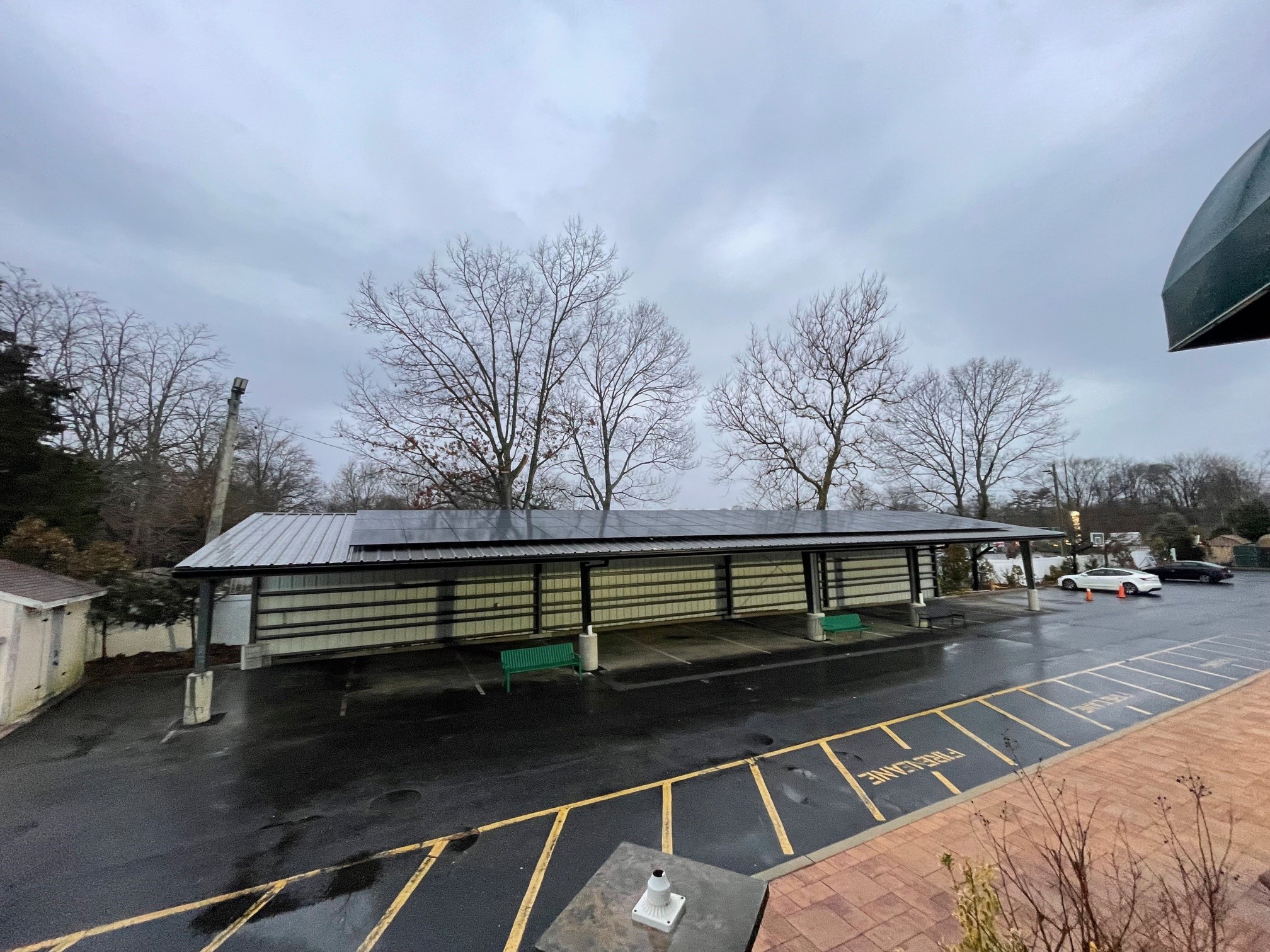
From a parking cover built to carry solar panels to an insulated desert shop, these real Toro buildings show the range we engineer.
16x99x15 parking cover Selden, NY · Built to carry solar panels · See the project 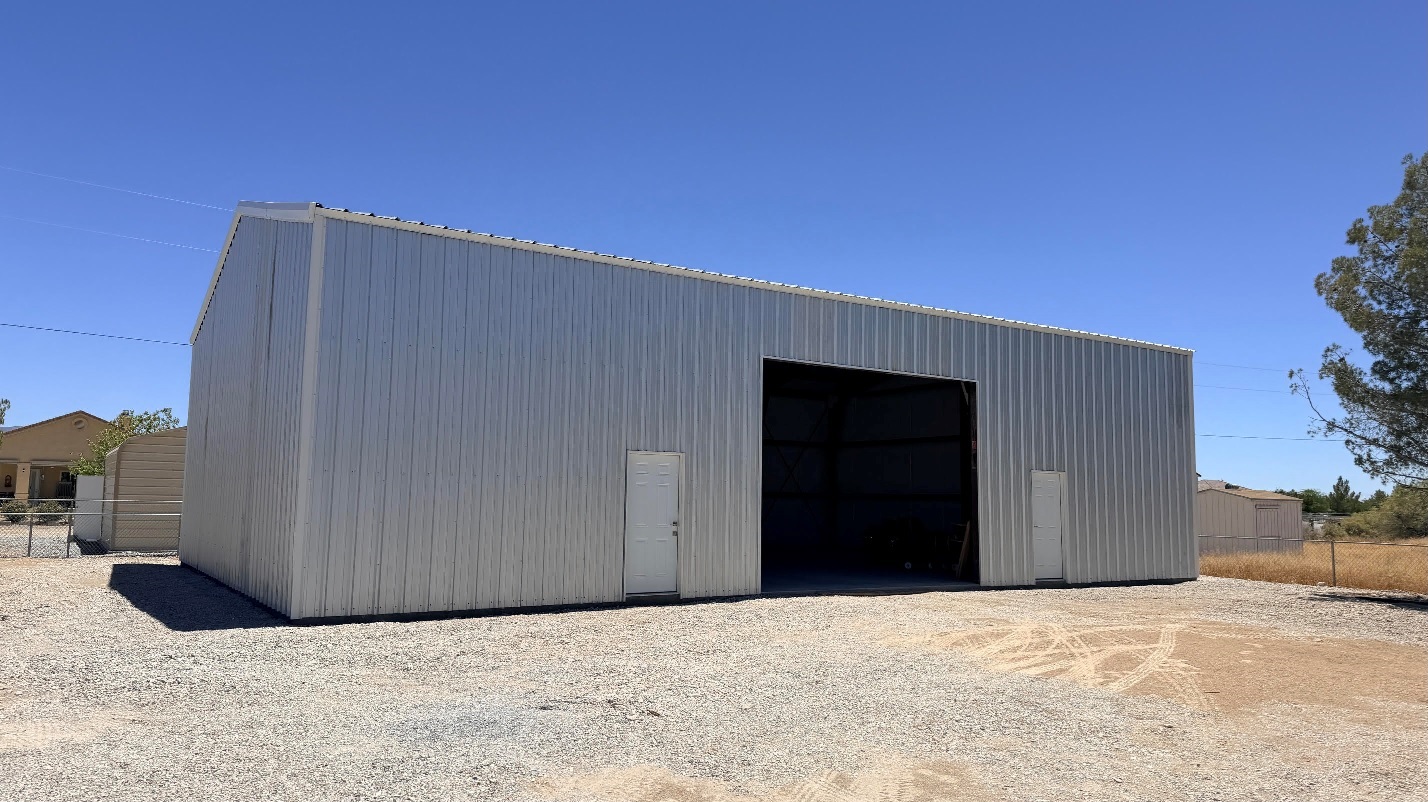 40x60x16 garage and workshop Pahrump, NV · R-20 insulation · See the project
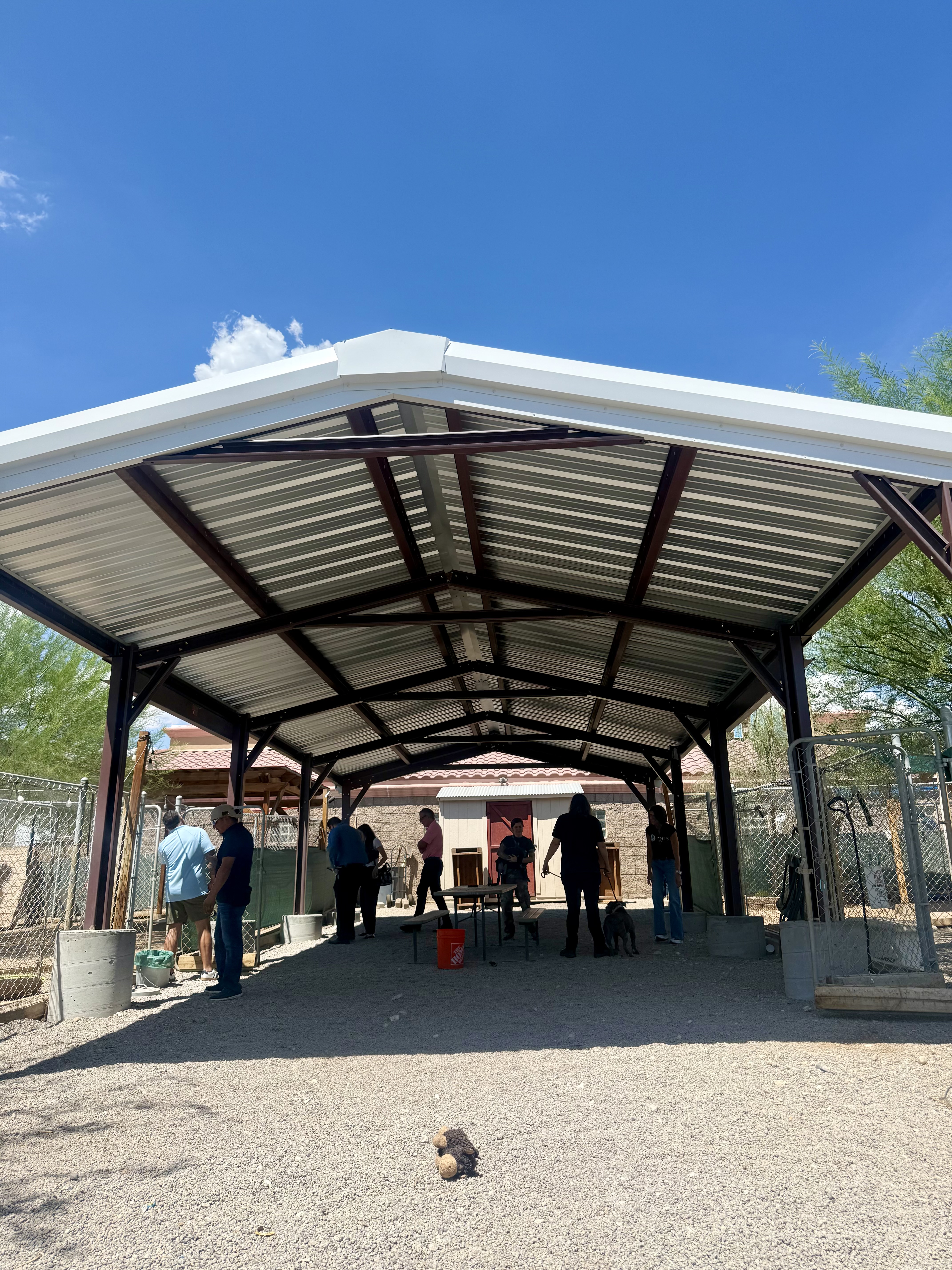 20x42x8 shelter with lean-tos Las Vegas, NV · Recreational shelter · See the project
See more customer builds on our projects page, or compare with our guides to metal buildings in Louisiana and metal buildings in Alabama.
Watch a Toro building go up
 M-Model container cover Product overview · Watch the video
 35x70 winter build 10-day time-lapse · Watch the video
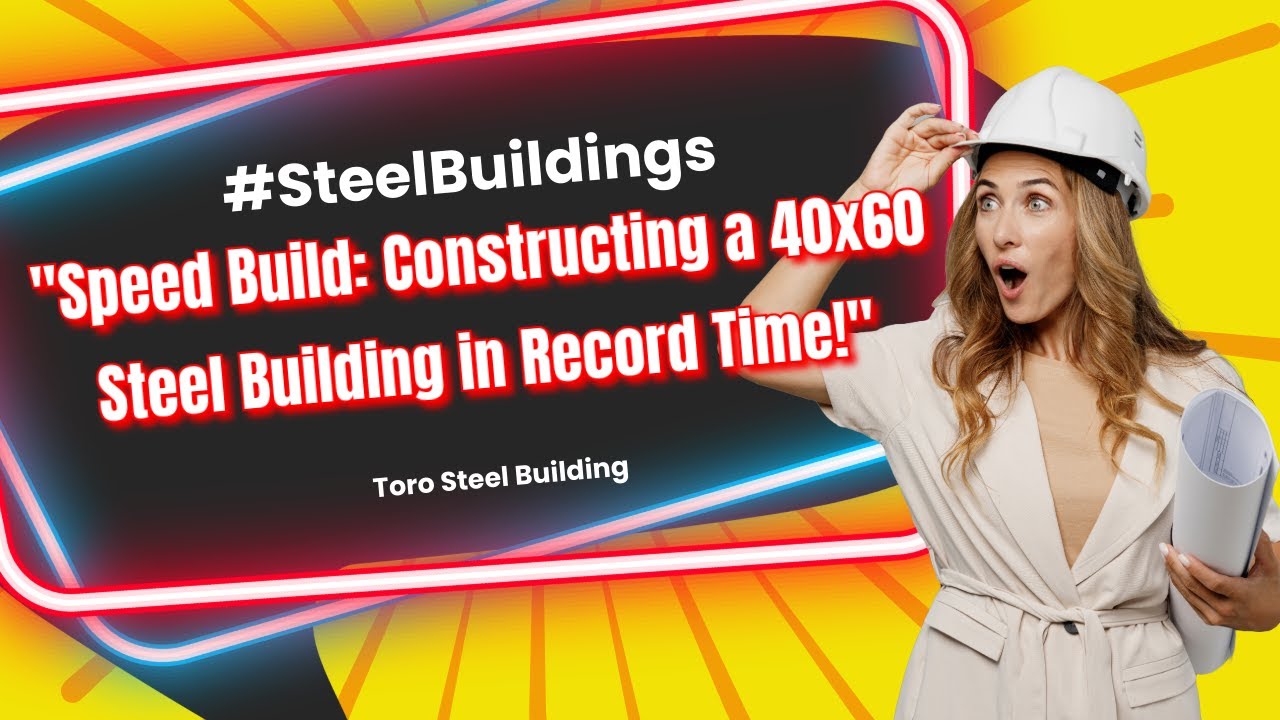 40x60 building time-lapse Assembled in 5 days · Watch the video
Browse every build, review and time-lapse in our video library.
Building for the Hawaii climate
Salt air and humidity
Coastal air is hard on any building. Toro buildings use Galvalume Plus steel, and straight-wall buildings carry a 25–40-year paint warranty depending on panel and finish (see our warranty). Rinsing salt spray off panels and keeping gutters clear helps the finish last.
Shade and storage
Many Hawaii customers want covered parking, equipment storage or a workshop. See our carport kits and storage buildings.
Choosing the right building
Choose a straight-wall building, either cold-formed (M-Model) or red iron, or an arch-style Quonset building. Read the guide to pre-engineered metal buildings and check current U.S. steel building prices. Planning a garage? See our steel garage kits, two-car garage dimensions and carport kits.
Keep reading: real projects, videos and guides
Need a building sooner?
Toro makes 500+ buildings a month, and about 10% are never delivered because a customer's plans change. These clearance buildings are offered at a discount, re-engineered for your site if needed and come with stamped drawings. Inventory changes daily, so the fastest way to see what's available is to call, or browse current U.S. clearance inventory.
Frequently asked questions
Still have questions about building in Hawaii? Price your building and a building specialist will walk you through it.
Does Hawaii have a statewide building code?
Yes. The State Building Code Council adopts the Hawaii State Building Code, based on the 2018 International Building Code with Hawaii amendments, and each county adopts and enforces it.
What wind speed does a metal building need in Hawaii?
It depends on your site and terrain. Hawaii's Appendix W provides detailed wind maps, and Honolulu requires special inspections where the ultimate design wind speed is 120 mph or more. Toro designs your building for your exact address.
Do I need a permit for a metal building in Hawaii?
Usually, yes. Your county building department issues the permit, and Toro supplies the engineer-stamped drawings for your application.
Does Toro install buildings in Hawaii?
No. Toro designs, engineers and ships pre-engineered steel building kits. You assemble the kit yourself or hire a local contractor, using the stamped drawings and structural reactions we provide.
How much does a metal building cost in Hawaii?
Toro pricing starts at US$19 per square foot. Your final price depends on size, framing, options and the loads at your site, so a building specialist confirms it with a quote.
How long does delivery to Hawaii take?
Your building specialist confirms timing for your island when you order, and our operations team keeps you updated along the way. You handle unloading on site.
Related building types
Steel garages | Workshops | Agricultural buildings | Storage buildings | Carport kits | Container covers
Get a steel building quote for your Hawaii project
Tell us what you're building and where, and Toro Steel Buildings will send a quote engineered for your local snow, wind and seismic loads.