


Steel Buildings Washington
Durable Pre-Engineered Metal Buildings in Utah
Prefabricated Steel & Metal Buildings in Washington State
Washington State presents one of the most diverse building environments in the United States. From high-moisture coastal regions to snow-prone mountainous areas and dry inland zones, structural systems must be engineered to perform under a range of environmental conditions.
Steel buildings have become a preferred solution across Washington due to their ability to adapt to varying loads, resist environmental degradation, and provide long-term structural reliability. Unlike traditional construction materials, steel maintains dimensional stability and structural integrity across temperature changes, moisture exposure, and long-term use.
Toro Steel Buildings supplies engineered steel buildings in Washington, designed to meet the structural requirements of each project location. Whether for residential, commercial, agricultural, or industrial applications, our metal building systems are optimized for durability, efficiency, and performance.
Why Choose Toro for Steel Buildings in Washington?
Selecting the right building system requires more than just material selection; it requires engineering precision. Toro Steel Buildings provides pre-engineered metal building kits designed with location-specific loads and building use in mind.
Our buildings are engineered to meet or exceed applicable building codes and are designed for:
- Optimized structural performance through efficient load distribution
- Long-term durability with minimal maintenance requirements
- Resistance to moisture, pests, and environmental wear
- Flexible layouts for multiple building applications
- Unlike wood-frame structures, steel does not absorb moisture, warp, or deteriorate over time. This makes steel buildings particularly well-suited for Washington’s climate, where moisture exposure and environmental variability can impact traditional materials.
Types of Steel Buildings in Washington
Steel buildings are widely used across Washington for a variety of uses, from urban commercial developments to rural agricultural operations. Their adaptability and engineered performance make them a reliable solution for projects of all sizes and complexities.
Toro Steel Buildings supplies prefabricated metal buildings in Washington State that are designed to meet diverse structural and functional requirements. Whether you’re building in coastal regions or inland areas, our systems are engineered to deliver long-term performance.
Garage Buildings
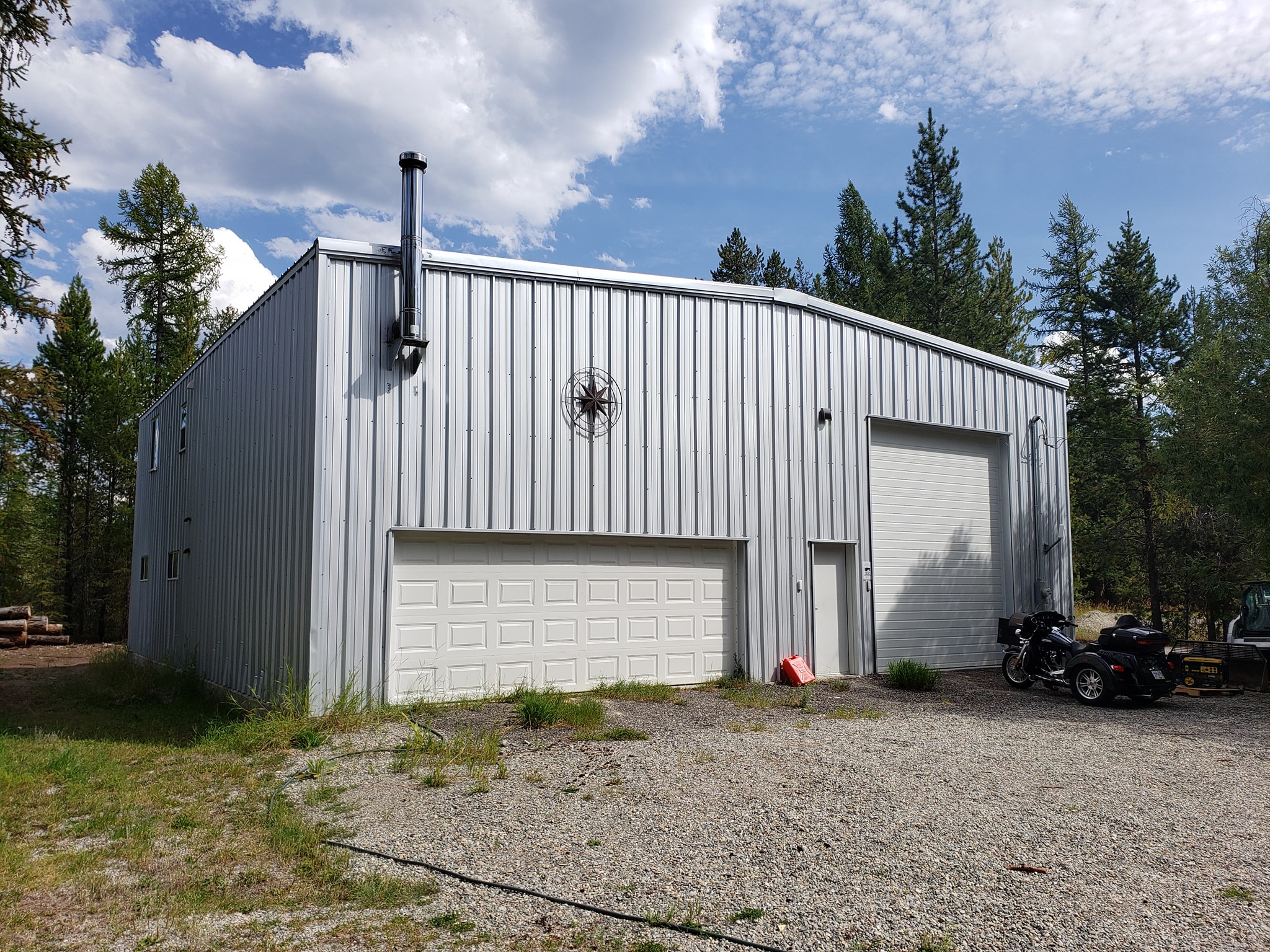
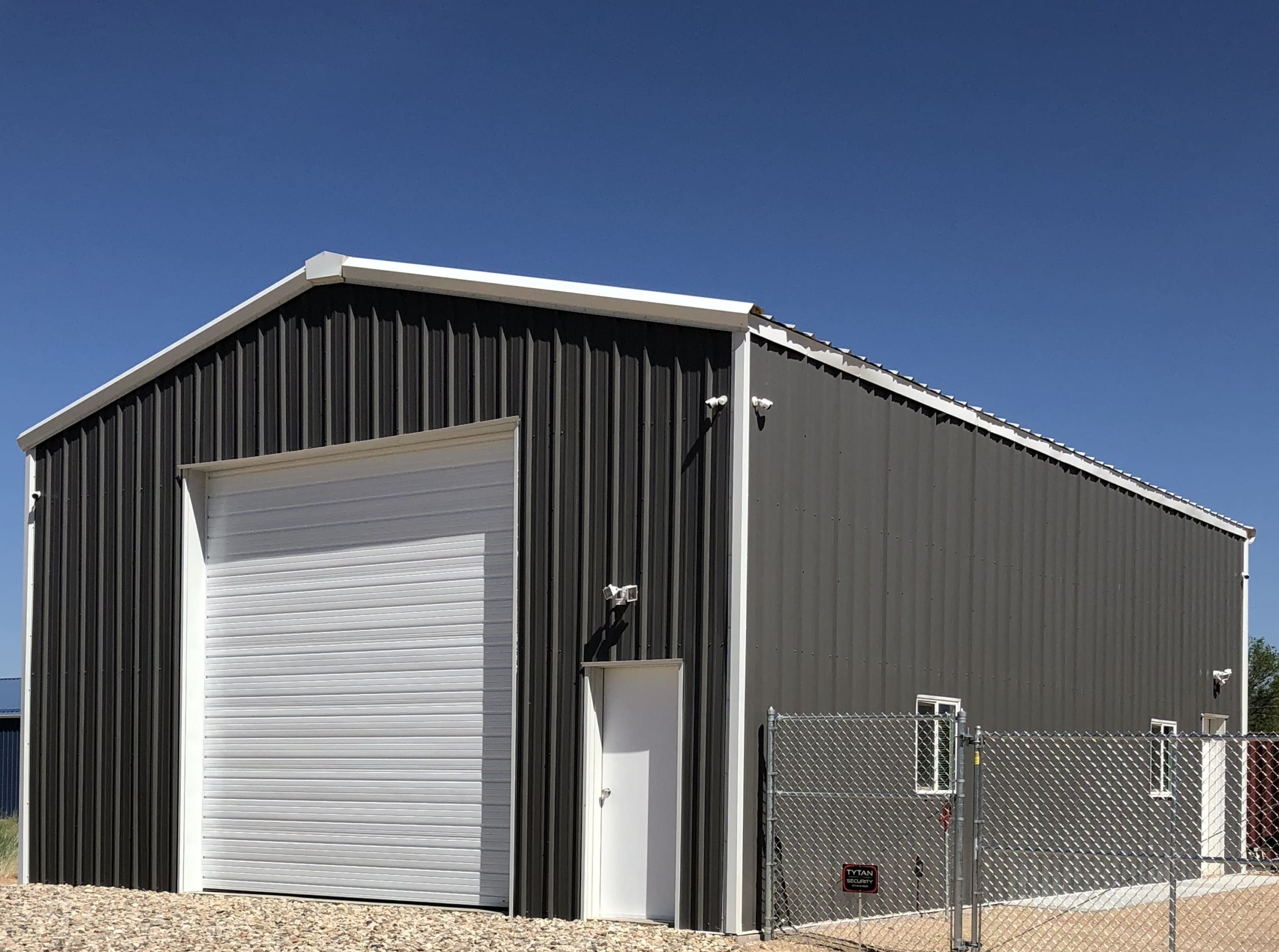
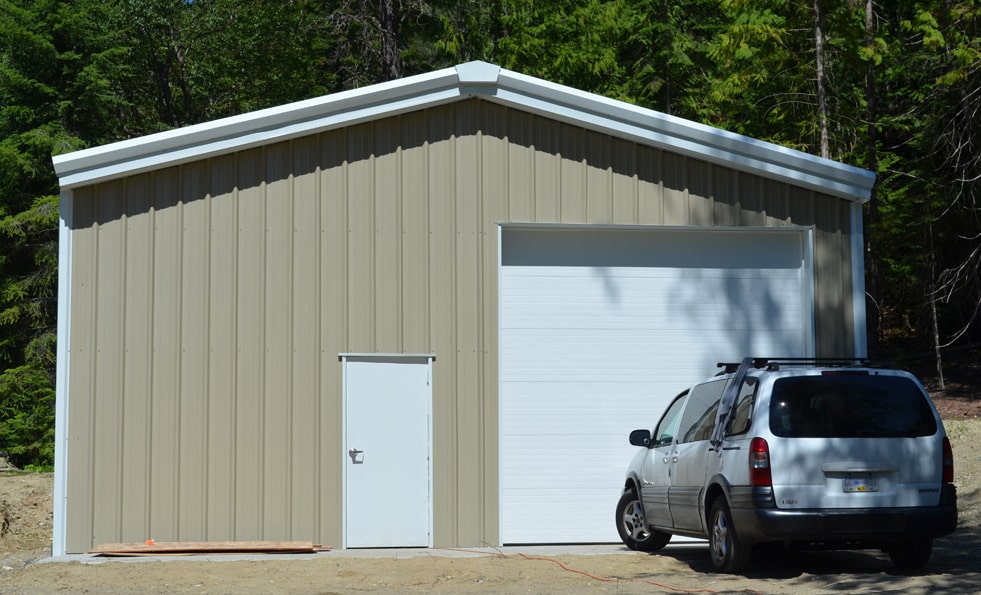
Protect your vehicles, tools, and equipment with a durable steel garage designed for both residential and commercial use. These buildings can be configured with overhead doors, insulation systems, and integrated workspace areas. Their structural strength ensures reliable protection and long-term performance. Ideal for homeowners, contractors, and fleet storage applications.
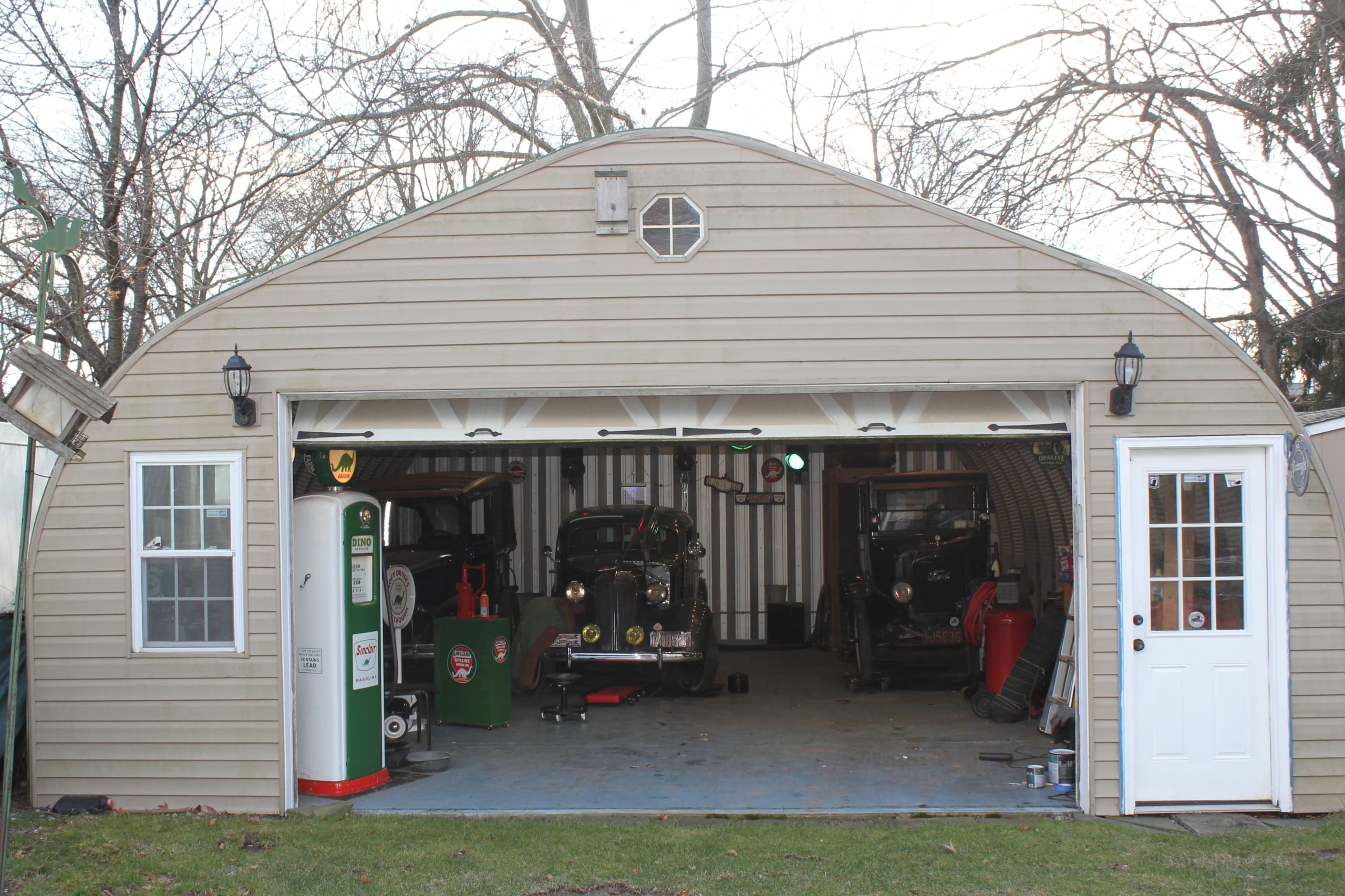
Workshop Buildings
Create a dedicated workspace tailored to your needs, whether for woodworking, automotive work, or fabrication. Steel workshops offer flexible layouts and clear-span interiors, allowing you to organize tools and equipment without space limitations. Designed for comfort and functionality, these buildings provide a reliable environment for both personal and professional use.
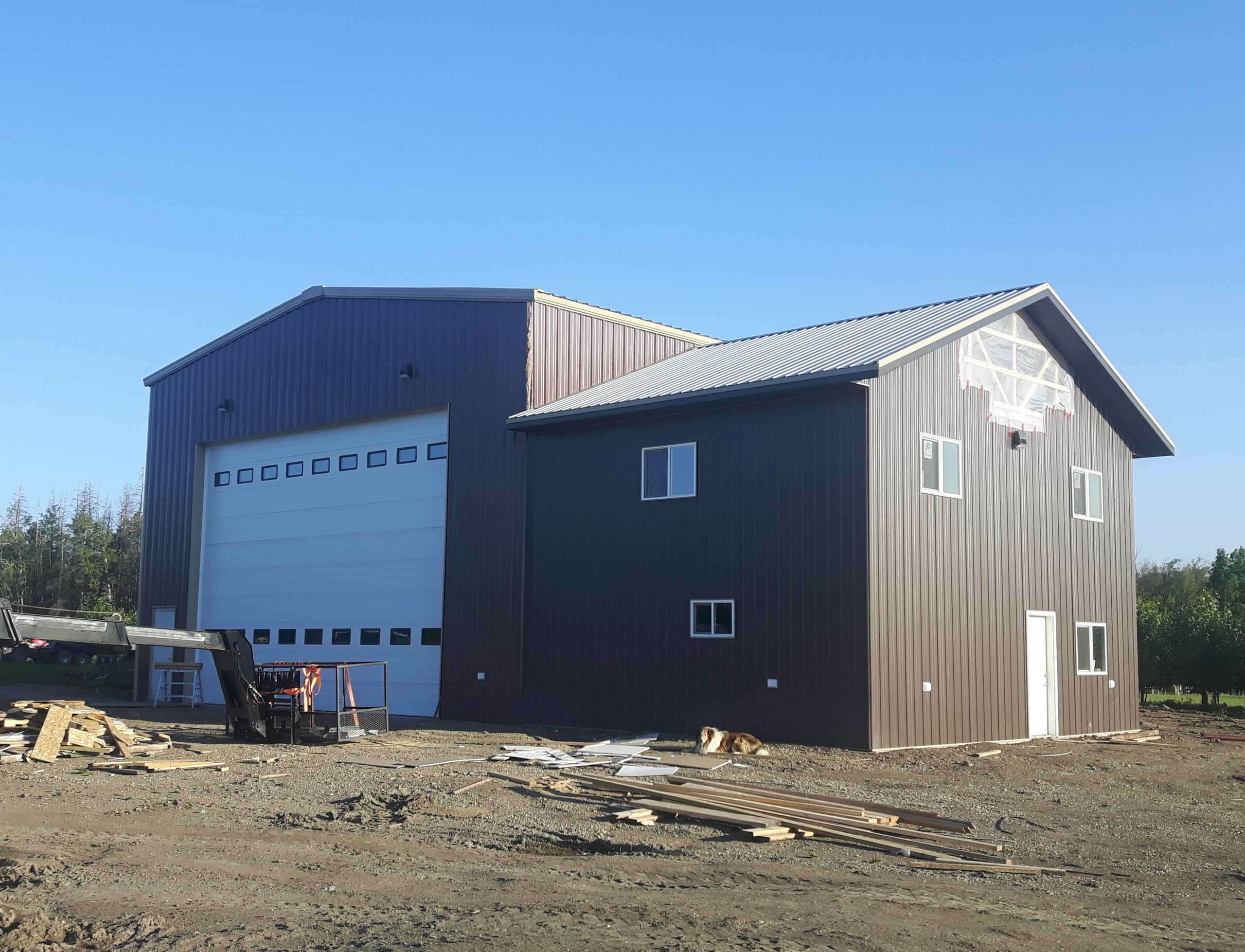
Storage Buildings
Steel storage buildings provide secure, versatile space for a wide range of uses, including inventory, equipment, and personal belongings. Available in multiple sizes and configurations, they can be customized to suit specific storage requirements. Their durable construction ensures long-term performance with minimal maintenance. Suitable for residential, commercial, and industrial applications.
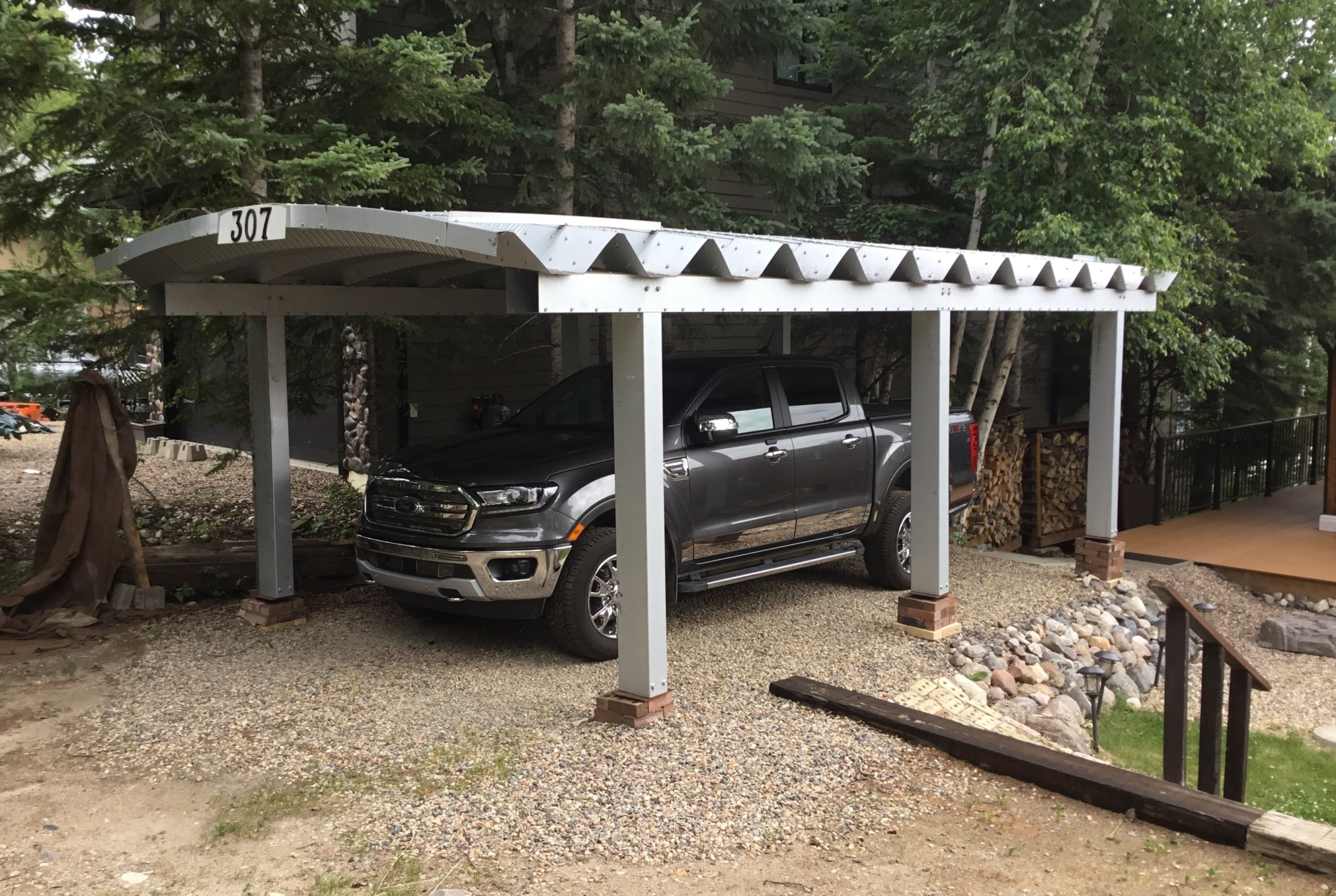
Carports
Protect vehicles, machinery, and equipment with customizable metal carport systems. These structures can be installed as standalone units or attached to existing buildings, offering flexible placement options. Designed for durability and ease of use, they provide reliable overhead protection without the cost or space requirements of a fully enclosed structure.
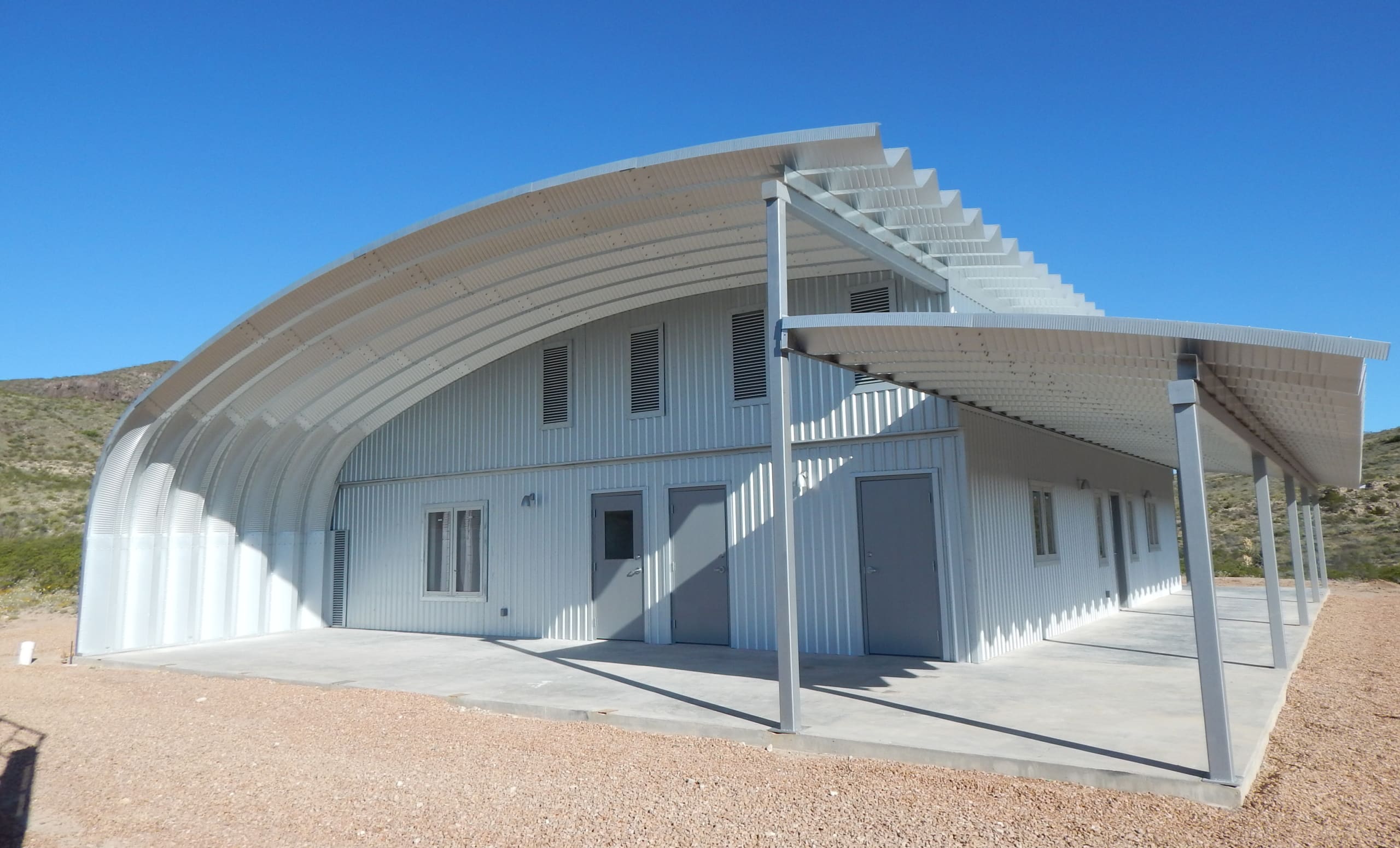
Roofing Systems
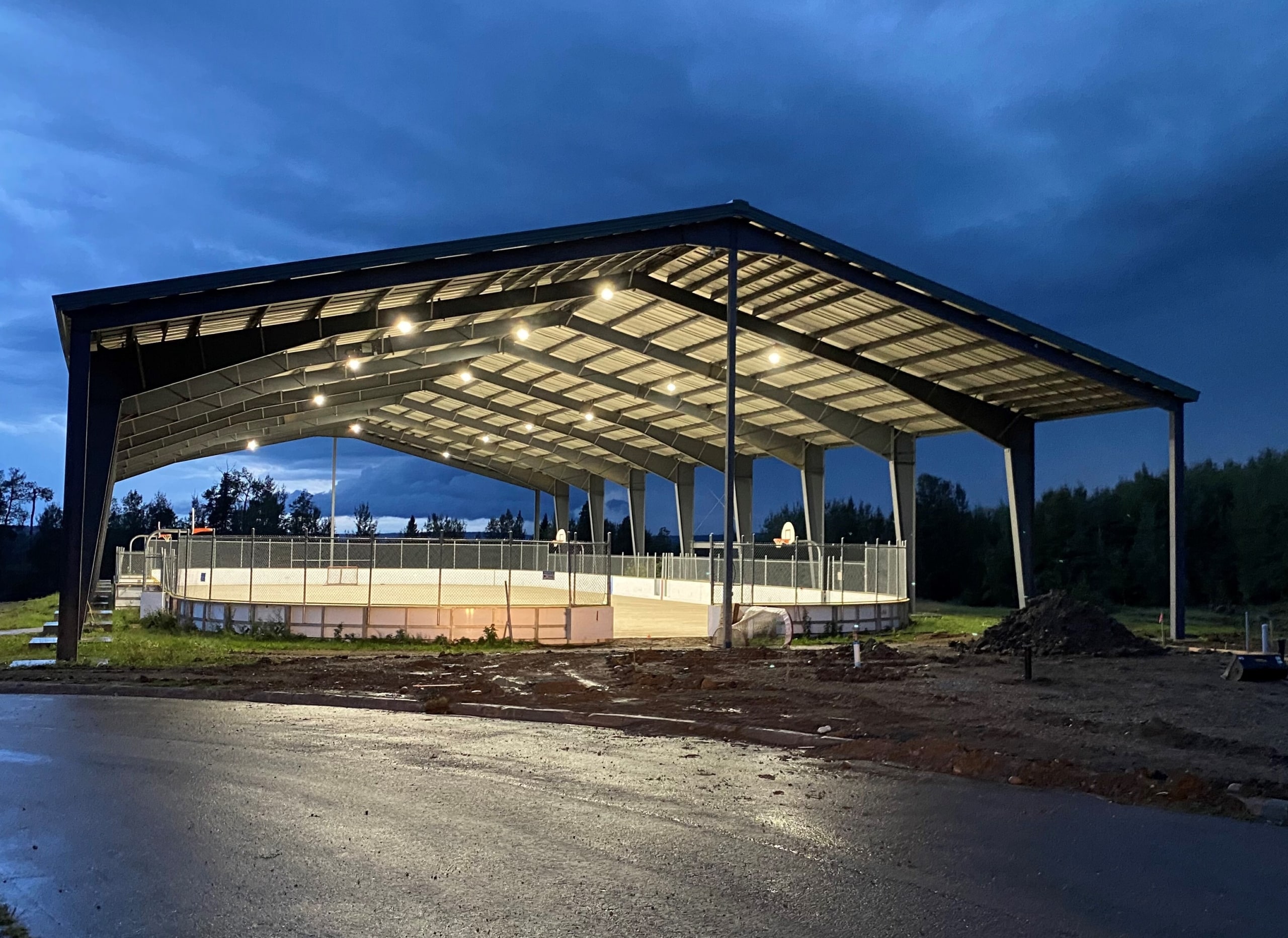
Steel roofing systems offer clear-span coverage without the need for interior supports, making them ideal for open-air protection. These structures are commonly used for walkways, loading areas, and outdoor workspaces. Built with durable materials, they offer long-term resistance to moisture and environmental exposure, making them a practical solution for both commercial and agricultural applications.
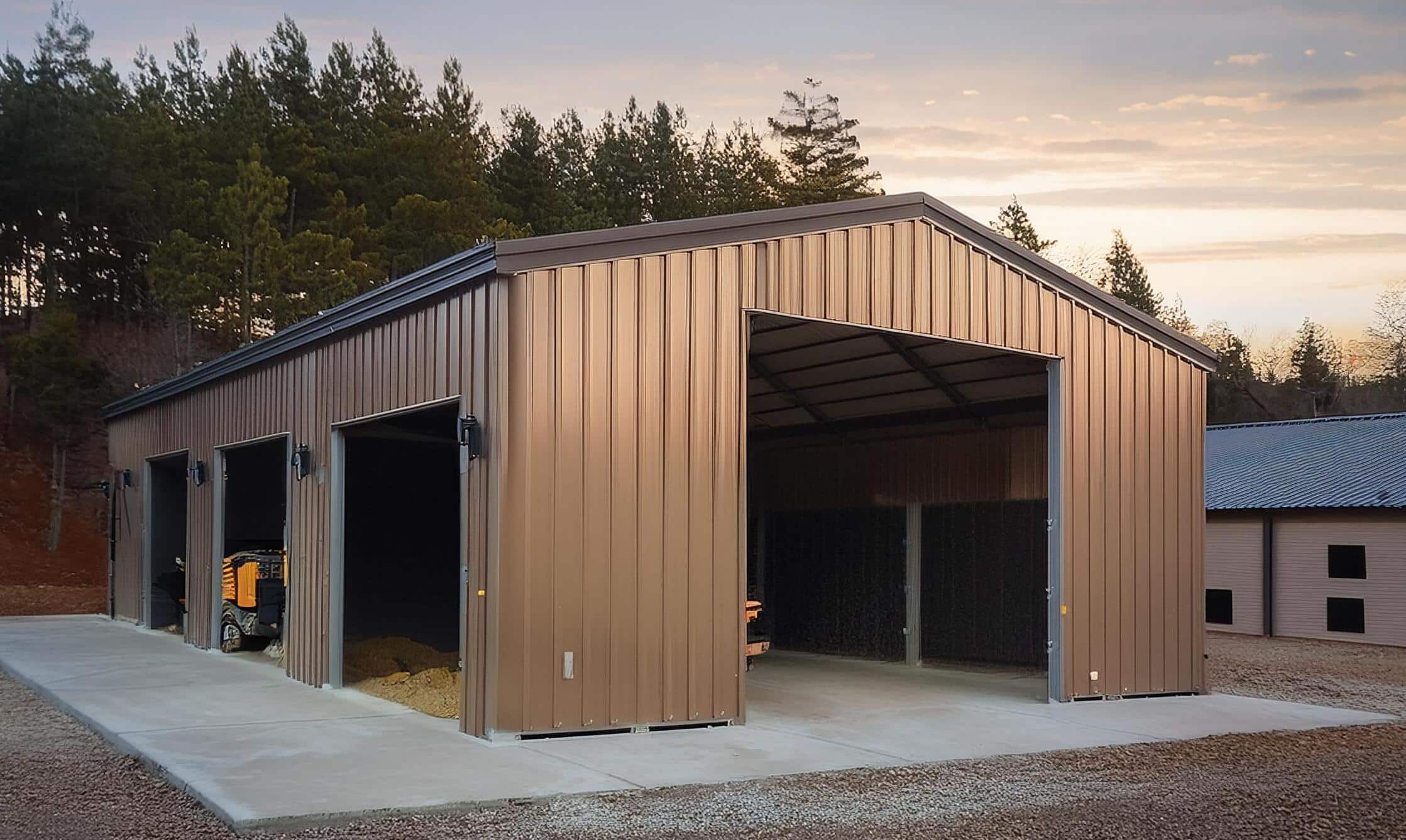
Agricultural Buildings
Designed to support modern farming operations, steel agricultural buildings provide reliable space for equipment storage, livestock housing, and crop protection. These structures can be customized to suit a variety of farm applications while maintaining efficient layouts. Built for durability, they perform consistently across Washington’s varying environmental conditions.
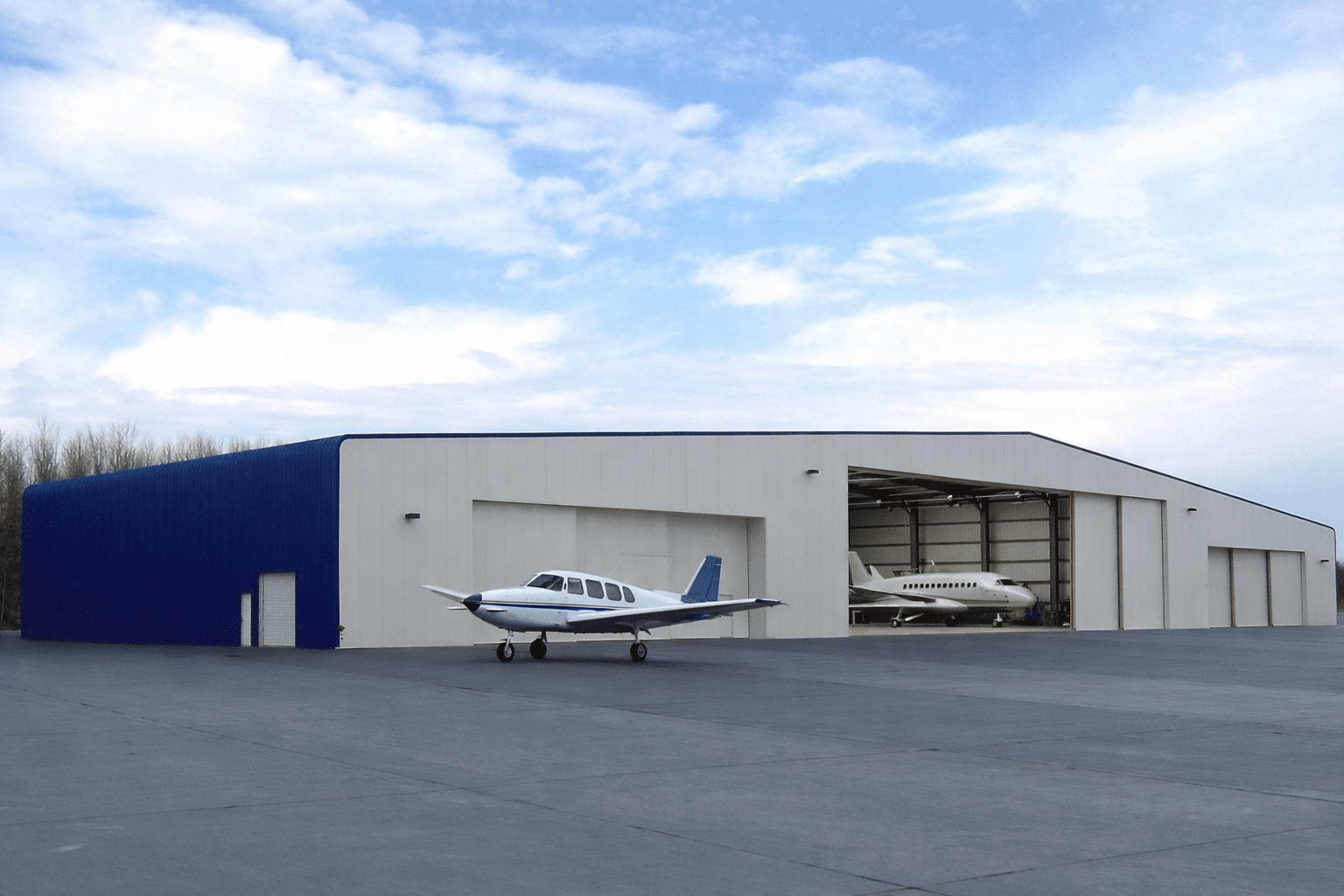
Aviation
Steel buildings are an excellent solution for aviation storage and maintenance facilities. Their clear-span design allows for unobstructed interior space, accommodating aircraft of various sizes. Wide door openings and customizable features support efficient operation and access. These buildings are engineered for long-term durability and performance.
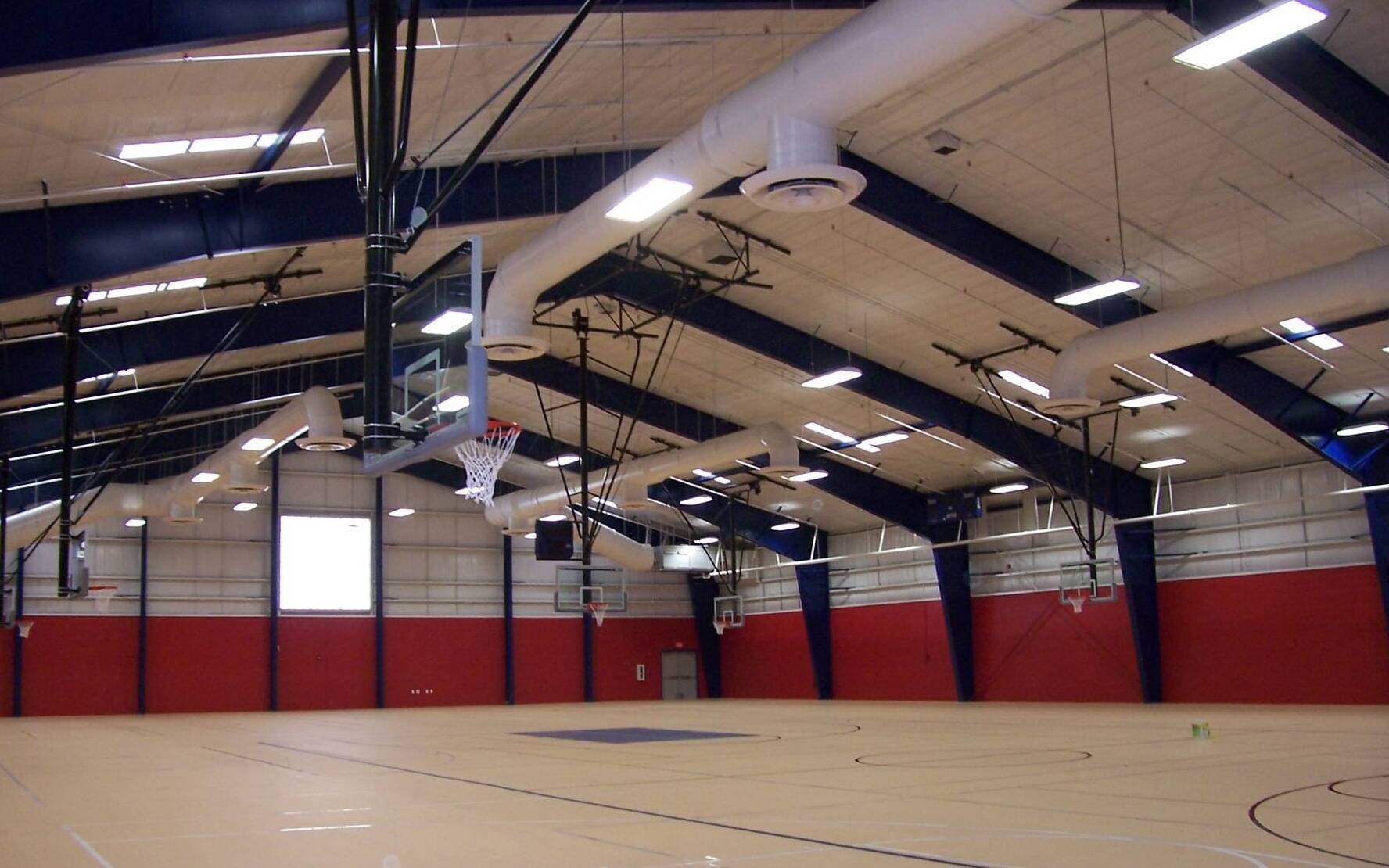
Arenas and Recreational
Large-span steel buildings are ideal for indoor recreational facilities, including equestrian arenas, sports complexes, and training centers. The open interior design allows for maximum flexibility without structural interference. These buildings provide the space and durability required for a wide range of activities.
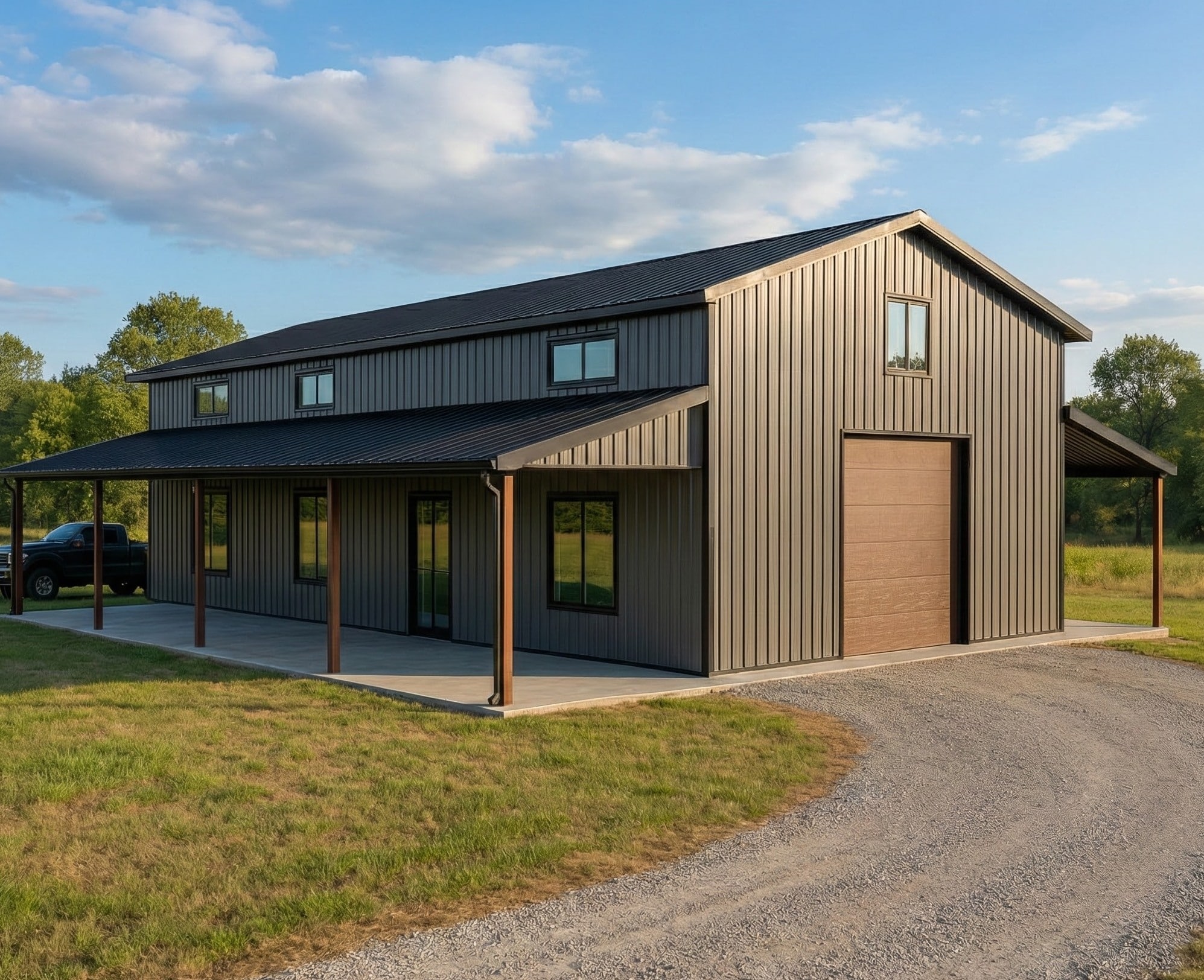
Barndominiums
Steel-framed barndominiums offer a modern approach to combining residential living with functional space. These buildings allow for flexible layouts that integrate living areas, garages, and workshops within a single structure. Designed for durability and efficiency, they provide a long-lasting alternative to traditional housing. Suitable for both rural and suburban properties.
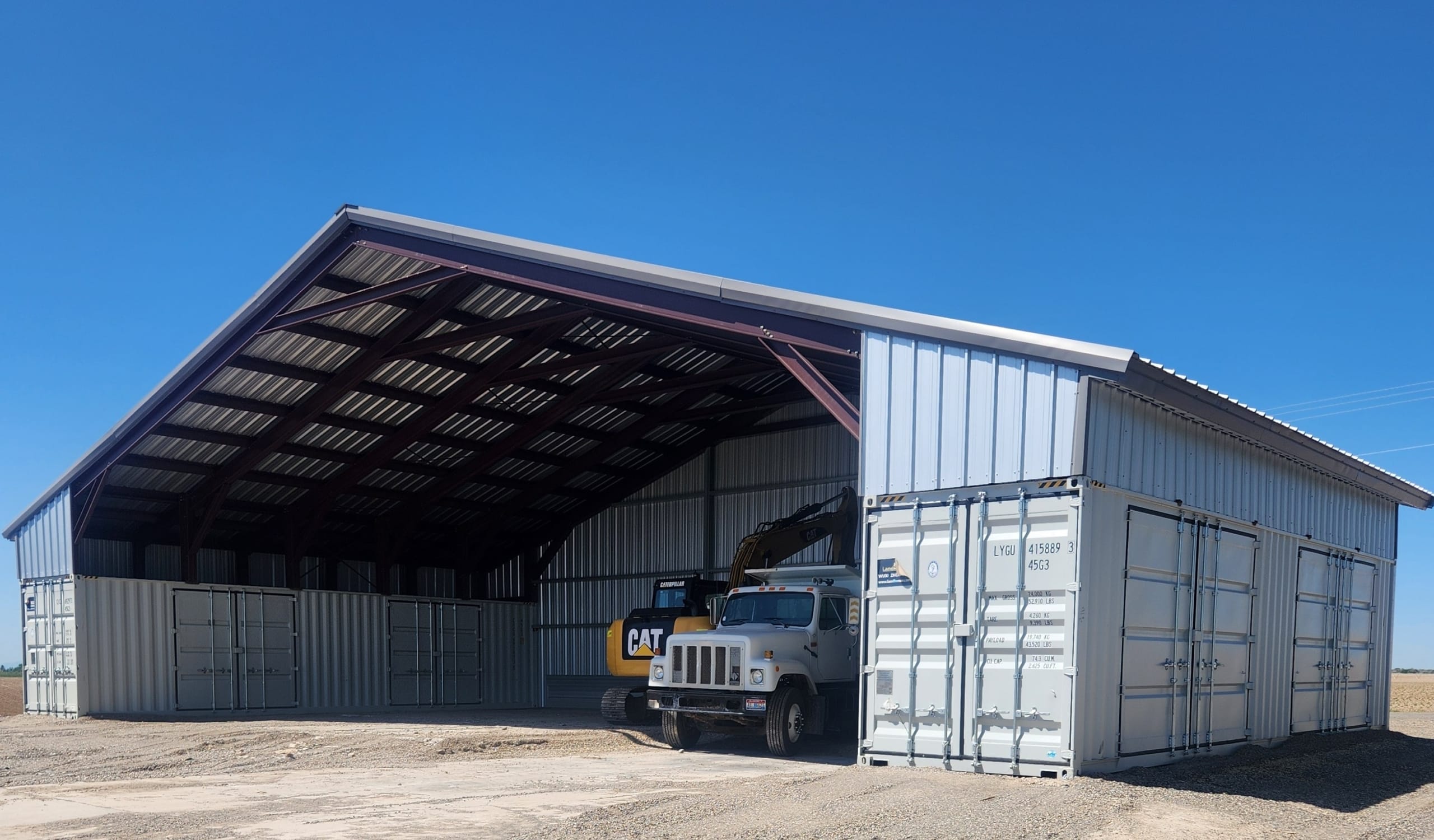
Container Covers
Container cover systems provide a cost-effective way to create covered storage or workspace using existing shipping containers. These structures are quick to install and can be customized to suit different widths and applications. Ideal for job sites, agricultural use, or industrial operations requiring flexible covered space.
Steel Buildings Engineered for
Washington State
Washington’s geography creates multiple design scenarios that must be addressed through proper engineering. Buildings in western coastal regions experience high rainfall and humidity, while those in eastern regions and at higher elevations must account for snow loads and temperature variation. Additionally, seismic considerations play an important role across much of the state.
Steel buildings are engineered using a combined load approach, where environmental forces are evaluated together rather than independently. This ensures the structure performs as intended in real-world conditions.
Rain & Moisture Management
Western Washington experiences consistent rainfall and high humidity levels. Steel buildings are designed with proper drainage systems, roof slopes, and protective coatings to prevent water accumulation and long-term corrosion.
Snow Load Requirements
Inland and mountainous areas require structures engineered for snow accumulation. Roof systems, purlins, and primary framing are designed based on local ground snow load values to ensure safe load transfer.
Seismic Design Considerations
Washington lies within a seismically active region. Steel buildings are designed with lateral bracing systems and moment-resisting frames to ensure structural stability during seismic events.
Wind Exposure
Coastal regions and open terrain areas can experience strong winds. Steel buildings are engineered to resist uplift forces and lateral loads through anchored foundations and reinforced connections.
Urban vs Rural Design Differences
Urban areas like Seattle require stricter compliance with zoning, permitting, and occupancy classifications, while rural areas may allow more flexibility for agricultural structures.
Washington Building Codes and What They Mean for Your Metal Building Kit
Washington has adopted the International Building Code (IBC) and the Washington State Building Code (WSBC), which include additional requirements for seismic design, energy efficiency, and environmental performance. Most permanent steel buildings in Washington require a building permit issued by the local city or county authority, and structural drawings must be prepared and stamped by a Professional Engineer (PE) licensed in Washington.
Several key code variables directly impact the engineering and overall cost of a steel building or metal building kit in Washington. These include seismic design category (especially critical in western regions), ground snow load (higher in eastern and mountainous areas), wind exposure category, rain and moisture exposure considerations, and occupancy classification. Toro provides PE-stamped engineering drawings for every Washington project, ensuring compliance with local code requirements based on the exact project location and intended use.
Unlike some states, Washington enforces building codes at both the state and local jurisdiction levels, meaning requirements can vary between cities and counties. Major jurisdictions such as King County (Seattle), Pierce County (Tacoma), Snohomish County, Spokane County, and Clark County (Vancouver) all have established permitting processes for steel buildings. In rural areas, agricultural buildings may have simplified permitting pathways, but most permanent and occupied structures must still comply with state-adopted structural and safety codes.
Steel Building Systems Available in Washington
Steel buildings are not one-size-fits-all. Different structural systems are used depending on project size, application, and engineering requirements.
Straight Wall Steel Buildings (Red Iron & Cold-Formed)
Straight wall systems use vertical columns and traditional framing to maximize interior space and flexibility.
- Red Iron Steel Buildings: Red iron buildings use hot-rolled structural steel I-beams and rigid frames. These systems are ideal for large-scale commercial and industrial applications, including warehouses, manufacturing facilities, and aviation hangars where wide spans and heavy loads are required.
- Cold-Formed Steel Buildings: Cold-formed steel structures use lighter-gauge roll-formed components. These buildings are commonly used for garages, workshops, storage buildings, and smaller commercial structures. They offer a cost-efficient solution while maintaining structural reliability.
Arch Style Steel Buildings
Arch buildings use curved, self-supporting panels that eliminate the need for traditional framing systems. This design allows loads to be distributed evenly across the structure, improving efficiency and durability.
All Toro arch buildings are manufactured using Galvalume Plus™ steel, which enhances corrosion resistance and extends the lifespan of the structure. This makes arch buildings particularly effective in moisture-prone environments.
Washington Steel Buildings Advantages
Key Factors That Influence Steel Building Costs in Washington State
The cost of steel buildings in Washington is determined by a combination of engineering requirements, site conditions, and project-specific design choices. Because each structure must be tailored to its exact location and use, pricing is typically calculated individually rather than based on fixed estimates.
Several important variables can impact the overall project cost:
- Building Dimensions and Clear Span Requirements: Larger buildings and wider spans require more structural steel and engineered support systems, increasing material and fabrication demands.
- Moisture and Corrosion Protection Needs: In western Washington, additional protective coatings or materials may be required to address long-term exposure to rainfall and humidity.
- Seismic Design Requirements: Structural systems must be engineered to meet Washington’s seismic design criteria, which can influence framing, bracing, and connection details.
- Snow Load and Regional Variations: Inland and higher-elevation areas may require additional structural capacity to support snow accumulation, affecting overall design and cost.
- Building System Selection: The choice between red iron, cold-formed steel, or arch-style steel buildings affects both material use and engineering complexity.
- Openings, Accessories, and Custom Features: Large door openings, windows, insulation systems, and interior build-outs can add to the overall project scope.
- Foundation Design and Site Preparation: Soil conditions, drainage requirements, and foundation type all influence construction costs.
- Project Location and Delivery Logistics: Transportation distance, site accessibility, and regional factors can influence delivery and installation considerations.
Because of these variables, the most accurate way to determine pricing is through a project-specific quote based on your building requirements and location within Washington.
Steel Building Delivery Anywhere in Washington
Toro Steel Buildings supplies engineered metal building kits throughout Washington State, supporting projects in both urban centers and rural regions. With a network of over 15 manufacturing facilities across North America, we can optimize shipping routes, helping reduce freight costs and improve delivery timelines.
We regularly serve customers in key Washington locations, including:
- Seattle
- Tacoma
- Spokane
- Bellevue
- Everett
- Kent
- Vancouver
- Yakima
- Bellingham
- Olympia
If your city is not listed, our delivery network allows us to supply steel buildings to projects anywhere across Washington.
Your Trusted Steel Building Partner in Washington
At Toro Steel Buildings, we focus on more than just supplying materials; we work as a project partner from start to finish. Our team evaluates your building requirements, location-specific conditions, and intended use to recommend the most suitable structural solution.
We provide guidance throughout the process, from initial design considerations to final delivery, ensuring you receive a building that meets both performance expectations and budget requirements. For customers seeking additional value, we also offer select inventory and clearance building options.
Contact our team today to discuss your project and find the right steel building solution for your needs.