


PEMB: The Complete Guide to Pre-Engineered Metal Buildings
What Is PEMB? Understanding the Basics
If you’ve been researching modern construction solutions, you’ve likely come across the term PEMB. But what exactly does it mean, and why is it revolutionizing the construction industry?
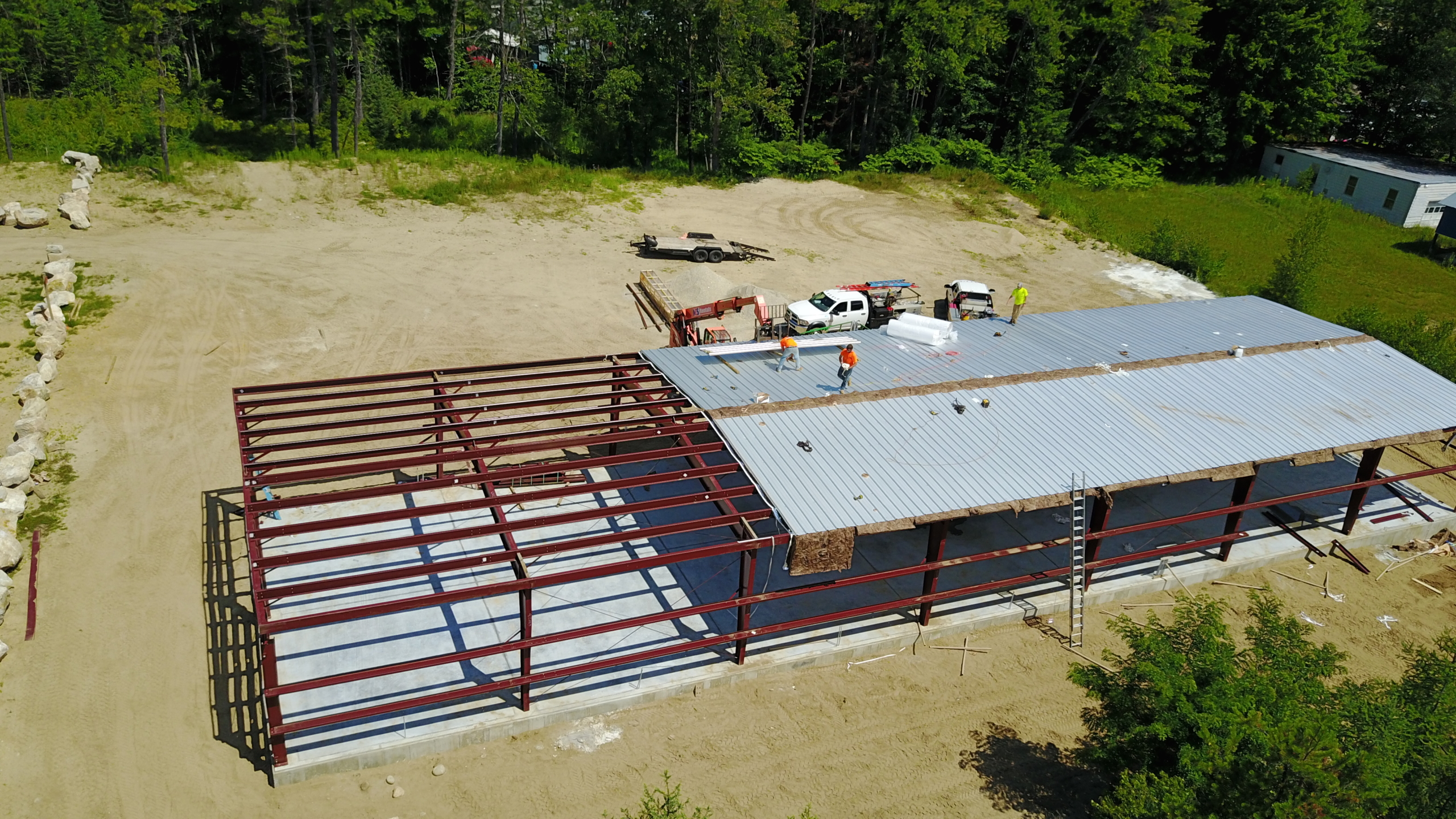
PEMB stands for Pre-Engineered Metal Building. It refers to a complete structural system that is designed, fabricated, and delivered to a job site ready for assembly. Unlike conventional construction, where materials are sourced separately and field-engineered on-site, a PEMB is manufactured in a controlled factory environment and shipped as a complete building kit, including the primary steel framework, secondary framing, roofing, wall panels, doors, windows, trim, and fasteners.
The concept behind PEMB in construction is straightforward: engineer the structure in advance, optimize every component for structural efficiency, and eliminate the costly guesswork of traditional building methods. The result is a faster, more affordable, and more durable building solution that works across a wide range of applications.
At Toro Steel Buildings, we specialize in delivering high-quality PEMB structures across the United States and Canada. Whether you’re building a warehouse, commercial facility, agricultural storage unit, or retail complex, our pre-engineered metal building design solutions are tailored to your exact needs.
What Is PEMB in Construction? A Deeper Dive
To fully appreciate the value of PEMB, it’s important to understand how it fits into the broader construction world. In conventional building construction, engineers design a structure from scratch, calculate load requirements, source raw materials, and perform most of the complex work on-site. This process is time-consuming, labor-intensive, and prone to delays.
PEMB in construction takes a different approach. The entire building system is engineered using advanced software that precisely calculates every structural requirement, including seismic forces, wind, snow, and live loads- before a single piece of steel is cut. All components are manufactured to exact specifications using automated, computer-controlled equipment in a factory setting.
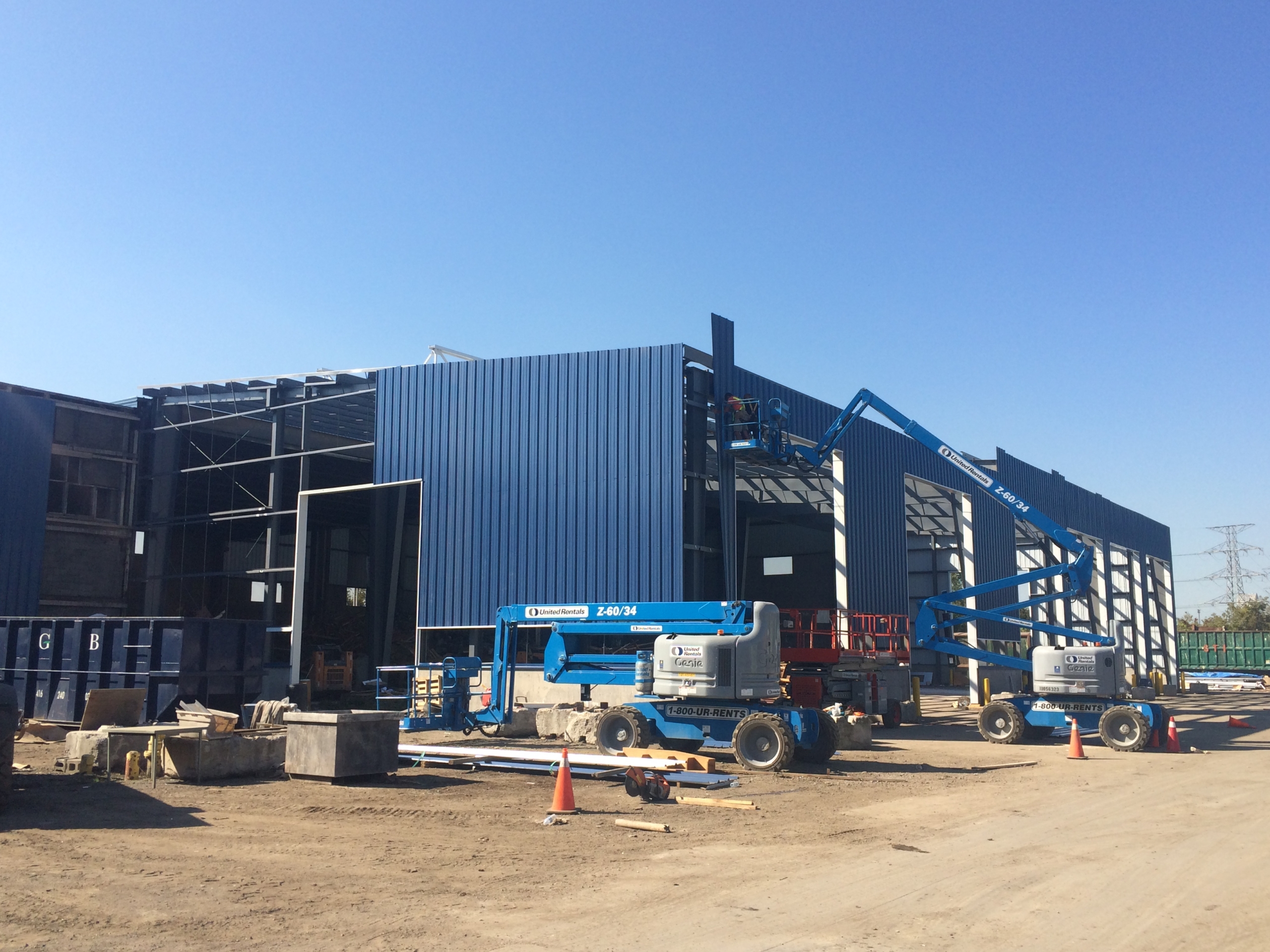
When the steel arrives at your job site, it’s already cut and drilled, ready to bolt together. Assembly is fast, predictable, and requires far less skilled labor than traditional construction. For project owners and developers, this translates directly into lower costs, shorter timelines, and fewer surprises.
Understanding the PEMB Structure
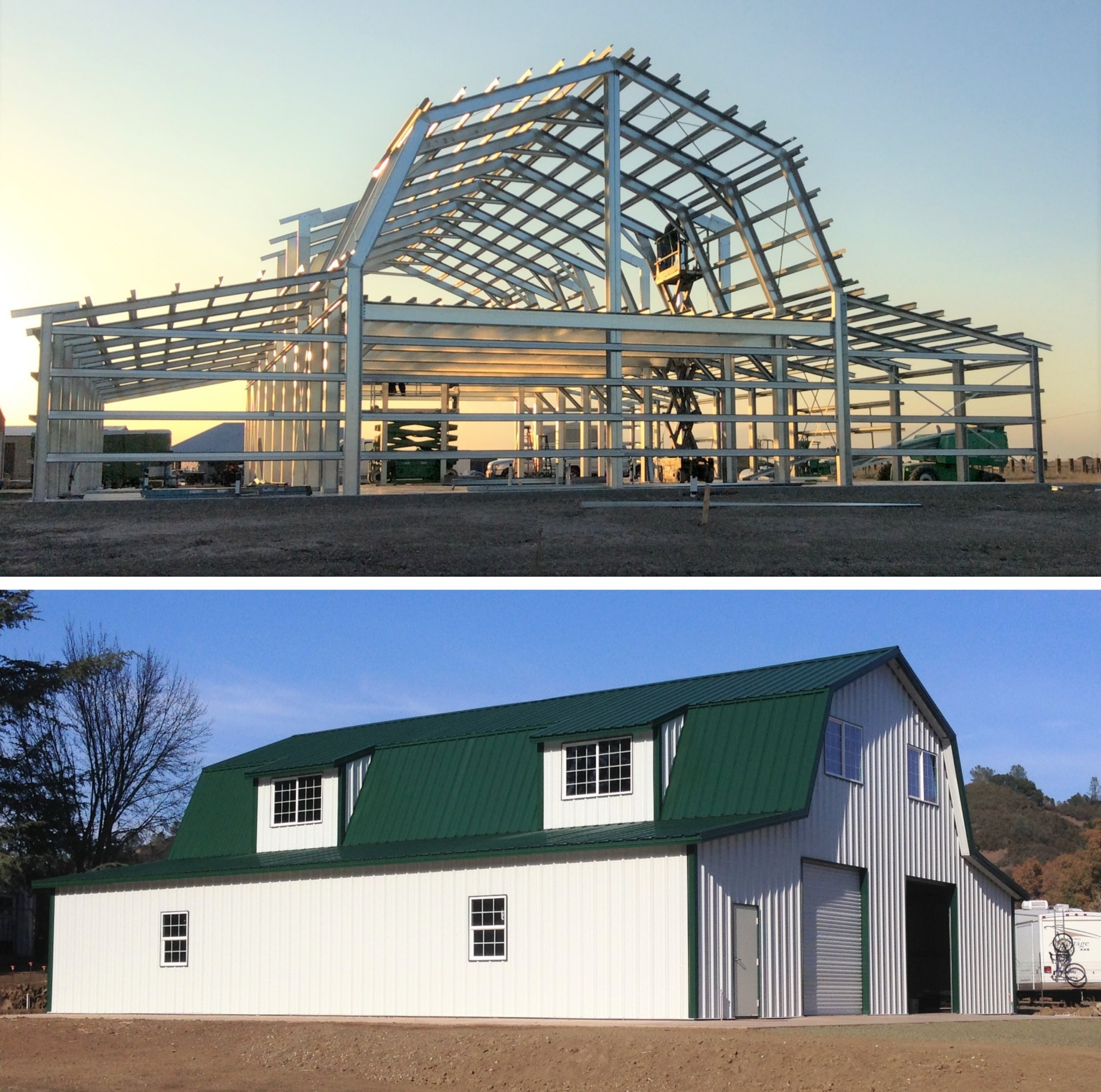
A PEMB structure is a complete, integrated building system comprising several key components, each engineered to work perfectly with the others. Here’s a breakdown of what makes up a typical PEMB:
1. Primary Structural Framing
The backbone of any PEMB structure is its primary steel frame, and the right framing system depends on your project’s size, use, and engineering requirements. At Toro Steel Buildings, we offer three primary structural systems:
- Red Iron (Hot-Rolled Rigid Frame): These frames use welded steel plate I-beams with tapered members optimized to carry load more efficiently, heavier where stress is highest, lighter where it isn’t. This reduces total steel weight while maintaining full structural integrity. Red iron is the preferred choice for large commercial and industrial projects that require wide, clear spans and heavy load capacity.
- Cold-Formed Steel Frames: These systems use lighter-gauge roll-formed steel components, making them ideal for smaller structures like garages, workshops, and storage buildings. They deliver structural reliability at a lower price point.
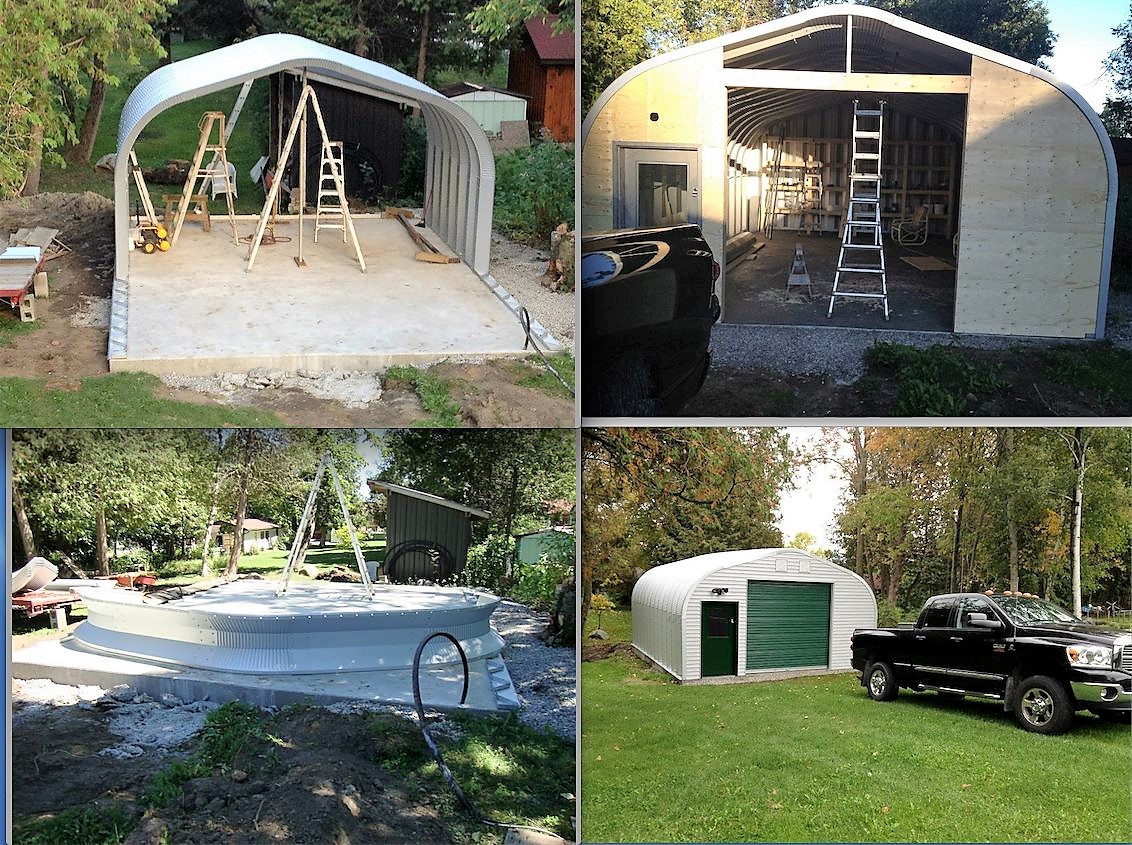
- Arch Style Frames: Toro’s arch buildings use curved, self-supporting Galvalume Plus™ steel panels that serve as both the structure and the building envelope, eliminating the need for a separate primary frame. Load is distributed evenly across the arch, providing excellent strength and durability with minimal material.
2. Secondary Framing
Secondary framing includes purlins (horizontal roof members) and girts (horizontal wall members) that span between the primary frames. These components support the roof and wall panels and are typically cold-formed steel sections, such as Z- or C-purlins.
3. Roof and Wall Panels
PEMB roof and wall cladding is typically made from roll-formed steel panels, available in a variety of profiles, colors and finishes. Panel options include standing-seam roofs for superior weather-tightness, corrugated panels for economical applications, and insulated panel systems for energy efficiency.
4. Doors, Windows, and Accessories
A complete PEMB package from a reputable manufacturer includes all the accessories needed to complete the building envelope – walk doors, sliding doors, overhead doors, skylights, louvers, gutters, and downspouts.
5. Foundation
While the foundation is not typically included in the PEMB package, the manufacturer provides anchor bolt plans and foundation loads so your civil engineer or foundation contractor can design and build the appropriate footing system to support the structure.
Advantages of PEMB
The advantages of PEMB are numerous and well-documented. Here’s why contractors, developers, business owners, and agricultural operators consistently choose pre-engineered metal buildings over traditional construction:
✅ Faster Construction Timeline
One of the most significant advantages of PEMB is speed. Because all components are manufactured off-site and shipped ready to assemble, construction timelines can be reduced by as much as 30–50% compared to conventional building methods. For business owners, this means faster occupancy and a quicker return on investment.
✅ Cost Efficiency
PEMB construction is highly cost-effective. Factory fabrication reduces material waste, lowers labor requirements, and keeps costs more predictable. Optimizing steel use means less material is needed to achieve the same structural performance, savings that are passed directly to the customer.
✅ Design Flexibility and Customization
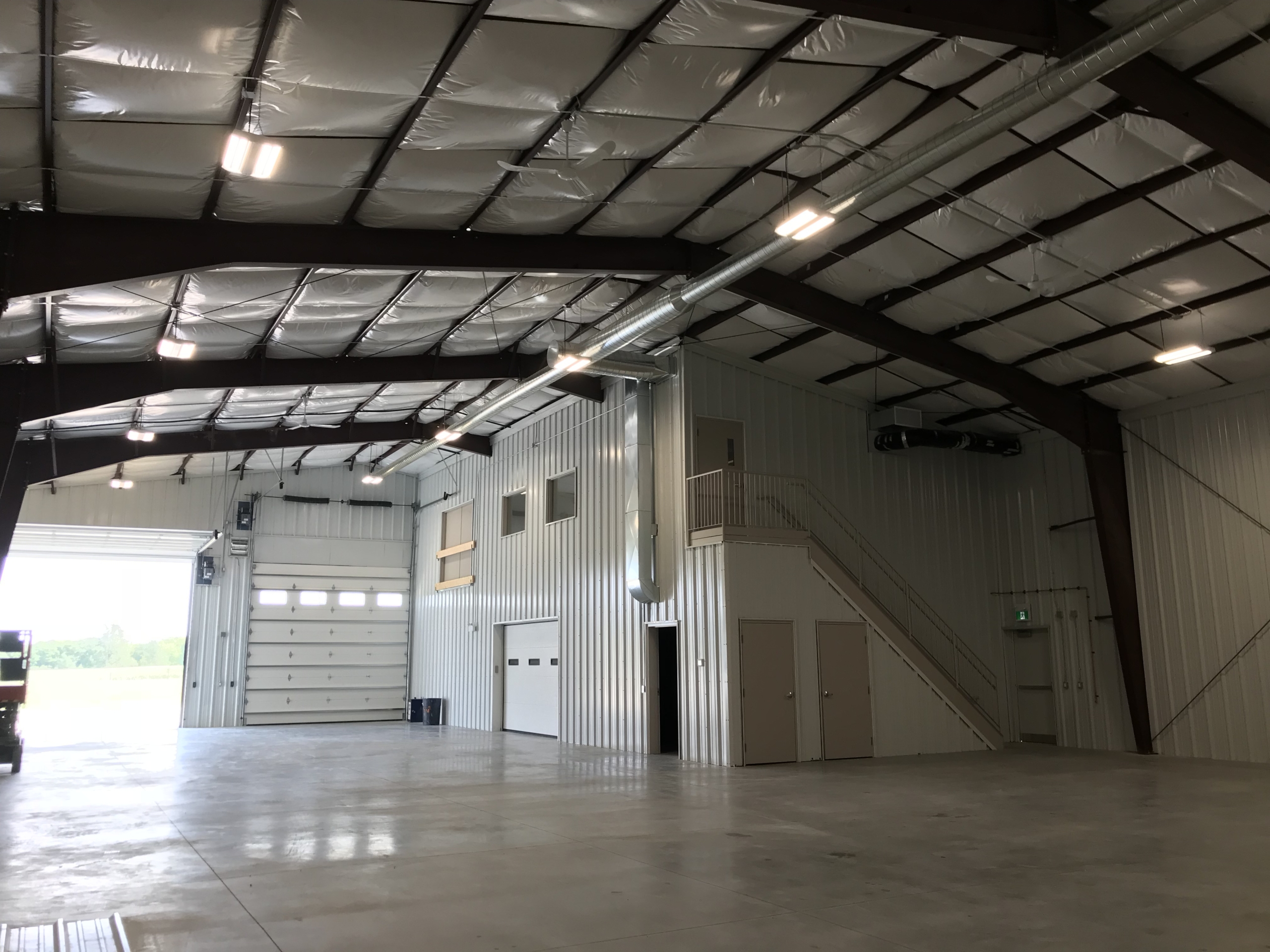
A common misconception is that pre-engineered metal buildings are boxy, plain, and limited in design. That couldn’t be further from the truth. Modern pre-engineered metal building design offers an enormous range of aesthetic and functional customization options, including mezzanine floors, large clear spans with no interior columns, custom roof slopes, skylights, glass facades, brick wainscoting, and architectural trim packages that can make a PEMB virtually indistinguishable from a conventional steel or masonry structure.
✅ Durability and Longevity
Steel is one of the most durable construction materials available, but not all steel building systems are the same. At Toro Steel Buildings, we offer multiple structural systems engineered to match your project’s specific size, application, and load requirements, each delivering outstanding long-term performance.
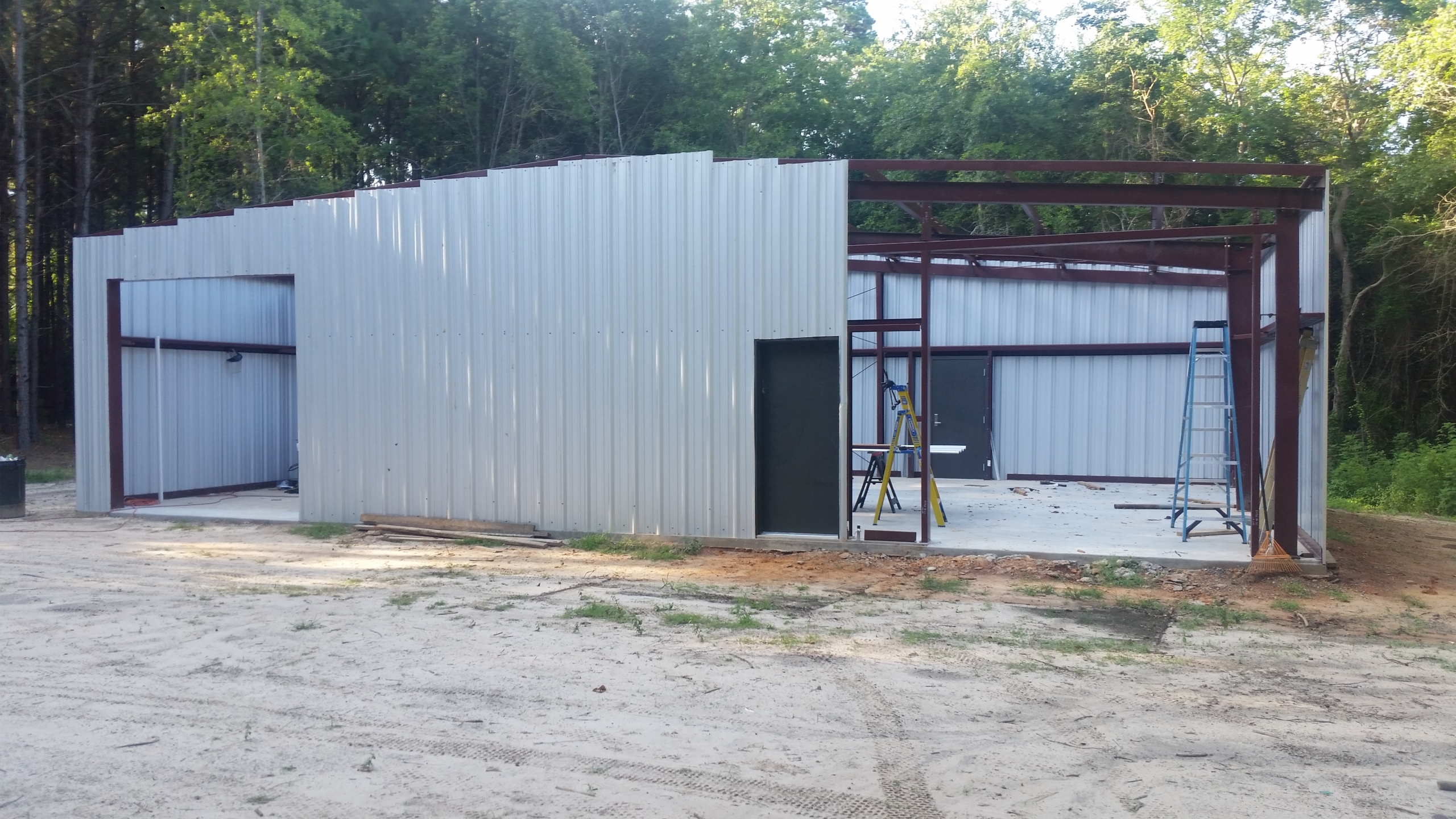
- Straight Wall Steel Buildings (Red Iron & Cold-Formed): Straight wall systems use vertical columns and traditional framing to maximize interior space and flexibility. Our Red Iron Steel Buildings use hot-rolled structural steel I-beams and rigid frames, making them ideal for large-scale commercial and industrial applications such as warehouses, manufacturing facilities, and aviation hangars where wide spans and heavy loads are required. For smaller projects, our Cold-Formed Steel Buildings use lighter-gauge roll-formed components, a cost-efficient yet structurally reliable solution for garages, workshops, storage buildings, and light commercial structures.
- Arch Style Steel Buildings: Our arch buildings use curved, self-supporting panels that eliminate the need for traditional framing systems entirely. Load is distributed evenly across the curved structure, improving both efficiency and durability. All Toro arch buildings are manufactured using Galvalume Plus™ steel, which delivers superior corrosion resistance and an extended structural lifespan, making them particularly well-suited for moisture-prone environments and applications where long-term weather performance is a priority.
Regardless of the system you choose, every Toro Steel PEMB structure is engineered to withstand high winds, heavy snow loads, seismic activity, and fire, ensuring your investment stands strong for decades.
✅ Energy Efficiency
With the right insulation system, such as single-layer blanket insulation, double-layer systems, or rigid board insulation with liner panels, a PEMB can achieve excellent thermal performance and energy efficiency. This is especially important for climate-controlled warehouses, cold storage facilities, and commercial buildings where energy costs are a major operational concern.
✅ Ease of Expansion
Business grows. Buildings should too. One of the most practical advantages of PEMB is how easy it is to expand. With proper end-wall framing and foundation planning, a PEMB can be extended longitudinally with minimal disruption, something that’s extremely difficult and costly with concrete or masonry construction.
✅ Low Maintenance
Steel buildings require very little ongoing maintenance compared to wood-frame or masonry structures. There’s no rotting, warping, or termite damage to worry about. Periodic cleaning and inspection of the roof and flashings is typically all that’s needed to keep a PEMB in top condition for decades.
✅ Sustainability
Steel is the world’s most recycled material. PEMB construction generates minimal on-site waste, and at the end of a building’s life, the steel components can be fully recycled. For developers and businesses with sustainability goals or green building certifications (such as LEED), PEMB is an environmentally responsible choice.
Pre-Engineered Metal Building Design: What to Expect
The pre-engineered metal building design process is one of the most collaborative aspects of working with a PEMB manufacturer. Here’s what a typical design journey looks like when you work with Toro Steel Buildings:
Step 1: Initial Consultation and Needs Assessment
Every PEMB project starts with a conversation. Our team works with you to understand your intended use, site location, desired dimensions, local building codes, and budget. We ask the right questions to ensure that the building we design is perfectly suited to your operational needs, both today and into the future.
Step 2: Site-Specific Engineering
Unlike generic catalog buildings, a true PEMB is site-specifically engineered. We gather your site’s wind speed, snow load, seismic zone, and frost depth data, and we design the structure to meet or exceed all applicable local and national building codes, including IBC (International Building Code), AISC, AISI, and MBMA standards.
Step 3: Detailed Design and Drawings
Our engineering team produces a full set of design drawings, including anchor bolt plans, foundation load reactions, primary and secondary framing layouts, roof and wall panel plans, and trim and accessory details. These drawings are stamped by a licensed professional engineer (PE) and serve as the construction documents for your building permit application.
Step 4: Fabrication
Once your design is approved and your order is placed, fabrication begins at our manufacturing facility. All steel is cut, welded, drilled, and coated to exact specifications using CNC equipment and strict quality control protocols. Every piece is labeled for easy identification during erection.
Step 5: Delivery and Erection
Your complete PEMB package is delivered to your job site in an organized sequence that supports efficient erection. Our team can provide erection manuals and support to your chosen erector, or connect you with experienced PEMB erection crews in your area.
Common PEMB Applications
The real-world versatility of PEMB is best illustrated through its applications. Here are some of the most popular uses of PEMB structures:
- Warehouses and Distribution Centers: Clear-span designs eliminate interior columns, maximizing usable floor space and allowing for flexible racking and logistics layouts.
- Manufacturing and Industrial Plants: High eave heights, crane-ready framing, and large opening capabilities make PEMB ideal for production environments.
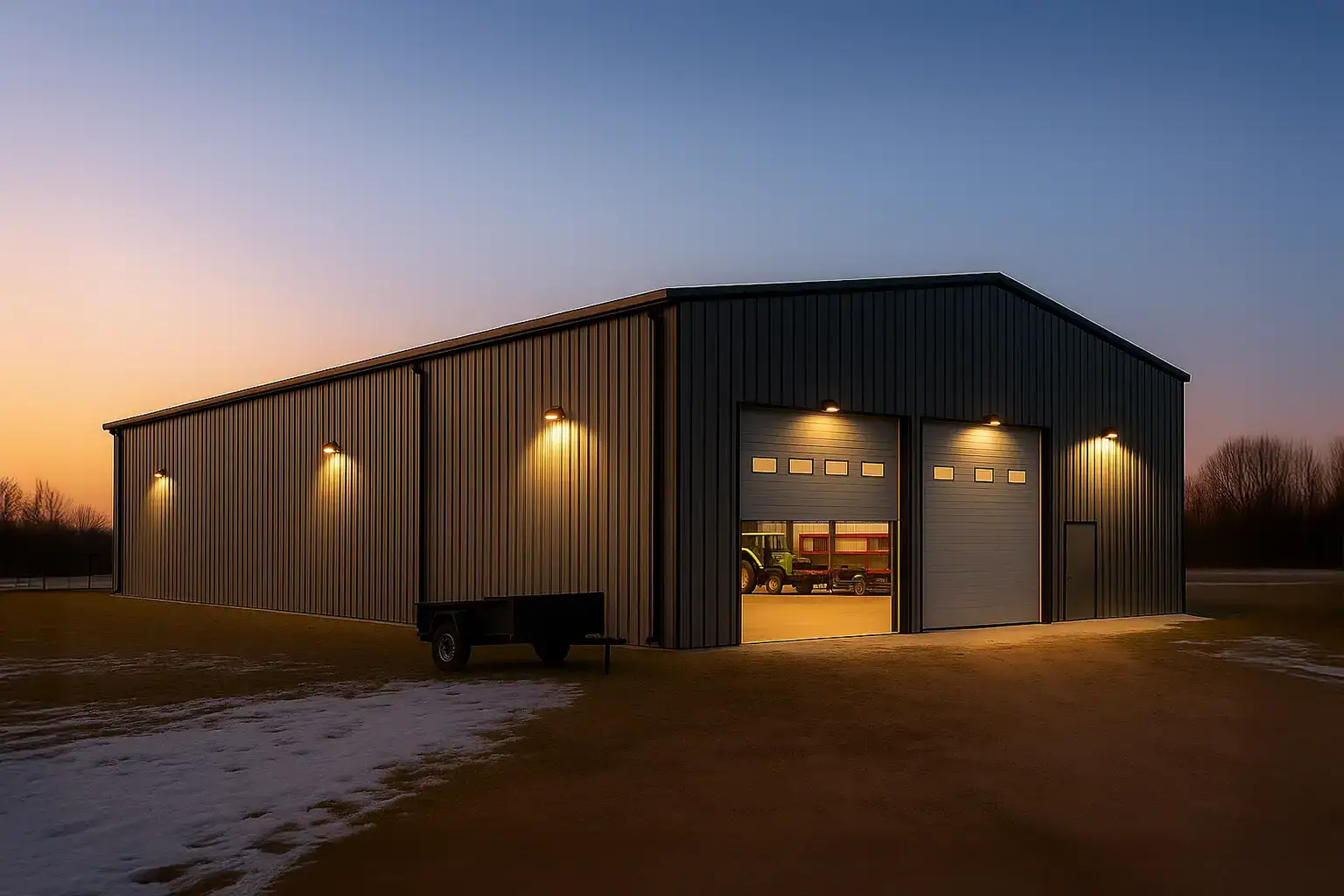
- Agricultural / Farm Buildings: From hay storage to equipment shelters to livestock barns, PEMB provides durable, low-maintenance agricultural structures at competitive price points.
- Retail and Commercial: With architectural enhancements like storefront glazing, brick or stone veneer accents, and standing seam roofs, PEMB commercial buildings offer both beauty and functionality.
- Aviation Hangars: Wide clear spans of 100 feet or more are easily achievable with PEMB, making it the go-to choice for aircraft hangars of all sizes.
- Churches and Community Centers: Many congregations and community organizations choose PEMB for its cost efficiency and ability to accommodate large open worship or gathering spaces.
- Self-Storage Facilities: The modular nature of PEMB makes it particularly well-suited for multi-unit self-storage developments, allowing layouts to be optimized for maximum rentable square footage.
- Barndominiums: PEMB is the perfect foundation for barndominiums, combining living quarters with workshop, garage, or agricultural space under one roof. Wide clear spans, customizable layouts, and exterior finish options like board-and-batten steel panels make it easy to achieve the rustic charm and durability that barndominium owners love.
PEMB vs. Conventional Construction
| Feature | PEMB | Conventional Construction |
|---|---|---|
| Design & Engineering | Factory-engineered, optimized | Field-engineered, custom |
| Construction Speed | 30–50% faster | Slower, weather-dependent |
| Cost | Generally lower | Generally higher |
| Design Flexibility | High | Very high |
| Expansion Ease | Easy | Difficult |
| Maintenance | Low | Moderate to high |
| Sustainability | Highly recyclable | Varies |
| Durability | Excellent across all system types | Varies by material |
Frequently Asked Questions About PEMB
Why Choose Toro Steel Buildings as Your PEMB Supplier?
At Toro Steel Buildings, we’re more than just a PEMB supplier; we’re your building partner from concept to completion. We understand that every project is unique, every client has different goals, and every site presents its own challenges. That’s why we take a personalized approach to every PEMB project we take on.
Our team brings deep expertise in pre-engineered metal building design, a commitment to using only premium-quality materials, and a track record of delivering projects on time and on budget. We serve clients across the United States and Canada, and we’re proud of the long-term relationships we’ve built with contractors, developers, business owners, and agricultural operators who come back to us project after project.
When you choose Toro Steel Buildings, you’re choosing:
- Site-specific engineering by licensed professional engineers.
- Three proven building systems: Red Iron, Cold-Formed, and Arch Style, to match any project size or application.
- Industry-leading warranties: Straight wall buildings come with a 1-year material and workmanship warranty, plus a 40-year paint warranty. Arch-style buildings include a 50-year limited warranty against rust perforation and a 30-year limited warranty against snow and wind damage.
- Transparent, true pricing: No hidden fees, no base-price tricks. Every quote is engineered specifically for your location, load requirements, and building specs, so the price you receive is the price you pay.
- Premium steel components built for long-term performance.
- Complete building packages that cover everything from frame to fasteners.
- Responsive customer service from first contact to final delivery.
- Competitive pricing backed by manufacturing efficiency and volume.
Get Started with Your PEMB Project Today
Ready to explore what a pre-engineered metal building can do for your project? Contact Toro Steel Buildings today to speak with one of our experienced PEMB specialists. We’ll listen to your needs, answer your questions, and help you build something that will stand the test of time.
Visit us at torosteelbuildings.com or call us today to request your PEMB quote.
Toro Steel Buildings — Your Trusted PEMB Manufacturer in North America.
Related Post


"*" indicates required fields