

Metal buildings in Montana are designed to a statewide building code that certified local programs or the state Building Codes Program enforce. Snow sets the design: roofs must carry at least 30 psf, and West Yellowstone uses 140 psf of ground snow. Every Toro kit is engineered for your exact address and ships with stamped drawings.
Key takeaways
- Snow load sets the design. Montana requires at least a 30 psf roof snow load, and mountain areas run several times higher.
- Who enforces depends on where you build. Certified local programs enforce the state code in their areas; elsewhere the state Building Codes Program does, and some projects need both.
- Frost goes deep. Helena requires 42-inch footings and West Yellowstone 48 inches.
- We've built for Montana snow. Toro buildings in Marion and Condon were engineered for 116 and 110 psf snow loads.
How building codes work for metal buildings in Montana
Montana has one statewide building code, adopted by the Department of Labor and Industry's Building Codes Program and based on the International Building and Residential Codes with Montana amendments. Cities, counties and towns can become certified to enforce it locally. In areas without a certified program, the state's Building Codes Program is the building official, and some projects need permits from both the local jurisdiction and the state.
Montana's amendments put snow front and center: the minimum design roof snow load after allowed reductions is 30 psf unless a Montana licensed design professional justifies otherwise, and outside certified jurisdictions ground snow loads come from the ASCE 7 Hazard Tool for the exact site. Many projects also need drawings from a Montana licensed design professional.
Toro's in-house engineers design your building for the loads at your address and stamp the drawings. Learn more about how Toro engineers each building, or compare states on our building codes by state page.
Sources: Montana Building Codes Program: snow loads · City of Helena design requirements · City of Belgrade design criteria · West Yellowstone building standards.
Snow, wind and frost loads in Montana
Montana's snow loads change dramatically with elevation, from the plains to the mountain passes. These are values local governments publish:
| Jurisdiction | Ground snow load | Design wind speed | Frost depth | Source |
|---|---|---|---|---|
| City of Helena | 30 psf minimum (ground and roof) | 106 mph (3-second gust) | 42 in. | Helena codes and design requirements |
| City of Belgrade (Bozeman area) | 46 psf (41 psf roof) | 115 mph | 36 in. one story, 48 in. two story | Belgrade design criteria |
| Town of West Yellowstone | 140 psf (or Hazard Tool, if higher) | 106 mph | 48 in. | West Yellowstone building standards |
| City of Red Lodge | 106 psf | 100 mph (Risk Category I) | Ask the city | Red Lodge design criteria |
Values are from each jurisdiction's published criteria and can change. Outside certified jurisdictions, ground snow loads come from the ASCE 7 Hazard Tool for your exact site; Toro's engineers use the values for your address.
Snow loads climb with elevation
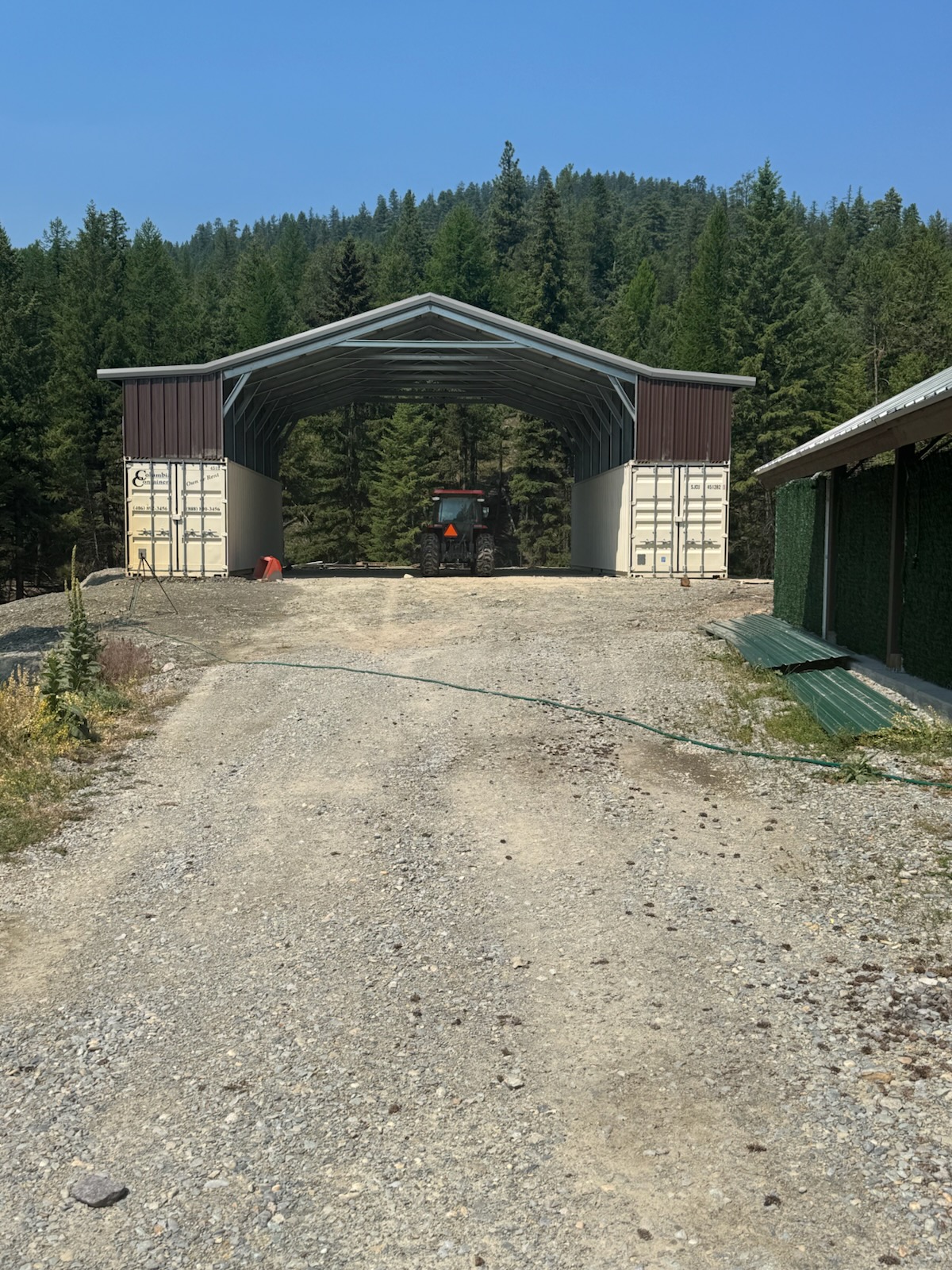
Montana's lowest snow loads are on the eastern plains, and the highest are in the mountain valleys and passes: Belgrade designs for 46 psf, Red Lodge for 106 psf and West Yellowstone for 140 psf. Toro's own Montana projects show what that means in practice: our container cover in Marion was engineered for a 116 psf snow load, and our garage in Condon for 110 psf and 115 mph winds. Roof pitch, purlin spacing and panel gauge are all designed around your number, and drifts against taller walls add load in specific spots.
Wind on the plains
Published design wind speeds run from 100 to 115 mph in the jurisdictions above, and open sites on the plains and benches see more exposure than sheltered valleys. Your engineer accounts for exposure and large door openings, and anchor bolts are included with every cold-formed Toro building.
Frost depth and foundations
Montana's deep frost means deep footings: Helena requires 42 inches, Belgrade 36 to 48 inches, and West Yellowstone 48 inches. Toro doesn't supply foundations, but every building comes with the structural reactions your contractor needs to build one to spec. See our guides to steel building foundations and container cover foundations.
How to get a permit
Start with your city or county: if it runs a certified building code program, it issues your permit. If not, the state Building Codes Program handles it, and some projects need permits from both.
- Find out who has jurisdiction Ask your city or county whether it's certified to enforce the building code, or whether you apply to the state Building Codes Program.
- Confirm your snow load Get the design snow load for your exact site; outside certified areas it comes from the ASCE 7 Hazard Tool. Your Toro building specialist can confirm it with you.
- Design your building Design it in the free 3D designer, on your own or with a building specialist. Toro requires a 25% deposit before your order goes to engineering.
- We engineer it and stamp the drawings Toro's in-house engineers check your design against your site's loads and local code, then prepare engineer-stamped drawings for your permit application.
- Pour the foundation and assemble Your contractor builds the foundation to Toro's structural reactions. Delivery usually takes 2 to 8 weeks, and every kit bolts together on site.
Want the full checklist? Read our steel building planning guide and how to build a steel building.
Get a Montana quote
Tell us your size, address and how you'll use the building, and a building specialist will send a quote engineered for your local loads. Pricing starts at US$19 per sq ft; your final price depends on size, options and the loads at your site.
Toro buildings in Montana
From a 60x100 red iron shop to buildings engineered for more than 110 psf of snow, these are real Toro buildings standing in Montana today.
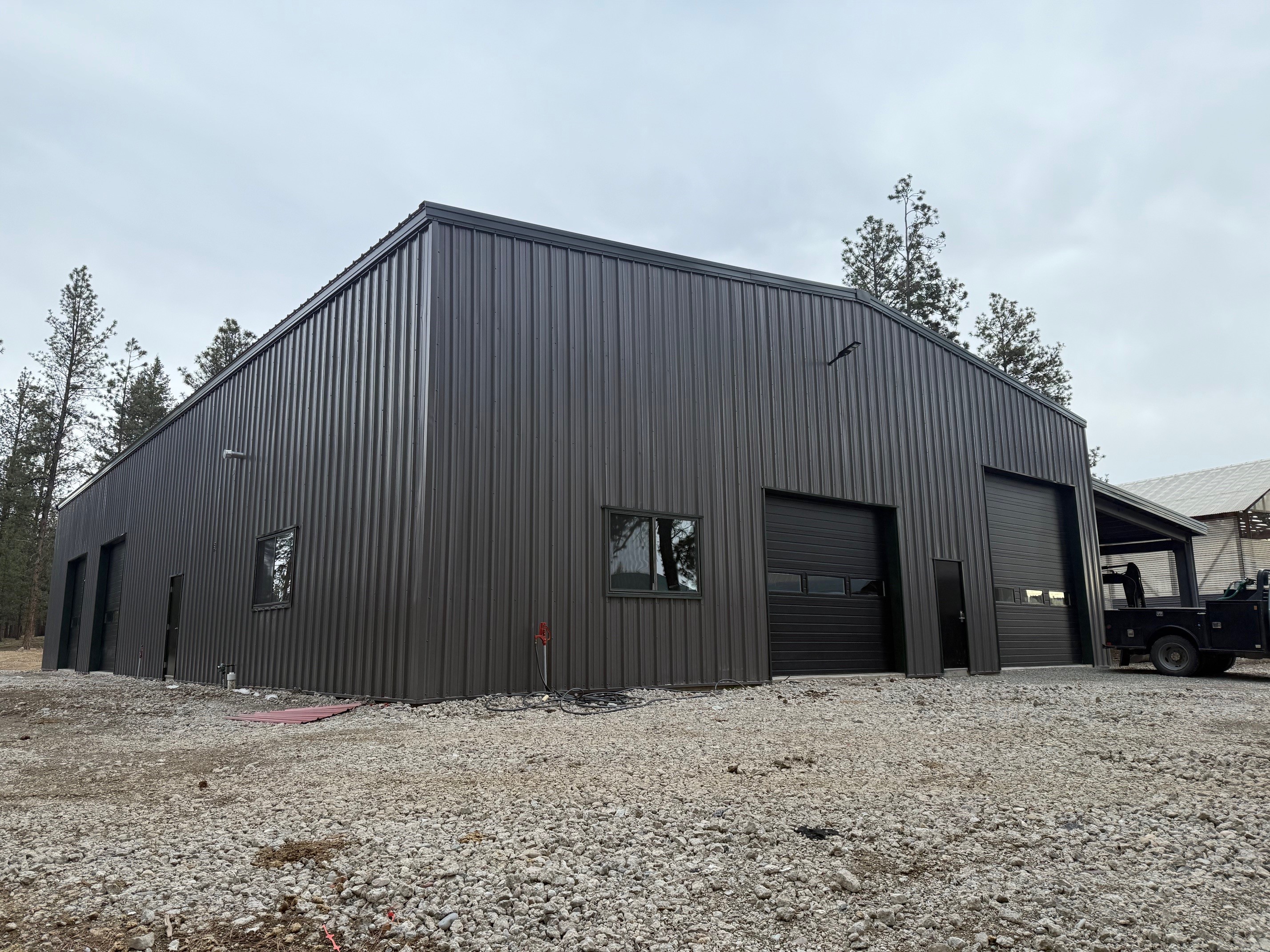 60x100x20 shop with lean-to Marion, MT · Red iron, business and storage · See the project
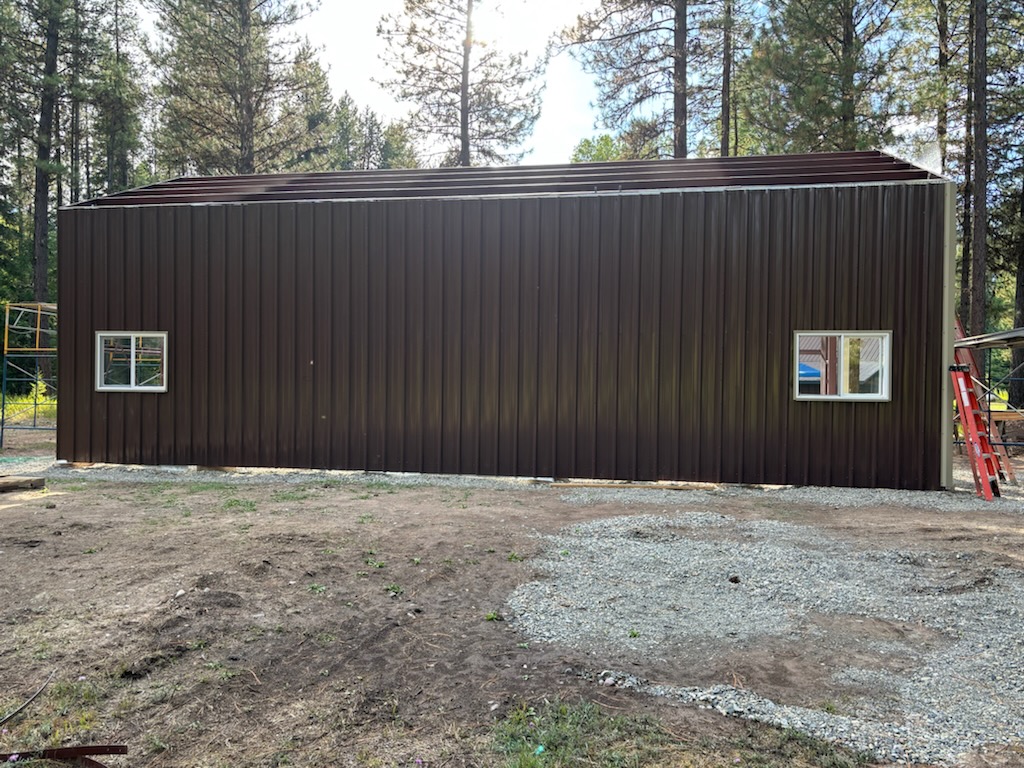 24x46x14 garage and storage Condon, MT · 110 psf snow, 115 mph wind · See the project
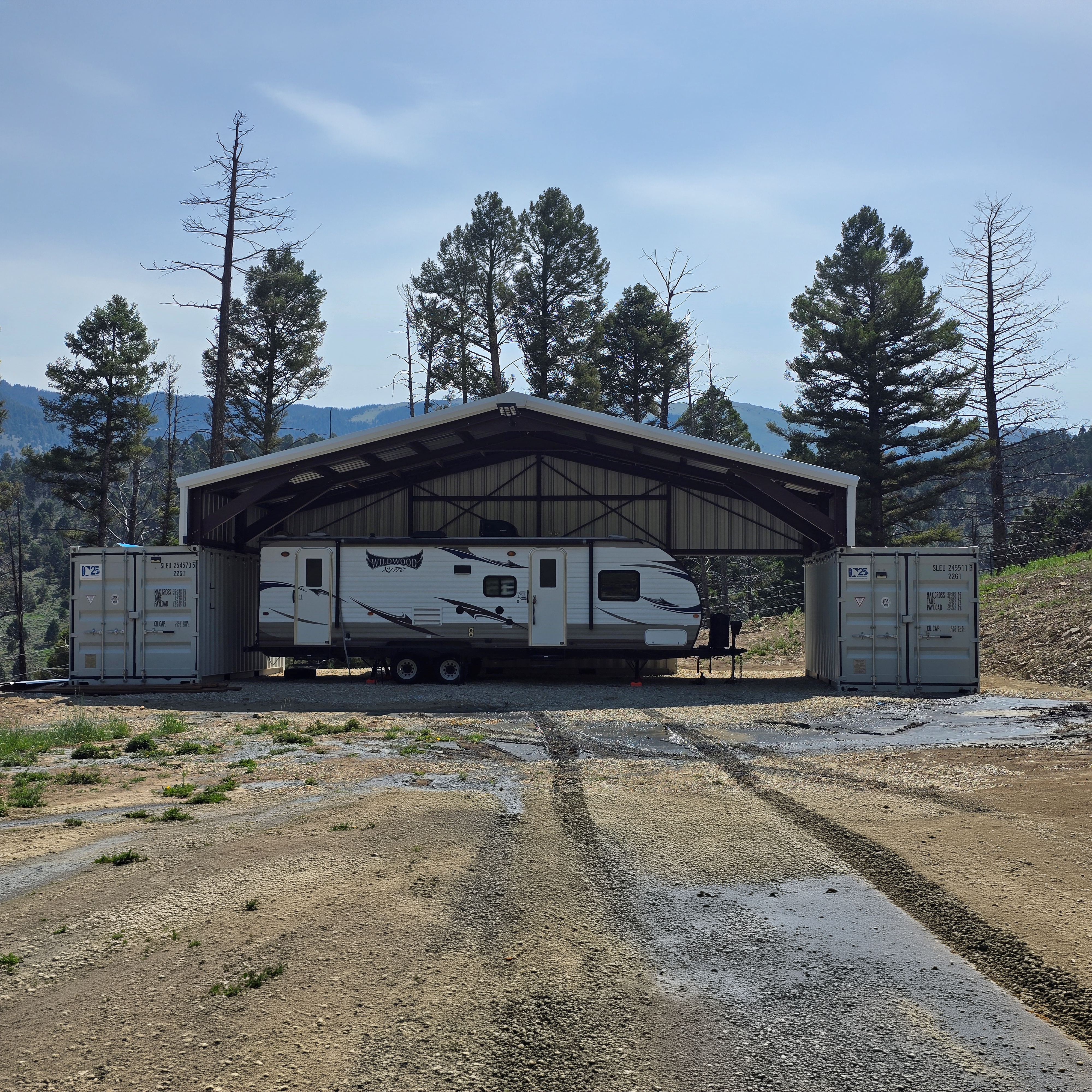 40x20 enclosure and roof Melrose, MT · Cold-formed steel · See the project
See more customer builds on our projects page, read about a 50x50 indoor skate park in Carr, Colorado, or compare with our guide to metal buildings in Wyoming.
Watch a Toro building go up
 M-Model container cover Product overview · Watch the video
 35x70 winter build 10-day time-lapse · Watch the video
 40x60 building time-lapse Assembled in 5 days · Watch the video
Browse every build, review and time-lapse in our video library.
Building for Montana winters
Deep cold and heavy snow
Montana winters are long and cold, and condensation is the hidden enemy inside an unheated metal building. Toro buildings use Galvalume Plus steel, and straight-wall buildings carry a 25–40-year paint warranty depending on panel and finish (see our warranty). For a heated shop, add insulation; our guide to insulating a steel building explains the options.
Ranch, shop and equipment buildings
Many Montana customers need cover for equipment, hay and vehicles. Read about the best steel buildings for hay storage and choosing the right metal shop kit.
Choosing the right building
Choose a straight-wall building, either cold-formed (M-Model) or red iron, or an arch-style Quonset building. Read the guide to pre-engineered metal buildings and check current U.S. steel building prices. Planning a garage? See our steel garage kits, two-car garage dimensions and carport kits.
Keep reading: real projects, videos and guides
Need a building sooner?
Toro makes 500+ buildings a month, and about 10% are never delivered because a customer's plans change. These clearance buildings are offered at a discount, re-engineered for your site if needed and come with stamped drawings. Inventory changes daily, so the fastest way to see what's available is to call, or browse current U.S. clearance inventory.
Frequently asked questions
Still have questions about building in Montana? Price your building and a building specialist will walk you through it.
Does Montana have a statewide building code?
Yes. Montana's Building Codes Program adopts a statewide code based on the International Building and Residential Codes. Certified cities, counties and towns enforce it locally; elsewhere the state program does.
What snow load does a metal building need in Montana?
It depends on your site. Montana requires at least a 30 psf design roof snow load, and mountain areas go much higher: West Yellowstone uses 140 psf of ground snow. Toro's engineers design your building for the load at your exact address.
Do I need a permit for a metal building in Montana?
Usually, yes. If your city or county runs a certified building code program, it issues the permit; otherwise you apply to the state Building Codes Program, and some projects need both. Toro supplies the engineer-stamped drawings for your application.
Does Toro install buildings in Montana?
No. Toro designs, engineers and ships pre-engineered steel building kits. You assemble the kit yourself or hire a local contractor, using the stamped drawings and structural reactions we provide.
How much does a metal building cost in Montana?
Toro pricing starts at US$19 per square foot. Your final price depends on size, framing, options and the loads at your site, so a building specialist confirms it with a quote.
How long does delivery to Montana take?
Delivery usually takes 2 to 8 weeks, and your building specialist confirms timing for your order. You handle unloading on site, and our operations team keeps you updated along the way.
Related building types
Steel garages | Workshops | Agricultural buildings | Storage buildings | Carport kits | Container covers
Get a steel building quote for your Montana project
Tell us what you're building and where, and Toro Steel Buildings will send a quote engineered for your local snow, wind and seismic loads.