


What do you need to know about metal buildings in Maine? Maine builds to the Maine Uniform Building and Energy Code (MUBEC), which adopted the 2021 International Codes on April 7, 2025. Towns with 4,000 or more residents must enforce it; smaller towns can choose to. Snow loads are among the highest in the lower 48: Bangor and Brewer design for a 70 psf ground snow load, and Brewer requires footings 5 feet deep. Every Toro steel building kit is engineered for the snow load at your exact address and ships with engineer-stamped drawings.
Key takeaways
- Snow load drives the design. Maine's ground snow loads are set by exact location, and 70 psf is common inland.
- Town size decides enforcement. Towns of 4,000 or more must enforce the MUBEC; smaller towns may or may not, so call your code enforcement officer.
- Deep frost means deep footings. Brewer requires 5-foot frost protection, so plan your foundation early.
- Toro handles the engineering. Your kit ships with stamped drawings and the structural reactions your contractor needs for the foundation.
Building codes for metal buildings in Maine
Maine has one statewide code, the Maine Uniform Building and Energy Code (MUBEC). Since April 7, 2025 it has been based on the 2021 International Building Code, International Residential Code and related 2021 codes, with Maine amendments.
Enforcement depends on town size. Municipalities with 4,000 or more residents must enforce the MUBEC, and towns under 4,000 can choose to adopt and enforce it. Local code enforcement officers issue permits, and shoreland and land-use rules can apply as well.
Toro's in-house engineers design every building to the loads that apply at your address and stamp the drawings for your permit. Learn more about how Toro engineers each building, or compare states on our building codes by state page.
Sources: Maine building and energy codes · City of Bangor building codes.
Snow, wind and frost loads in Maine
Maine's design snow loads are among the heaviest in the eastern U.S., and they change from the coast to the mountains and the north. These are values Maine towns publish:
| Jurisdiction | Ground snow load | Design wind speed | Frost depth | Source |
|---|---|---|---|---|
| City of Bangor | 70 psf | Ask the city | Ask the city | Bangor building codes (2025 MUBEC) |
| City of Brewer | 70 psf | 107 mph (3-second gust) | 5 ft | Brewer code enforcement |
| Town of Winslow | 90 psf | Ask the town | Ask the town | Winslow code enforcement page |
| Anywhere in Maine | By exact address | By exact address | Set locally | State snow load guidance for the MUBEC |
Values are from each town's published criteria and can change; Winslow's page predates the 2025 code update. Maine's state guidance tells designers to look up ground snow loads by the exact site address, which is what Toro's engineers do.
Snow loads are set by exact location
The State of Maine's snow load guidance for the MUBEC directs designers to look up the ground snow load for the exact site address. Inland and northern towns run higher than the southern coast, and 70 psf is common around Bangor. Roof pitch, purlin spacing and panel gauge are designed around that number, and drifting against taller walls, trees or neighbouring buildings adds load in specific spots.
Arch buildings shed snow well
Arch-style buildings have no flat roof area for snow to sit on, which is one reason they're popular in Maine for equipment and boat storage. Straight-wall buildings handle heavy snow just as well when they're engineered for it; the difference is mostly how you'll use the space. Compare arch-style vs straight-wall buildings.
Wind along the coast
Brewer lists a 107 mph design wind speed, and exposed coastal and island sites see more wind than sheltered inland valleys. Your engineer accounts for exposure, door openings and roof shape, and anchor bolts are included with every cold-formed Toro building.
Frost depth and foundations
Maine's deep frost means deep footings: Brewer requires 5 feet. Toro doesn't supply foundations, but every building comes with the structural reactions your contractor needs. See our guides to steel building foundations and container cover foundations.
How to get a permit
Permits come from your town's code enforcement officer. Towns of 4,000 or more residents must enforce the MUBEC; smaller towns may have adopted it by ordinance or may not enforce a building code at all, though land-use and shoreland rules still apply.
- Call your code enforcement officerAsk whether your town enforces the MUBEC, what permits you need and any shoreland or setback rules.
- Confirm your snow loadYour building is designed for the ground snow load at your exact address; your Toro building specialist can confirm it with you.
- Design and order your buildingDesign it in the free 3D designer or with a building specialist. Toro requires a 25% deposit before your order goes to engineering.
- Submit the stamped drawingsToro's engineers prepare engineer-stamped drawings for your site's loads, which you submit with your permit application.
- Build the foundation before winterFrost-protected footings take time, so get your foundation in before the ground freezes. Delivery usually takes 2 to 8 weeks, and every kit bolts together on site.
Want the full checklist? Read our steel building planning guide and how to build a steel building.
Get a Maine quote
Tell us your size, address and how you'll use the building, and a building specialist will send a quote engineered for your local loads. Pricing starts at US$19 per sq ft; your final price depends on size, options and the loads at your site.
Toro buildings in Maine
From the St. John Valley to the White Mountains border, these are real Toro buildings standing up to Maine winters today.
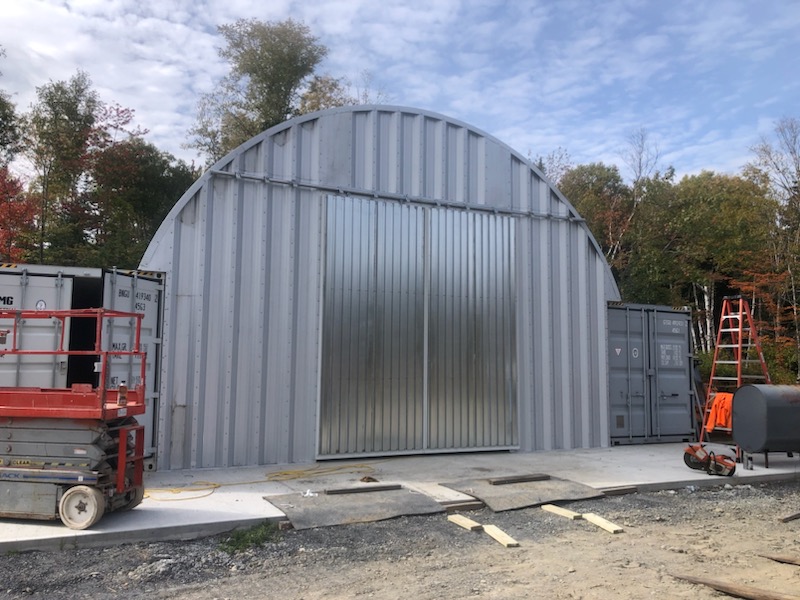 30x40x10 R-Model storageMadawaska, ME · 1,200 sq ft · See the project
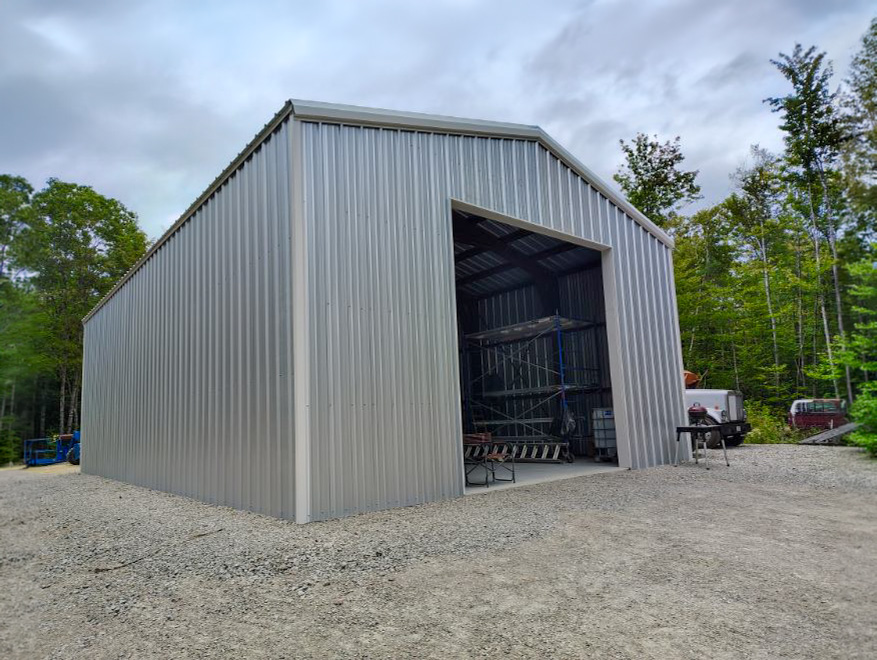 30x50x16 workshop and storageFryeburg, ME · Clear-span interior · See the project
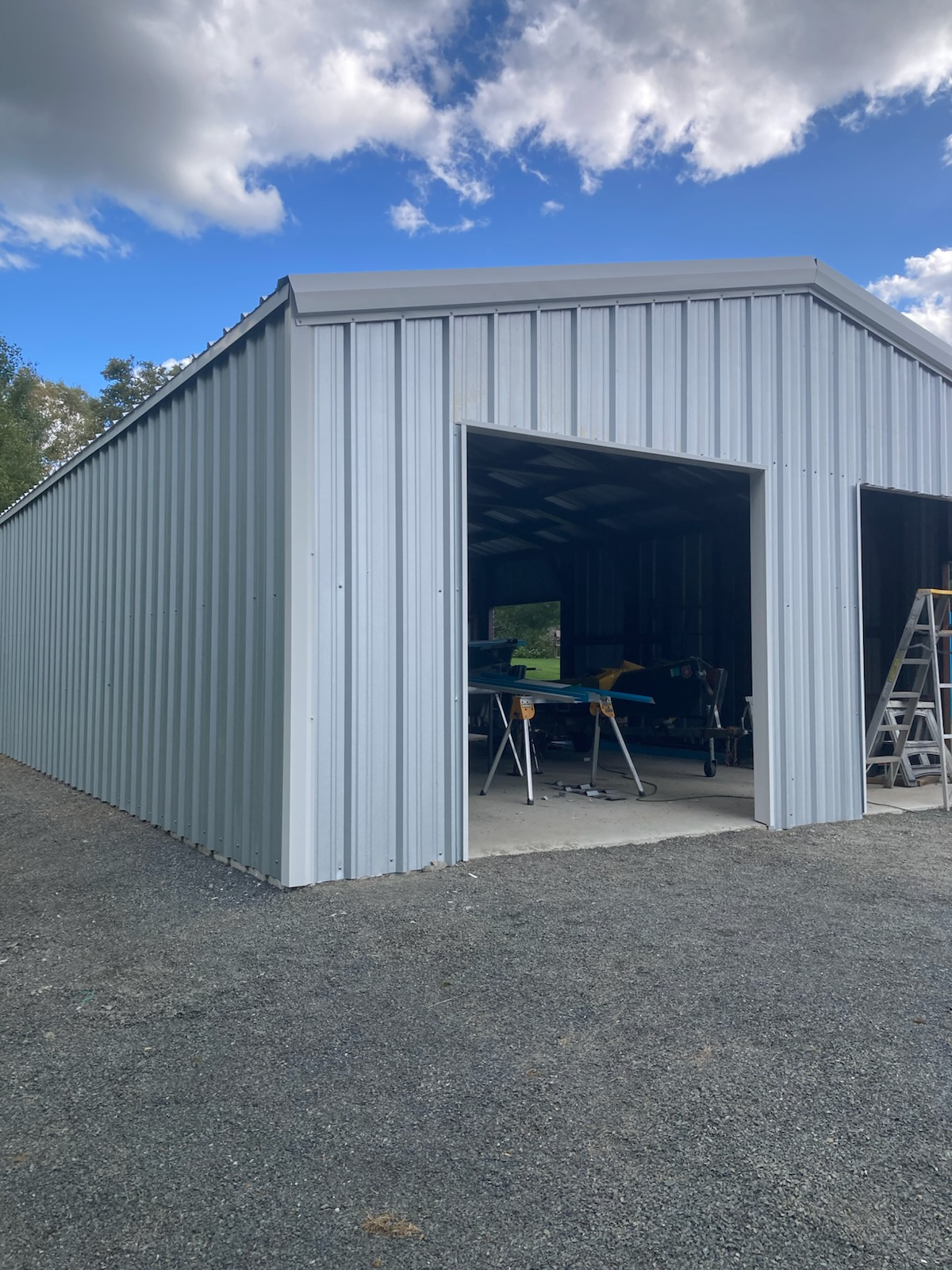 26x35x10 steel garagePortage Lake, ME · Cold-formed steel · See the project
See more customer builds on our projects page, or read how a customer built a 32x56 steel shop in Amo, Indiana.
Watch a Toro building go up
 35x70 winter build10-day time-lapse · Watch the video
 M-Model DIY installationHow the kit bolts together · Watch the video
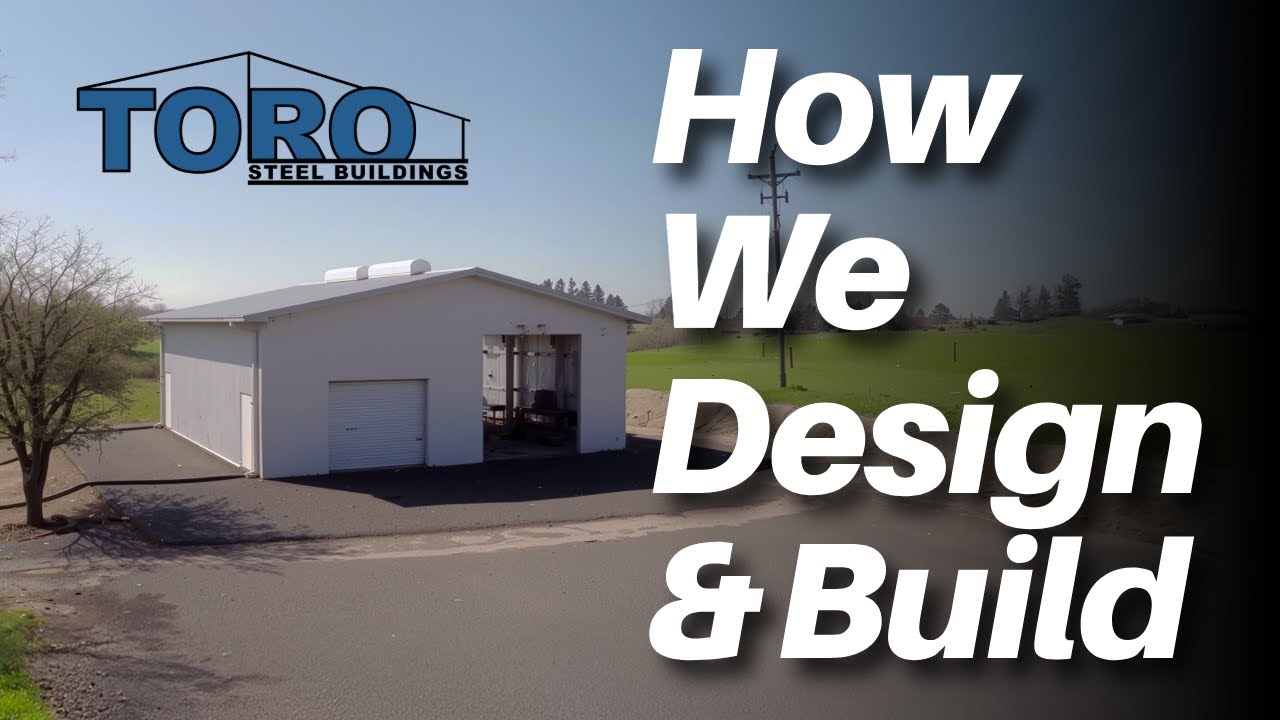 How Toro buildings are madeFrom engineering to laser-cut steel · Watch the video
Browse every build, review and time-lapse in our video library.
Building for Maine winters
Snow, ice and freeze-thaw
Maine winters bring heavy snow, ice and repeated freeze-thaw cycles. Toro buildings use Galvalume Plus steel, and straight-wall buildings carry a 25–40-year paint warranty depending on panel and finish (see our warranty). For a heated shop or garage, add insulation and plan for ventilation to control condensation.
Boats, RVs and winter storage
Covered winter storage is one of the most common reasons Mainers buy a steel building. Read our guides to steel boat storage for winter and covered RV storage.
Choosing the right building
Choose a straight-wall building, either cold-formed (M-Model) or red iron, or an arch-style Quonset building. Read the guide to pre-engineered metal buildings and check current U.S. steel building prices.
Need a building sooner?
Toro makes 500+ buildings a month, and about 10% are never delivered because a customer's plans change. These clearance buildings are offered at a discount, re-engineered for your site if needed and come with stamped drawings. Inventory changes daily, so the fastest way to see what's available is to call, or browse current U.S. clearance inventory.
Frequently asked questions
Still have questions about building in Maine? Price your building and a building specialist will walk you through it.
Does Maine have a statewide building code?
Yes. The Maine Uniform Building and Energy Code (MUBEC) applies statewide and adopted the 2021 International Codes on April 7, 2025. Towns of 4,000 or more residents must enforce it; smaller towns can choose to.
Do I need a permit for a metal building in Maine?
Usually, yes, in towns that enforce the MUBEC. Ask your local code enforcement officer, who can also tell you about setbacks and shoreland rules. Toro supplies the engineer-stamped drawings you submit with your application.
What snow load does a metal building need in Maine?
It depends on your exact location. Bangor and Brewer design for a 70 psf ground snow load, and the state's guidance has designers look up the value for each site address. Toro's engineers design your building for the load at your address.
How deep do footings need to be in Maine?
Frost depths are set locally and are deep: Brewer requires 5 feet. Toro provides the structural reactions so your contractor can build the foundation to spec.
How much does a metal building cost in Maine?
Toro pricing starts at US$19 per square foot. Your final price depends on size, framing, options and the loads at your site, so a building specialist confirms it with a quote.
How long does delivery to Maine take?
Delivery usually takes 2 to 8 weeks, and your building specialist confirms timing for your order. You handle unloading on site, and our operations team keeps you updated along the way.
Related building types
Steel garages | Workshops | Agricultural buildings | Storage buildings | Container covers
Get a steel building quote for your Maine project
Tell us what you're building and where, and Toro Steel Buildings will send a quote engineered for your local snow, wind and seismic loads.