


Steel Buildings Utah
Durable Pre-Engineered Metal Buildings in Utah
Steel Buildings Engineered for Utah
Utah is known for its diverse landscape. From the mountains and salt lakes to the sandstone and rock formations, the “Beehive State” is not short on diversity and natural wonders. However, the weather can be unpredictable, making it necessary for residents to find creative, reliable building solutions. This has led to an increase in the popularity of steel buildings in the state.
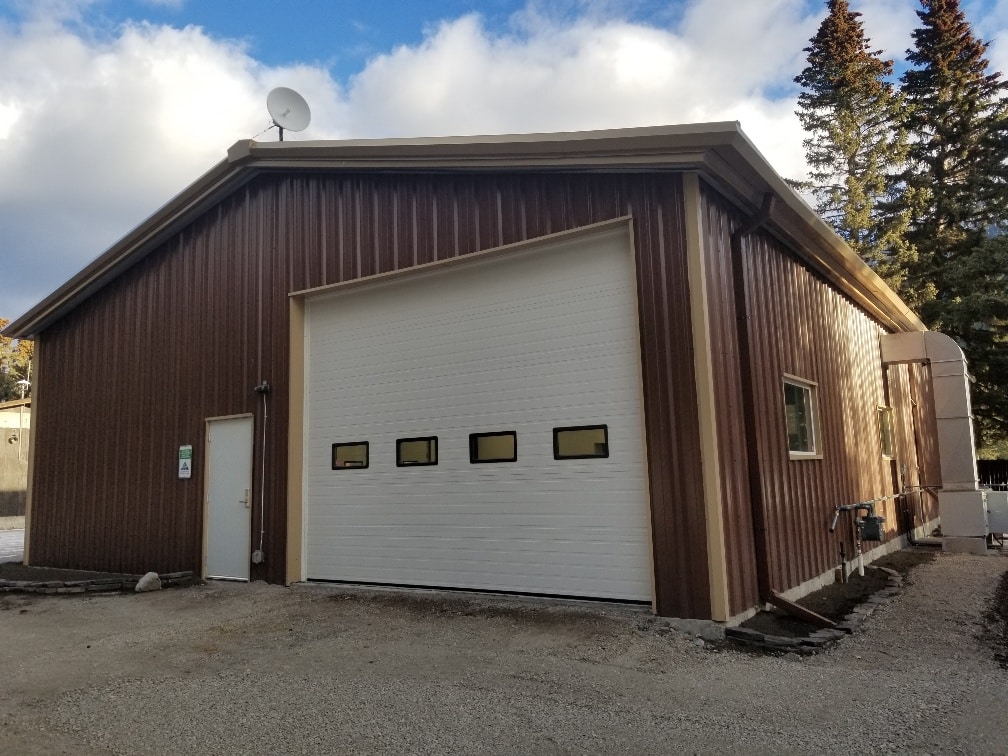
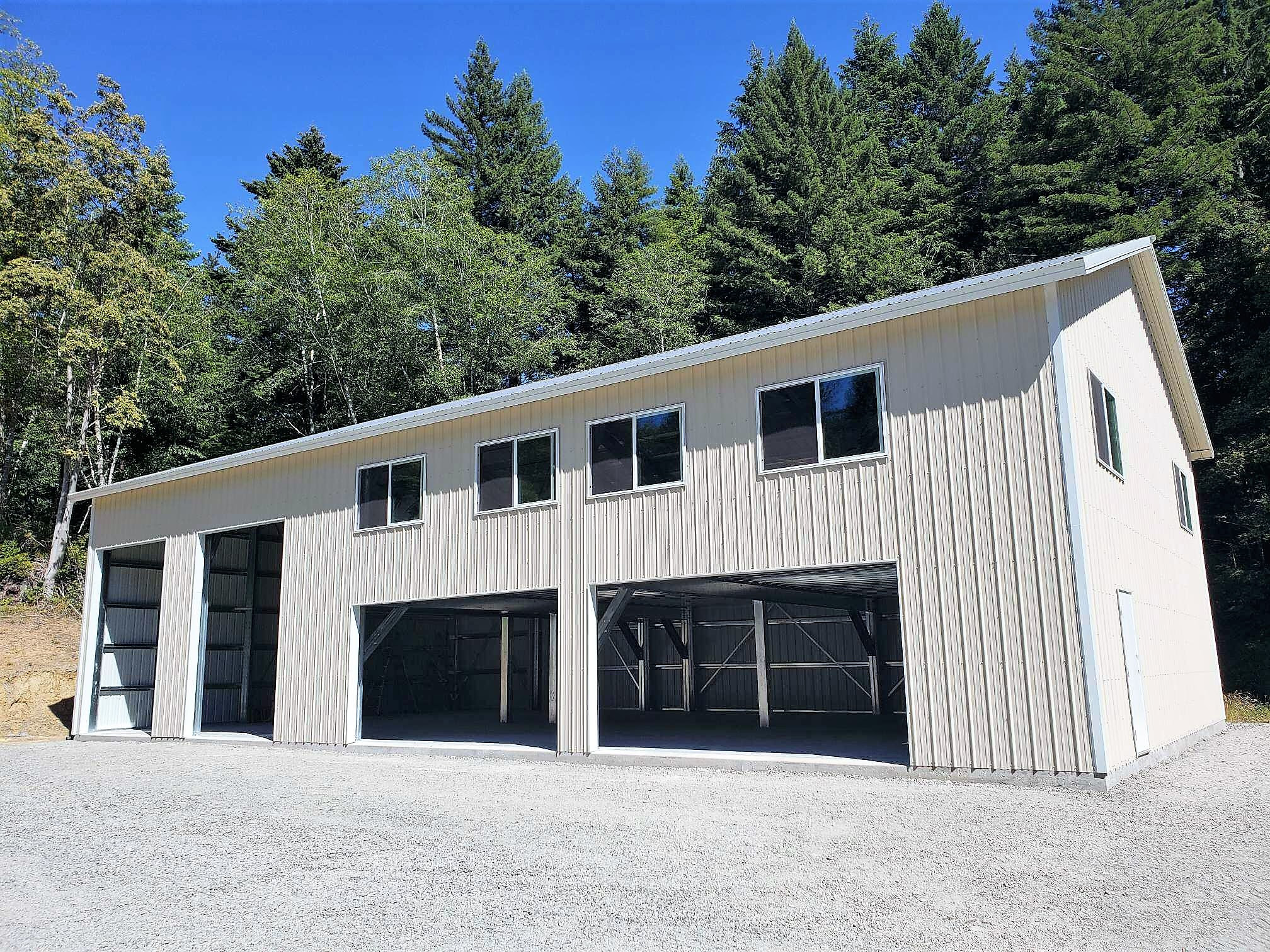
Toro is a leading supplier of steel buildings in Utah, offering the highest-quality metal structures for residential, commercial, and industrial applications. Our products provide the most reliable and versatile solution for residents and are designed and built to handle the varying conditions the state has to offer.
Why Choose Toro for Steel Buildings in Utah?
Utah is no stranger to extreme conditions. It experiences strong storms, strong winds, intense summer heat, and freezing winter temperatures. Consequently, the demands placed on buildings are incredibly high.
Fortunately, our steel buildings are extremely durable and reliable, designed to keep your assets and valuables safe from anything that the weather throws at you. They are designed to meet all relevant building codes and regulations in your area, ensuring they can provide the protection you need. Our steel building prices in Utah are competitive, allowing you to have a high-quality structure at an affordable rate.
Each of our structures provides exceptional protection from:
Our Selection of Steel Buildings in Utah
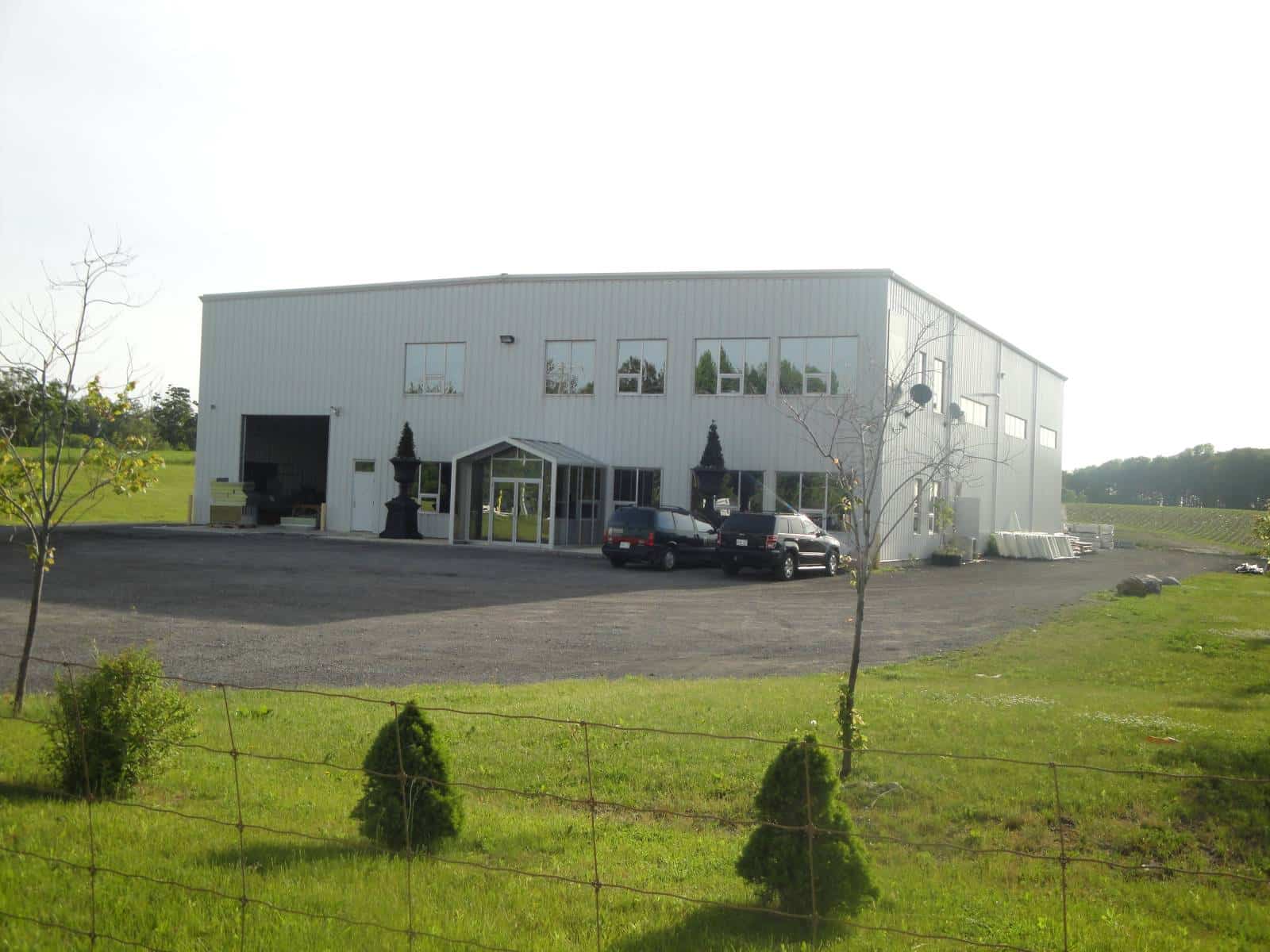
Thousands of Utah residents have used our metal buildings for commercial, industrial, agricultural, residential, institutional, and government use with great success. We are a trusted local building partner for anyone looking for quality prefab steel buildings in the state.
Garage Buildings
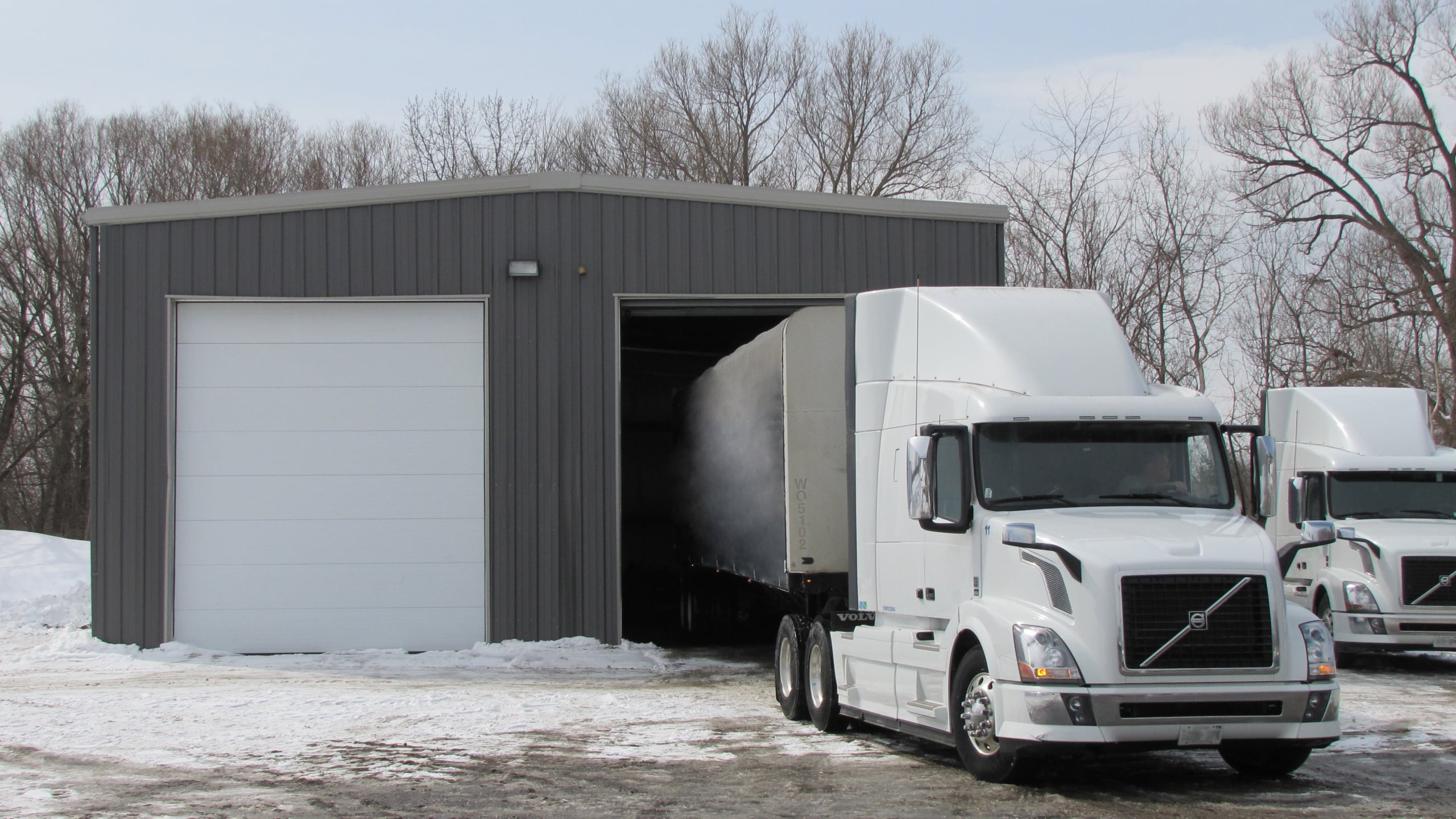
Secure, reliable steel garages for personal or commercial vehicle storage and service. These buildings can be designed with overhead doors, insulation, and workspace areas. Their strong construction provides protection and long-term durability. They are suitable for both residential and business applications.
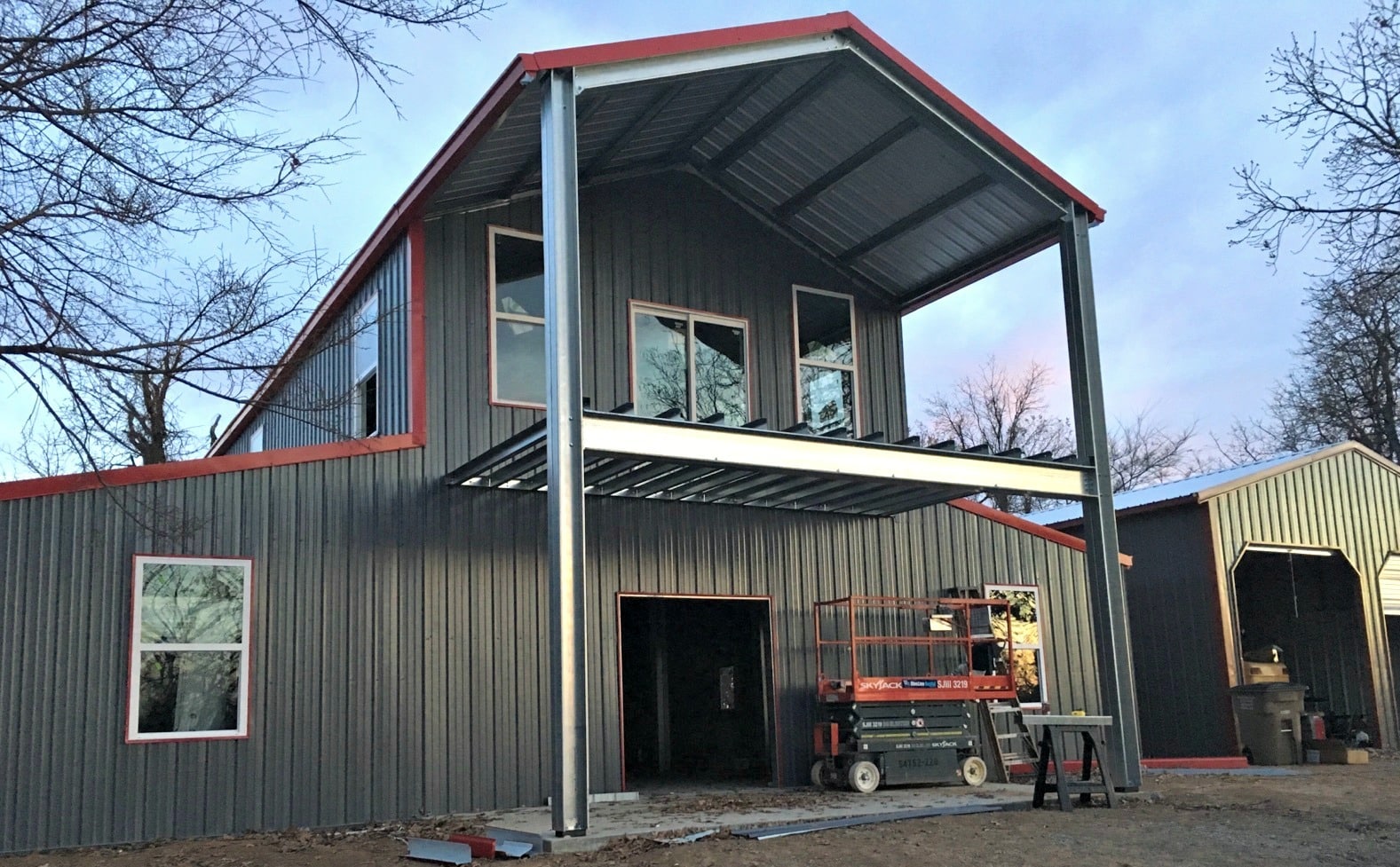
Workshop Buildings
Explore your passions and hobbies in a safe, comfortable workshop designed to accommodate your tools and equipment. These buildings provide flexible layouts that can be customized for woodworking, automotive work, fabrication, or general projects. With clear-span interiors and durable steel construction, you get maximum usable space without interior obstructions.
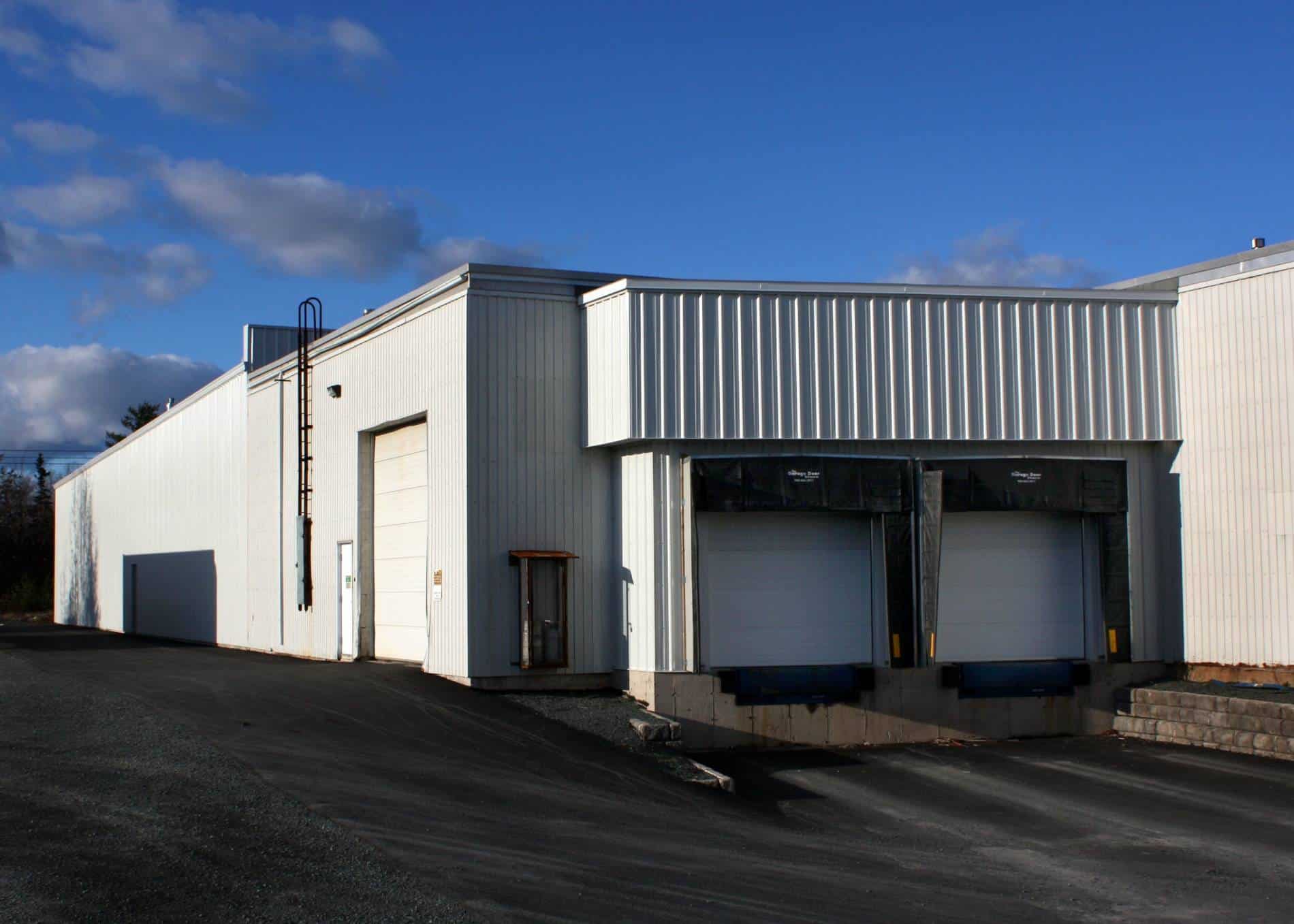
Storage Buildings
Versatile storage solutions designed to handle residential, commercial, and industrial needs. These buildings provide secure space for inventory, equipment, or personal belongings. Available in various sizes and configurations, they can be tailored to specific storage requirements. Their durability ensures long-term performance with minimal upkeep.
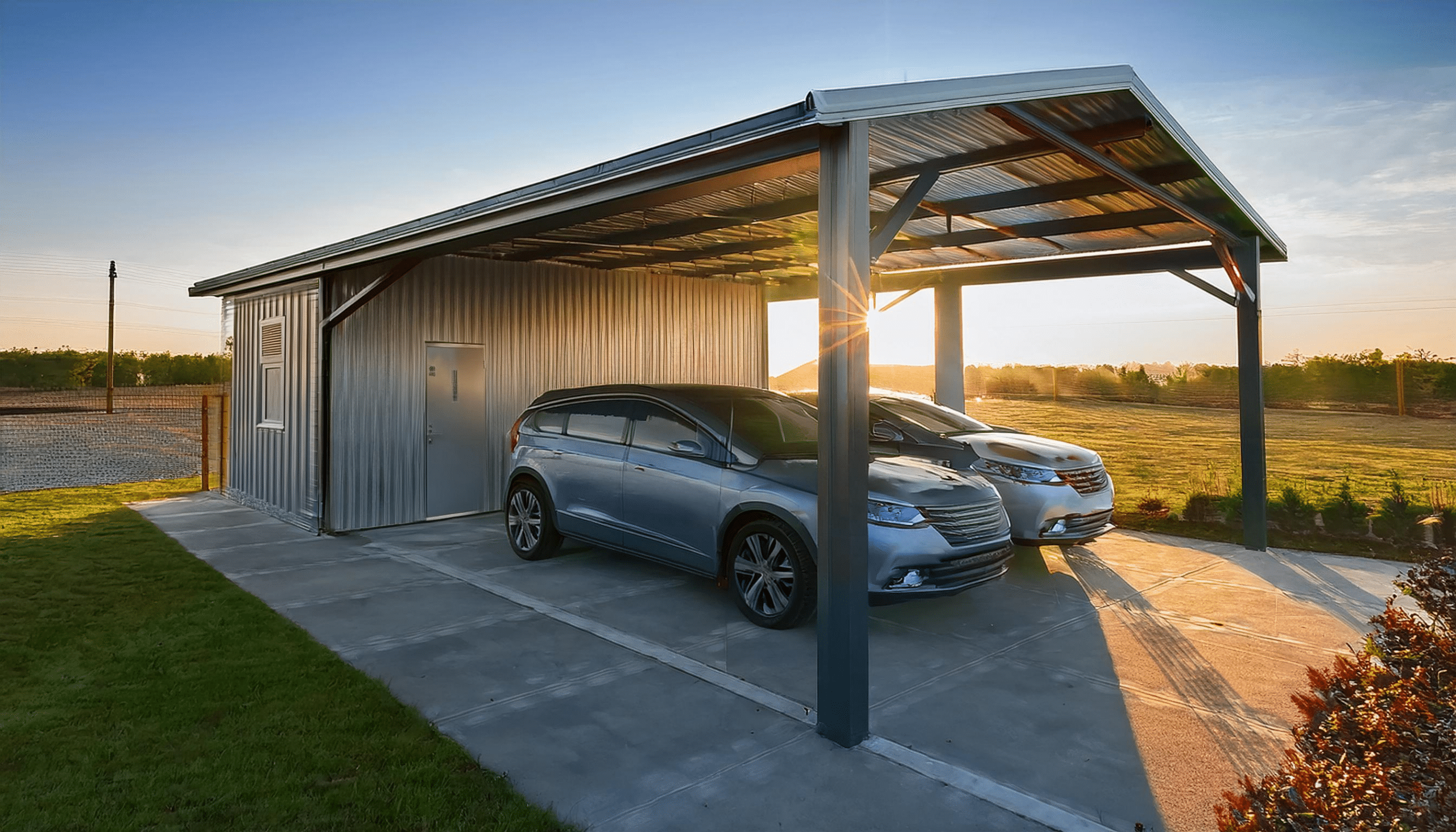
Carport Kits
Protect vehicles and equipment with durable and customizable metal carport solutions. These structures can be installed as standalone units or attached to existing buildings. Available in various sizes, they can accommodate multiple vehicles, RVs, or equipment. Designed for long-term use, they offer reliable protection with minimal maintenance without the space requirements of a full garage.
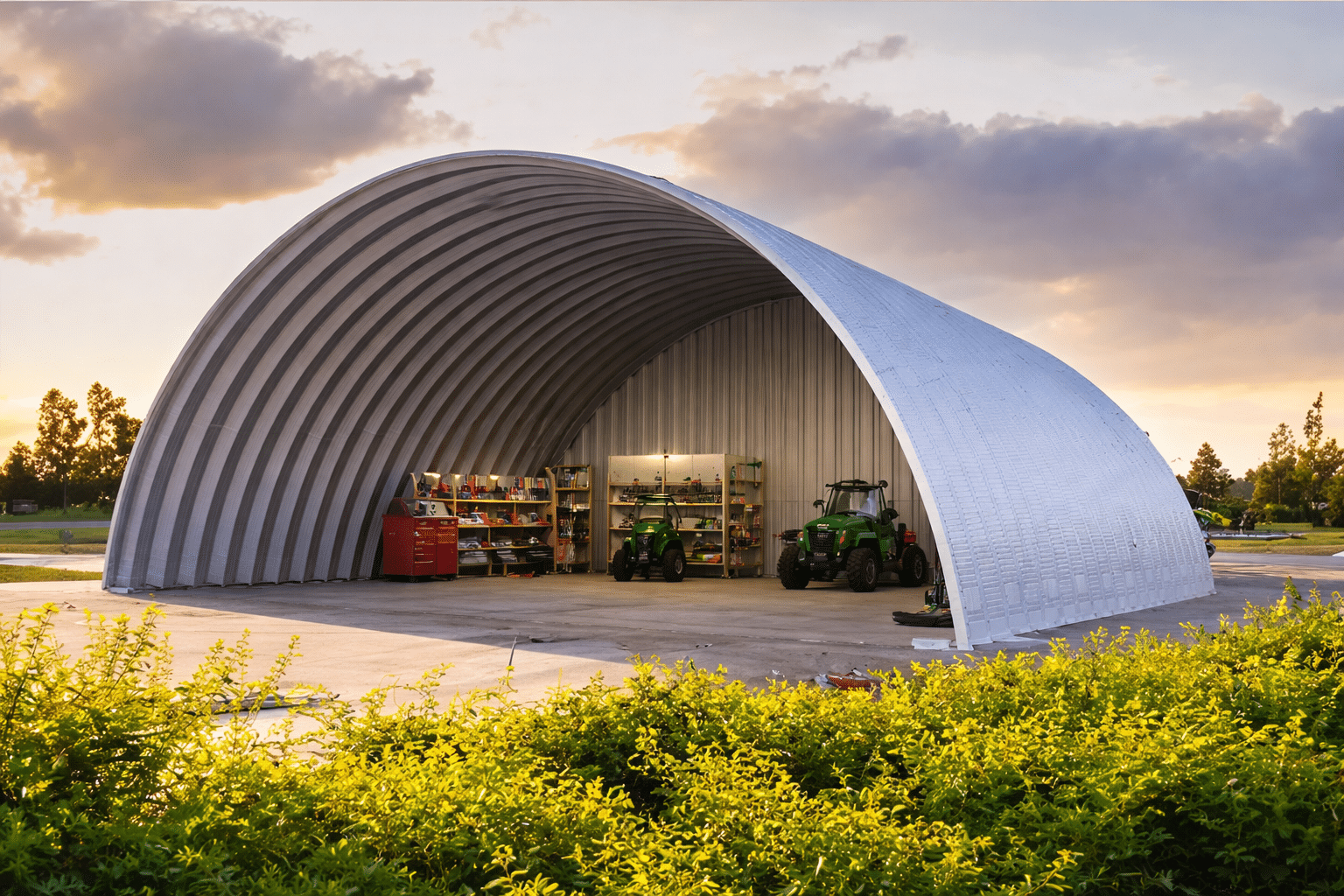
Roofing Systems
Steel roofing systems provide a strong, clear-span covering solution without the need for interior beams or trusses. These structures are ideal for creating open, protected walkways, equipment areas, work areas, or outdoor operations. Built from durable steel, they offer long-term resistance to corrosion and environmental exposure.
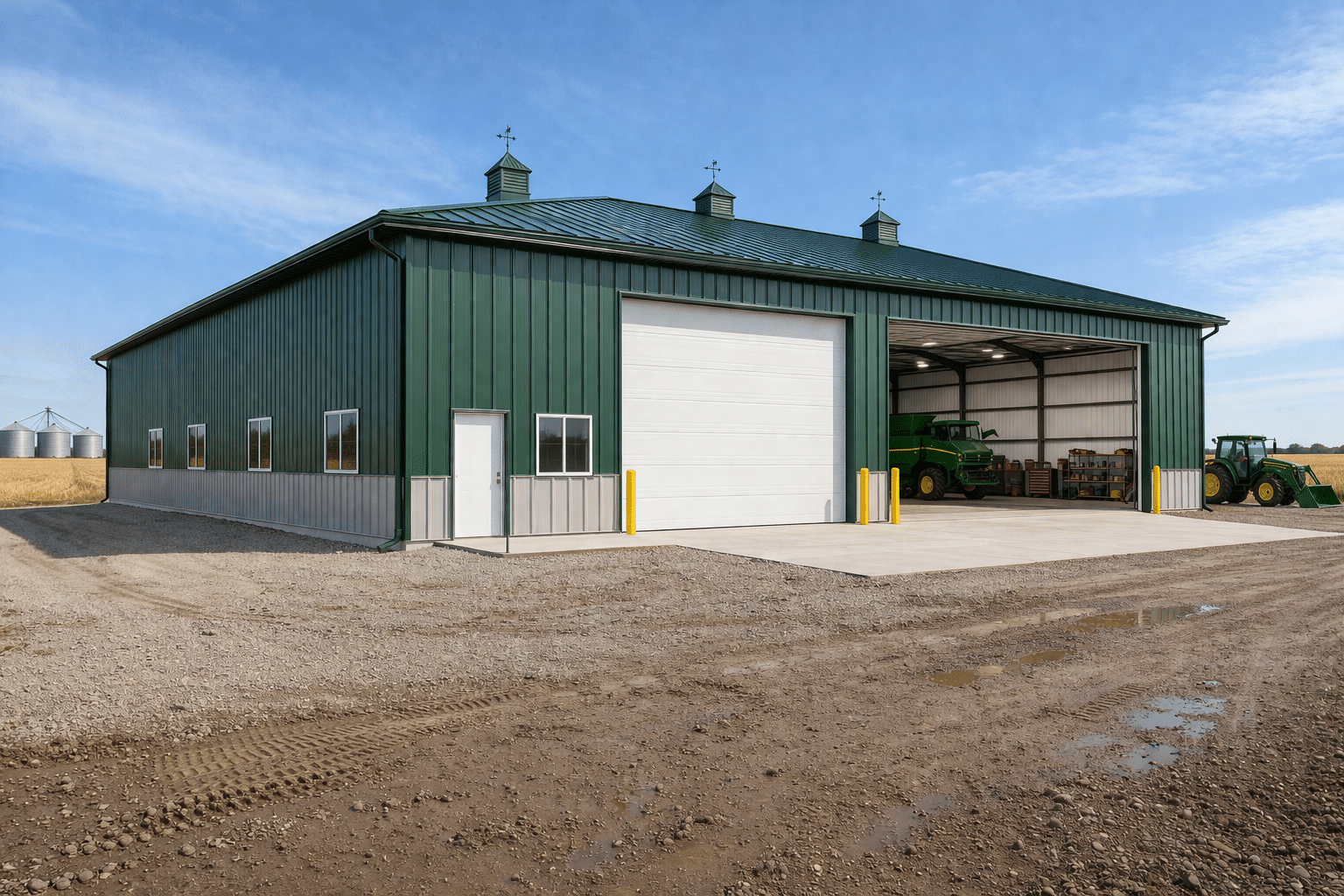
Agricultural Buildings
Your perfect building solution for farming and agricultural activities, including equipment storage, livestock housing, and crop protection. These structures are designed to support daily operations while providing reliable protection from harsh weather conditions. With customizable layouts and clear-span interiors, they can be adapted for a wide range of agricultural & farm uses.
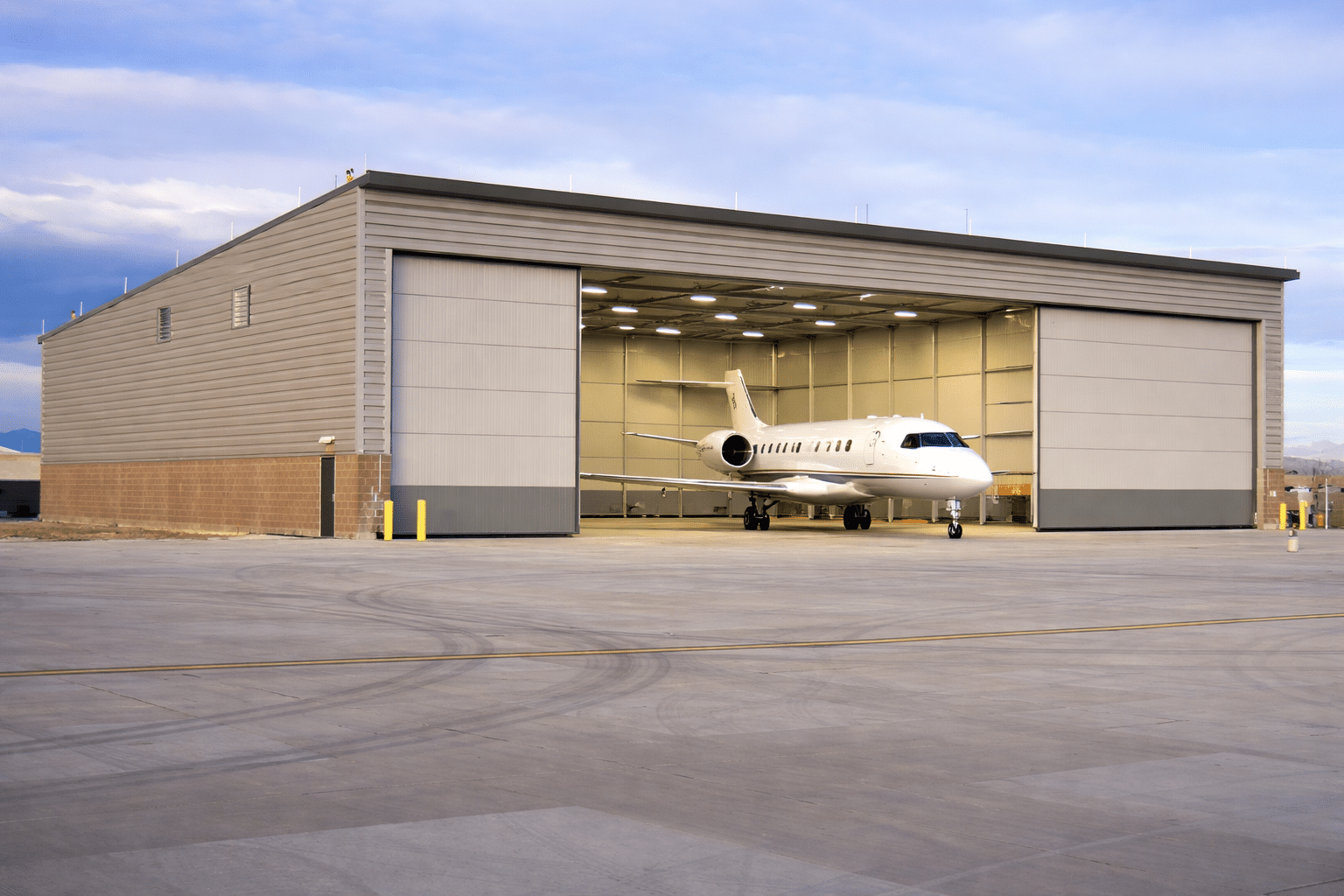
Aviation
Steel buildings offer wide-open interiors and large door openings to accommodate aircraft storage and maintenance safely. Designed for hangars and aviation facilities, these structures allow easy access and efficient use of space. Clear-span construction ensures there are no interior obstructions. They can also be customized with specialized doors, insulation, and ventilation systems.
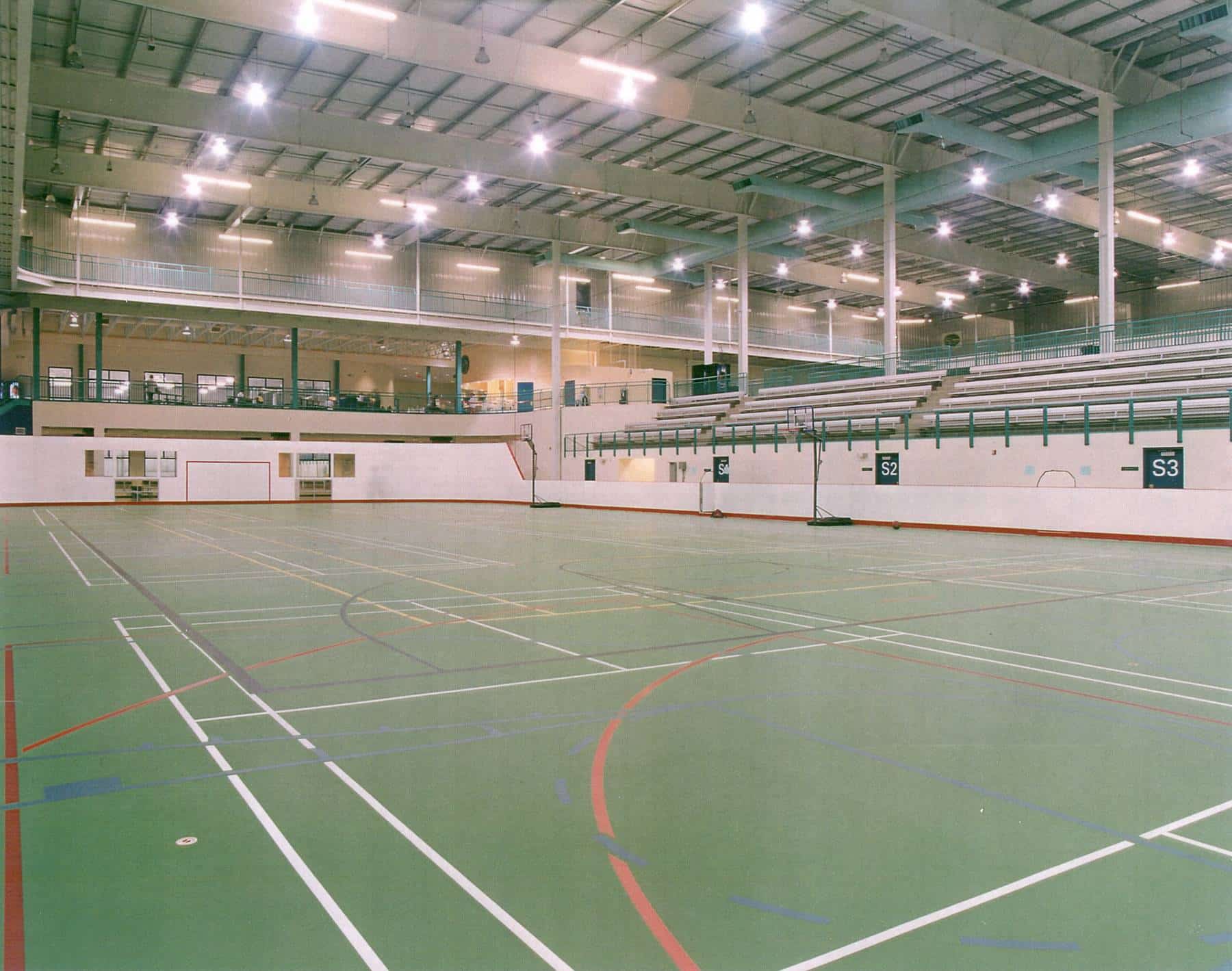
Arenas and Recreational
Large clear-span interiors make these buildings ideal for indoor sports facilities, equestrian arenas, and recreational spaces. Whether you’re planning a riding arena, basketball court, or training facility, steel buildings provide the open space required. Their structural strength allows for wide spans without interior columns. This ensures maximum usable space and flexibility for different activities.
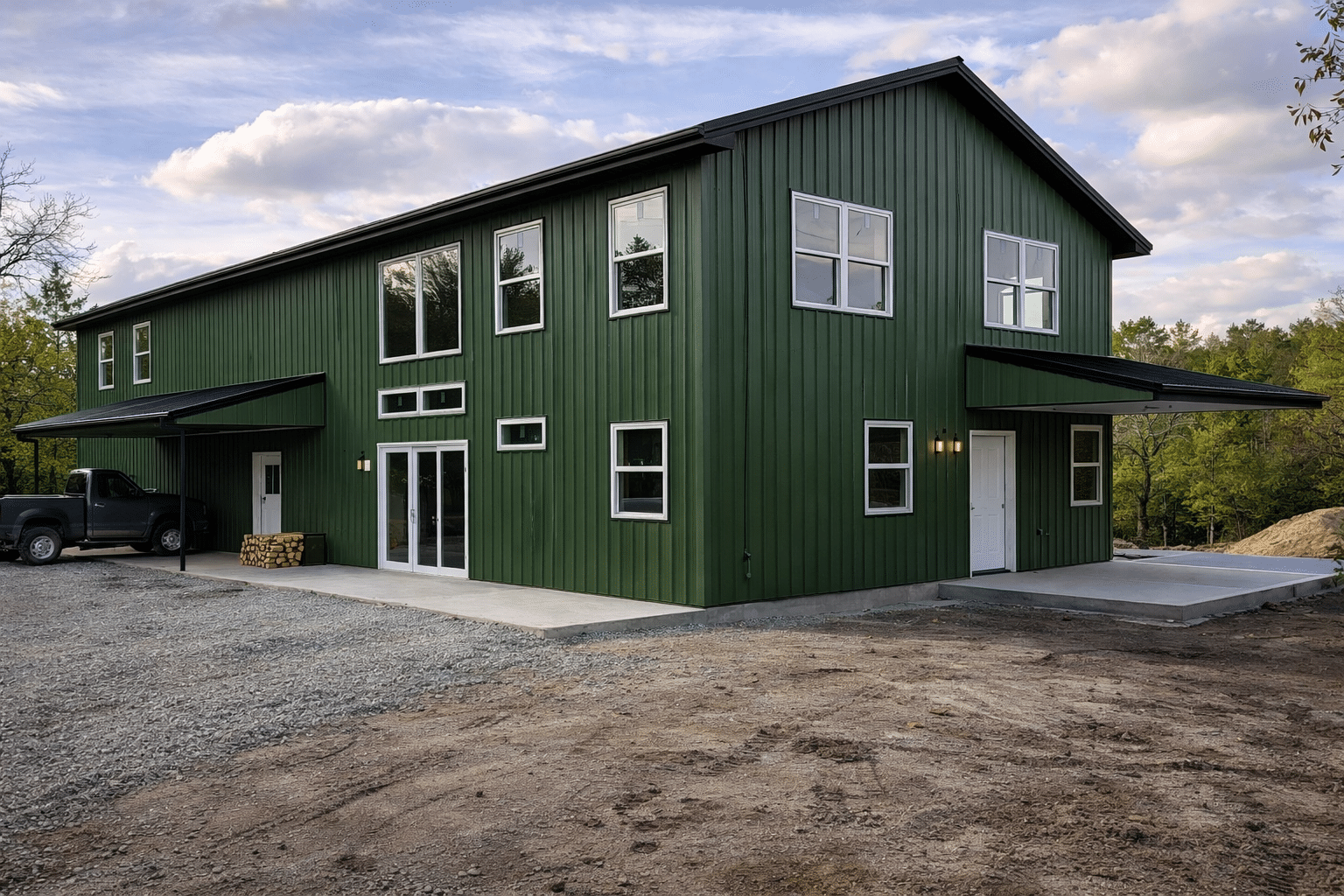
Barndominiums
Toro barndominiums combine residential living, workspace, and storage in one steel-framed structure. These buildings offer flexible layouts that can include living areas, garages, and workshops under one roof. Designed for durability and efficiency, they provide a modern alternative to traditional construction. Fully customizable, they are ideal for both rural and suburban properties.
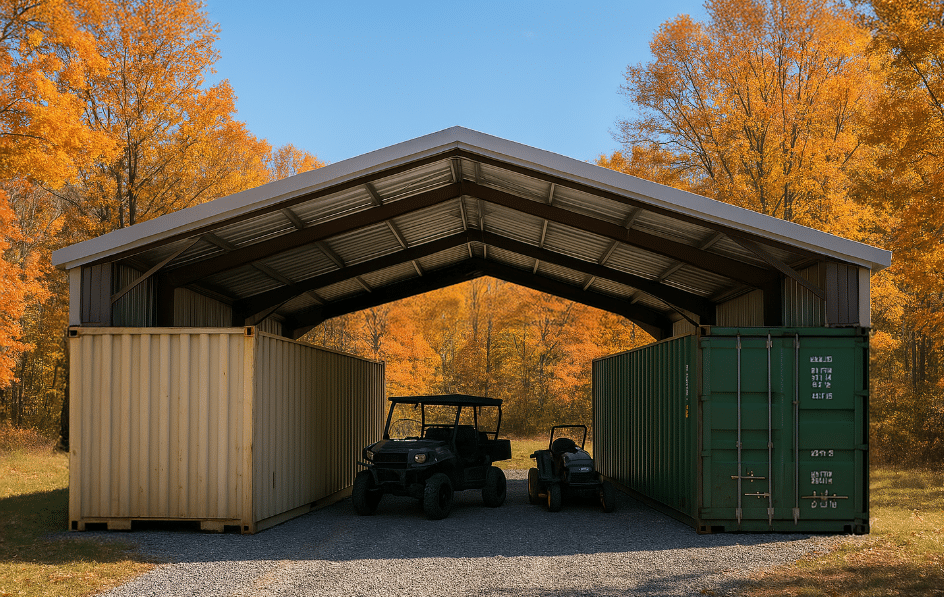
Container Covers
Expand your workspace or storage area with cost-effective container cover systems. These structures attach to existing shipping containers to create covered spaces for operations or storage. They are quick to install and can be customized for different widths and applications. Ideal for job sites, industrial use, or temporary structures.
Built for Utah: Strong, Reliable
Steel Buildings
Utah presents a range of structural challenges that must be considered during the design process. Steel buildings are engineered to meet these conditions while maintaining performance and safety.
Snow Load Requirements
Many regions in Utah experience heavy snowfall. Steel buildings can be engineered to safely support snow loads based on elevation and local building codes.
Seismic Considerations
Utah falls within a moderate seismic zone. Steel framing systems can be designed with appropriate bracing and connections to meet seismic design requirements.
Wind Load Performance
Open terrain and elevation changes can increase wind exposure. Steel buildings are engineered to resist both uplift and lateral wind forces.
Temperature & Elevation Variations
Utah’s varied elevations can lead to temperature fluctuations. Steel maintains structural integrity across a wide range of environmental conditions.
Utah Building Codes and What They Mean for Your Metal Building Kit
Utah has adopted the International Building Code (IBC) with state-specific amendments. Most permanent structures in Utah require a building permit issued by the local county or municipal building department, and structural drawings must be prepared, reviewed, and stamped by a Professional Engineer (PE) licensed in Utah.
The key code variables that affect the engineering and pricing of a steel building or metal building kit in Utah include ground snow load (which varies significantly by elevation and location), seismic design category (particularly along the Wasatch Front), wind exposure category, and occupancy classification. Toro provides PE-stamped engineering drawings with every Utah order, tailored to the specific structural requirements for your project location and intended building use.
Each Utah county administers its own building department, and requirements can vary from jurisdiction to jurisdiction. Salt Lake County, Utah County, Davis County, Weber County, and Washington County all have active building departments with established permitting processes. More rural counties may have simpler permitting requirements for agricultural structures, but still require compliance with state-adopted structural codes for most permanent and occupied buildings.
Steel Building Systems Available in Utah
Steel buildings are designed using different structural systems depending on project requirements.
Straight Wall Steel Buildings (Red Iron & Cold-Formed)
Straight wall buildings use vertical columns and traditional framing systems, allowing maximum interior flexibility.
Red Iron Steel Buildings: Hot-rolled structural steel framing designed for large commercial, industrial, and clear-span applications.
Cold-Formed Steel Buildings: Lighter-gauge steel systems are ideal for garages, workshops, and smaller structures.
Arch Style Steel Buildings
Arch buildings use curved, self-supporting panels that eliminate the need for traditional framing systems. This design efficiently distributes loads and provides a durable, cost-effective solution for storage and agricultural applications.
All Toro arch buildings are manufactured using Galvalume Plus™ steel, providing enhanced durability and corrosion resistance.
Advantages of Utah Metal Buildings
What Affects the Cost of Steel Buildings
in Utah?
Steel building costs vary depending on project requirements. Because each building is engineered for its specific location, pricing is typically determined on a case-by-case basis.
Key factors include:
- Building size and span width
- Snow load and elevation requirements
- Seismic design considerations
- Structural system selection
- Doors, windows, and customization
- Insulation and energy efficiency
- Foundation and site preparation
- Delivery location within Utah
Requesting a project-specific quote is the most accurate way to determine cost.
Steel Buildings Delivered Across Utah
Toro Steel Buildings supplies metal building kits throughout Utah, serving both major cities and surrounding areas. With over 15 manufacturing facilities across North America, we can reduce shipping distances, lowering freight costs and improving delivery timelines for your project.
Common service areas include:
- Salt Lake City
- Provo
- West Valley City
- West Jordan
- Ogden
- St. George
- Orem
- Layton
- Lehi
- Logan
If your location is not listed, we can still deliver steel buildings anywhere in Utah.
Toro: Your Reliable Steel Building Manufacturer in Utah
At Toro, we want to be more than just a trusted supplier of steel buildings in Utah. We aim to be your local building partner. Our team of specialists takes the time to understand your needs and requirements to provide you with the best structure at an unbeatable price. We also have a selection of complete steel buildings for sale at clearance prices if you are looking for a great deal. Contact us today and let us help you find the ideal structure for your project.