


Metal Buildings Memphis
Steel Buildings Engineered for Memphis, TN
Why Memphis Buyers Trust Toro Steel Buildings
Memphis puts buildings through a sustained test that many markets do not. High humidity levels that persist through much of the year, heavy rainfall, strong thunderstorm activity, significant wind events, intense summer heat, and the thermal expansion and contraction that comes with wide seasonal temperature swings all place compounding structural and material demands on a building across its service life. A structure not engineered around those specific conditions from the outset will reveal that gap through deterioration, maintenance demands, and performance shortfalls that a properly specified building does not exhibit.
Toro Steel Buildings has been in business for over 40 years, has served more than 85,000 customers, and operates through an in-house design and engineering team supported by more than 30 manufacturing facilities. Memphis buyers working with Toro are not presented with a fixed catalog and asked to select the closest available size. Every project is developed around the property, site conditions, intended occupancy, and the building’s structural demands.
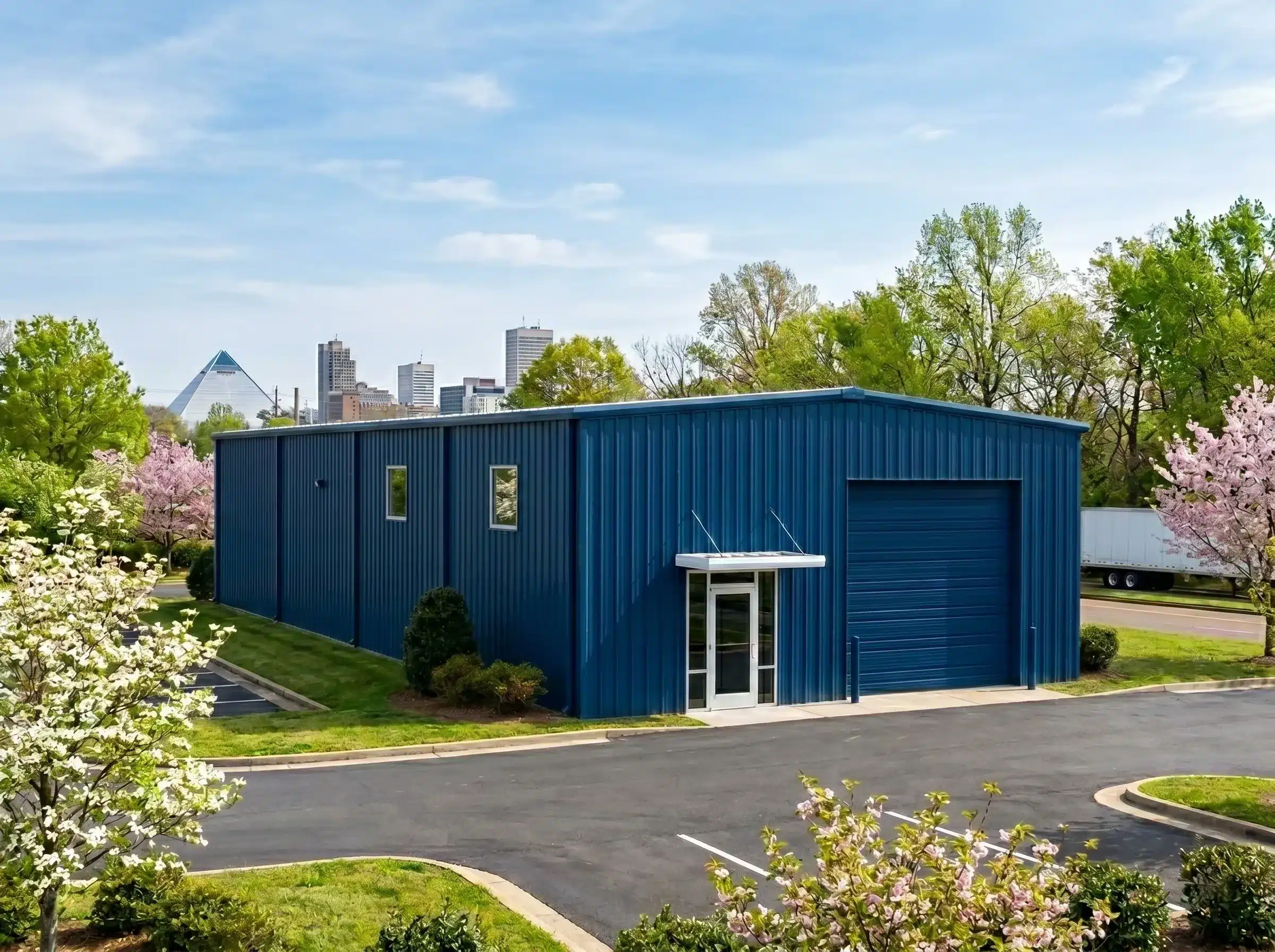
Why Steel Performs Well in Memphis, TN
Memphis’s heat, humidity, rainfall, and thermal cycling place compounding long-term stress on building materials. Wood absorbs moisture, loses dimensional stability, and deteriorates through rot and pest activity under those conditions. The material selection decision at the design stage determines how a building performs across its full service life, not just at the point of installation.
Steel performs reliably under those conditions where wood does not. It does not absorb atmospheric moisture, does not support termite or biological activity, and maintains dimensional stability through repeated thermal cycling. Members are fabricated to precise tolerances, which keeps load paths predictable and structural connections reliable over time. Protective coatings manage surface oxidation under sustained exposure to humidity and rainfall.
Clear-span framing extends that structural advantage into the usable interior. Eliminating interior columns gives buyers unobstructed floor area that can be organized entirely around operational requirements. Garages, workshops, warehouses, agricultural structures, and commercial facilities all perform more efficiently when the structural system supports the intended use rather than imposing layout constraints on it. That is why steel is the technically sound material choice across residential, commercial, agricultural, and industrial applications in Memphis.
Customer Reviews from Memphis, TN
“We needed a steel garage that could hold up and still give us enough room for vehicles, tools, and extra storage. Toro helped us get the layout right, and the finished building has been exactly what we were hoping for.”
“Our container cover needed to give us covered space without overcomplicating the project. Toro made the process straightforward, and the finished structure has worked really well for equipment storage and everyday use.”
Common Metal Building Uses in Memphis
Metal Garages Memphis
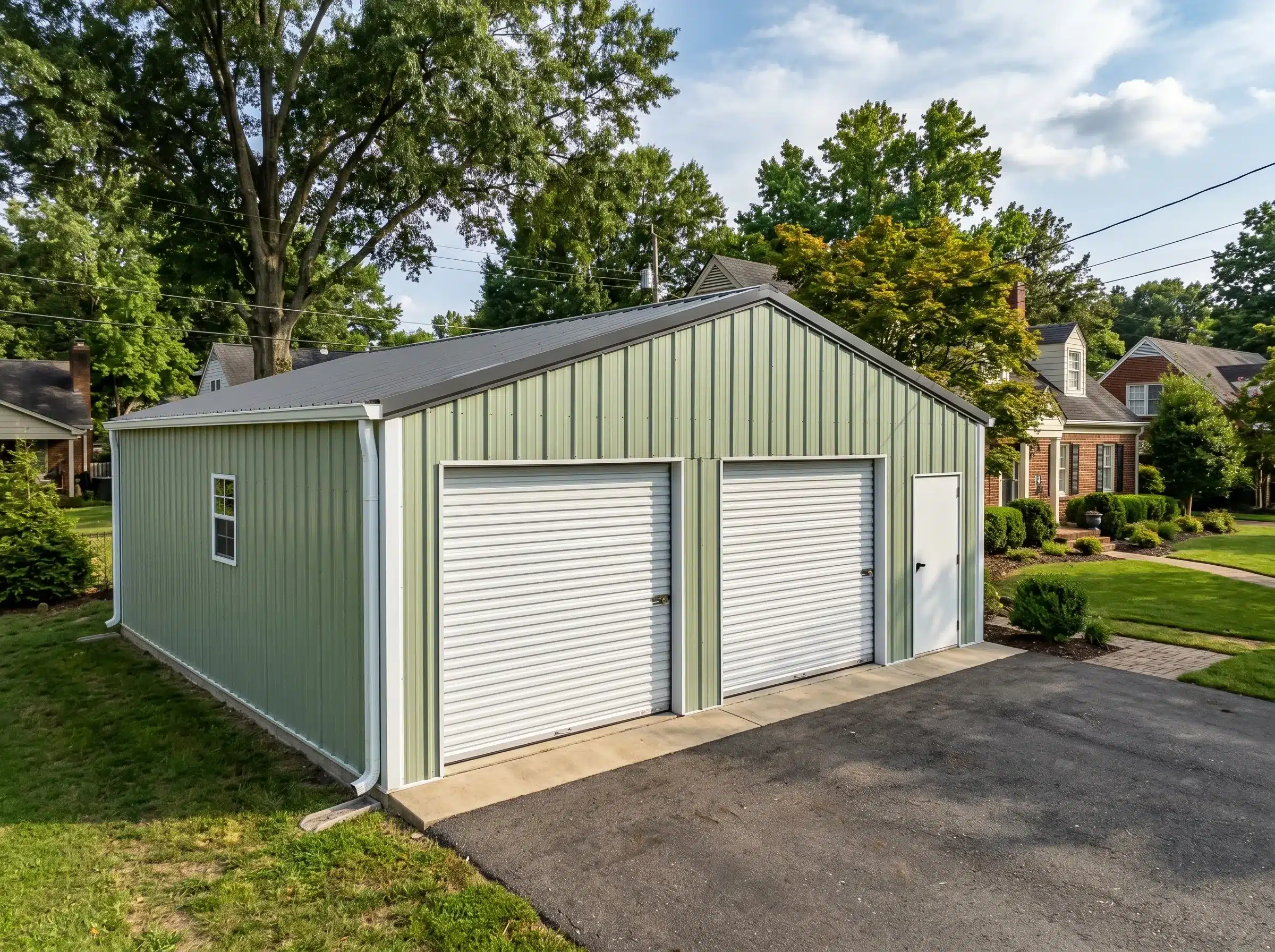
A metal garage in Memphis has to perform through persistent humidity, heavy rainfall, UV exposure, and summer heat daily. A properly engineered steel garage handles those conditions while delivering organized space configured around single or multiple bays, workshop integration, and RV clearance. Steel provides the structural reliability and layout flexibility that Memphis properties require year-round.
Metal Carports Memphis
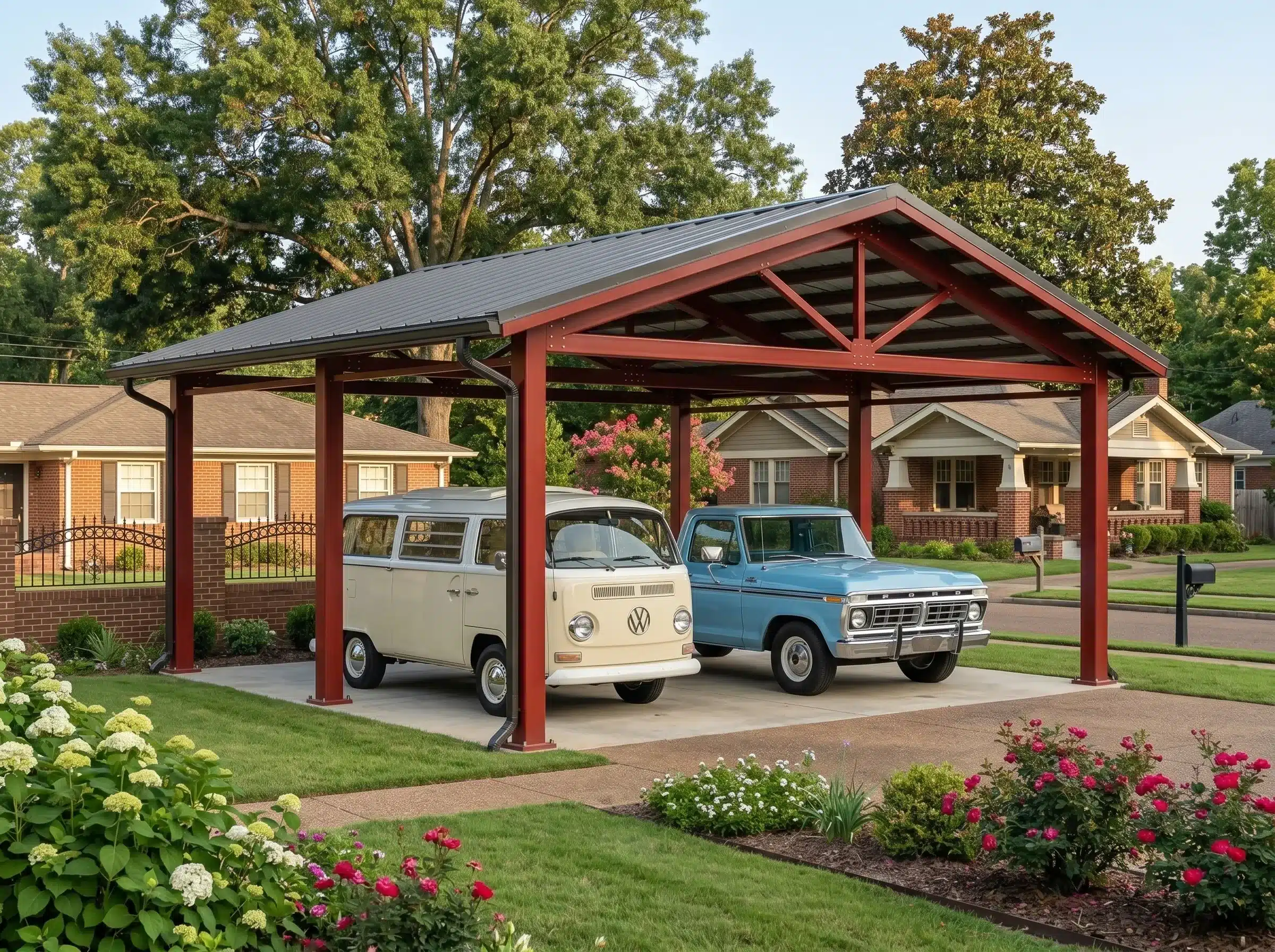
A Memphis carport faces the same environmental pressures as a fully enclosed structure without four walls to buffer moisture, wind uplift, and UV exposure. Steel provides the material durability and engineering precision to handle thunderstorm activity, rainfall exposure, and long-term outdoor use reliably. The result is a dependable long-term structure rather than a maintenance problem that develops within the first few years.
Workshop Buildings
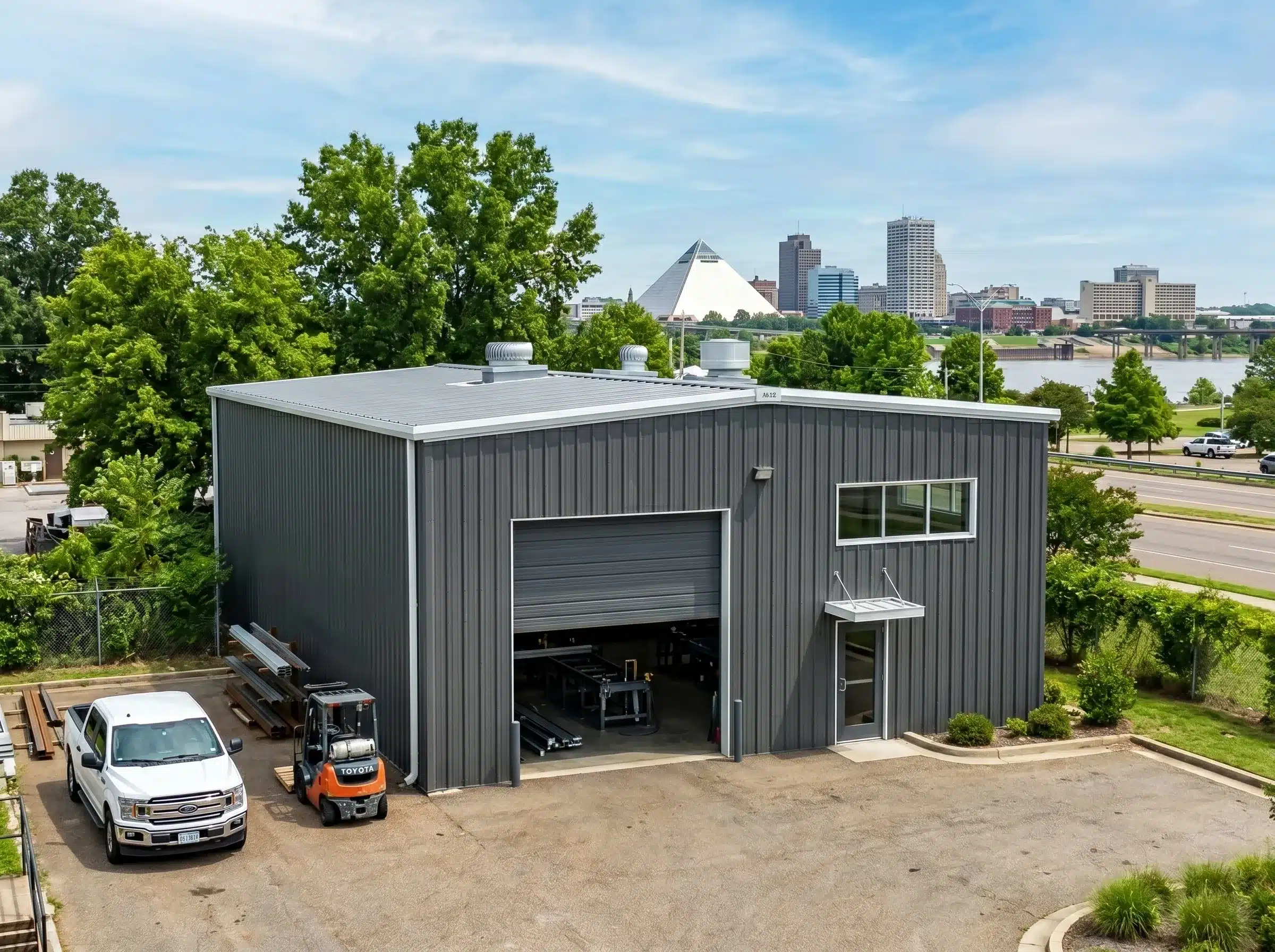
A Memphis workshop needs to function reliably through demanding conditions while remaining practical to operate year-round. Steel clear-span framing removes structural constraints that limit equipment placement, workflow layout, and usable floor area. The interior can be configured around actual operational requirements rather than around what the structural system allows.
Storage Buildings
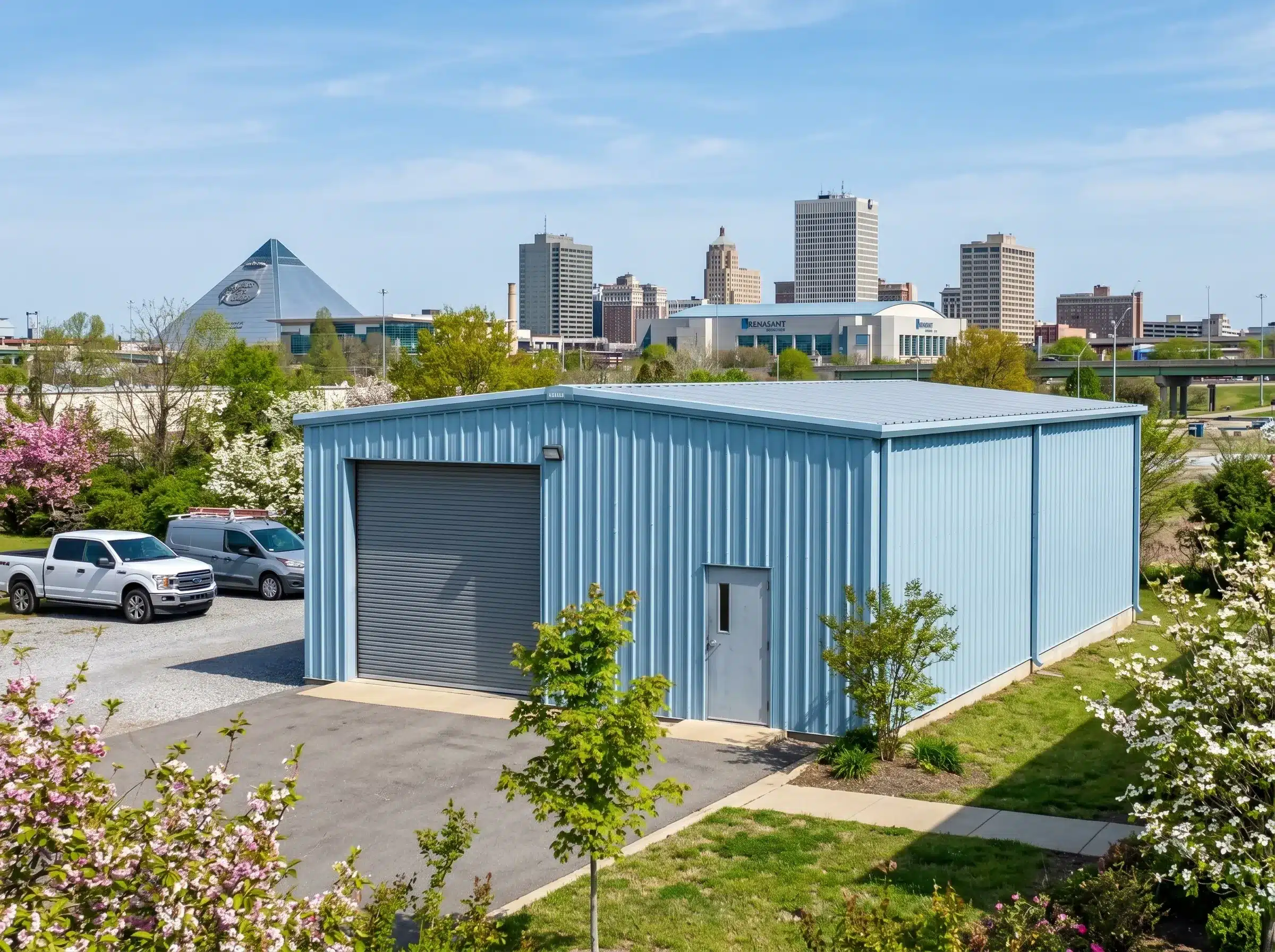
Memphis’s persistent humidity and rainfall make storage building specifications more consequential than in drier markets. Steel addresses moisture infiltration, temperature fluctuation, and condensation risk through material resistance and clear-span interiors that stay easy to organize. The result is a storage building that protects contents and performs reliably across a long service life.
Agricultural Buildings
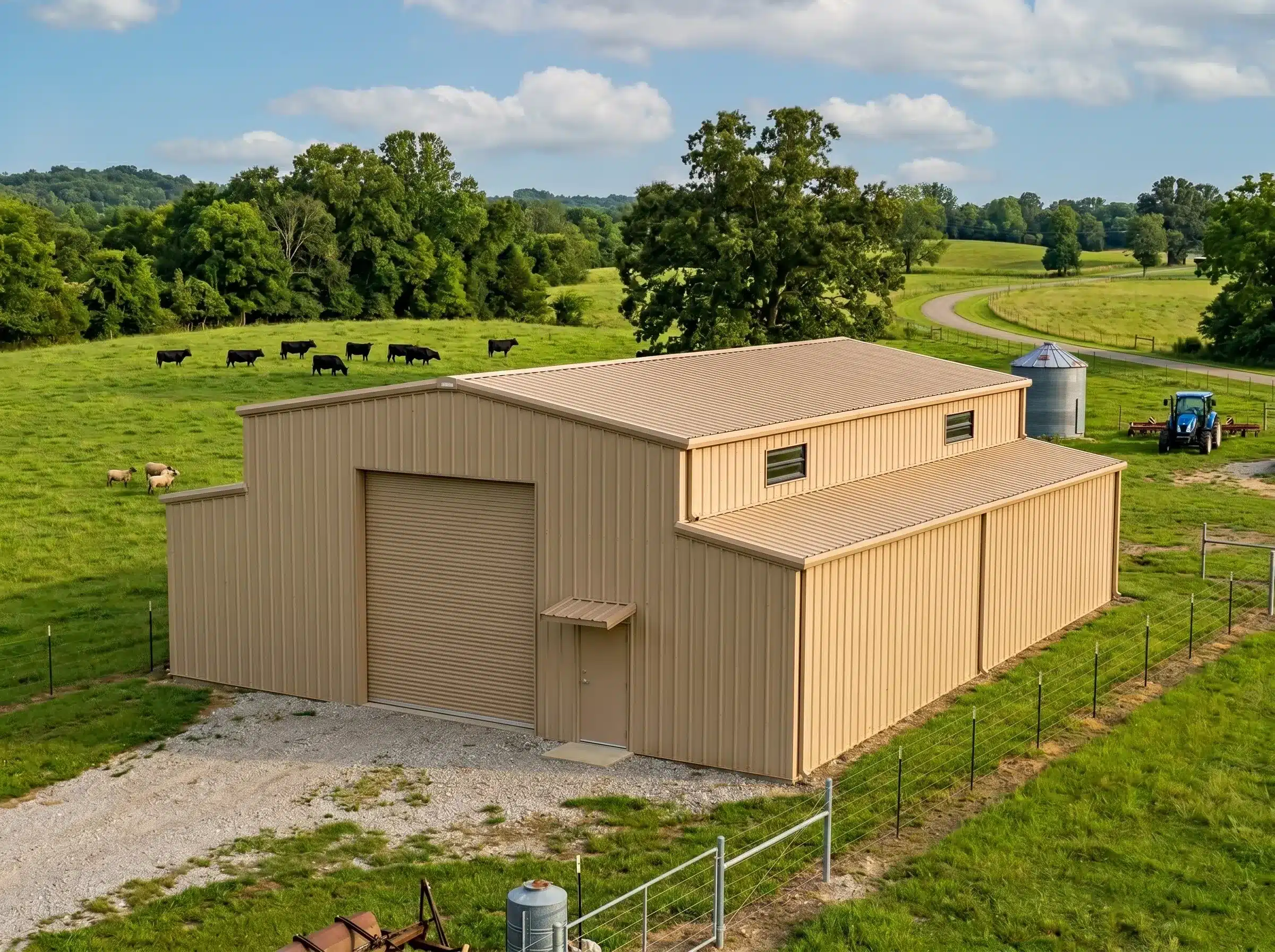
Agricultural properties across the greater Memphis region impose continuous structural demands for equipment storage, livestock operations, and daily access for work. Steel makes it practical to engineer around actual clearance heights, ventilation requirements, and the access configurations that working farms depend on. A generic shell is not designed to meet those operational demands reliably over time.
Commercial Steel Buildings
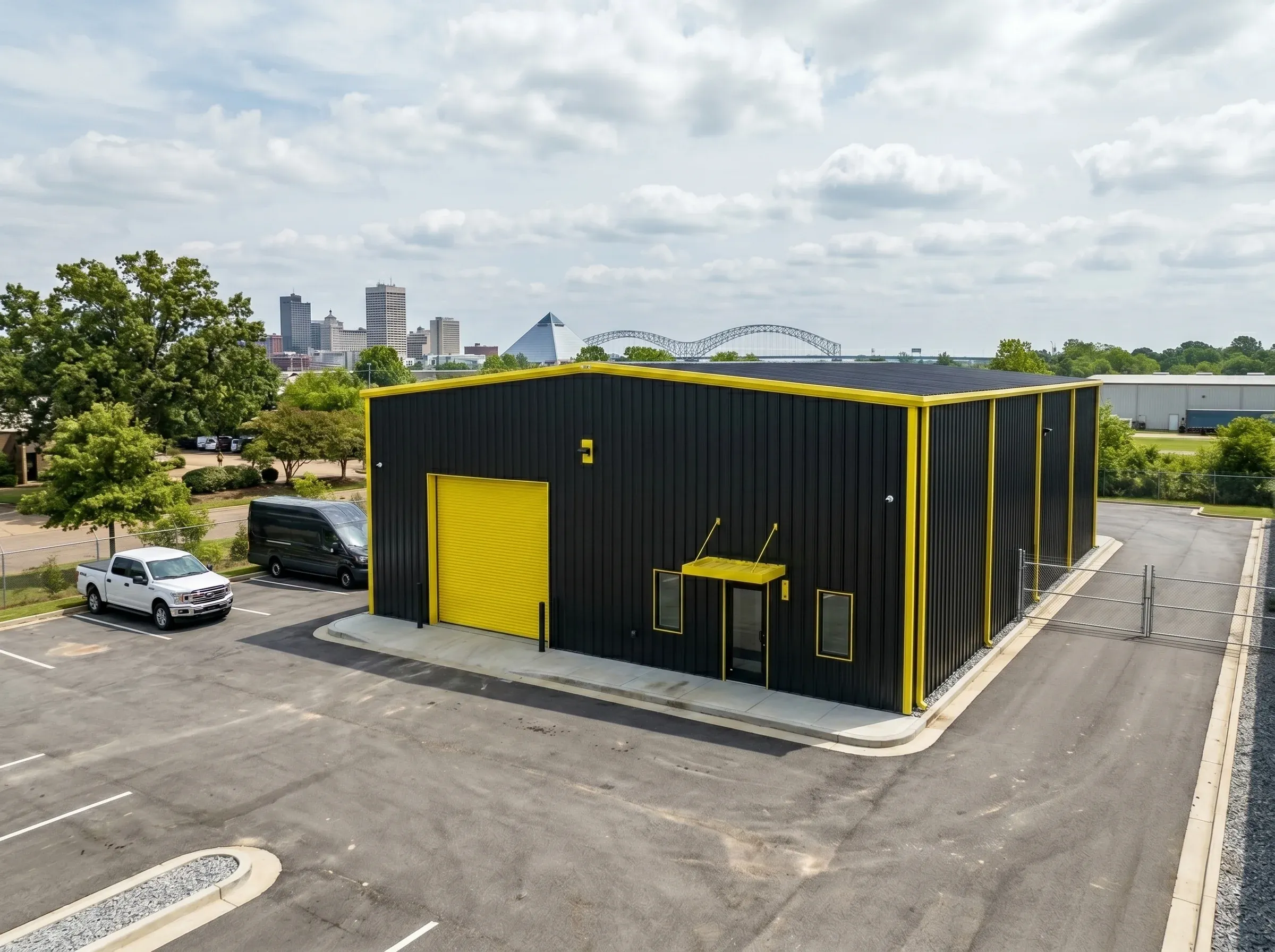
Memphis commercial steel building buyers need a structure that supports sustained operations without generating structural or maintenance demands that reduce productivity. Steel delivers large framed openings, open interior layouts, and long-term reliability for contractor shops, service facilities, and commercial storage. Future expansion can be built into the original structural design rather than treated as a separate problem later.
Warehouses
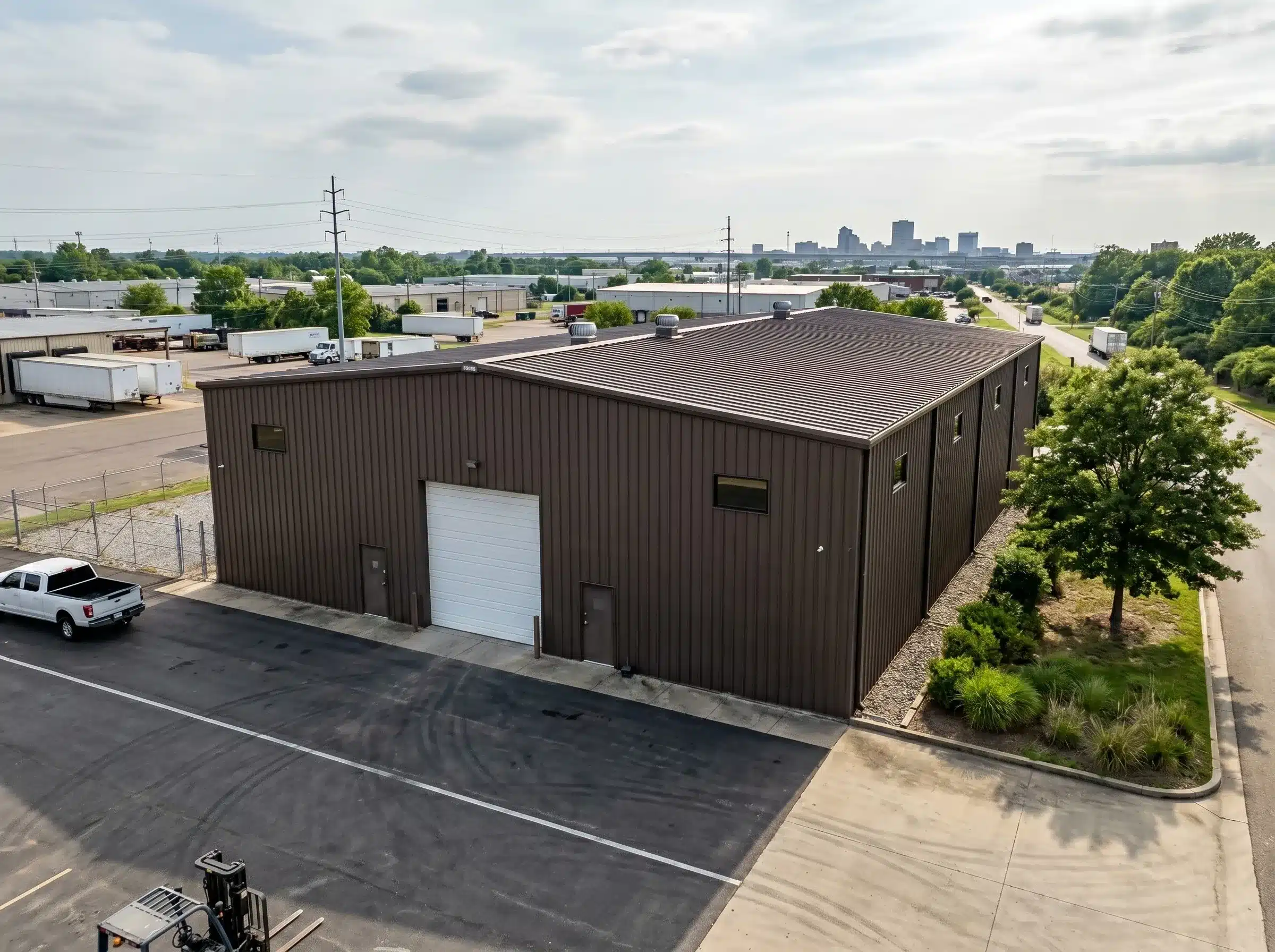
Memphis warehouse operations need interior space organized around storage volume, equipment movement, and loading access rather than structural limitations. Steel clear-span framing and large framed openings enable the warehouse to be designed around the actual demands of the operation. The building works around the business, not the other way around.
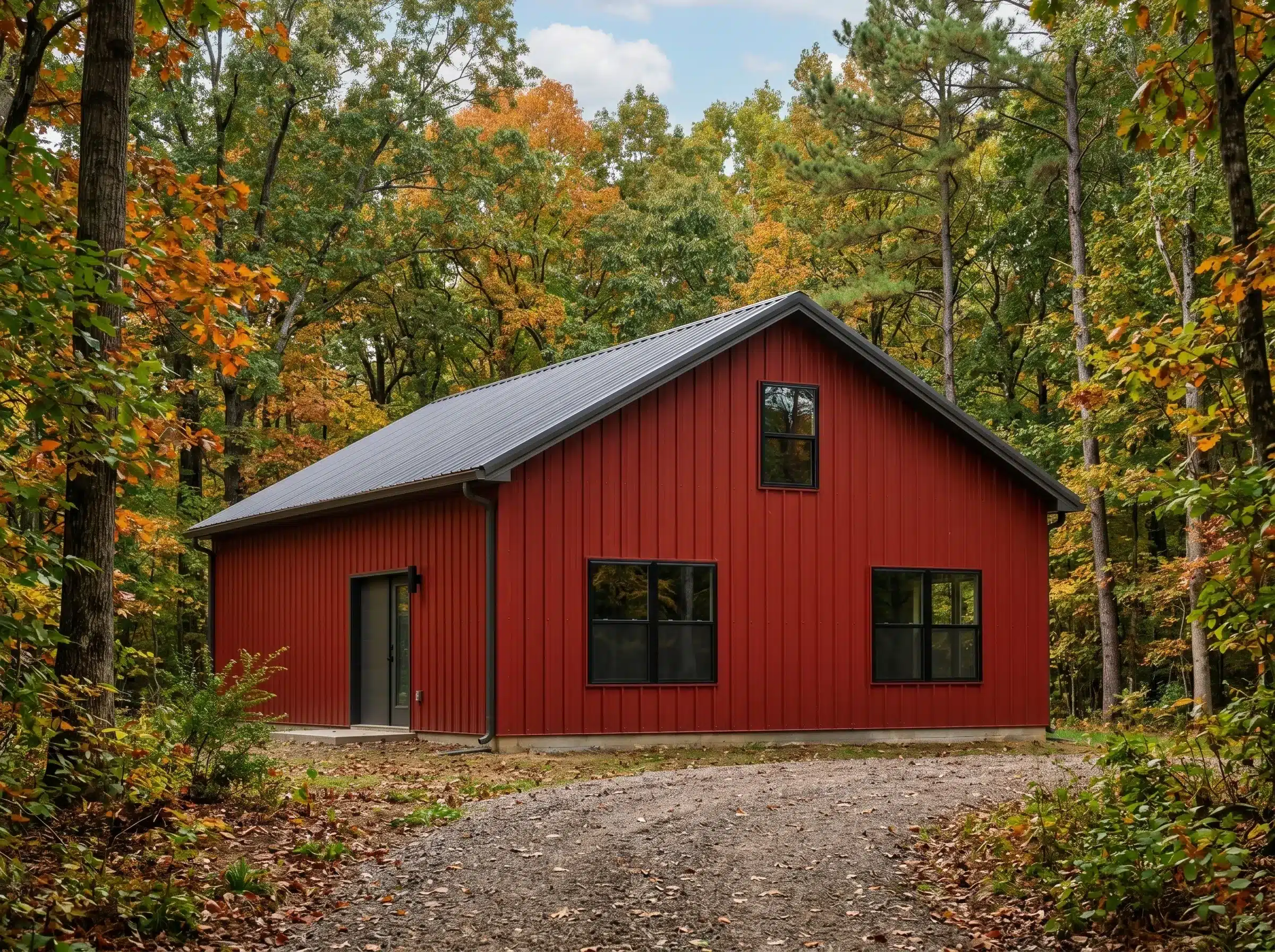
Metal Barndominiums
A steel barndominium in the Memphis region combines residential living space with a garage, workshop, or utility area under one structural roof. That integration reduces construction complexity and total site cost while delivering a practical mixed-use building. It can be engineered around both residential comfort and functional utility requirements from the outset.
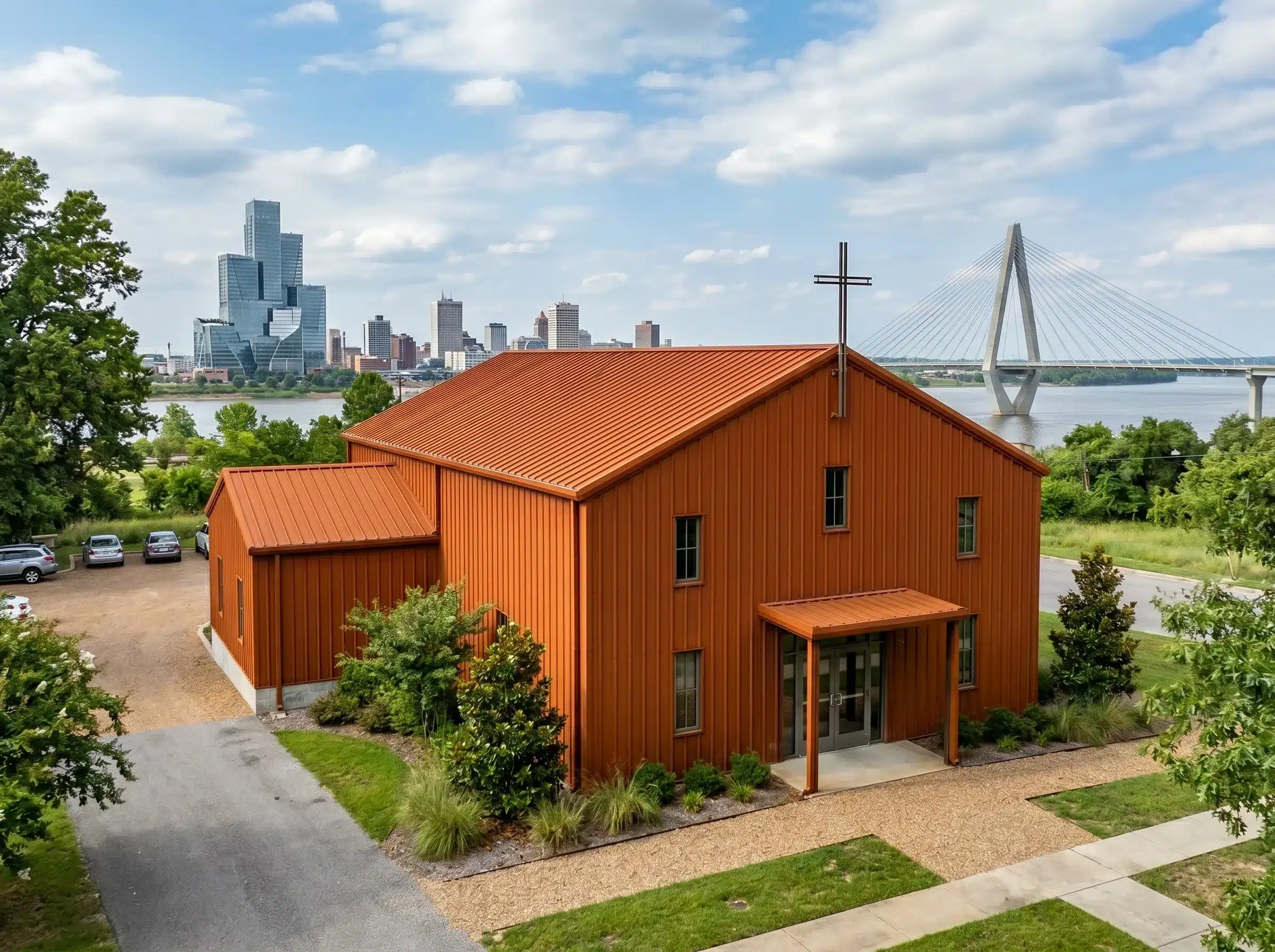
Church Buildings
Church buildings in Memphis meet long-term needs for worship, education, administration, and community use within a single adaptable structure. Steel clear-span framing delivers column-free interiors, making flexible layout planning practical for decades of service. Structural durability reduces the long-term maintenance burden on the organization that manages the facility.
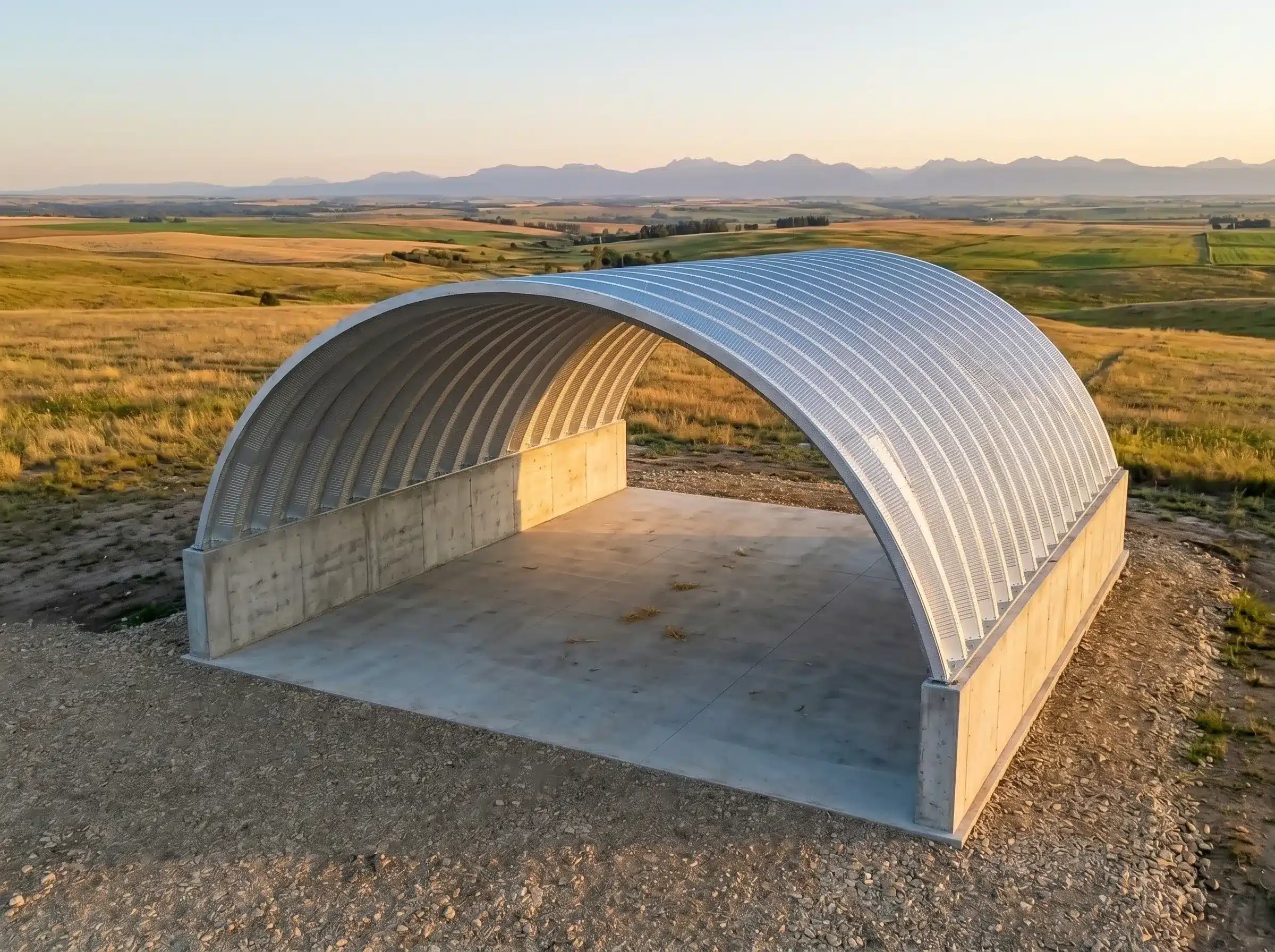
Steel Roofing Systems
Memphis’s rainfall and sustained humidity make roofing performance a structural and weatherproofing priority, not just an aesthetic one. Steel roofing provides durable overhead protection for walkways, loading docks, equipment shelters, and open-sided work areas. It delivers dependable, low-maintenance weather protection in Memphis’s demanding climate.
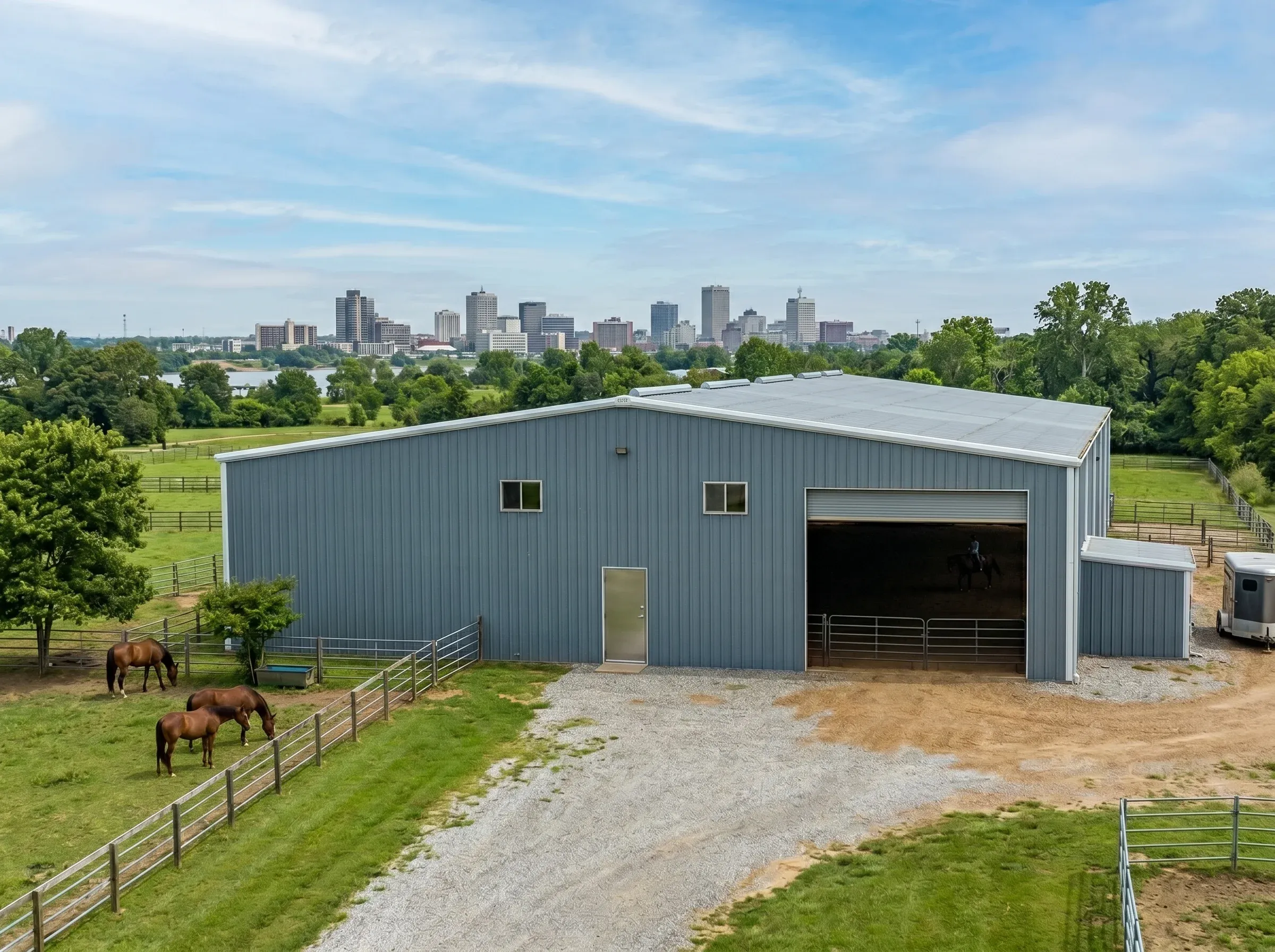
Recreational Buildings
Recreational buildings require wide, unobstructed interior space that supports physical activity and programming flexibility over many years. Steel clear-span framing enables the design of riding arenas, sports courts, and multi-purpose buildings without interior columns that would limit the layout. The space can be reconfigured as programming needs change without structural constraints.
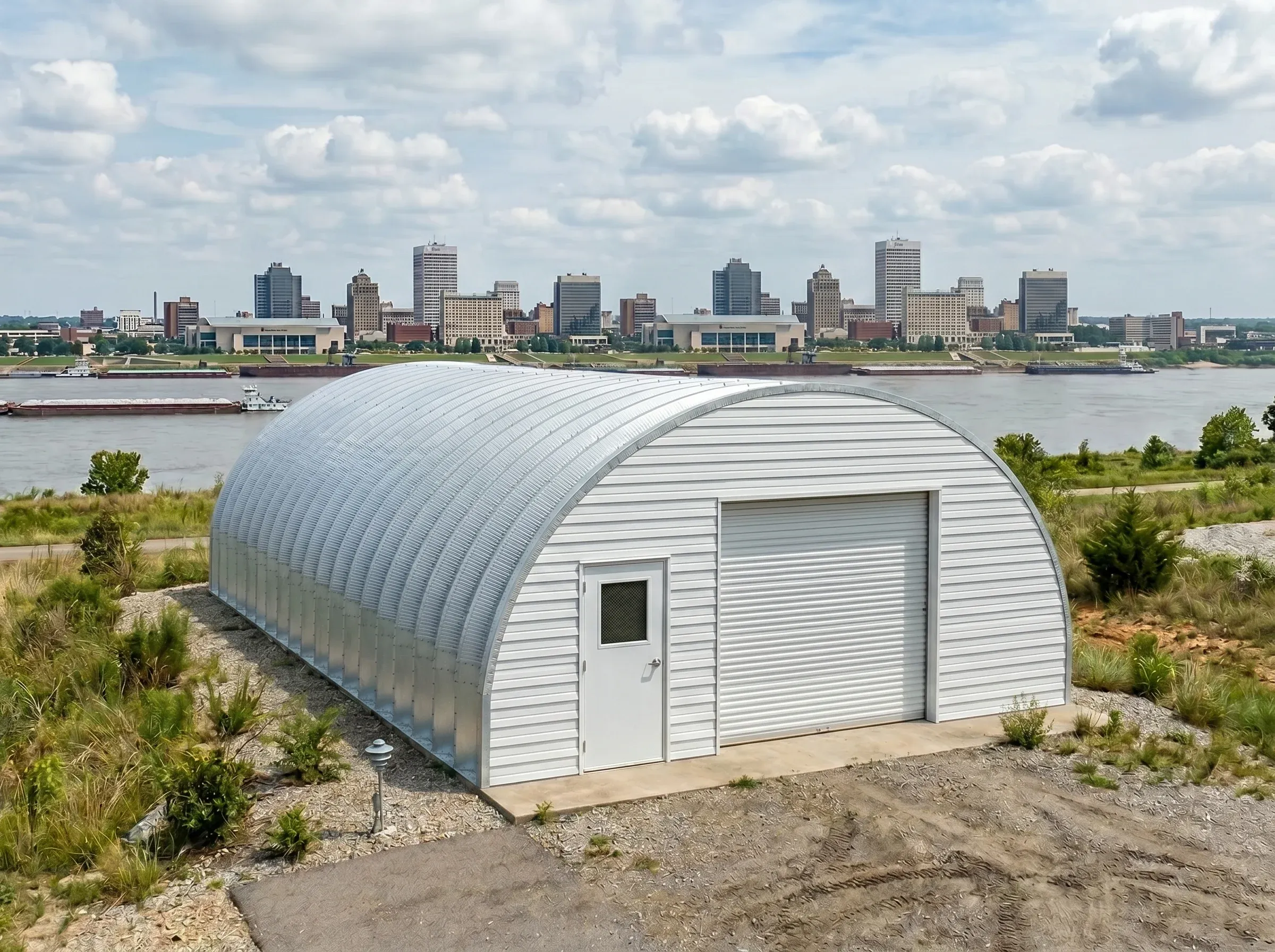
Metal Quonset Huts
Quonset huts deliver efficient, clear-span covered space for storage, workshops, and utility applications with minimal structural complexity. Their curved arch geometry manages rainfall runoff effectively, a practical advantage in Memphis’s high-precipitation environment. For buyers who need durable covered space at a lower cost, Quonset structures are a reliable solution.
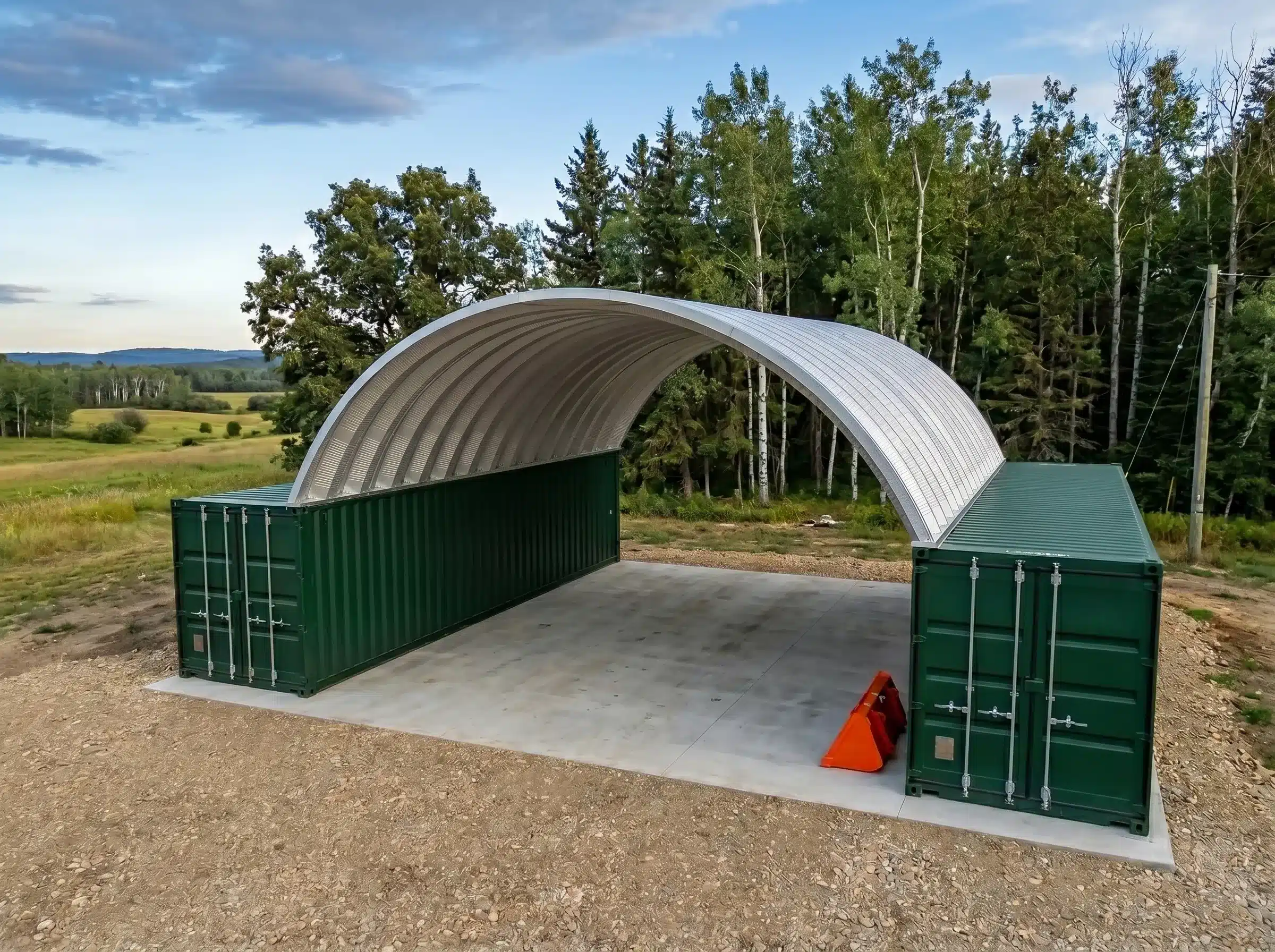
Container Covers
Container covers span steel framing between shipping containers to create covered space for equipment shelter, parking, open storage, and work areas. They provide dependable overhead protection where full enclosure is not required, but Memphis’s rainfall and humidity still need to be managed. It is a cost-effective solution for covered utility space without a full building footprint.
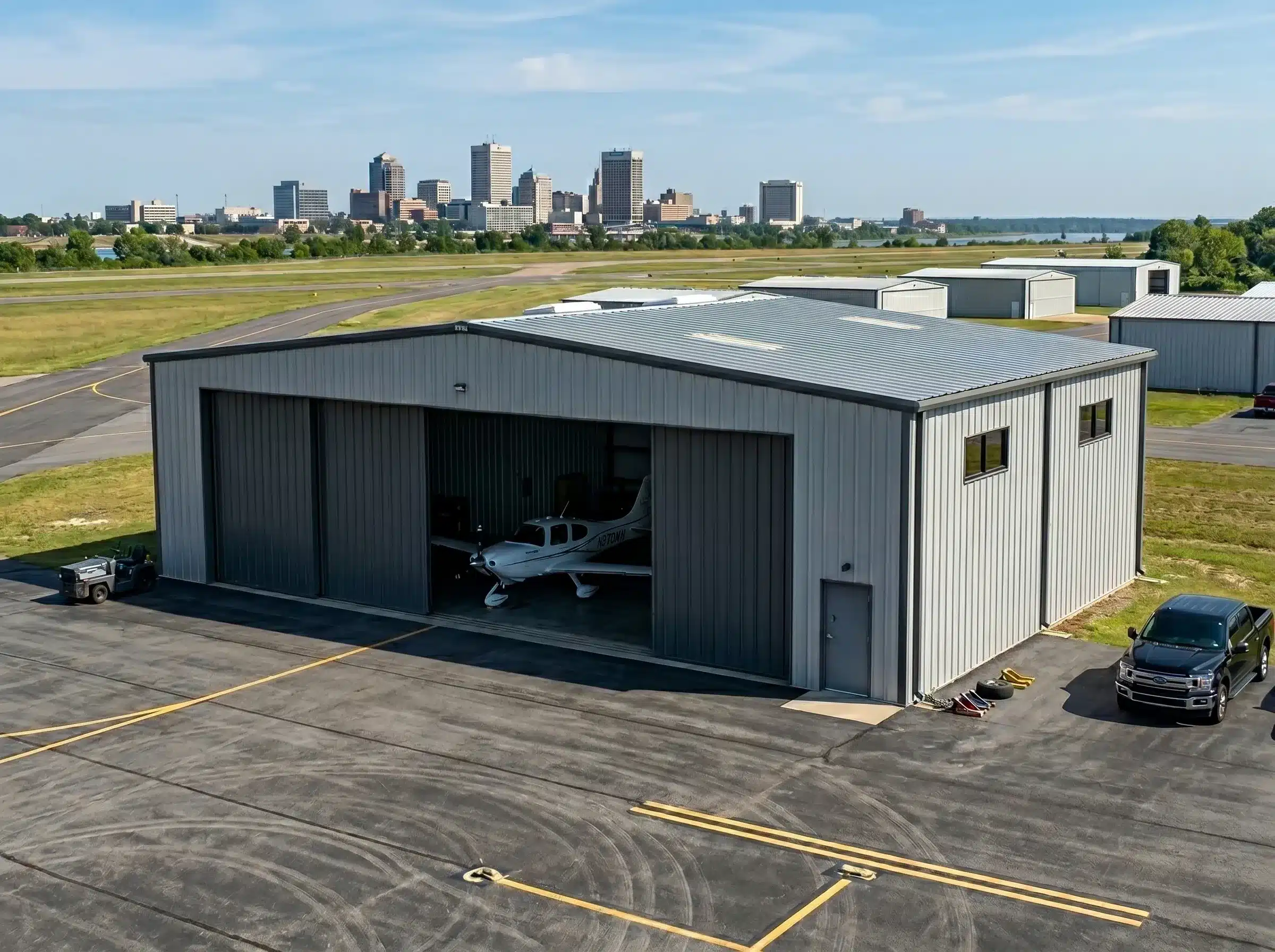
Aircraft Hangars
Aviation applications carry structural requirements that do not allow for compromise or generic assumptions. Steel can be specified around the exact clear span, door opening height, and loading demands of the aviation project. The result is a completely unobstructed interior space engineered around the hangar’s operational requirements.
Steel Building Systems Available in Memphis
The right pre-engineered steel building system depends on the span, intended use, and structural demands of the project.
- Red Iron Straight-Wall Buildings: Best suited for larger buildings that require wider spans, taller walls, heavier openings, and stronger structural capacity. Common uses include warehouses, industrial buildings, and larger commercial or agricultural projects.
- Cold-Formed Straight-Wall Buildings: A practical choice for smaller and mid-sized buildings where the structural demands are more moderate. They work well for garages, workshops, storage buildings, carports, and lighter commercial applications.
- Arch-Style Quonset Buildings: Quonset systems provide efficient, clear-span space with a curved profile that helps manage rain and supports low-maintenance performance. They are a strong fit for storage, garages, workshops, and other utility-focused uses.
Choosing the right system from the start helps ensure the building fits the project, and you can explore your options with our 3D Builder below.
What Affects the Cost of Metal Buildings in Memphis
Metal building pricing in Memphis depends on far more than square footage alone. Building size and wall height establish the structural envelope, but the roof profile, framing complexity, and the number and size of framed openings can significantly alter the design requirements. Insulation also plays a meaningful role in Memphis because the building has to perform in the face of humidity, heat, and seasonal temperature swings, not just provide an enclosed space.
Final cost is also shaped by factors outside the frame itself, including occupancy classification, code and permit requirements, site conditions, foundation needs, delivery distance, and installation logistics. That is why two buildings with similar footprints can still have very different project costs. Toro works through those variables before pricing is issued, so the quote reflects what the project actually requires rather than a starting number that changes as the details are worked out.
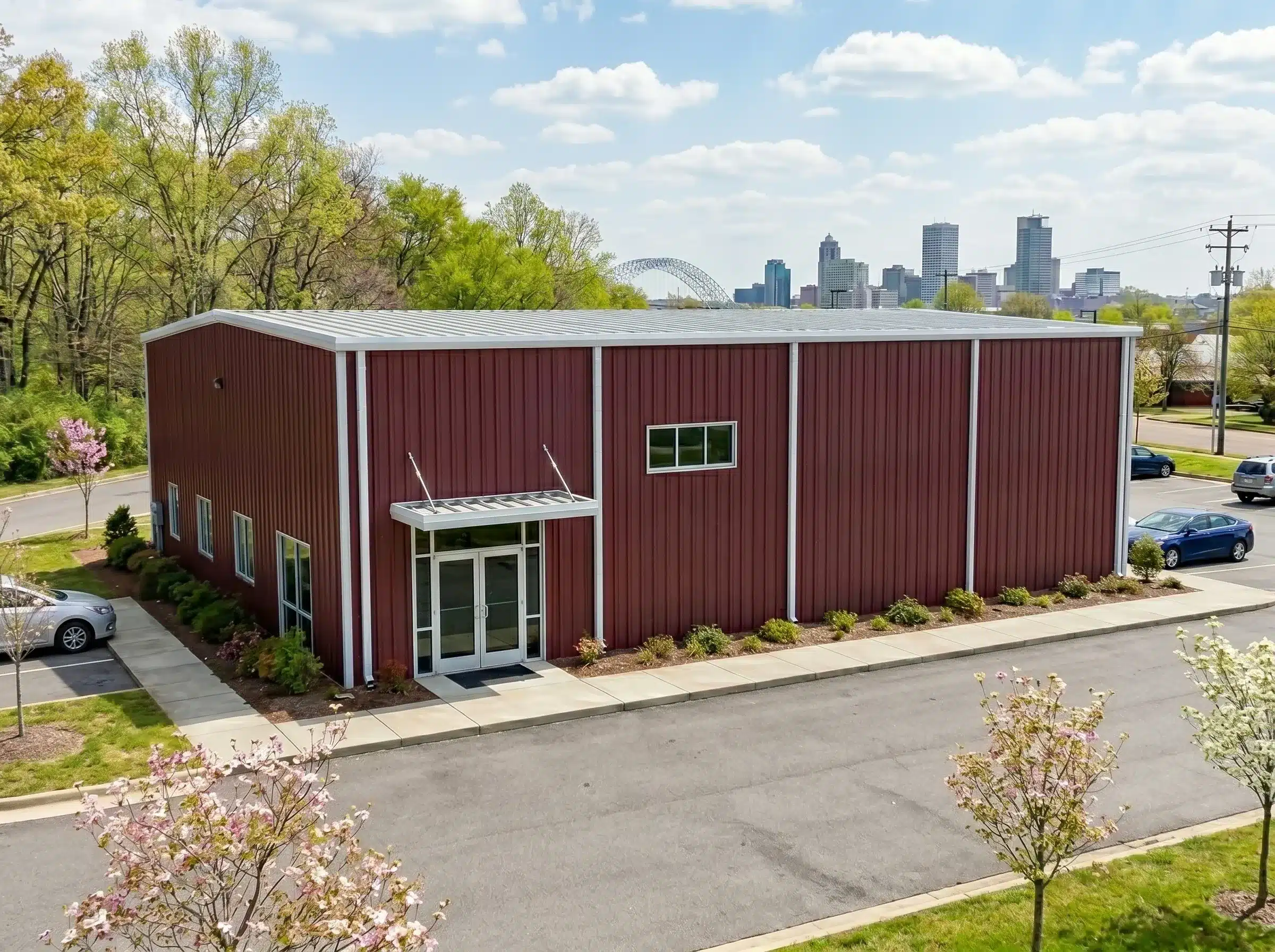
Building Codes and Permitting in Memphis
Steel building projects in Memphis are governed by a real local code and permit framework, not just by product selection. Permits, plan review, and inspections are handled through the joint Memphis and Shelby County Construction Enforcement / Develop901 system, and the office states that it currently enforces the 2015 International Building Code (IBC) with local amendments, adopted by Memphis and Shelby County effective January 1, 2019. That code path affects structural design, occupancy classification, framed openings, engineering documentation, and the items that must be submitted for approval. For buyers, that means code compliance and permit readiness should be addressed at the beginning of the project, not treated as an administrative step later in the process.
What to Look for in Metal Building Companies in Memphis
Selecting a steel building supplier in Memphis requires that the supplier’s actual technical and operational capabilities be backed by specific, verifiable answers about how the project will be engineered, permitted, and delivered.
- Code and permit framework: The supplier should identify which code and permitting requirements govern the project in Memphis and explain concretely how the building is being designed and documented to meet those requirements.
- Engineering for Memphis conditions: The supplier should be able to explain how humidity, rainfall, wind loads, and thermal cycling are accounted for in the structural design, rather than simply asserting that steel performs well in the region.
- Structural system selection: The recommended system should be justified based on the project’s specific span, occupancy, loading requirements, and operational demands.
- Framed opening coordination: Opening locations, sizes, and quantities affect primary frame design and load distribution in ways that need to be resolved during the engineering phase rather than after pricing is accepted.
- Complete and transparent quoting: A reliable quote specifies what is included and what is not. Incomplete quotes are among the most common causes of budget overruns on steel building projects in any market.
- Permit-ready engineering documentation: Confirm whether engineering drawings prepared for Memphis’s permitting process are part of the package and what level of documentation is provided for the specific project type and occupancy classification.
- Warranty terms and component coverage: Warranty coverage should be explained in specific terms, including which components are covered, the duration of coverage, and the conditions that apply. Vague warranty language that cannot be broken down into specifics warrants direct follow-up before the project proceeds.
- In-house engineering resources: A supplier with internal engineering capability manages structural design, connection detailing, and fabrication coordination without outsourcing those decisions to parties who carry no direct accountability for the project outcome.
- Demonstrated experience at this scale: A supplier’s track record with projects of comparable complexity and scale in markets with conditions similar to Memphis directly affects their ability to anticipate design challenges, navigate permitting requirements, and deliver a building that performs as specified over its full service life.
That level of specific, verifiable technical clarity is what separates a properly engineered building from a package that presents well on paper but underperforms in the field.
Start Your Memphis Steel Building Project with Toro
Toro Steel Buildings brings the engineering capability, manufacturing depth, and project experience required to support Memphis builds across all scales and application types. From the first technical conversation through final fabrication, every project is developed around the specific site conditions, intended occupancy, and structural demands the building will face through Memphis’s demanding climate over its full service life. Whether the project is a residential garage, an agricultural structure, a commercial facility, a warehouse, or a specialized industrial building, the process begins with a direct conversation about what the project actually requires rather than what fits a standard package. Reach out online or call 1-877-870-8676 to speak with a building specialist and receive a quote developed around your specific Memphis project.