


Toro Steel: 40+ Years of Factory-Direct Steel Building Expertise
With 40+ years in business, 85,000+ customers served, and 30 manufacturing units, Toro Steel Buildings delivers factory-direct steel building solutions backed by engineering experience, quality materials, and practical support from design to delivery.


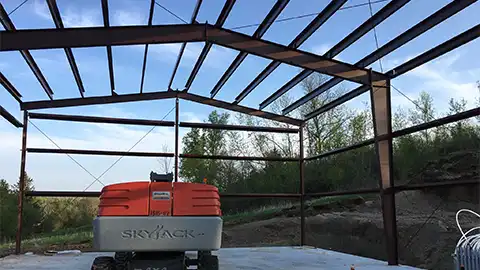
Toro Buildings delivered a high-quality prefabricated steel structure for our new workshop. The whole team was great to work with, and the building was installed quickly and efficiently.
Jordan Petrov

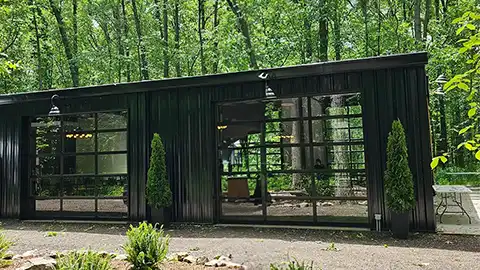
Purchased a 30x40 steel building from Toro Steel, and the experience was excellent. Chloe Martin was helpful throughout, answering all my questions. The building is solid, and although I assembled[...]
Adam Marchello
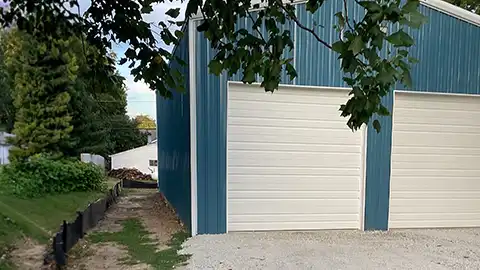
I couldn't be happier with my Toro Steel Building. The quality is fantastic, and the assembly instructions were easy to follow, even for a first-timer like me. Mark was our[...]
Serge Zborshchik
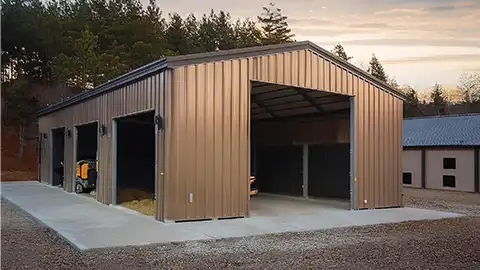
We purchased a building from Toro Steel, and it’s been a great decision. The quality is solid, and it was surprisingly easy to assemble. Mark was our go-to guy, and[...]
Nader R.
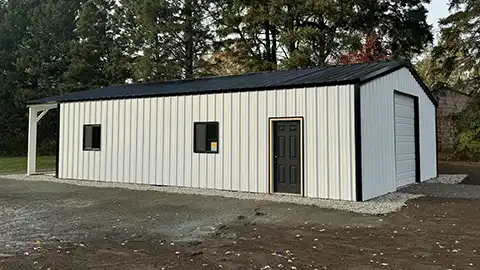
From start to finish, Mark and the Toro team were professional and efficient. The prefabricated steel building we purchased was installed in no time and is of exceptional quality. We[...]
James F
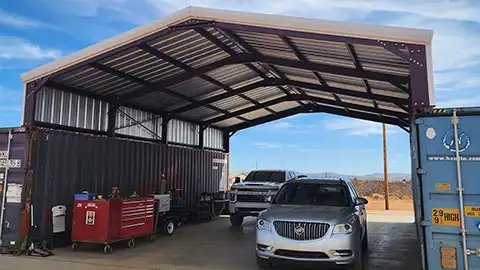
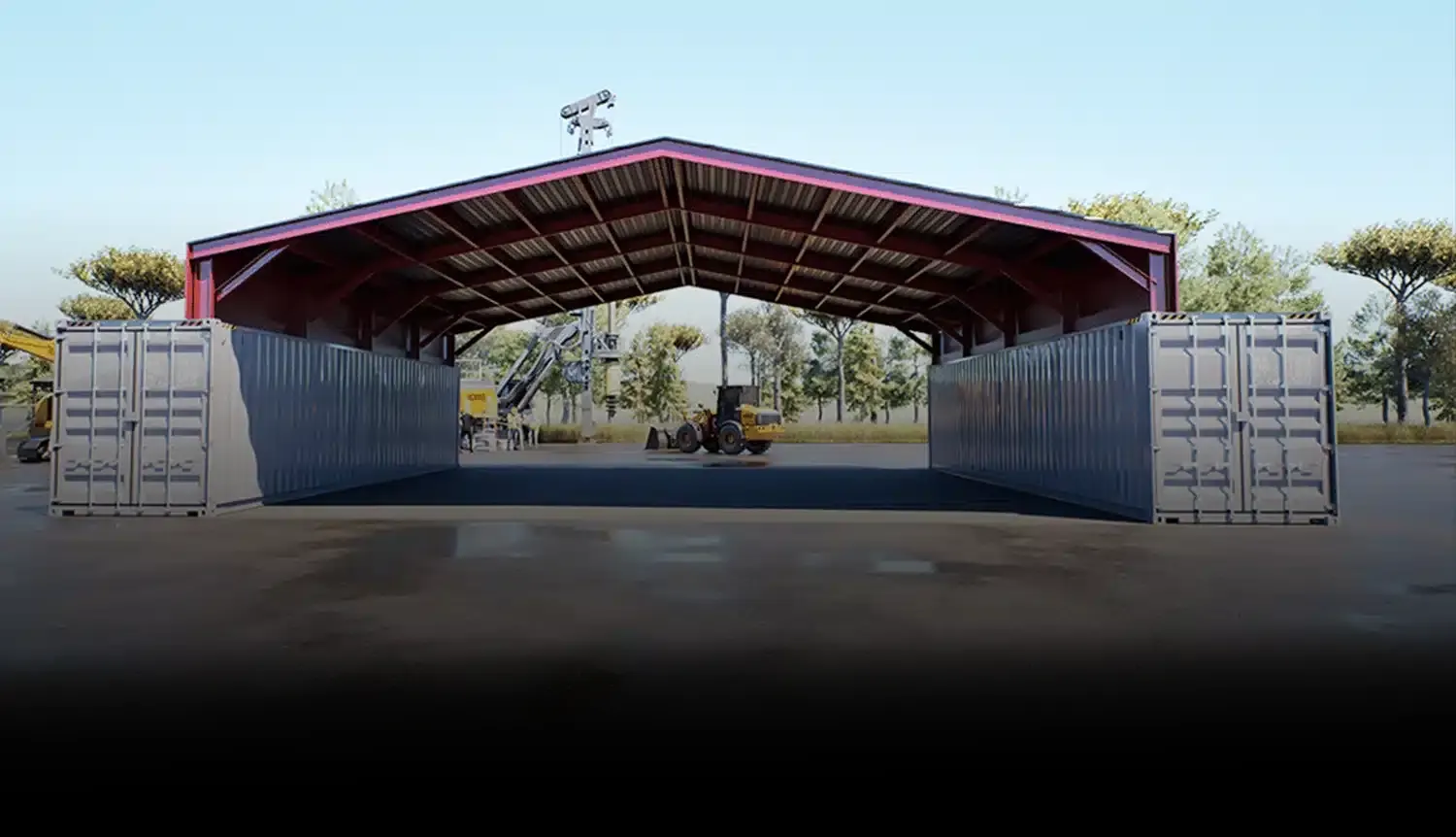
The Container Cover quality is outstanding, and I’m thrilled with it . Special thanks to Francis for making the experience so easy. His professionalism and customer-first attitude really stood out.[...]
Ilan Freitas
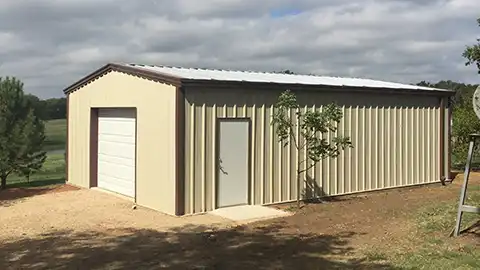
“Hello Tim, just to let you know our exterior class project is now finished and looks absolutely fabulous! I am now looking for a few more for our school, and[...]
Ecole Aux Quatre-Vents, CSSCV
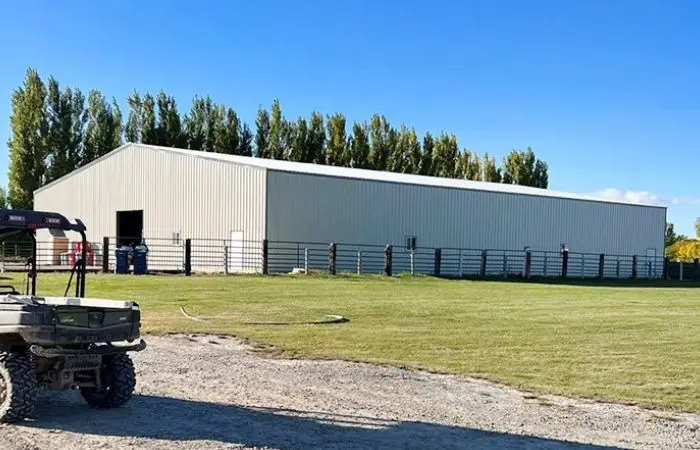
This building is beautiful and Hunt’s said it was easier to put up than the buildings they sell. Overhead doors waiting to be installed. We are very pleased with the[...]
Audra C.
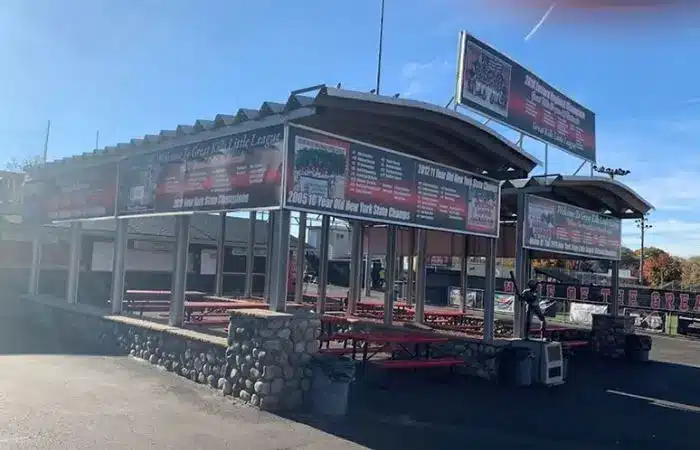
“We had purchased 3 roofing structures (large Gazebos) and they have worked out fantastic. These 20ft by 40ft gazebos gave our little league players place for shelter, from the sun[...]
Frank C.
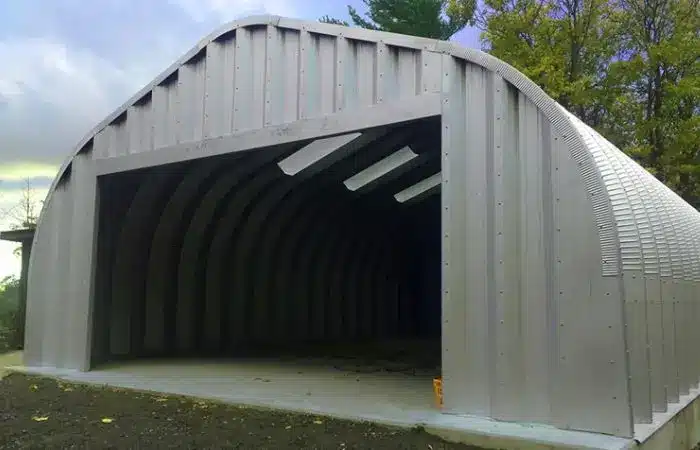
“Wow, it’s beautiful. It was a pleasure to watch my garage go up. Also thank you for sticking to your original quote. I don’t seem to get that very often[...]
Hans K.
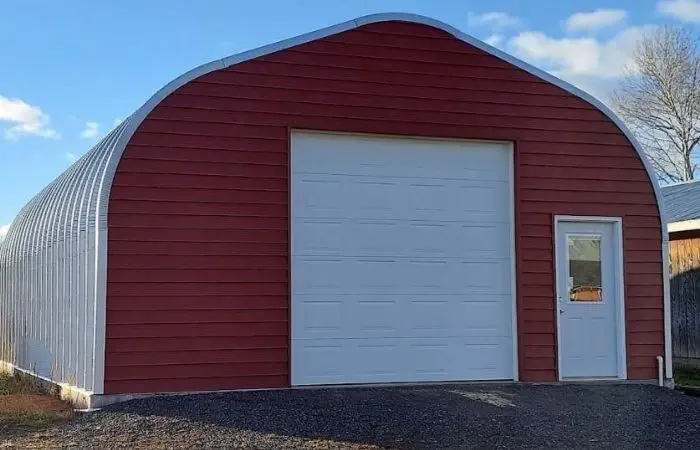
“Love this building! We are both over 60 and if we can do it, anybody can. Gonna get another one just maybe a little smaller. Thank you all!”
Rose and Norm T.
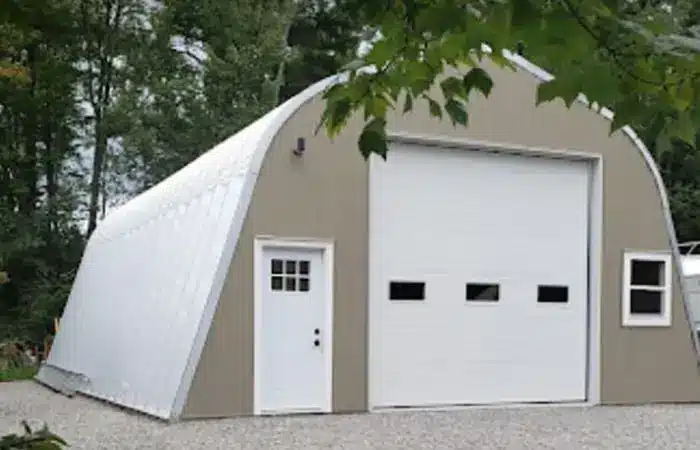
“Jason Ruby did a great job and we absolutely love our new building! X model 28×36 and spray foamed. Can’t say enough good things about it and the company. Thank[...]
Ward and Kim B.
Popular Prefab Metal Building Types
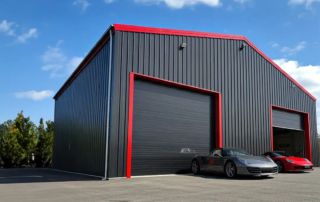
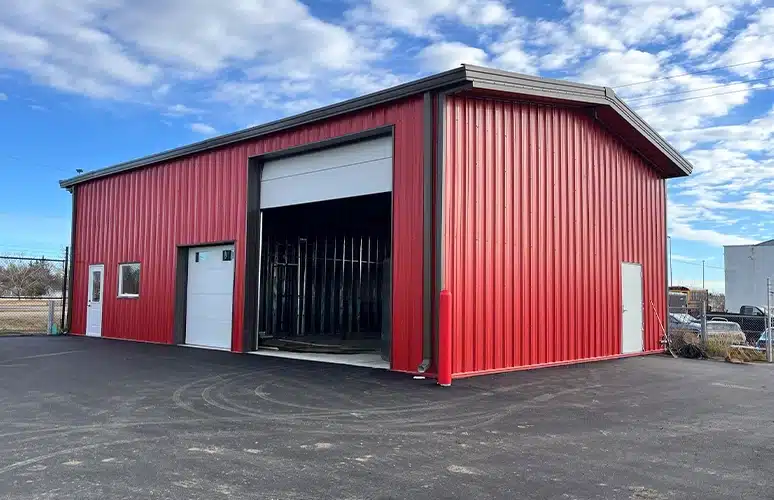
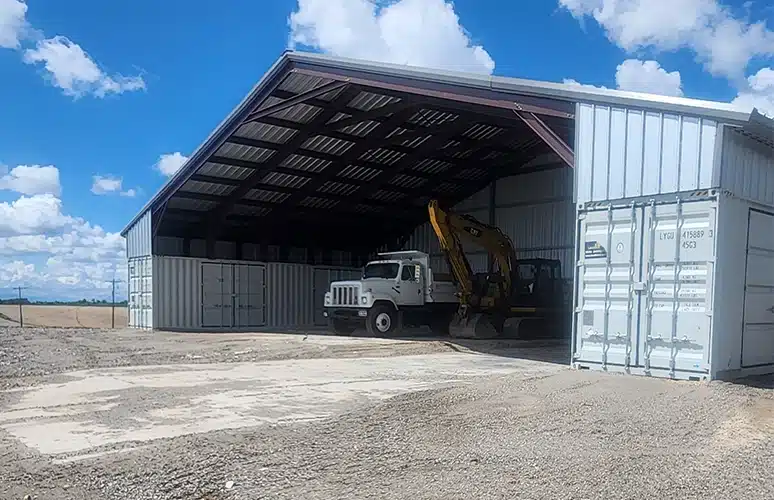
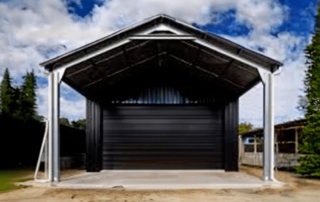
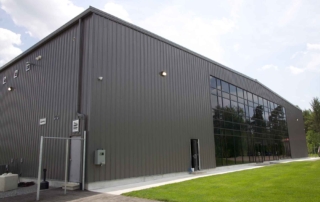
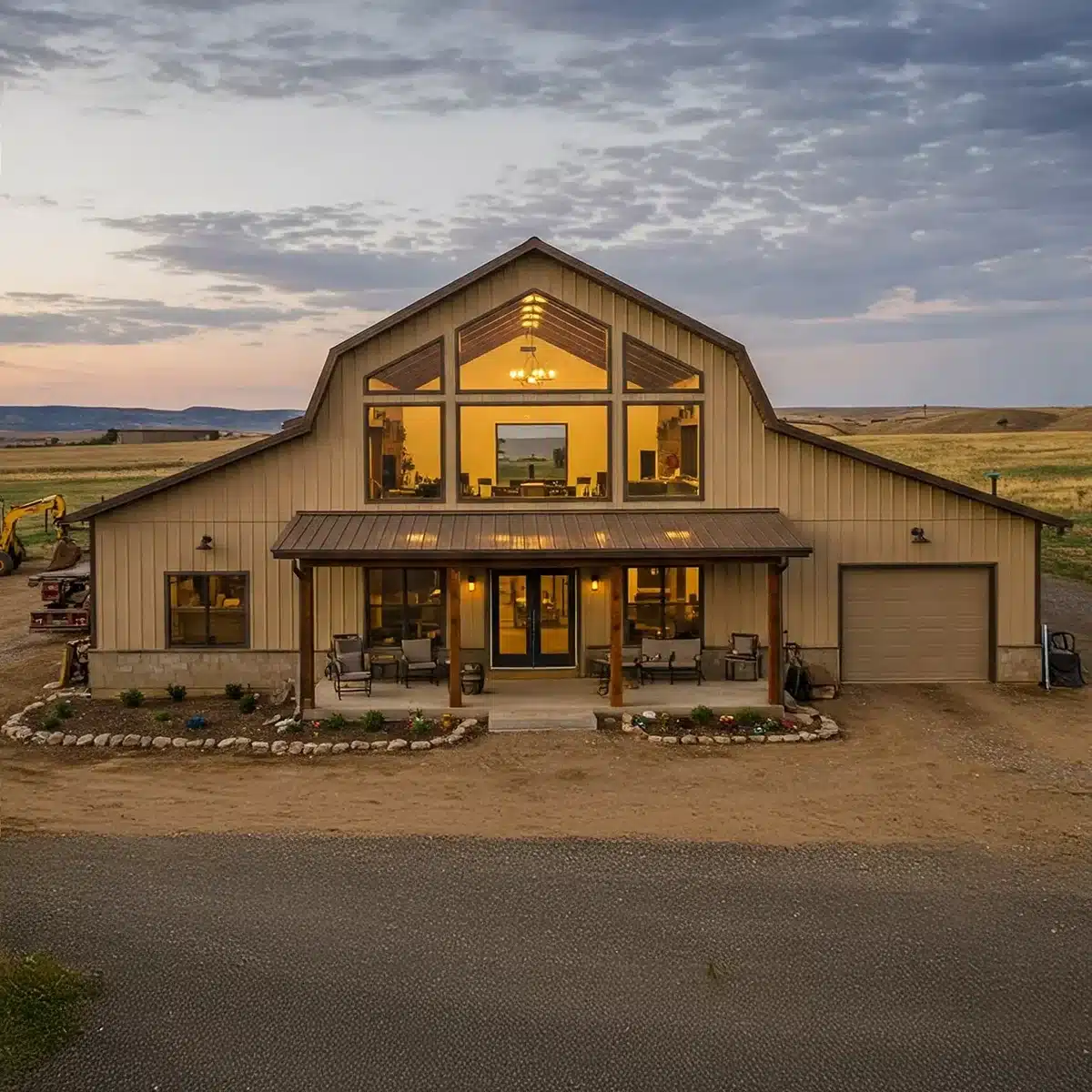
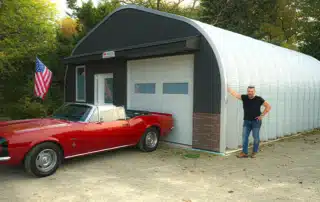
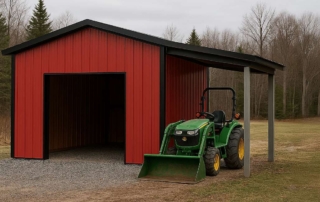
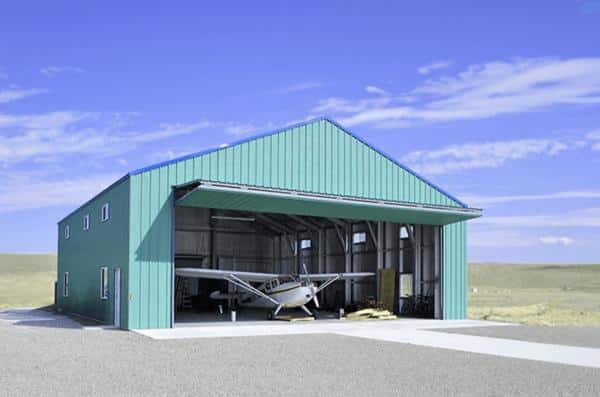
Toro Steel Buildings designs and manufactures steel building kits for residential, agricultural, commercial, industrial, recreational, and institutional applications. Whether you need a backyard garage, farm storage building, workshop, commercial facility, aviation structure, or container cover, Toro helps match the right building system to your project, location, and long-term use.
Design Your Exact Building in Minutes
Use Toro’s 3D Building Designer to explore building sizes, layouts, doors, colors, and options before requesting a quote. It is a simple way to visualize your project and give our team a clearer starting point for your steel building design.
Super Easy to Use! No Experience Needed
Click the button below To See Your Building Come To Life
COMPANIES THAT RELY ON US


























Industries We Serve
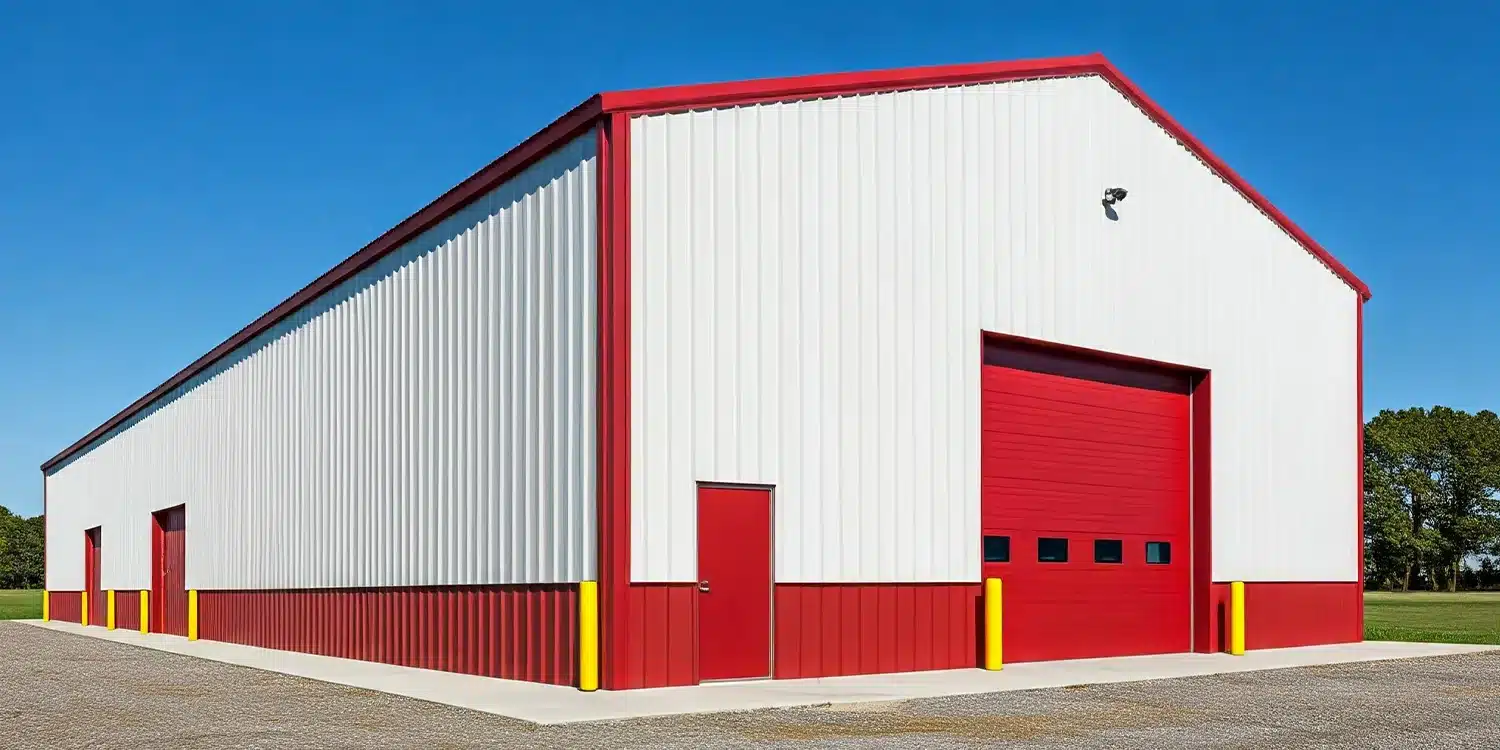
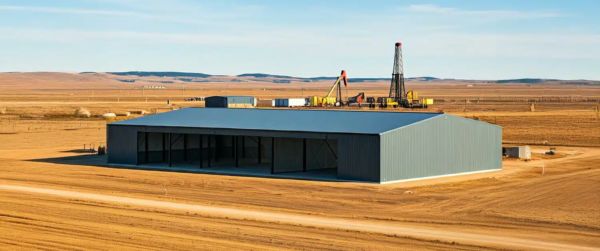
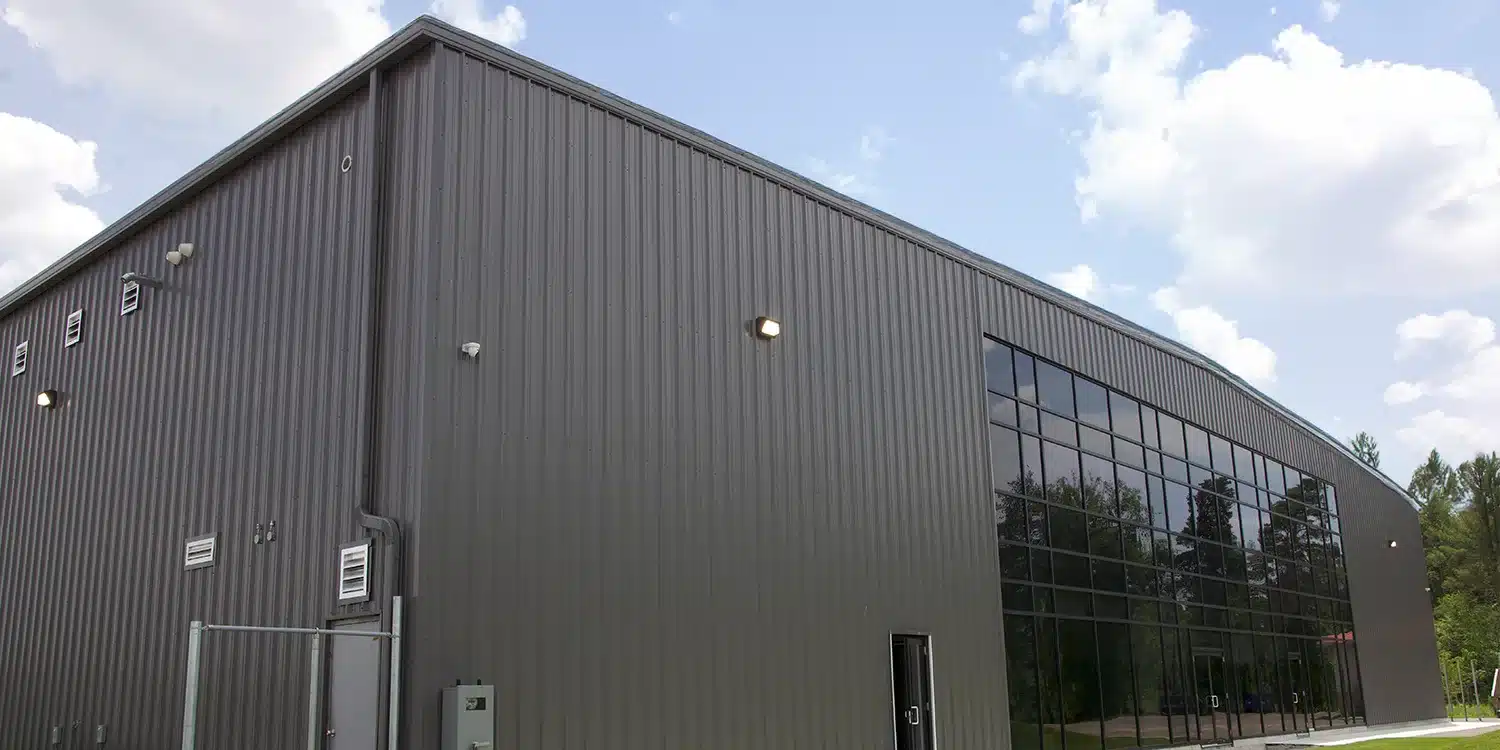
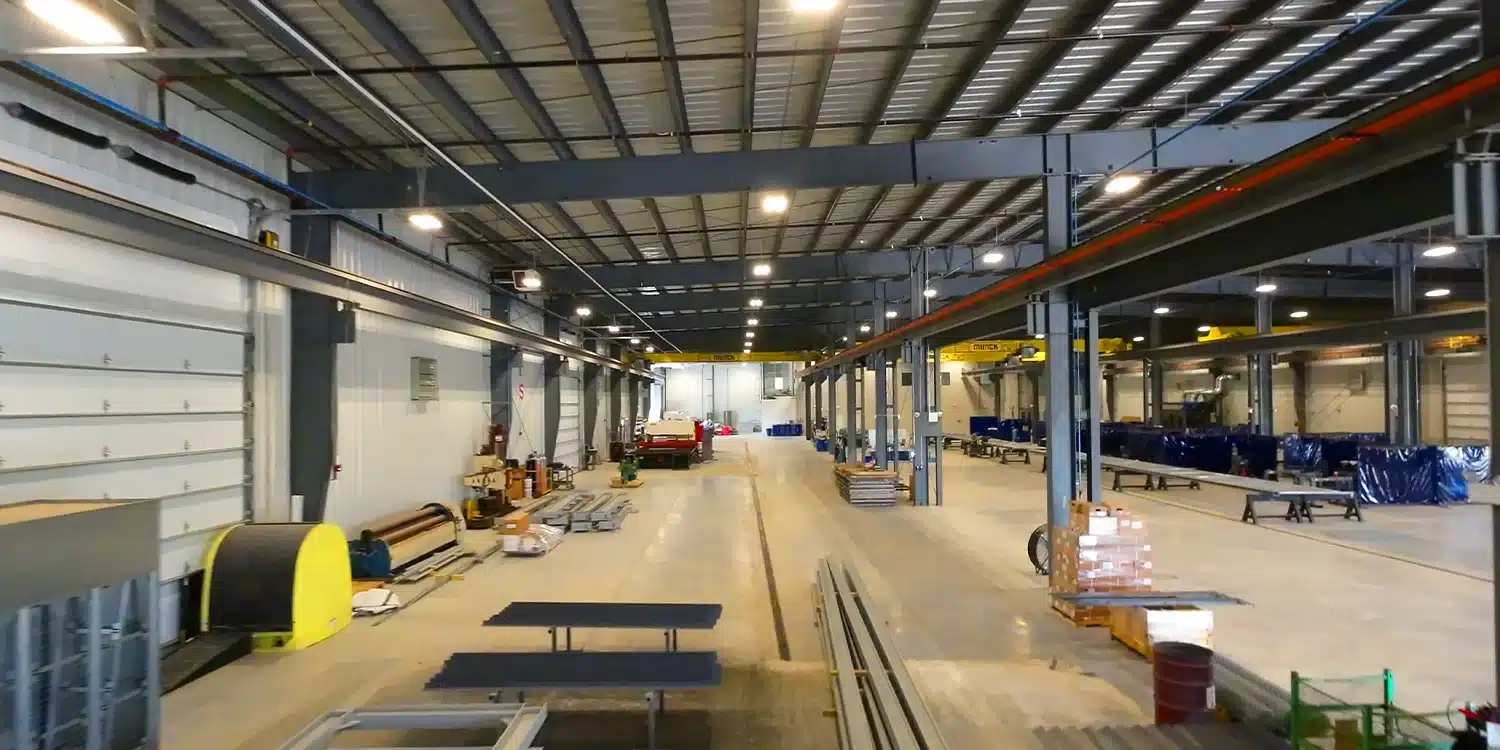
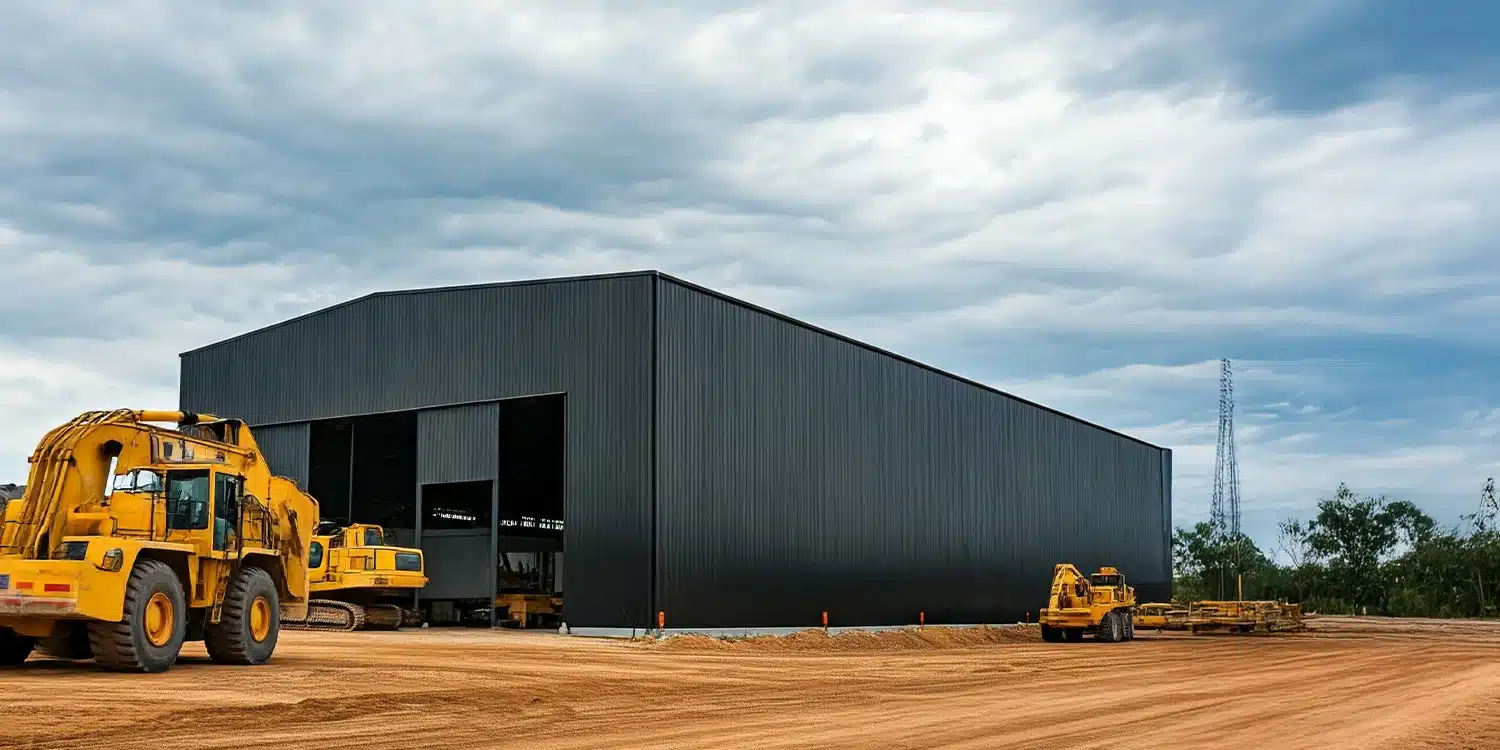
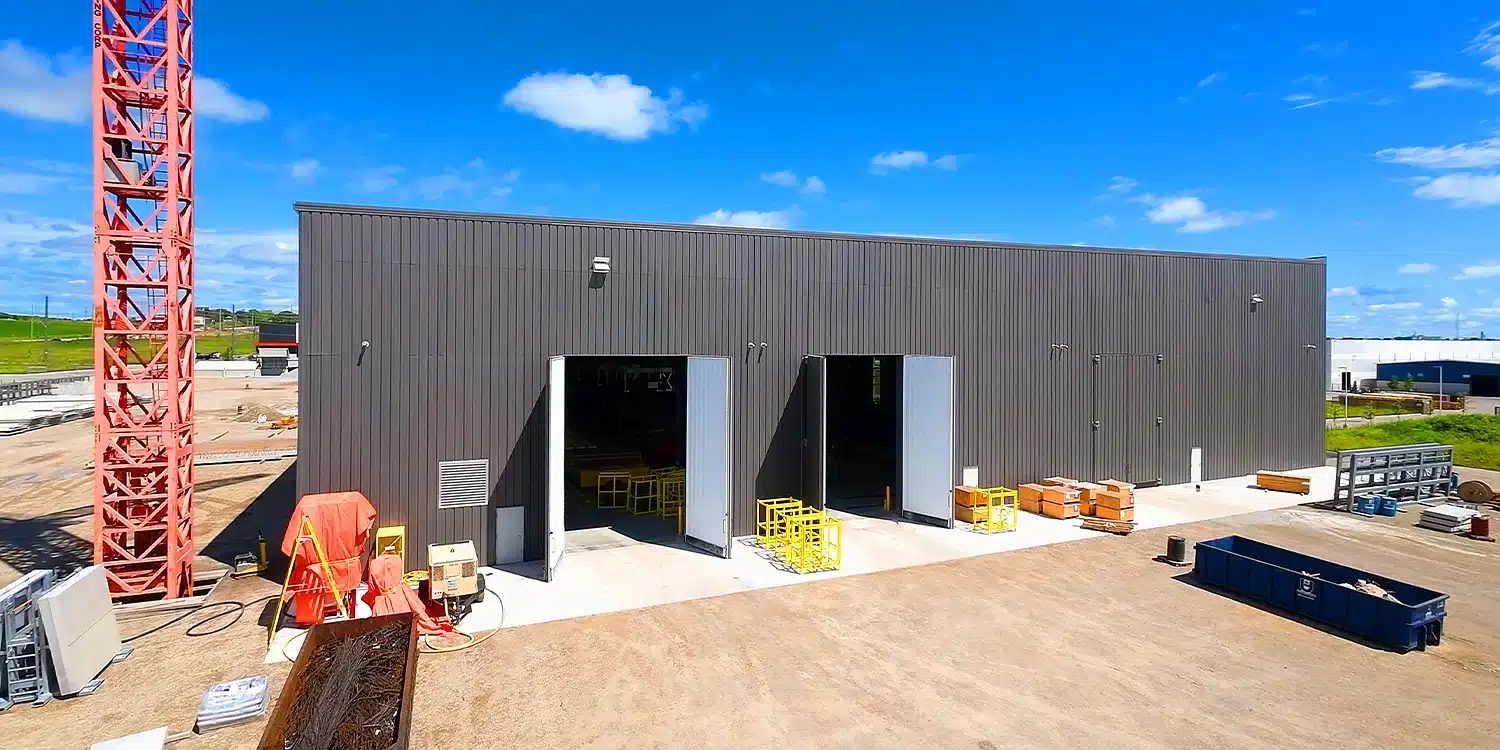
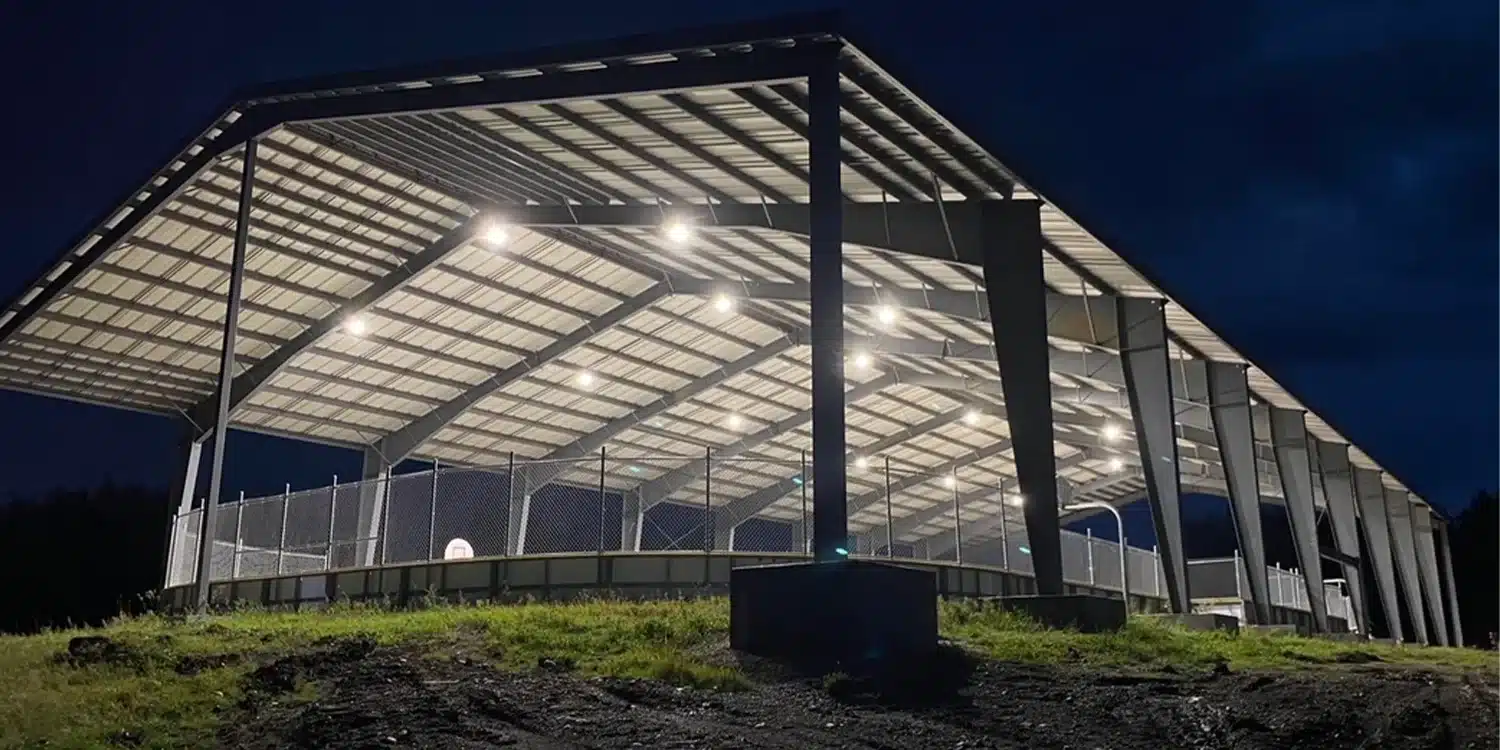
Toro steel buildings are used by homeowners, farmers, contractors, commercial operators, manufacturers, storage providers, aviation customers, sports facilities, retailers, energy companies, mining operations, and institutional organizations. Our buildings are designed around real project needs, including size, use, site conditions, code requirements, and future flexibility.
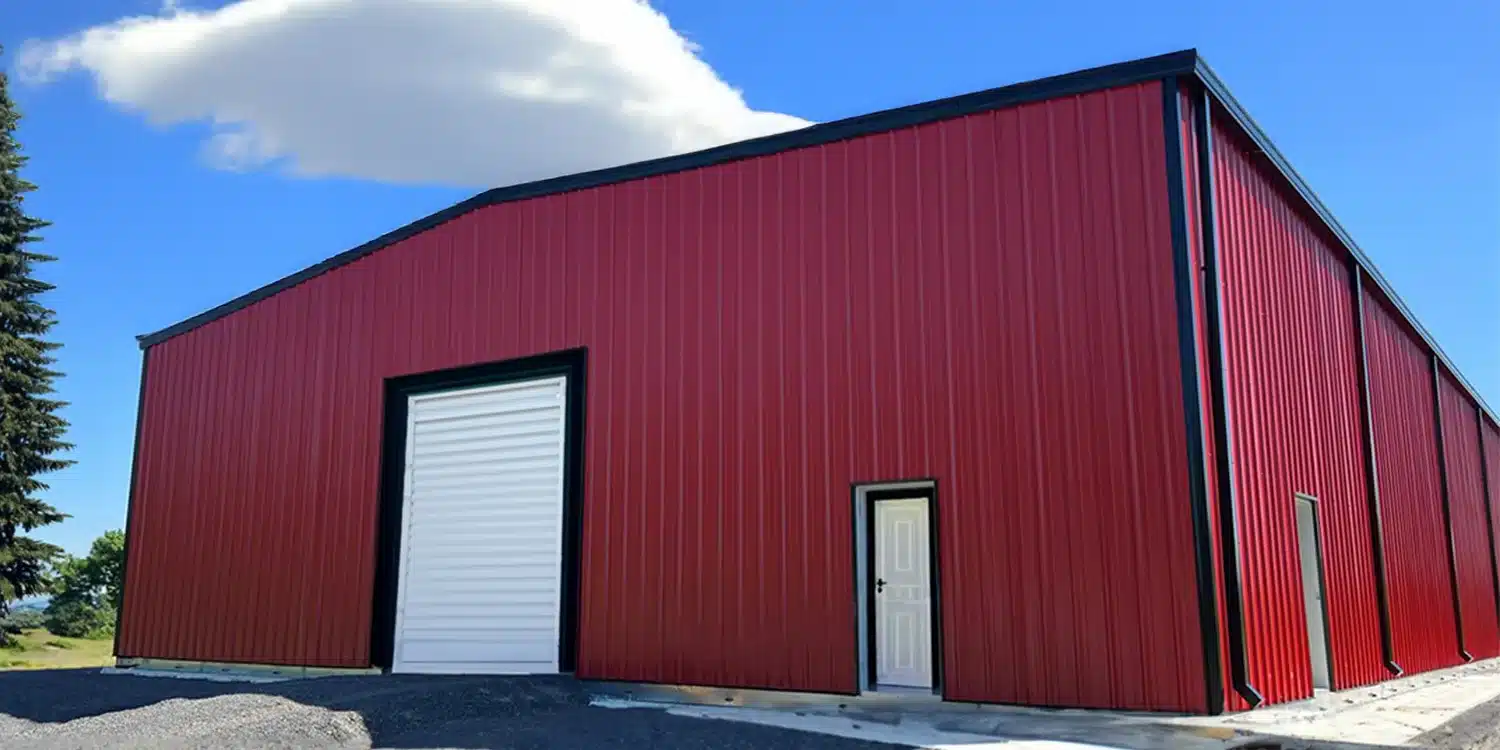
Our Popular Building Sizes
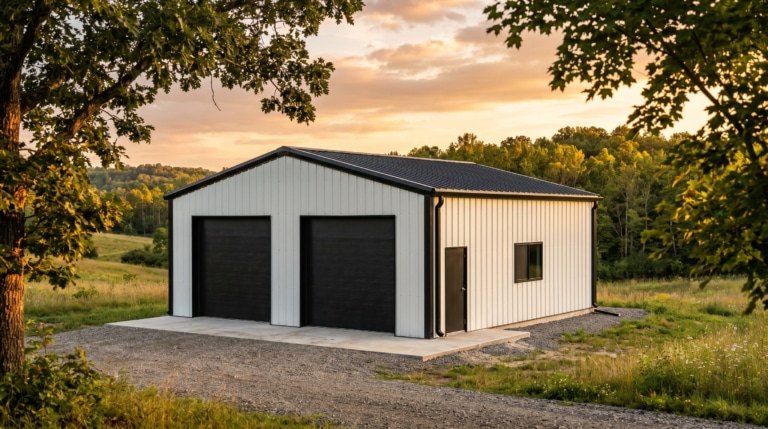
30x40
30×40 Steel Building
A 30x40 metal building gives you 1,200 square feet of open, usable space for a wide variety of applications. It is a practical choice for residential storage, workshops, farm use, small business operations, and equipment protection. With a clear-span layout and efficient footprint, a 30x40 building gives you the flexibility to organize the space around vehicles, tools, machinery, or work areas without interior columns getting in the way.
View Size
40x60
40×60 Steel Building
A 40x60 metal building offers 2,400 square feet of open, clear-span space designed to handle a wide variety of storage and work needs. Ideal for residential, agricultural, and light industrial applications, this versatile building size gives you the flexibility to configure the layout around your equipment, vehicles, workspace, or storage goals. With more usable floor area and fewer interior limitations, a 40x60 building delivers long-term functionality and value.
View Size
50x100
50×100 Steel Building
At 5,000 square feet, a 50x100 metal building is built for operations that demand serious space. The full clear-span interior gives you unobstructed floor area across the entire width, with no columns interrupting your layout or limiting how you work. Commercial shops, agricultural storage, fleet maintenance, warehouses, and light manufacturing facilities are among the most common applications. For owners who need workspace and living accommodations under one roof, a 50x100 metal building with living quarters is a practical configuration that combines both without compromise.
View SizeLatest
Blogs & News
BUY STEEL BUILDINGS WITH CONFIDENCE
DIY Steel Building Kits
Toro steel building kits are designed for efficient assembly using pre-cut, pre-drilled components and clear illustrated instructions. Many customers choose Toro because our building systems are practical, organized, and designed to simplify the construction process.
Faster Construction Timelines
Because components are engineered and manufactured before delivery, Toro buildings can reduce on-site measuring, cutting, delays, and material waste. With proper site preparation and the right crew or contractor, many projects can be assembled faster than traditional construction methods.
Support From Design to Delivery
Toro helps customers plan their building around size, use, location, doors, accessories, engineering requirements, and delivery. If questions arise before or during construction, our team is available to guide the process.
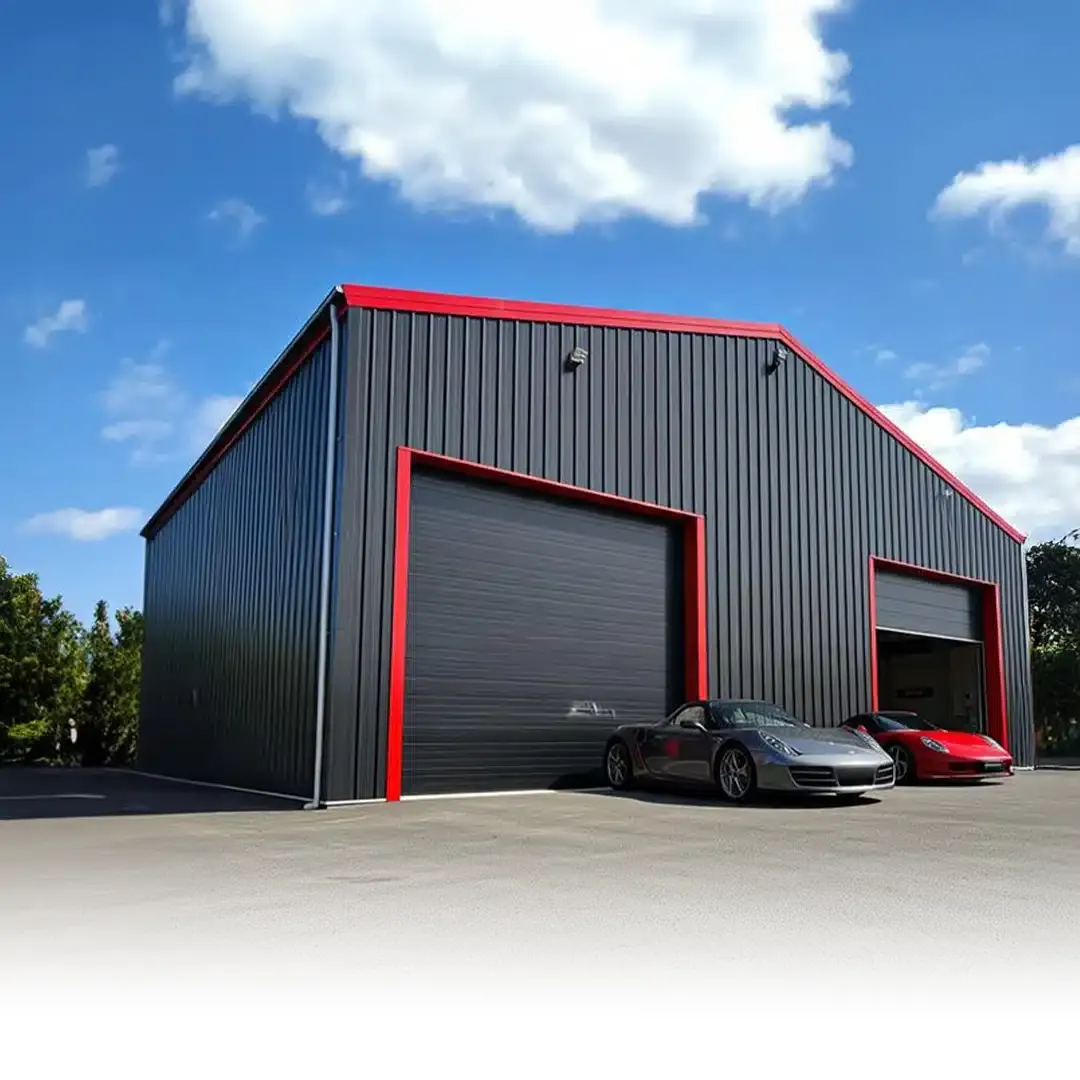
THE STRONGEST PREFABRICATED STEEL & METAL BUILDINGS ON THE MARKET
Toro Steel Buildings wants you to be confident that when you choose us for your steel building project… you’ve come to the right place. When you choose Toro, you get:
With 40+ years in business, 85,000+ customers served, and 30 manufacturing units across North America, Toro Steel Buildings is a trusted leader in the prefab steel building marketplace.