


Steel Aircraft Hangars
Aviation Building Solutions for Commercial & Private Use
Why Choose Steel Aircraft Hangars?
At Toro Steel Buildings, we design and engineer aircraft hangars to meet all building codes and industry requirements. Whether you have a personal plane or your business involves the use of a large fleet, a steel aircraft hangar is ideal for housing and protecting your planes. They can be configured in a multitude of ways to accommodate various hangar door placements and varying sizes of aircraft. We also offer a variety of door options so you can choose the most effective type for your needs.



Secure and Reliable Protection
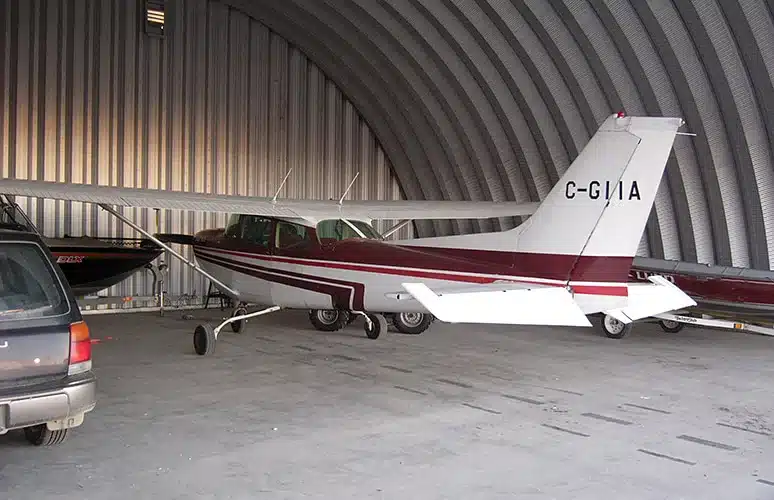
It is critical to protect your aircraft from the various weather conditions and ultraviolet light that can damage them. For this reason, a metal building is an optimal choice. They are durable, reliable, and offer excellent long-lasting performance. Our straight-wall and arch structures can securely house your aircraft or be used as workshops and maintenance facilities. If you require assistance with determining which style best suits you, the size you need, or which accessories to consider, please contact the Toro Steel team to speak to an expert in your region.
Engineered Steel Aircraft Hangars for Performance and Protection
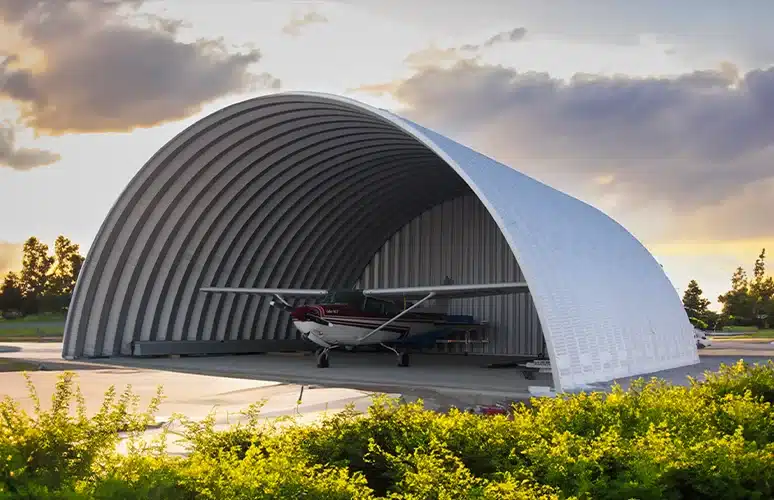
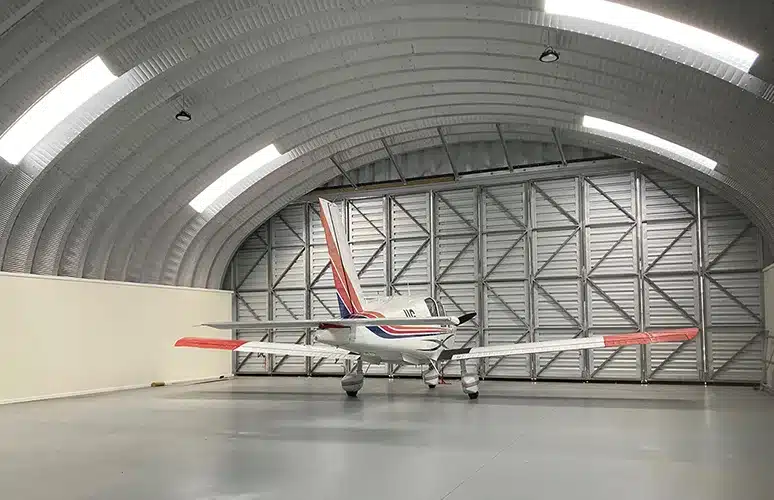
Steel aircraft hangars are engineered to provide secure, long-lasting protection for aircraft of all sizes, from light personal planes to large jets and helicopters. Unlike traditional wood or masonry buildings, steel aircraft hangars are built with high-strength steel framing and durable metal cladding that resists corrosion, weather damage, and long-term wear. The clear-span design characteristic of aviation steel buildings creates unobstructed interior space, allowing aircraft to be moved, parked, and serviced without interference from interior columns.
Prefab Aircraft Hangar Kits That Simplify Construction
One of the major advantages of choosing a prefab aircraft hangar is the efficiency of construction. Hangar building kits arrive with pre-cut, pre-drilled components that bolt together easily on site, reducing construction time by up to one-third compared with traditional methods. This streamlined assembly is possible because the components are manufactured in controlled factory environments with precise tolerances, ensuring a reliable fit and reducing on-site fabrication needs.
Flexible Steel Aircraft Hangar Building Options
Aviation steel buildings come in a range of sizes, configurations, and door systems to meet diverse operational demands. From wide-opening bi-fold, sliding, or vertical lift doors to tailored interior layouts for maintenance, office space, or storage, steel aircraft hangar buildings are designed with flexibility in mind. Clear-span widths and tall eave heights can be customized to accommodate specific aircraft types, whether the hangar will house small private planes or larger commercial jets.
Weather and Environmental Protection
Protecting valuable aircraft from the elements is a fundamental goal of any metal airplane hangar. Steel aircraft hangars are designed to withstand extreme weather conditions, from heavy snow loads and high winds to seismic activity, when engineered to meet local codes. This durability helps reduce long-term maintenance needs, increasing the lifespan of the structure and offering both financial and operational peace of mind.
Design Considerations for Aviation Steel Buildings
When planning a steel aircraft hangar, several key design factors should be considered:
Multi-Purpose Use Beyond Just Aircraft Storage
Although protection and housing aircraft is the primary purpose, aviation steel buildings also excel as multifunctional facilities. Many operators integrate pilot lounges, offices, training areas, maintenance bays, and even parts storage within their hangar footprint. The modular nature of steel construction makes it easier to add interior partitions or future expansions as operational needs evolve.
Advantages of Choosing Steel Aircraft Hangar Building Kits
Choosing hangar building kits over traditional construction offers multiple benefits:
- Faster assembly and predictable timelines
- Factory-precision components for quality control
- Lower construction waste and cost
- Scalable designs for future growth
- Minimal maintenance compared to wood or other materials
These advantages make steel aircraft hangars a cost-effective investment for airports, flight schools, private owners, and commercial operators alike.
Steel Aircraft Hangars FAQs
Low-Maintenance, Expandable Steel Aircraft Hangars
When building an aircraft hangar or aviation facility out of steel, you have the added benefits of high ceilings, unlimited expansion length, low maintenance requirements, and fast construction times. This allows you to get your building completed quickly.
The team at Toro Steel understands the importance of your investment in your structure and how necessary it is to ensure your aircraft is protected. This is why we offer high-quality steel buildings that you can rely on. For more information about our buildings and accessories, or to discuss your needs, contact the team at Toro Steel.